
How to Fish Sitka, Alaska: A First-Timer's Guide to Salmon, Halibut, and Bottomfish
What a beginner needs to fish Sitka — the Alaska license and king stamp rules, how the charter boats troll and mooch for king and silver salmon, how halibut and rockfish bottom fishing works, where you can fish from shore, and exactly what to pack for a day on Sitka Sound.
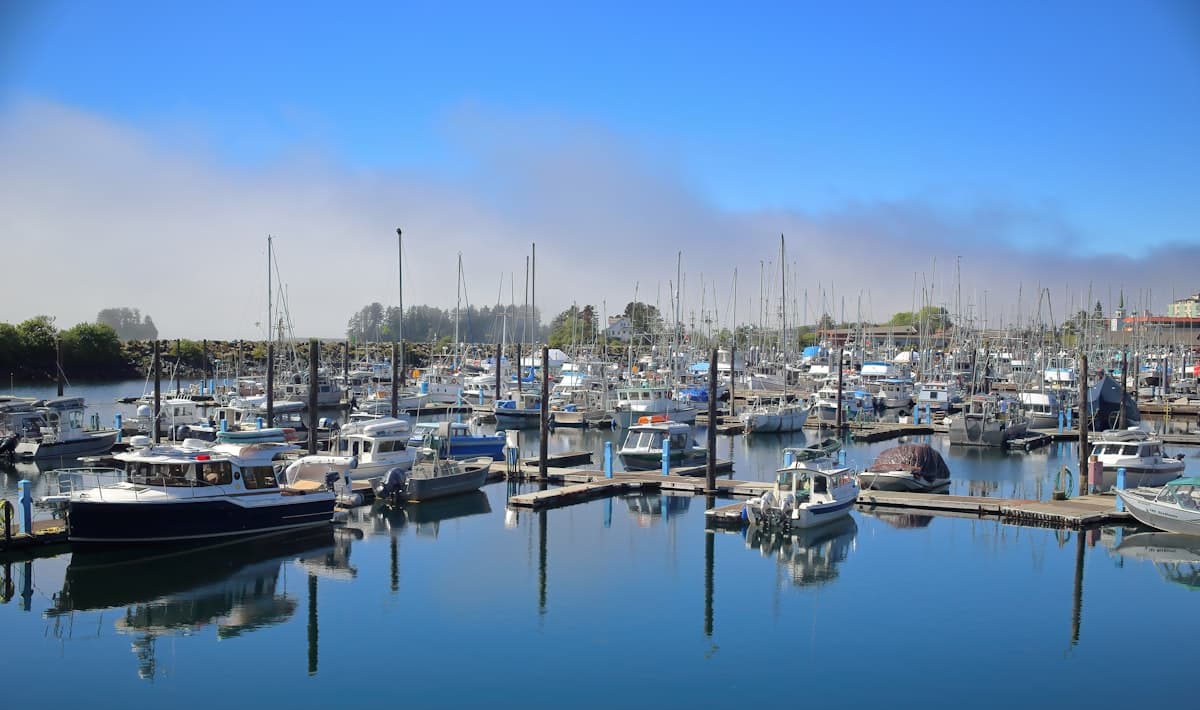
Sitka sits on the outer coast of Baranof Island, facing the open Pacific through a maze of islands with the dormant volcano Mount Edgecumbe standing guard across the sound. That position — protected water with the rich open ocean right next door — is why Sitka is one of Alaska's premier saltwater fishing towns. King and silver salmon, halibut the size of a door, lingcod, and a rainbow of rockfish are all within a short run of the harbor. For a first-timer it's a saltwater fishery, which means it's almost entirely a boat game — but there's good shore fishing too if you know where to look. Here's how it all works.
For the full picture — the species runs, the charter fleet, the lodges, and the town — read our complete Sitka fishing guide.
First: License and the King Salmon Stamp
Every angler 16 or older needs an Alaska sport fishing license. Unlike some states, Alaska does NOT let a charter's license cover its passengers — each person fishes on their own license. And if you want to KEEP a king (Chinook) salmon, you also need a separate king salmon stamp on top of the license. Buy both online from the Alaska Department of Fish and Game (ADF&G) before your trip; non-resident 1-day, 3-day, 7-day, and 14-day options are available, and the king stamp comes in matching durations.
Two rules trip up newcomers. First, king salmon retention is tightly managed and the limits and open dates change year to year — your charter captain knows the current Sitka king regs, but if you're fishing on your own, read the ADF&G Southeast Alaska sport fishing regulations before you keep one. Second, yelloweye rockfish (and other non-pelagic rockfish) often must be released, and Alaska requires you to use a deepwater release (descending) device to send them back down so they survive the pressure change. More on that below.
The Salmon: Trolling and Mooching Sitka Sound
Sitka's salmon fishing is done two ways, and most charters use both.
Trolling pulls bait or lures behind a moving boat at a set depth using downriggers — a heavy cannonball lead on a wire drops your line to, say, 55 feet, then releases when a fish hits. The classic Sitka king rig is a triangular flasher (a Hot Spot Flasher or a Pro-Troll) trailed by a whole or plug-cut herring, run 40 to 60 feet down on the downrigger right where the kings are holding. The flasher's job is to flash and roll, imitating a feeding fish and pulling kings in to the bait behind it.
Mooching is the local art form. Instead of trolling, the boat drifts and you fish a plug-cut herring on a two-hook mooching leader below a banana-shaped or cannonball sinker (6 to 8 ounces), letting it spin and sink naturally through the water column. You drop, then slowly retrieve, feeling for the soft "tap-tap" of a king inhaling the herring. Mooching is fished on a soft, long mooching rod with a level-wind reel — a Shimano Tekota 600 line-counter is the workhorse so you can return to the exact depth that just produced.
The heart of the action is Sitka Sound itself, with Vitskari Rocks — straight out in front of the harbor beneath Mount Edgecumbe — being ground zero for fresh-arriving kings. Biorka Island and Cape Edgecumbe on the outer coast hold fish too when the weather allows the run.
When a salmon hits, don't rear back. Let it take the bait and load the rod, then keep steady pressure and let the drag do its work — a Sitka king will make blistering runs, and the soft rods are built to absorb them.
West Coast Salmon and Halibut Fishing — Trolling and MoochingKing vs. silver timing: Kings (Chinook) are the prize, peaking in June but available from the May opener through August. Silvers (coho) flood in for the summer's second act, with August the prime month — they're aggressive, acrobatic, and a blast on lighter mooching gear.
The Bottom: Halibut, Lingcod, and Rockfish
The other half of a Sitka day happens straight down. Halibut, lingcod, black cod (sablefish), and rockfish are resident fish you can catch all summer long, and they live on the bottom in 100 to 300+ feet of water.
Halibut are caught at anchor or on a controlled drift. The captain sets up over a likely flat or edge, often hangs a chum bag to bring fish in, and you drop a big bait — a whole herring, a chunk of salmon belly, or an octopus strip — on a heavy circle hook to the bottom. This is heavy tackle: a stout Okuma Classic Pro rod and a Penn Squall II 50 conventional reel loaded with 80-pound braid, with a 1- to 2-pound weight to hold bottom in the current. When a barn-door halibut loads up, it's like pulling a manhole cover off the seafloor — pace yourself.
Lingcod and rockfish come on heavy jigs worked near the bottom — a Point Wilson Dart or a Shimano Lucanus jig dropped to the structure and lifted in sharp pumps. Lingcod are ambush predators that will inhale a hooked rockfish on the way up, so don't be surprised by a second, bigger bite.
This is where the descending device matters. When you bring up a yelloweye or other non-pelagic rockfish that has to be released, its swim bladder has expanded — it can't swim back down. Clip it to a SeaQualizer descender, send it back to depth, and release it there so it survives. Alaska requires you to have one rigged and ready.
Rockfish come in a confusing variety around Sitka — black rockfish (the most common, often caught higher in the water column and freely retainable within limits), plus quillback, copper, china, and the bright-orange yelloweye that usually must go back down. Black rockfish are a great beginner target: drop a jig, feel bottom, reel up a few turns, and hang on. Lingcod have their own season (they're closed in spring to protect spawning fish and typically open in early summer — your captain will know the dates), so don't expect to keep one before the opener even if you hook it. The reward for the heavy-tackle work is some of the best-eating fish anywhere: halibut, lingcod, and black cod are all premium table fare.
A typical charter day starts early — boats often leave the harbor before 7 a.m. to make the morning bite and the run to the grounds. You'll usually fish salmon first in the cooler morning water, then move to a halibut spot and drop to the bottom, mixing in rockfish and lingcod jigging. Expect to be on the water six to ten hours depending on the trip, so the layers, food, and motion-sickness prep above aren't optional extras — they're what makes a long day a good one.
How to Tie a Palomar KnotShore and DIY Fishing in Sitka
You don't strictly need a boat to wet a line in Sitka — you just need to know the two roads. Halibut Point Road runs about eight miles north to Starrigavan Bay, and Sawmill Creek Road winds about 13 miles south, both hugging the coast with pullouts and beaches you can fish. Be careful to respect private property and posted land.
The standout DIY spot is the Starrigavan estuary and recreation area at the north end, where pink salmon (humpies) stack up in mid-summer and silvers push through in late summer. Cast small spoons — a 1/2-ounce Acme Little Cleo or a Pixee spoon — or a Vibrax spinner across the current and retrieve steadily; humpies will hammer pink and chartreuse. A 9-foot medium spinning rod with a 4000-size reel and 15- to 20-pound braid covers shore salmon nicely.
Time your shore fishing to the tide here too — an incoming tide that pushes fresh fish toward the river mouth is prime, and the first and last hours of daylight beat midday. The bridge and estuary flats at Starrigavan, the rocky shorelines along Sawmill Creek Road toward Silver Bay, and the breakwater near the harbor all hold fish at the right stage. Bring polarized sunglasses to spot staging schools, and a small landing net — salmon are hard to beach on a rocky shoreline without one.
Fishing an Alaska Coastal River for SalmonGear: What to Bring (and What the Charter Provides)
On a charter, leave the tackle at home — the captain supplies rods, reels, terminal gear, bait, and the descending device, and will clean and bag your catch. What you bring is the right clothing, because Sitka is on the rainforest coast and you fish rain or shine:
- Grundens rain bibs and jacket — real commercial-grade raingear, not a flimsy poncho.
- Xtratuf ankle or knee boots — the unofficial Alaska state footwear, with grip for a wet deck.
- Warm layers (fleece/wool), gloves, and a hat — even in July the open water is cold.
- Motion-sickness tablets taken the night before and morning of, if you're at all prone — the outer coast can roll.
- A cooler or a plan to ship fish home; Sitka processors will freeze and ship your catch.
If you're fishing on your own from a skiff or shore, the salmon and bottom setups above are what you want.
When to Go
- Mid-May to mid-June: Season opens; kings show and build toward their June peak. Halibut and rockfish are on from the start.
- June: Prime king salmon. The marquee month if a Chinook is your goal.
- July: Strong mixed bag — kings still around, bottom fishing excellent, pinks arriving in the rivers.
- August: Peak silver (coho) salmon — fast, aggressive fishing — plus continued halibut and lingcod.
- Early-to-mid September: Season winds down; silvers taper off and the weather turns.
Reading Sitka: Tides, Depth, and Weather
Two things drive a Sitka day: the tide and the swell. Salmon and the bait they chase move with moving water, so the hours around a tide change are usually the most productive — a good captain plans the run around the day's exchanges. Depth is the other variable: kings hold deeper as the sun climbs, so the downriggers that ran 35 feet at dawn might drop to 60 by midday. That's why the line-counter reel matters — when one rod fires at a depth, you put the others there fast.
The swell decides where you can fish. On calm days the boats run the outer coast — Cape Edgecumbe, the outside of Kruzof Island — where the freshest, biggest kings stage. When the Pacific is up, the fishing shifts to the protected inner waters of Sitka Sound, which still hold plenty of fish and a much friendlier ride. Either way, dress for spray; even a "calm" outer-coast day puts water over the rail.
Sitka's Other Fish
Salmon and halibut headline, but they're not the whole story. Pink salmon (humpies) flood the bays and river mouths in mid-summer in huge numbers — they're the easiest salmon for a beginner to catch, hit small spoons aggressively, and are a blast on light gear even if they're not the table fish a king is. Chum salmon show alongside them. In the rivers and estuaries you'll also find Dolly Varden (a char) and sea-run cutthroat trout, both of which take small spoons, spinners, and flies and make a fun change of pace from the saltwater grind. Black cod (sablefish) caught deep on the bottom is one of the best-eating fish in the ocean — if the captain marks them, it's worth a drop.
Getting Your Catch Home
A good Sitka day can produce a lot of fish, and you need a plan for it. Charters and lodges clean and bag your catch, but freezing and shipping it home is usually handled by a local processor — they'll vacuum-seal, flash-freeze, and box your fillets for the flight or ship them to your door. Know the rules before you fill the cooler: halibut and salmon have possession limits, and halibut in particular have size/annual-limit rules that change, so confirm the current Southeast Alaska limits with your captain. Don't catch more than you'll actually eat — Alaska's fishery stays great because anglers respect the limits.
A First-Timer's Plan
For your first Sitka trip, book a full-day charter (or a multi-day lodge package) — it's the surest way onto kings, halibut, and rockfish with a captain who handles the licenses-aside logistics, the heavy gear, and the regulations. Buy your Alaska license and king stamp online ahead of time, pack Grundens and Xtratuf, and come ready for weather. If you've got a free afternoon, drive out to Starrigavan and throw a spoon for pinks and silvers from the bank.
Recommended Gear
Shimano Tekota 600 Line-Counter Reel
Mooching and downrigger trolling for Sitka king and silver salmon
Hot Spot Flasher
Triangular flasher ahead of plug-cut herring for trolling kings
Penn Squall II 50 Conventional Reel
Halibut bottom fishing — 80 lb braid to hold deep water
Okuma Classic Pro Rod
Heavy boat rod for halibut and lingcod on the bottom
Point Wilson Dart Jig
Vertical jig for lingcod and rockfish over structure
SeaQualizer Descending Device
Required to release yelloweye and non-pelagic rockfish at depth
Grundens Rain Bibs and Jacket
Commercial-grade raingear for the rainforest coast
Xtratuf Ankle Deck Boots
Grip on a wet charter deck — the Alaska standard
Top Fishing Guides in Sitka
Sitka's captains know which depth the kings are holding at Vitskari Rocks, where the halibut are sitting that week, and how to get you home with a cooler full of fillets. A local guide supplies all the gear and handles the Alaska regulations, so a first-timer can just fish.

Sea Roamer Charters
Sitka, AK, US
5.0 (178 reviews)
Sea Roamer Charters Captain Mike brings more than 25 years of commercial and charter fishing expertise to every outing from Sitka, Alaska. Specializing in salmon and halibut, Sea Roamer Charters operates a custom-built 36' aluminum catamaran designed for comfort and seamless fishing performance in Southeast Alaskan waters. What sets this operation apart is its commitment to personalized service. Rather than joining large fleets, clients enjoy intimate, tailored trips that include lodging and meals—creating a complete fishing adventure. Whether seeking an immersive hands-on experience or a relaxed day pursuing trophy fish, Sea Roamer Charters focuses on delivering genuine connections to Alaska's world-class fishery.
Fishing with Larry
Sitka, AK, US
5.0 (124 reviews)
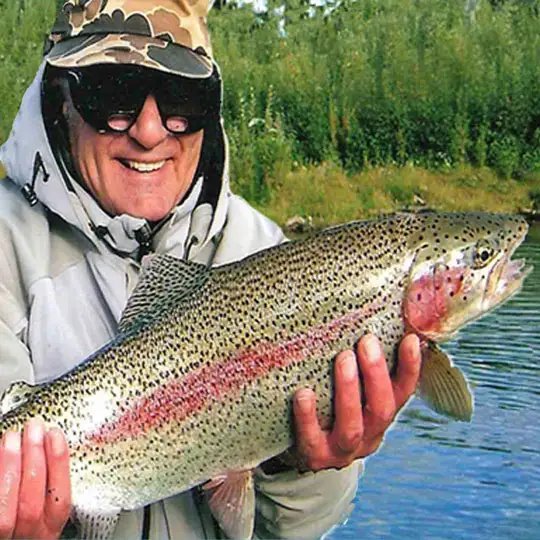
Fishing with Larry Fishing with Larry operates The Desperado, a 67-foot liveaboard vessel based in the pristine waters of Sitka, Alaska. Under the command of a USCG-approved captain, groups of up to six guests enjoy fully customized trips combining world-class saltwater and freshwater fishing with the unparalleled natural beauty of Southeast Alaska. The operation specializes in halibut, king salmon, silvers, and lingcod in waters surrounded by the Tongass National Forest. Beyond fishing, Fishing with Larry offers flexible trip styles that can incorporate wildlife viewing and unguided deer hunts, allowing guests to craft their ideal Alaskan experience. Whether seeking intensive angling or a more balanced adventure, visitors benefit from personalized service and the captain's deep knowledge of local waters. Trips operate seasonally from May through November, offering an immersive wilderness experience that combines productive fishing with unforgettable exploration.
Angling Unlimited
Sitka, AK, US
5.0 (124 reviews)
Angling Unlimited brings three decades of expertise to salmon and halibut fishing in Southeast Alaska's pristine waters. Based in Sitka, this premier charter service operates custom-designed boats staffed by seasoned guides who cater to anglers of all experience levels, from curious beginners to seasoned veterans. The outfit offers full-day charters spanning up to seven hours on the North Pacific, where abundant salmon and halibut runs provide consistent action throughout the season. Guests benefit from top-quality fishing equipment, comfortable accommodations, and the crew's deep knowledge of local waters and fish behavior. Whether pursuing trophy halibut or fighting silver salmon, anglers can expect professional guidance, reliable gear, and the kind of personalized attention that transforms a fishing trip into a truly memorable Alaskan adventure.

Cast Alaska
Sitka, AK, US
5.0 (37 reviews)
Cast Alaska offers premier charter fishing experiences in Sitka, drawing anglers to the pristine waters of Southeast Alaska. Specializing in halibut and king salmon, their expert guides navigate custom-built vessels exceeding 32 feet, prioritizing both safety and efficiency while maximizing time on productive grounds. Whether pursuing trophy catches or refining technique, guests benefit from seasoned local knowledge and professional-grade equipment. Beyond the water, Cast Alaska rounds out each expedition with comfortable lodge accommodations, gourmet dining, and on-site fish processing. This integrated approach transforms a fishing trip into a complete Alaskan experience—one where the focus extends beyond the catch to create genuine memories in one of North America's most celebrated fishing destinations.

Outer Limits Alaska Charters
Sitka, AK, US
5.0 (25 reviews)
Outer Limits Alaska Captain Riley Jorgenson brings years of expertise to every fishing adventure departing from Sitka's pristine waters. Outer Limits Alaska specializes in king salmon, coho salmon, halibut, and rockfish, catering to both seasoned anglers and those new to the sport. The operation's custom-built 30' Almar hull boat, the F/V Bad Sport, provides comfort and safety as guests explore Alaska's premier fishing grounds. Whether pursuing a half-day or full-day excursion, anglers discover why Southeast Alaska remains one of the continent's most productive fishing destinations. Captain Riley's local knowledge and dedication to the craft ensure each trip delivers authentic Alaskan fishing experiences that guests will treasure long after returning home.
Sitka Saltwater Charters
Sitka, AK, US
5.0 (22 reviews)
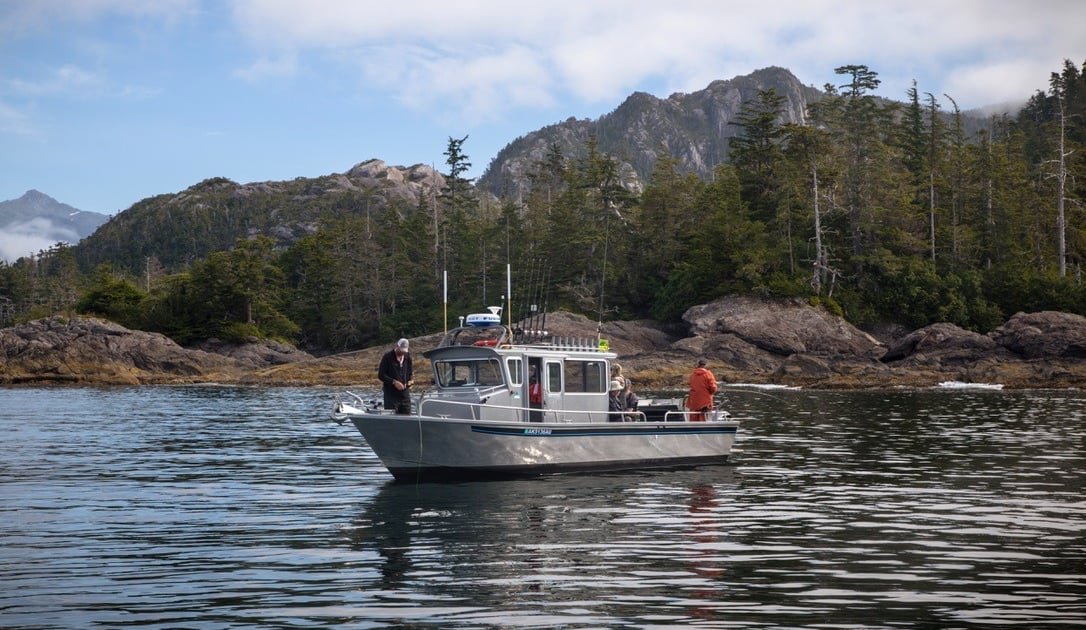
Sitka Saltwater Charters, led by Captain Andrew Martin, offers premier fishing experiences in the pristine waters surrounding Sitka, Alaska. Specializing in salmon, halibut, lingcod, and rockfish, the operation employs a range of proven techniques—trolling, mooching, and jigging—to maximize success across changing conditions and seasons. Captain Andrew's deep local knowledge and personalized approach ensure anglers of all skill levels feel supported and confident on the water. Beyond the catch itself, each charter delivers an immersive experience in one of Alaska's most spectacular coastal regions. Clients enjoy world-class fishing alongside opportunities to witness abundant wildlife and stunning natural scenery that define Southeast Alaska's character. Whether pursuing a trophy halibut or refining technique with salmon, guests can expect professional guidance, attention to detail, and a genuine commitment to creating a memorable day on the water.
For the full seasonal breakdown and the charter and lodge options, see our complete Sitka fishing guide. Heading to other Alaska saltwater towns? We also have first-timer guides for Homer and the Kenai.
Frequently Asked Questions
What fish can you catch in Sitka, Alaska?
King (Chinook) and silver (coho) salmon in the saltwater, plus resident bottomfish — Pacific halibut, lingcod, black cod, and several rockfish species — all summer. Pink and chum salmon run into the rivers and estuaries like Starrigavan in mid-to-late summer.
Do I need a license to fish in Sitka?
Yes. Every angler 16 or older needs an Alaska sport fishing license, and a charter does NOT cover its passengers — each person buys their own. To keep a king salmon you also need a separate king salmon stamp. Buy both online from ADF&G before your trip; non-resident 1-, 3-, 7-, and 14-day options exist.
When is the best time to fish Sitka?
June is prime for king salmon; August is peak for silvers. Halibut, lingcod, and rockfish fish well all summer. The charter season runs roughly mid-May through mid-September.
Can you fish from shore in Sitka?
Yes. Halibut Point Road north to Starrigavan Bay and Sawmill Creek Road south both offer coastal access. Starrigavan is the standout — cast spoons and spinners for pink salmon in mid-summer and silvers in late summer. Respect private and posted land.
What should I bring on a Sitka fishing charter?
The charter supplies all rods, reels, tackle, and bait. You bring weatherproof clothing: Grundens rain bibs and jacket, Xtratuf boots, warm layers, gloves, and a hat. Take motion-sickness medication ahead of time if you're prone, and plan to freeze or ship your catch through a local processor.
Related Articles
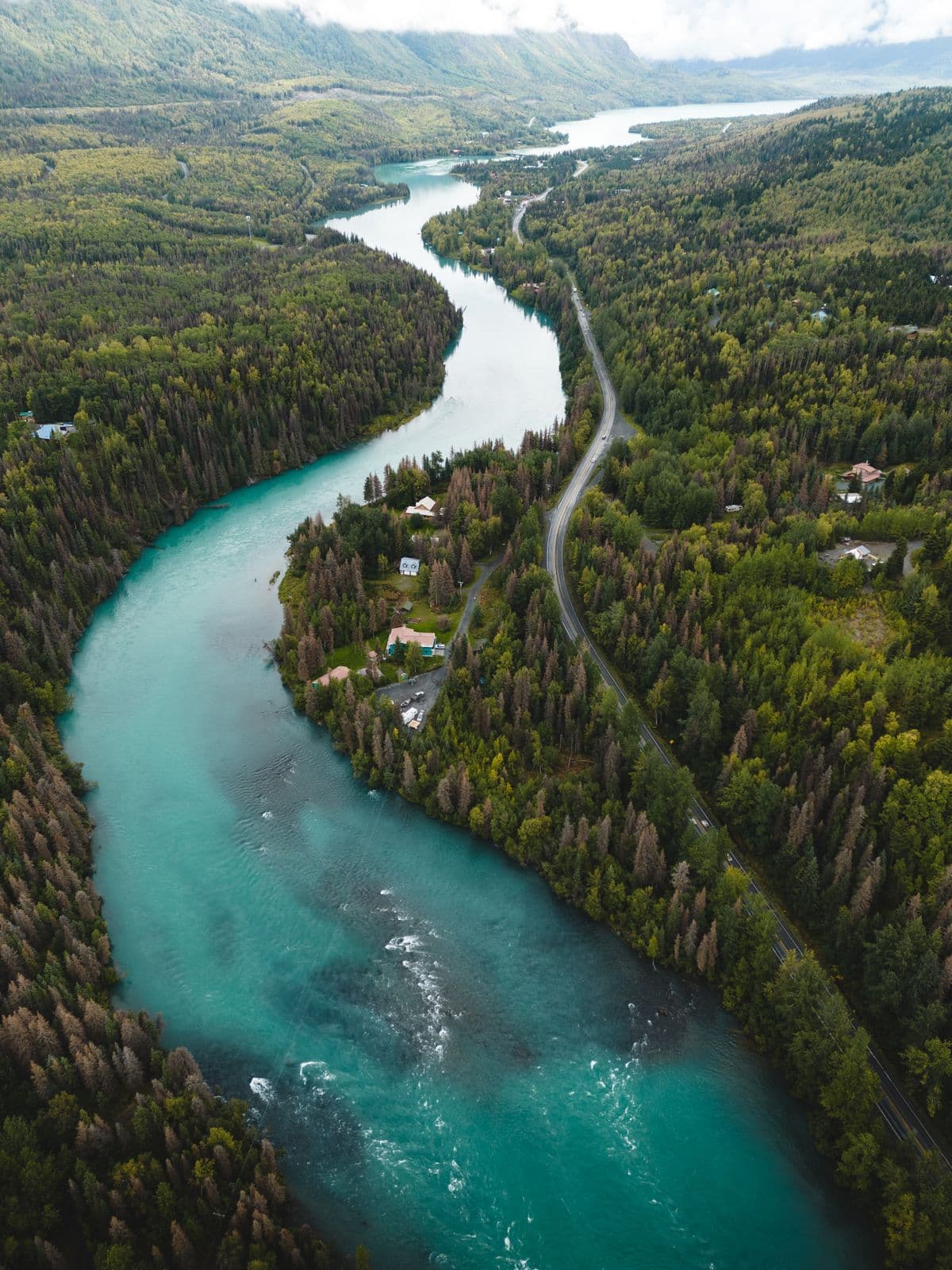
How to Fish the Kenai Peninsula, Alaska: A First-Timer's Guide to Gear, Rigs, and Technique
Saturday, April 18, 2026
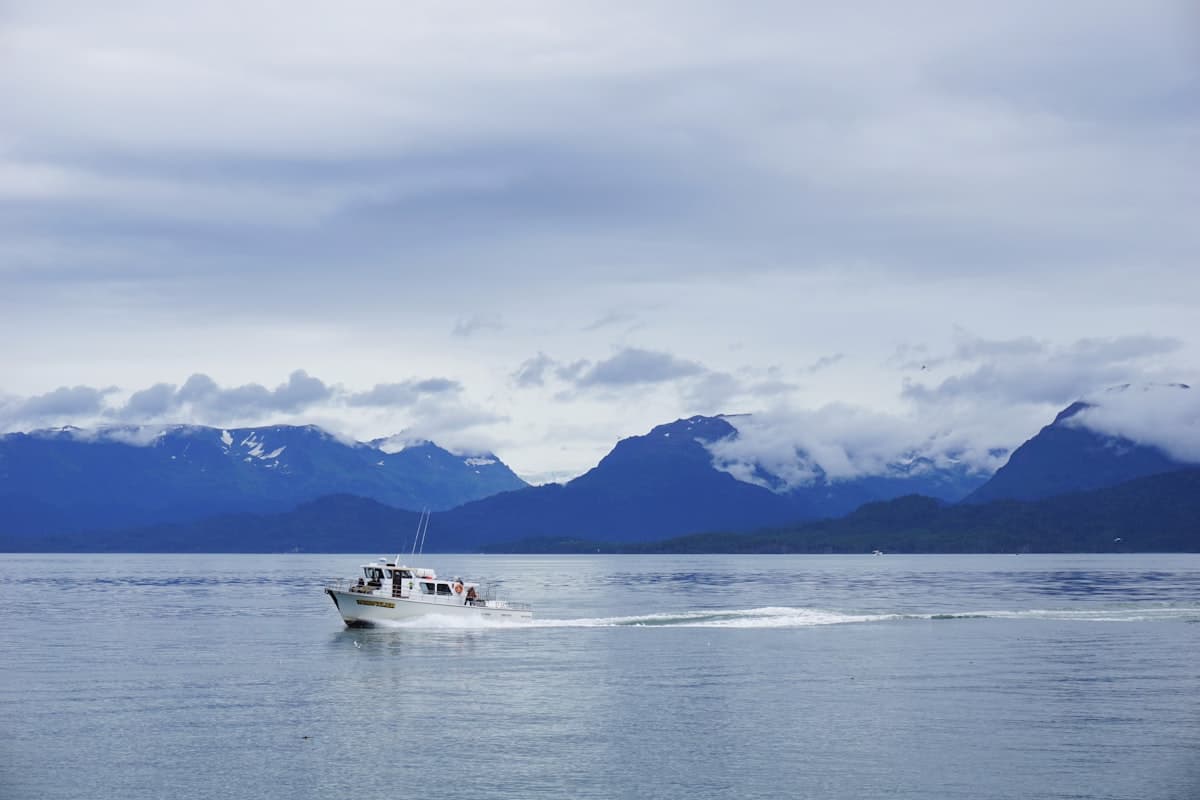
How to Fish Homer, Alaska: A First-Timer's Guide to the Halibut Capital of the World
Monday, April 13, 2026
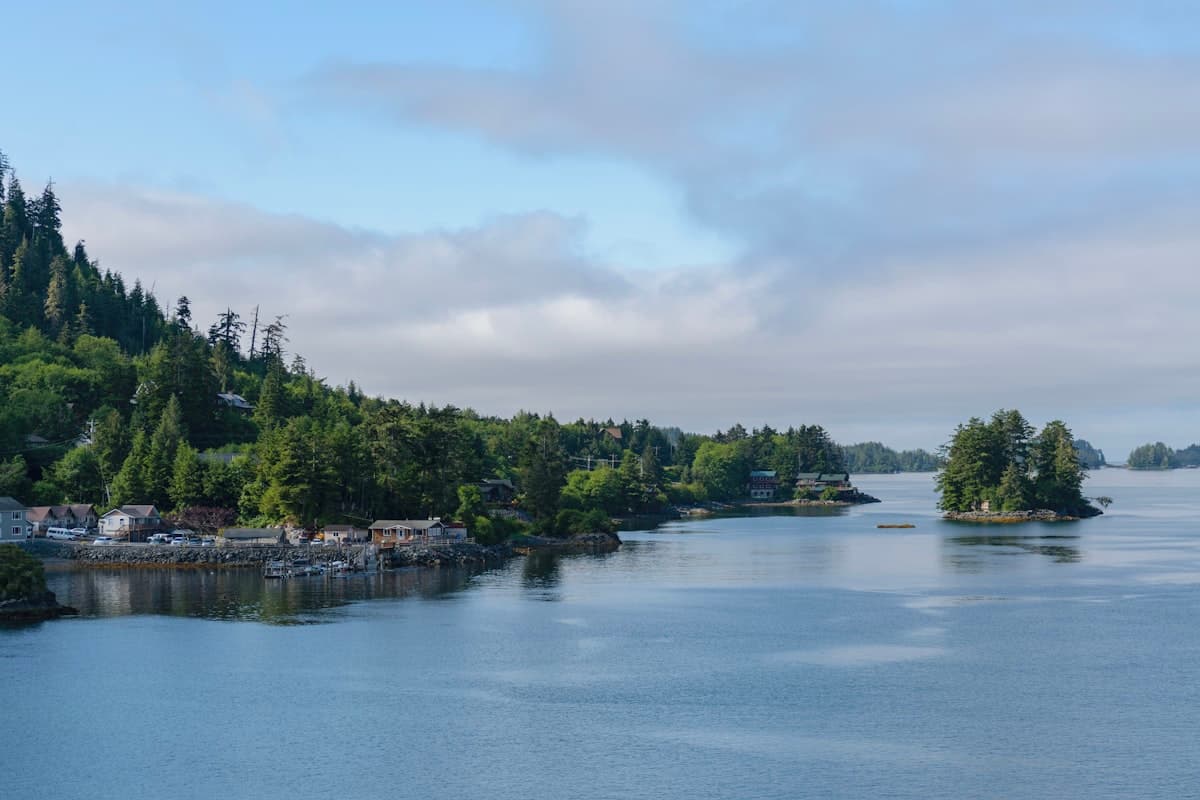
Sitka Fishing: The Highest King Salmon Catch Rate in Alaska and the Sound That Makes It Happen
Monday, January 26, 2026
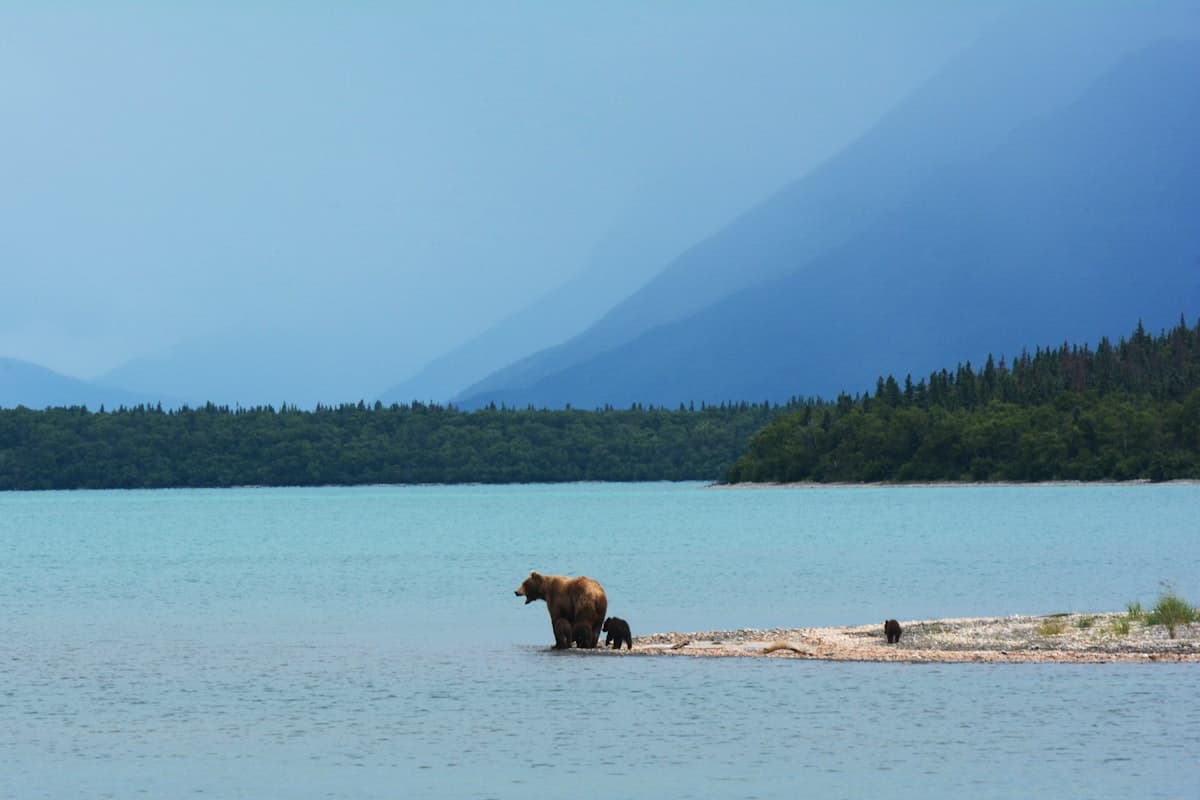
Seward Fishing: Resurrection Bay, Kenai Fjords, and the Silver Salmon Capital of the Kenai Peninsula
Saturday, January 24, 2026
Ketchikan Fishing: The Salmon Capital of the World and Five Species to Prove It
Monday, January 19, 2026
Kodiak Fishing: The Emerald Isle, the Bears, and Fish That Have Never Seen a Lure
Saturday, January 17, 2026