
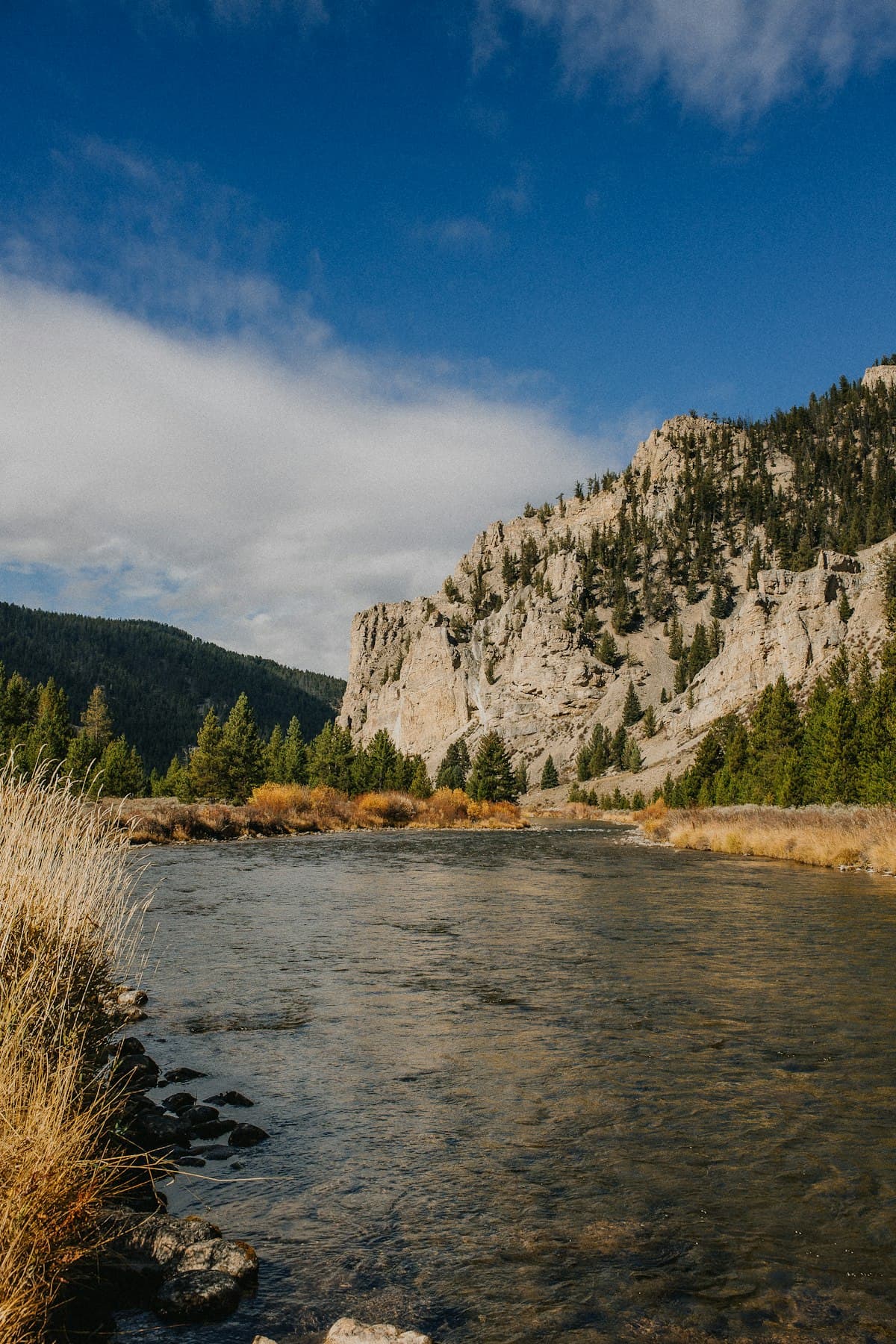
Fly Fishing the Missouri River: The Widest Trout River in Montana, the Longest Hatches, and the Town That Exists Because of Both
The Missouri River below Holter Dam is nearly 100 yards wide in places, holds 5,000 trout per mile, and produces hatches so dense they turn the surface white. Craig, Montana — population 43 — exists entirely because of this water.

The Missouri River below Holter Dam is a different kind of trout river. Where the Madison is fast and narrow, the Mo is wide and slow. Where the Bighorn rewards patience in intimate water, the Mo demands that same patience across a river that's nearly 100 yards wide — a vast sheet of moving water where pods of rising trout are visible at 200 feet but reaching them with a clean cast, a drag-free drift, and the right fly is a puzzle that plays out on a scale most trout rivers can't match.
The Missouri below Holter Dam holds an estimated 5,000 trout per mile across 35 miles of tailwater flowing from the dam through Craig, through the canyon, and down to Cascade. The fish are wild rainbow and brown trout averaging 16 to 18 inches, with fish over 20 inches common enough that a 20-inch rainbow on the Mo is a good fish, not a great one. The truly great fish — the browns over 24 inches that haunt the canyon's deepest lies — are the ones that keep guides and serious anglers coming back season after season.
This is the river that many Montana guides fish on their days off. That tells you everything.
The Water — Why Width Changes Everything
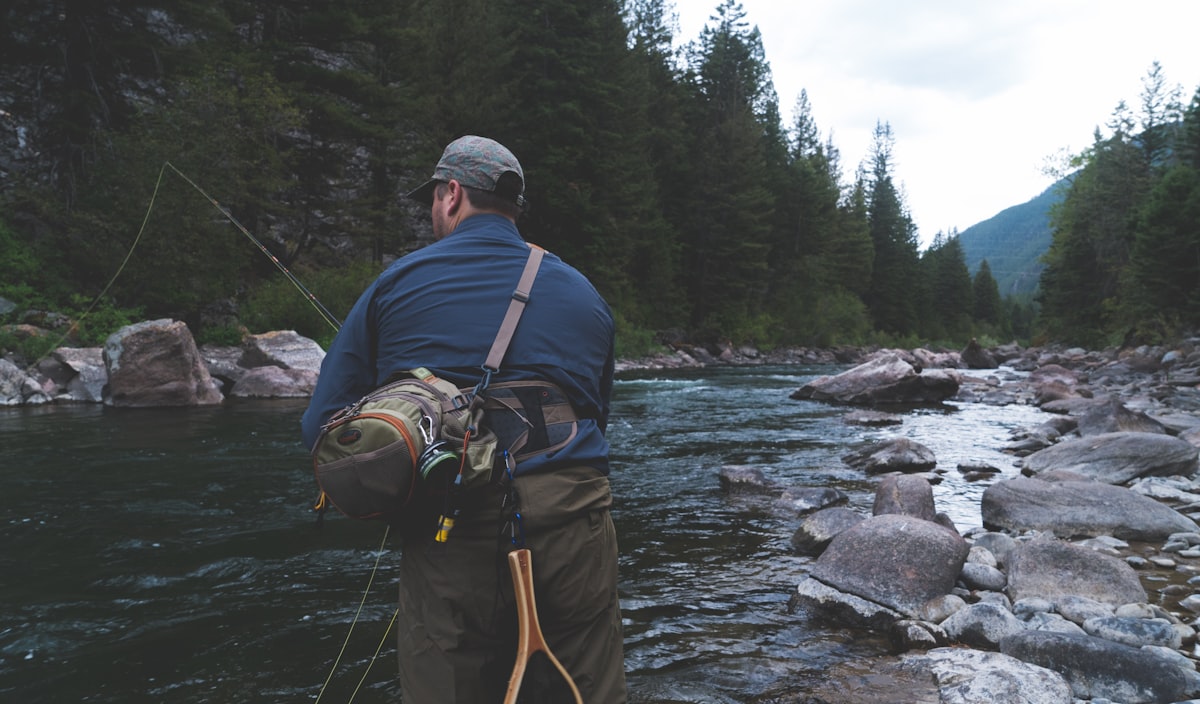
Most trout rivers are narrow enough that you can read the water from one bank — you see the riffle, the run, the pool, the undercut bank, and you know where the fish are. The Missouri is too wide for that. The river spreads across gravel bars, side channels, braided sections, and long, flat tailouts that all look the same from a distance. Finding the fish means reading subtler clues: the slight crease where two current speeds meet, the barely visible weed bed that creates a feeding lane, the pod of risers 80 feet away that's dimpling the surface so gently you'd miss it if you weren't looking.
The width also changes the casting. On the Madison, a 30-foot cast covers most of the productive water. On the Mo, you're regularly casting 50 to 70 feet to reach a pod of rising fish in the middle of a flat — and the cast has to land with enough slack to drift drag-free through the feeding lane before the current catches your line and pulls the fly off course. Long leaders (12 to 15 feet), fine tippet (5X to 6X), and the ability to throw a reach cast are not optional on the Missouri. They're the price of admission.
This is why the Missouri is the river that improves your casting more than any other water in Montana. You can't fake it here. The width exposes every flaw.
The Sections — Holter Dam to Cascade
Holter Dam to Craig (10 miles)
The upper section is the most productive water on the river — the highest trout density, the coldest water, the most consistent hatches. The river here is broad, flat, and relatively shallow, flowing over fine gravel and weed beds that support an extraordinary biomass of aquatic insects.
Wade fishing is excellent in the upper section — the gravel bars and shallow flats allow wading access to water that holds feeding fish. The Wolf Creek Bridge access is one of the most popular wade-fishing spots, where anglers spread across the wide gravel bars and work to pods of rising trout during the morning and evening hatches.
Float trips cover more water and access pods of fish that wade anglers can't reach. The Holter Dam to Craig float (10 miles) is the most popular section on the river — guides row drift boats through the wide flats, pulling over to wade when they spot pods of risers. On a good hatch day in June, you can see fish rising across the entire width of the river, and the guide's job is to position you within casting range of the most actively feeding pod.
The Canyon — Below Craig (15 miles)
Below Craig, the Missouri enters a limestone canyon — towering cliffs, deep runs, and shaded lies that hold the river's largest brown trout. The canyon is dramatic scenery — eagles nesting on the cliff faces, bighorn sheep on the ridges, and the river narrowing through chutes and bends that concentrate current and fish.
The canyon section fishes differently from the upper flats. The water is deeper, the structure is more defined (cliffs, boulders, ledges), and the technique shifts from flat-water dry-fly fishing to a mix of nymphing, streamer work, and dry-fly fishing in the riffles and tailouts. The canyon holds fewer fish per mile than the upper section, but the average size is larger — this is where the 24-inch browns live.
Streamer fishing in the canyon — swinging Woolly Buggers, Sculpins, and articulated streamers along the cliff walls and through the deep runs — produces the Missouri's largest fish. The fall brown trout migration (October through November) concentrates big fish in the canyon, and the streamer fishing during this window is some of the best trophy-brown-trout hunting in Montana.
Cascade Section (10 miles)
Below the canyon, the river opens up again toward Cascade. Warmer water, fewer trout per mile, but less pressure and fish that see fewer flies. The Cascade section is the local's secret — guides who want to avoid the Craig crowds run the lower water and often find better catch rates because the fish are less educated.
The Hatch Chart — Months of Surface Feeding
The Missouri's hatch cycle is the most prolonged of any Montana river — the stable tailwater temperatures support insect activity from March through November, and the hatches overlap in a way that creates continuous surface-feeding opportunities for months at a time.
-
March–April: Skwala stoneflies (#8-10) — the spring surprise. These large, dark stoneflies crawl to the bank before most anglers are thinking about Montana fishing. The Skwala hatch brings the first big dry-fly fishing of the year, and the fish eat the naturals aggressively because they haven't seen a dry fly since November. Stimulator black or olive (#8-10).
-
March–May: Blue Winged Olives (#18-22) — the spring mayfly. BWOs hatch on overcast, drizzly days and bring pods of trout to the surface in the flat water. Sparkle Dun and Parachute Adams in olive (#18-20).
-
May–June: Caddis (#14-18) — the Missouri's caddis hatch is enormous. Tan and olive caddis blanket the water from late April through July, and the trout eat them with abandon. Elk Hair Caddis in tan and olive (#14-16) is the standard match. The evening caddis hatch on the Mo — thousands of caddis bouncing on the surface with trout slashing at them — is one of the great spectacles in Montana fly fishing.
-
June–July: Pale Morning Duns (#14-16) — the summer headliner. The PMD hatch on the Missouri is one of the most celebrated events in Montana fly fishing. Pods of large rainbows rise in the flat water, sipping PMDs with the deliberate, rhythmic rises that dry-fly anglers live for. Sparkle Dun and Comparadun in pale yellow (#14-16). This is the hatch that fills the lodges and books the guides — reserve PMD-season trips by February.
-
July–September: Tricos (#20-24) — the morning spinnerfall. Like the Bighorn, the Missouri produces Trico spinner falls that blanket the water at dawn. The trout rise in pods, sipping the tiny spent spinners off the surface in a feeding rhythm that can last for hours. Technical fishing — tiny flies, fine tippet, long leaders — but the reward is sight-fishing to visible, actively feeding trout in flat water at 50 feet.
-
August–September: Terrestrials — hoppers (#8-12), ants (#16-20), beetles (#14-16). The Mo's grassy banks produce grasshoppers that fall into the water along the edges, and a Chubby Chernobyl or foam hopper drifted against the bank with a Pheasant Tail dropper is the late-summer standard.
-
September–November: Fall BWOs (#18-22) return. October Caddis (#8-10) — large, dark caddis that bring big fish to the surface. Streamer season for canyon browns with Woolly Buggers and Sculpins.
-
Year-round: Midges (#18-24) and sowbugs/scuds (#14-18) are the subsurface constants. Zebra Midge and Hare's Ear cover most nymphing situations between hatches.
The Fly Box
The Missouri fly box spans everything from Skwala dries to Trico spinners — the full range of trout fishing in one river:
Dry flies: PMD Sparkle Dun (#14-16), BWO Comparadun (#18-22), Elk Hair Caddis (#14-16, tan/olive), Parachute Adams (#14-20), Griffith's Gnat (#18-22), Chubby Chernobyl (#8-10), Stimulator black (#8-10, Skwala), Trico Spinner (#20-24), foam hopper (#8-10)
Nymphs: Pheasant Tail (#16-20), Hare's Ear (#14-18), Zebra Midge (#18-22), sowbug (#14-16), scud (#14-18, pink/olive), San Juan Worm (#12-14, red), Ray Charles (#16-20)
Streamers: Woolly Bugger (#4-8, olive/black/white), Sculpzilla (#4-6), articulated streamers for canyon browns
The Gear
Rod: 9-foot 5-weight is the standard — the wide water and long casts favor a rod with enough backbone to throw 50-70 feet of line accurately. A 4-weight works for Trico fishing when you're closer to rising fish. A 6-weight with sink-tip for canyon streamer work.
Leaders: 12 to 15 feet tapered to 5X or 6X for the flat-water dry-fly fishing. The long leader is essential on the Mo — shorter leaders create drag in the flat, slow currents. Go to 7X for Tricos.
Line: Weight-forward floating. The wide water benefits from a line designed for distance casting — SA Amplitude, Rio Gold, or similar. Sink-tip for streamer work in the canyon.
Wading: The Missouri's gravel bottom is relatively easy to wade compared to the Madison's cobblestone, but the width means you're often wading deep to reach productive water. Chest waders are the standard.
The Culture — Craig, Population 43
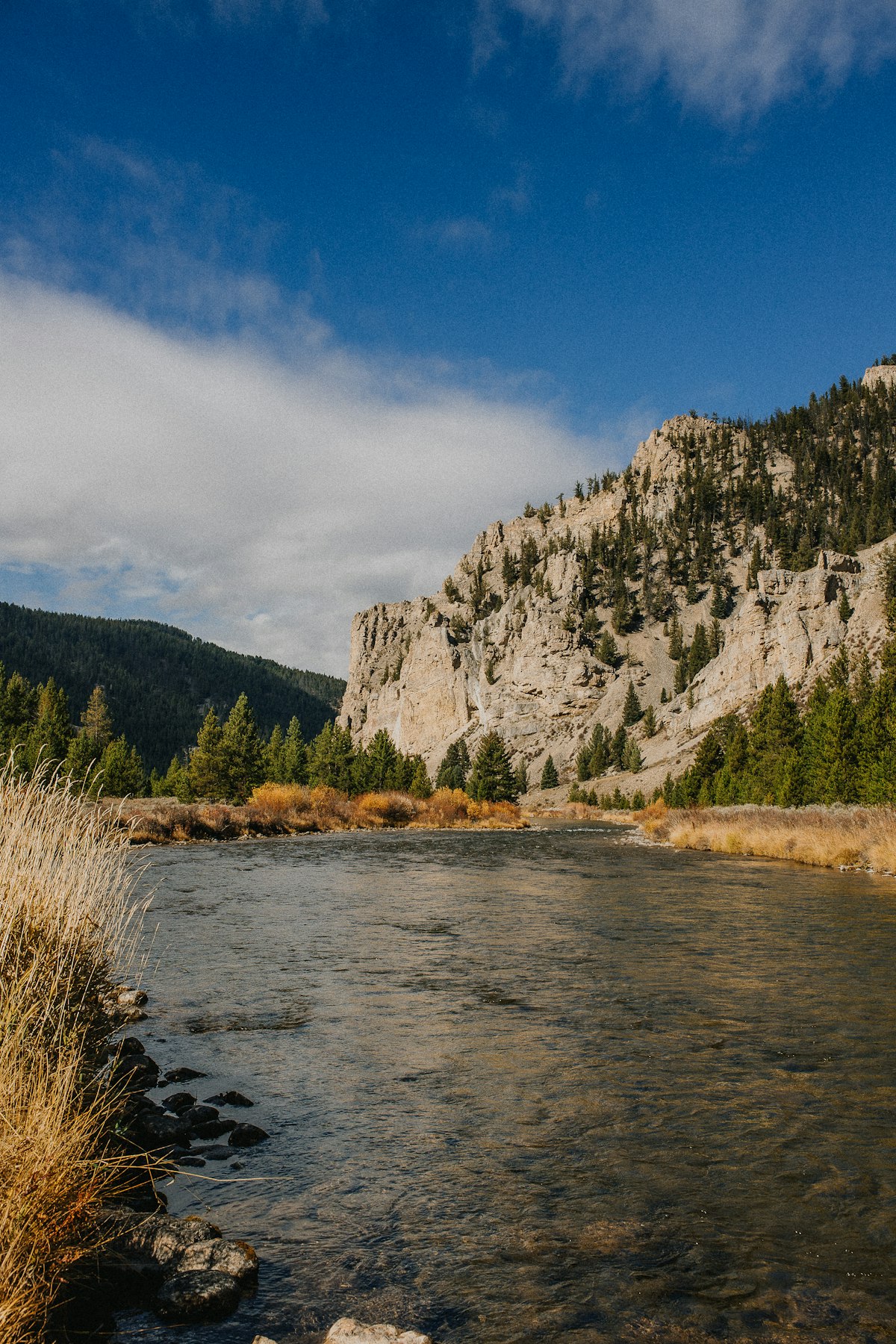
Craig, Montana has a year-round population of 43 people. The town exists because the Missouri River flows past it, and every business in town — every one — is connected to fly fishing. The few buildings along the highway include fly shops, guide services, lodges, and Izaak's — the bar and restaurant that serves as the social center of Missouri River fly fishing, where guides swap stories after the float and anglers relive the day's rises over beer and burgers.
The local fly shops are the anchor — widely regarded as some of the best small fly shops in Montana. The fly selections are curated specifically for the Missouri, the daily fishing reports are the most detailed on any Montana river (they're referenced by guides across the state), and the staff knowledge of the river's hatches, flows, and fish behavior is institutional. Some shops also manage vacation rentals and lodging, making them one-stop operations for Missouri River trips.
Upstream near Holter Dam, another essential shop sits close to the Wolf Creek Bridge access, carrying flies and gear suited for the upper section.
The guide community on the Missouri is large, experienced, and intensely competitive. The Mo's reputation has grown steadily over the past two decades, and the best guides book a year in advance for PMD season. The competition keeps the quality high — Missouri River guides are among the most skilled in the state at the specific challenges this water presents: reading flat water, positioning boats for long casts, and timing the hatches.
What Craig lacks in amenities (there is no grocery store, no gas station, no cell service in parts of the canyon) it makes up for in focus. This is a town built around one river and one pursuit. The fly-fishing culture is pure — no distractions, no pretension, just the water and the fish.
When to Go
- March–April: Skwala hatch — the spring surprise, pre-season solitude, the river waking up
- June–July: PMD season — the premier event, book by February, the river at its best
- July–September: Tricos at dawn, hoppers in the afternoon — the most diverse fishing window
- October–November: Fall streamer season in the canyon — the biggest fish of the year, the quiet season
Top Fishing Guides Nearby
Missouri River guides out of Craig work wide, technical tailwater where 5,000 trout per mile sip PMDs in flat currents — matching the hatch demands long leaders and perfect drifts, then fall brings streamer season in the canyon with the biggest browns of the year.

Pacific Parallax
Craig, AK, US
3.7 (3 reviews)
Pacific Parallax offers premier fishing charters in the pristine waters surrounding Prince of Wales Island, Alaska. Under the leadership of Captain Aaron Bean, a lifelong Alaskan native with deep roots in commercial, charter, and sport fishing, anglers experience expertly guided adventures targeting salmon, halibut, and other prized species. The vessel is outfitted with modern conveniences, including a fully functional marine head, prioritizing angler comfort throughout the day. Captain Bean's extensive regional knowledge and passion for the craft shine through in every charter. Whether seeking an action-packed day on the water or a more relaxed pace, Pacific Parallax tailors each experience to match individual preferences, combining Alaska's world-class fishing opportunities with the natural beauty of Southeast Alaska's remote coastal landscape.

Shelter Cove Lodge
Craig, AK, US
4.8 (58 reviews)
Shelter Cove Lodge brings over 25 years of expertise to guided fishing adventures on Prince of Wales Island in Southeast Alaska. Specializing in king salmon, halibut, lingcod, and rockfish, the lodge conducts expeditions throughout the region's protected waters, where diverse underwater terrain creates ideal conditions for productive fishing. The operation maintains a fleet of commercial-grade aluminum boats designed for safety, comfort, and reliable performance in Alaska's dynamic coastal environment. Guests experience world-class fishing alongside Southeast Alaska's remarkable natural landscape, where abundant wildlife and pristine scenery enhance every outing. Whether targeting a specific species or exploring varied fishing opportunities, anglers discover a professional operation committed to memorable experiences on the water.
Sure Strike Lodge
Craig, AK, US
4.6 (10 reviews)
Sure Strike Lodge is a premier fishing guide service based in Craig, Alaska, on scenic Prince of Wales Island. With years of expertise and deep knowledge of local waters, the lodge specializes in year-round fishing for king salmon, silver salmon, halibut, and bottom fish including lingcod and red snapper. Each trip is thoughtfully timed to seasonal peaks, maximizing opportunities for trophy catches. Sure Strike Lodge welcomes all skill levels, from experienced anglers seeking their next great adventure to families discovering the thrill of Alaskan fishing. The lodge's commitment to personalized service and diverse trip styles ensures every guest receives an unforgettable experience on the water.
Eagle Rock Lodge
Craig, AK, US
5.0 (6 reviews)
Eagle Rock Lodge Eagle Rock Lodge is a family-owned fishing destination nestled on Prince of Wales Island in Southeast Alaska, just south of Craig. The lodge specializes in guided salmon and halibut charters through some of the region's most pristine waters, offering anglers access to world-class fishing opportunities. Guests benefit from a custom-built 40-foot Motion Marine charter boat outfitted with advanced electronics and designed for comfort during full days on the water. Comprehensive packages combine guided charters with on-site lodging, meals, and transportation, creating a seamless experience that allows anglers to focus entirely on the fishing and the remarkable Southeast Alaskan wilderness surrounding them.

Alaska Kingfisher Lodge
Craig, AK, US
5.0 (18 reviews)
Alaska Kingfisher Lodge Since 1994, the Haydu family has welcomed anglers to Alaska Kingfisher Lodge, a premier fishing destination situated on Prince of Wales Island in Craig, Alaska. Positioned in some of the world's most productive salmon and halibut waters, the lodge specializes in guided trips for trophy King Salmon, Silver Salmon, Halibut, and rockfish species. The lodge operates three custom 32-foot charter boats, each captained by experienced USCG licensed professionals who tailor every outing to guests' skill levels and goals. From landing prized catches to preparing them for fine dining, Alaska Kingfisher Lodge crafts a complete Alaskan fishing experience that blends world-class angling with genuine hospitality and attention to detail.
Outer Escape
Craig, AK, US
5.0 (97 reviews)
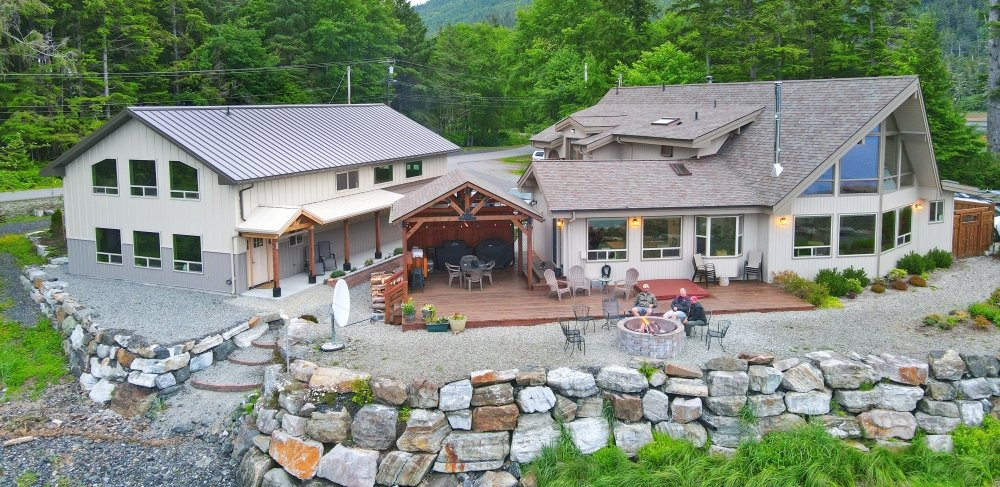
Outer Escape Outer Escape operates from Craig, Alaska, offering fully guided salmon and halibut fishing expeditions in the renowned waters surrounding Prince of Wales Island. Owner Rob Endsley brings unparalleled expertise to every trip—a retired river guide and accomplished charter captain with over two thousand days on the water and recognition as one of the West Coast's premier salmon and steelhead guides. Whether planning an intimate outing or group adventure, Outer Escape delivers authentic Alaskan fishing experiences tailored to clients of all backgrounds. The operation takes full advantage of Prince of Wales Island's exceptional fishing grounds, combining Rob's deep knowledge of local waters with a genuine commitment to creating memorable days on the water.
Frequently Asked Questions
How many trout does the Missouri River hold?
An estimated 5,000 trout per mile across 35 miles of tailwater below Holter Dam. The fish are wild rainbow and brown trout averaging 16 to 18 inches. Fish over 20 inches are common, and browns over 24 inches hold in the canyon section below Craig.
Why is the Missouri River so wide?
The Missouri below Holter Dam spreads to nearly 100 yards wide in the upper section — far wider than most trout rivers. This width creates unique challenges: long casts (50-70 feet), long leaders (12-15 feet), and the ability to read subtle surface clues from distance. It's the river that improves your casting more than any other in Montana.
When is the PMD hatch on the Missouri?
June through July. Pale Morning Duns hatch in the flat water and bring pods of large rainbows to the surface in deliberate, rhythmic rises. It's the most celebrated hatch event on the Missouri. Book guided trips by February — PMD season fills fast.
What is Craig, Montana like?
Craig has a year-round population of 43. Every business is connected to fly fishing — fly shops, lodges, and Izaak's bar where guides and anglers swap stories. There's no grocery store, no gas station, and limited cell service. It's a town built entirely around the Missouri River.
How is the Missouri different from the Madison and Bighorn?
The Madison is fast and narrow (the 50-Mile Riffle sprint). The Bighorn is slow and intimate (the 13-mile chess match). The Missouri is wide and expansive — a river that demands long casts across open water to reach pods of rising fish. Each is a different discipline of fly fishing.
Related Articles
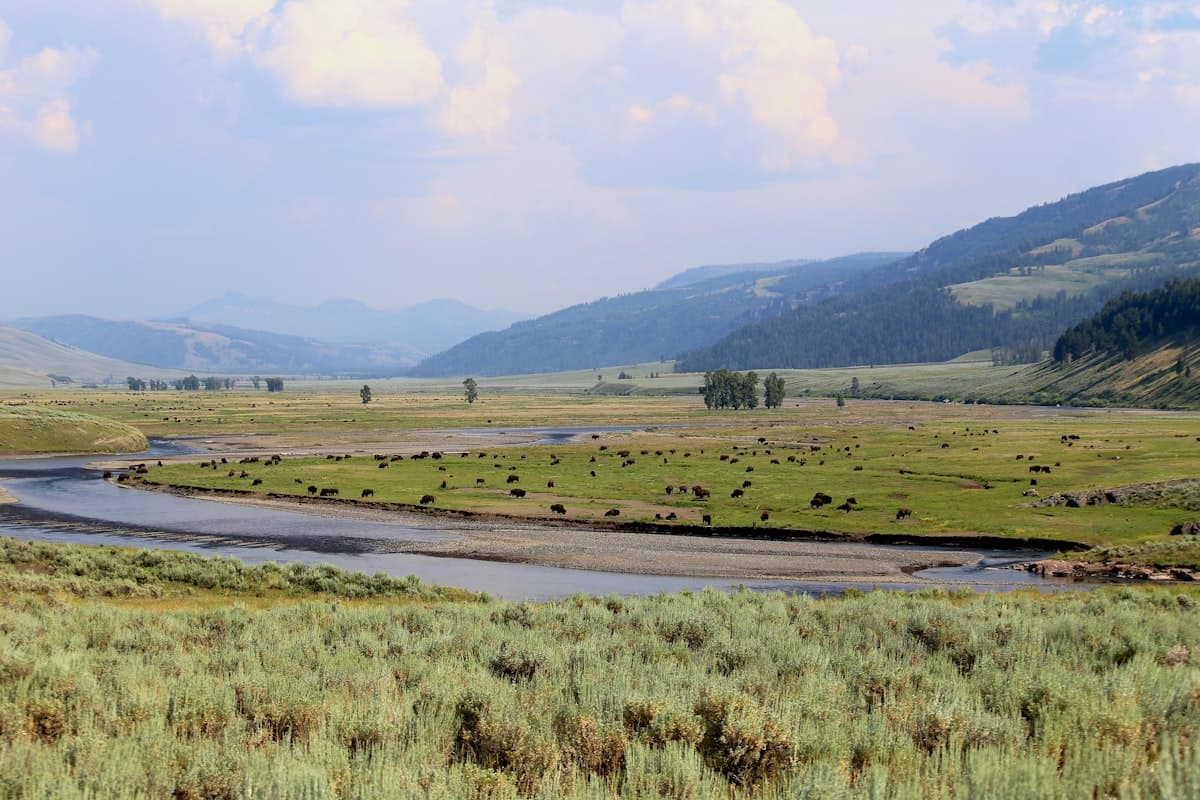
Fly Fishing the Madison River: The 50-Mile Riffle, the Salmonfly Hatch, and the River That Defined Western Fly Fishing
Tuesday, February 24, 2026
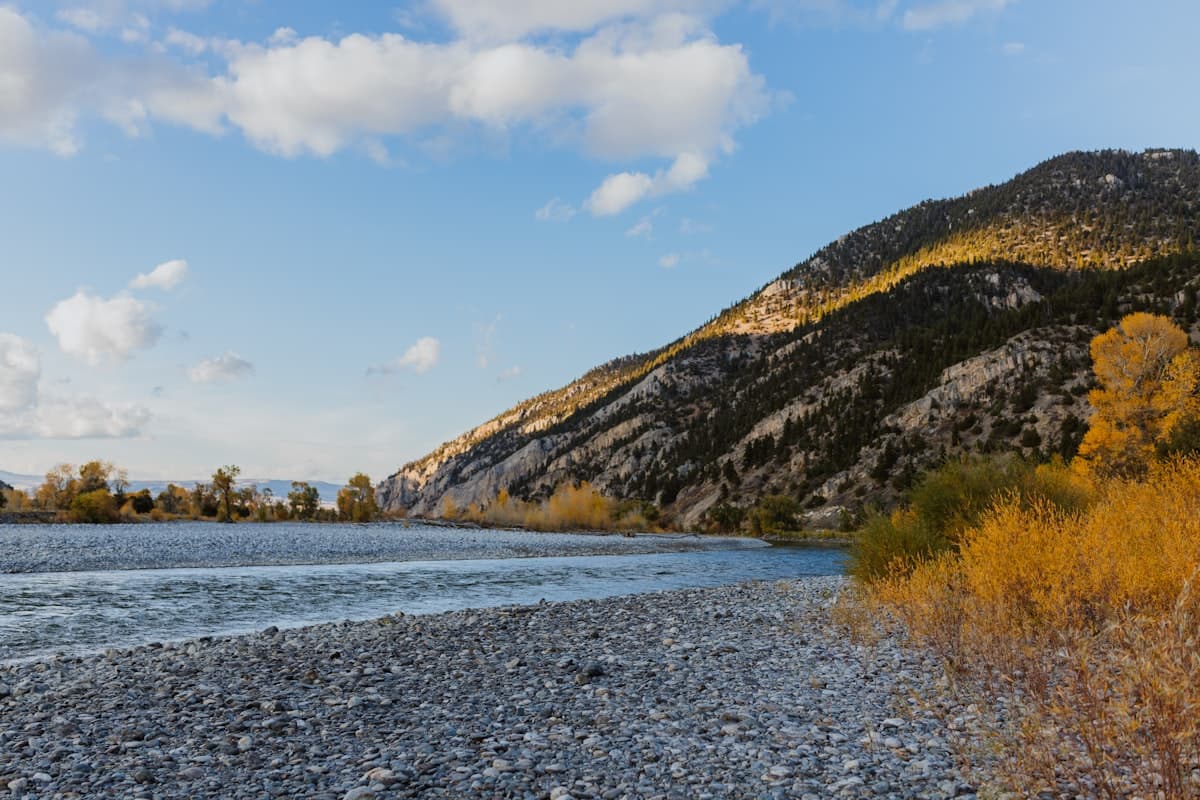
Fly Fishing the Bighorn River: The Technical Tailwater, the Trico Dawn, and the 13 Miles That Reward Patience
Friday, February 20, 2026
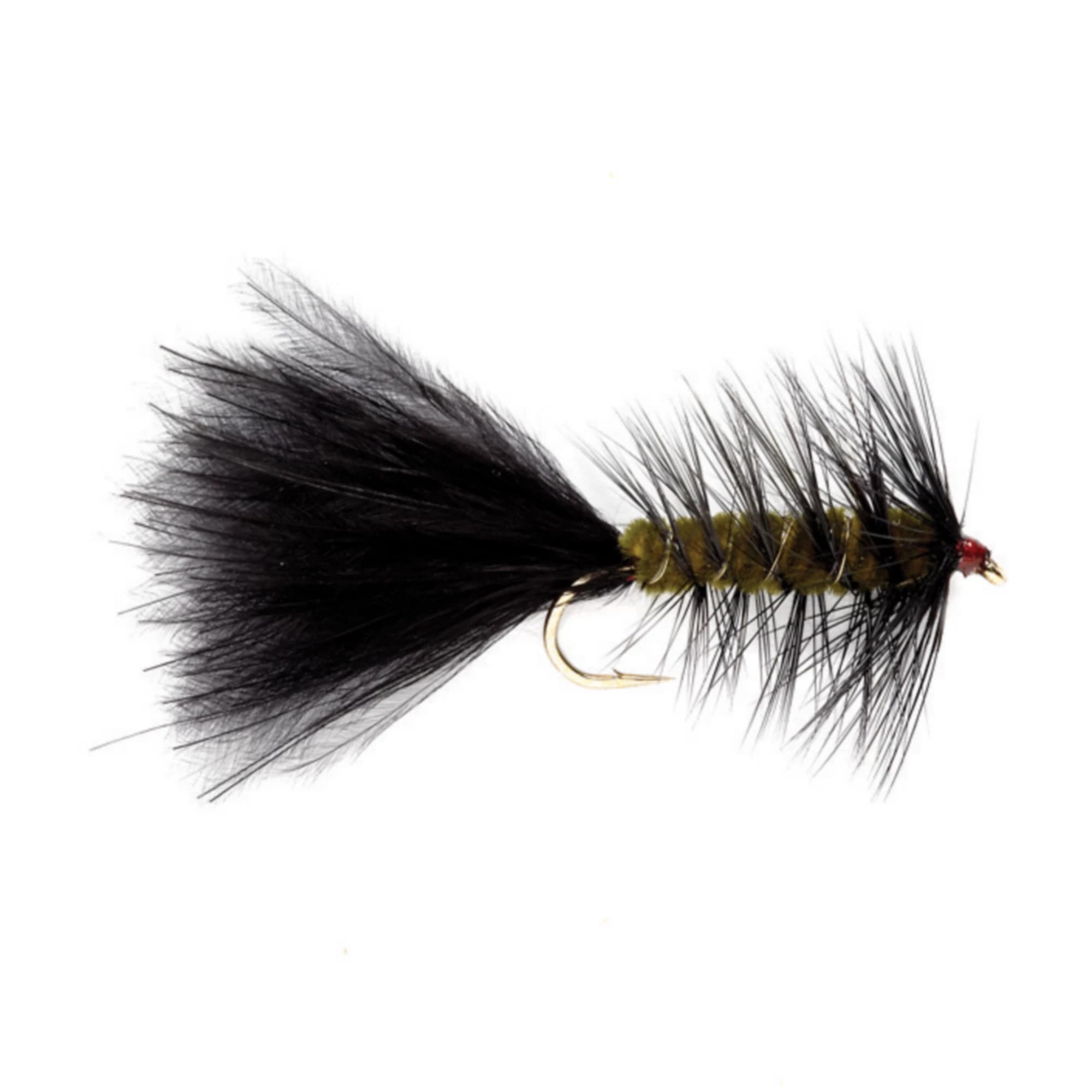
The Woolly Bugger: How to Tie the Fly That Catches Everything That Swims
Friday, April 17, 2026
 ™
™