
Fly Fishing the Madison River: The 50-Mile Riffle, the Salmonfly Hatch, and the River That Defined Western Fly Fishing
The Madison River is the most famous trout river in America — 183 miles of water that flows from Yellowstone National Park through the 50-Mile Riffle, past the town of Ennis, and into fly-fishing legend. Here's the section-by-section guide with hatches, flies, and the gear to fish it.

The Madison River begins where the Firehole and Gibbon Rivers merge inside Yellowstone National Park, and from that confluence it flows 183 miles northwest through the Madison Valley, past the town of Ennis, through Bear Trap Canyon, and into Three Forks where it joins the Jefferson and Gallatin to form the Missouri. Along the way, it passes through what many anglers consider the finest trout water in the American West.
The Madison is not one river. It's four — each section with its own character, its own fish, its own technique, and its own hatches. Understanding which section to fish, and when, is the difference between a legendary day and a frustrating one.
Inside Yellowstone — Where It Begins
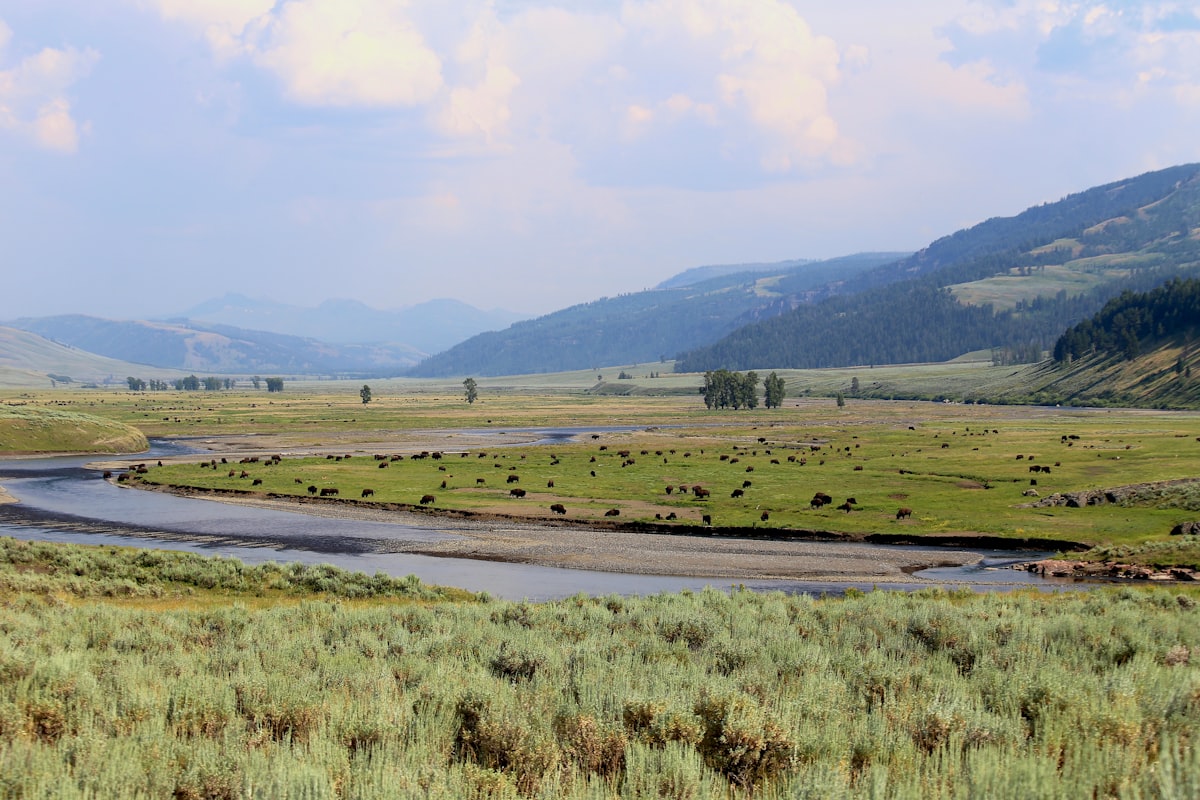
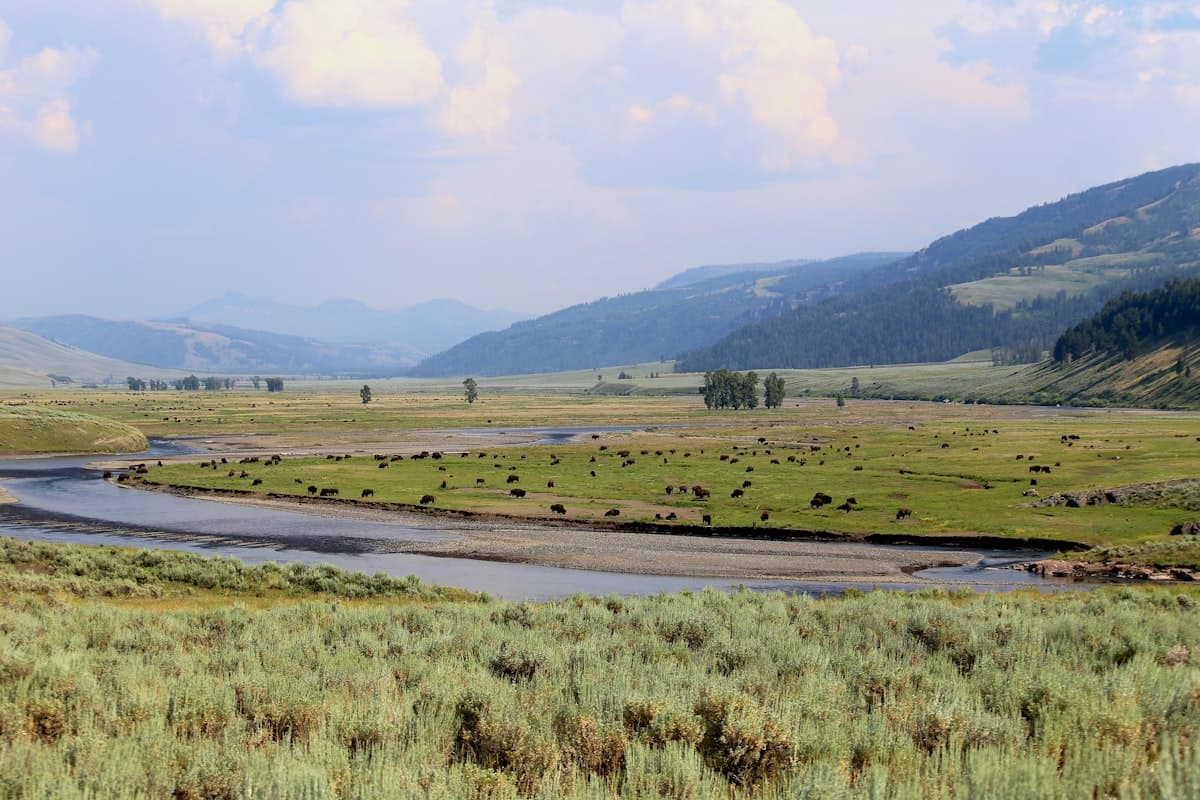
The Madison inside Yellowstone National Park runs nine miles from the Firehole-Gibbon confluence to Hebgen Lake. This is the park's most accessible river — Highway 191 parallels it, pullouts dot the road, and the wading is straightforward on a broad, shallow gravel bottom.
The fish here are wild rainbow trout and brown trout, averaging 12 to 16 inches with fish over 18 in the deeper runs and undercut banks. The park section fishes differently from the water below because it's thermally influenced — the Firehole River brings warm, mineral-rich water from Yellowstone's geothermal features, which supports a unique insect community and keeps the water fishable earlier in spring and later in fall than the freestone water downstream.
The park Madison is wade-fishing water. No boats are allowed. You park at a pullout, walk to the river, and work upstream through the riffles and runs. The standard rig is a dry-dropper — an Elk Hair Caddis or Stimulator on top with a Pheasant Tail or Hare's Ear dropper — though the dry-fly fishing during hatches (caddis, PMDs, BWOs) is excellent and doesn't require a dropper at all.
Best season: June through October after park roads open. The park section fishes well in September and October when crowds thin and fish feed aggressively before winter.
The Upper Madison — The 50-Mile Riffle
The Upper Madison from Quake Lake (below Hebgen Dam) to Ennis Lake is the water that made the Madison famous. Known as the 50-Mile Riffle (some call it 60), this stretch is a continuous series of riffles, runs, and pocket water flowing through the broad, open Madison Valley with the Madison Range rising to the east and the Tobacco Root Mountains to the west.
The name isn't hyperbole. The Upper Madison is genuinely one long riffle — the gradient drops the river through a relentless sequence of shallow, fast water over a cobblestone bottom that creates ideal trout habitat from bank to bank. There are no long, slow pools. There are no flat tailouts to rest in. The river just keeps moving, and the trout hold behind every rock, in every seam, in every depression in the bottom.
Rainbow trout dominate the Upper Madison — wild fish averaging 14 to 18 inches that hold in the fast water and eat aggressively. Brown trout live here too, generally in the deeper runs and along the banks, and they grow larger on average than the rainbows. Mountain whitefish are abundant and provide reliable action on nymph rigs year-round.
The Salmonfly Hatch — The Main Event
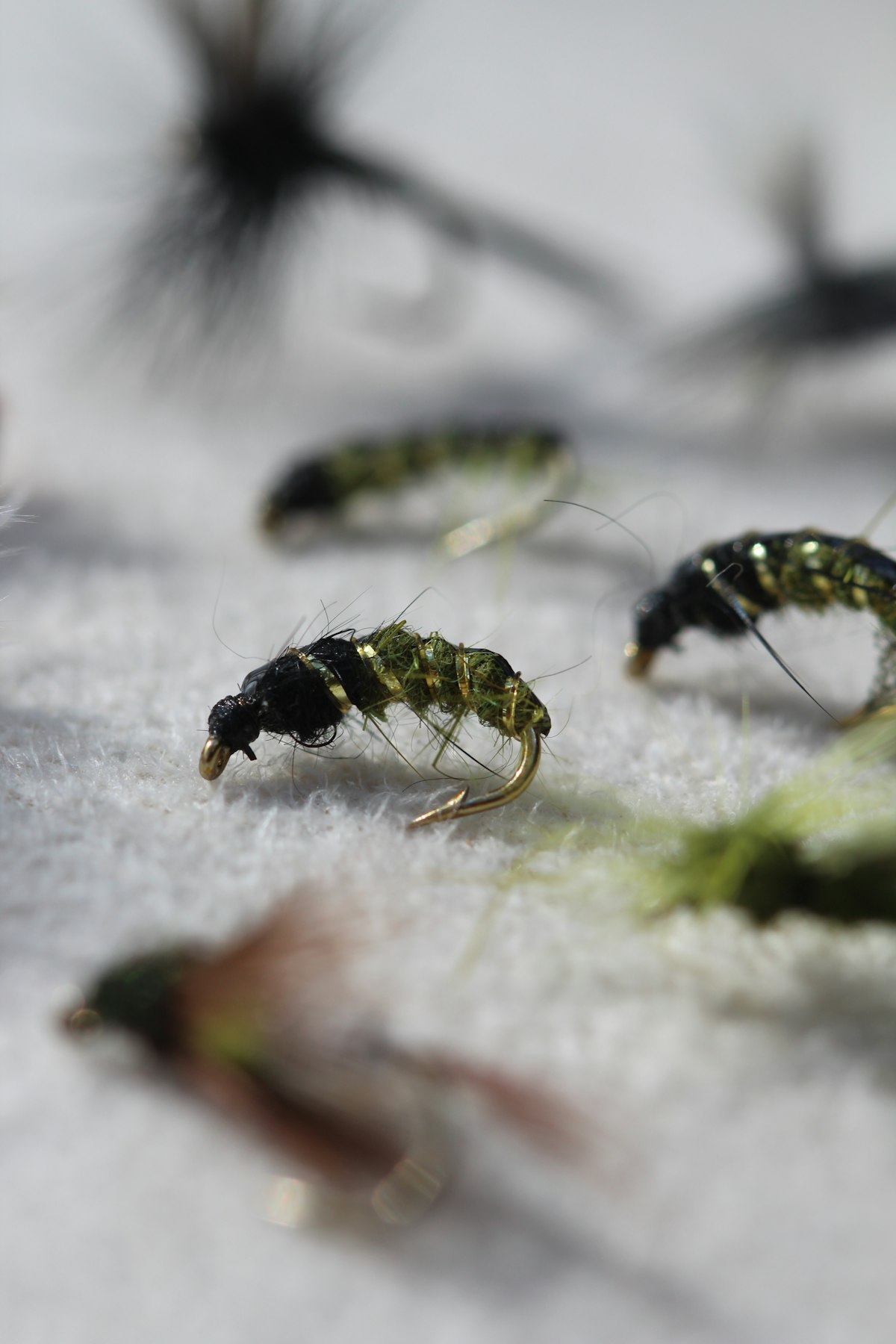
The salmonfly hatch is the single most anticipated event on the Madison River — and arguably in all of Western fly fishing. Pteronarcys californica — the giant stonefly, three to four inches long, with an orange body and dark wings — emerges from the river bottom in mid-June and crawls to the bank to hatch. For two to three weeks, salmonflies carpet the riverside vegetation, fall into the water, and the trout go absolutely haywire.
Fish that have been eating size 16 nymphs for months suddenly have a size 4 protein bomb landing on the surface. The strikes are violent, visible, and loud — a 20-inch rainbow crashing a salmonfly imitation in a foot of water is one of the most dramatic moments in fly fishing. The hatch moves upstream over the course of two to three weeks, starting near Quake Lake in mid-June and progressing south toward West Yellowstone by early July. Anglers follow the hatch upstream, fishing the "front" — the leading edge where fresh bugs are hitting the water and the fish haven't yet gorged themselves.
Flies for the salmonfly: Chubby Chernobyl Pteronarcys (#4-6), Stimulator Orange (#4-6), Sofa Pillow (#4-6), Pat's Rubber Legs (#4-8) as a nymph pre-hatch.
Golden stoneflies follow the salmonflies by a week or two — smaller (#6-10) but just as effective at bringing fish to the surface. The golden stone hatch extends the big-bug fishing through late June and into July. Gold Stimulators and Chubby Chernobyls in #6-8 cover this hatch.
The Mother's Day Caddis
Before the stoneflies, the Mother's Day Caddis (Brachycentrus) blankets the lower sections of the Upper Madison in late April through May. The caddis are olive-bodied, size 14-16, and they hatch in numbers that turn the surface into a feeding frenzy. It's the first major dry-fly event of the year, and it can produce the fastest fishing of the entire season. An olive Elk Hair Caddis in #14-16 is the standard match.
The Full Hatch Chart
- Late April–May: Mother's Day Caddis (#14-16) — olive Elk Hair Caddis. The season opener.
- Mid-June–early July: Salmonflies (#4-6) and Golden Stoneflies (#6-10). Chubby Chernobyl, Stimulator, Pat's Rubber Legs.
- Late June–July: Pale Morning Duns (#14-16). Sparkle Dun, Parachute Adams.
- July–September: Caddis (#14-16) continues. Terrestrials — hoppers (#8-10), ants (#16-18), beetles (#14-16). The hopper-dropper rig takes over.
- August–September: Hopper season. Foam hoppers, Chubby Chernobyl tan (#8-10) with a Pheasant Tail or Zebra Midge dropper.
- October–November: BWOs (#18-20), streamer season. Woolly Buggers and Sculpins for fall browns.
- Year-round: Nymphing with Pheasant Tail, Hare's Ear, and stonefly nymphs produces fish every month.
The Float Trip
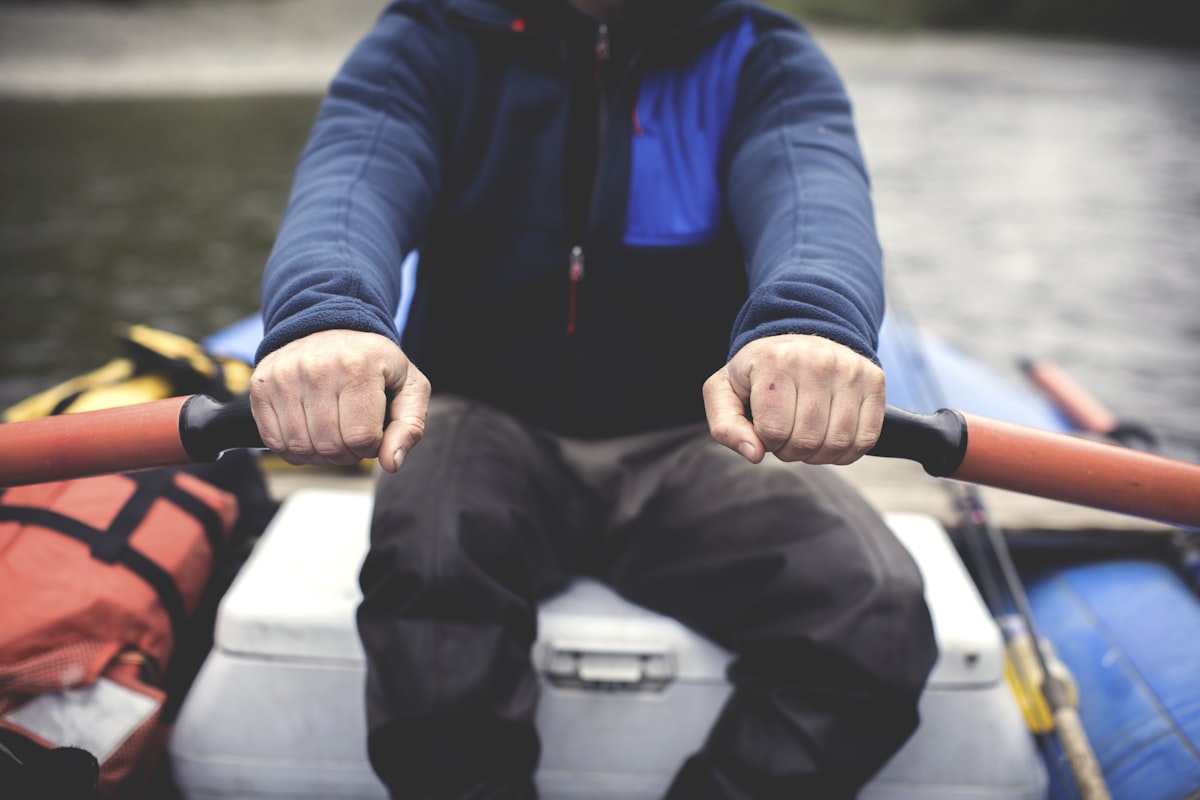
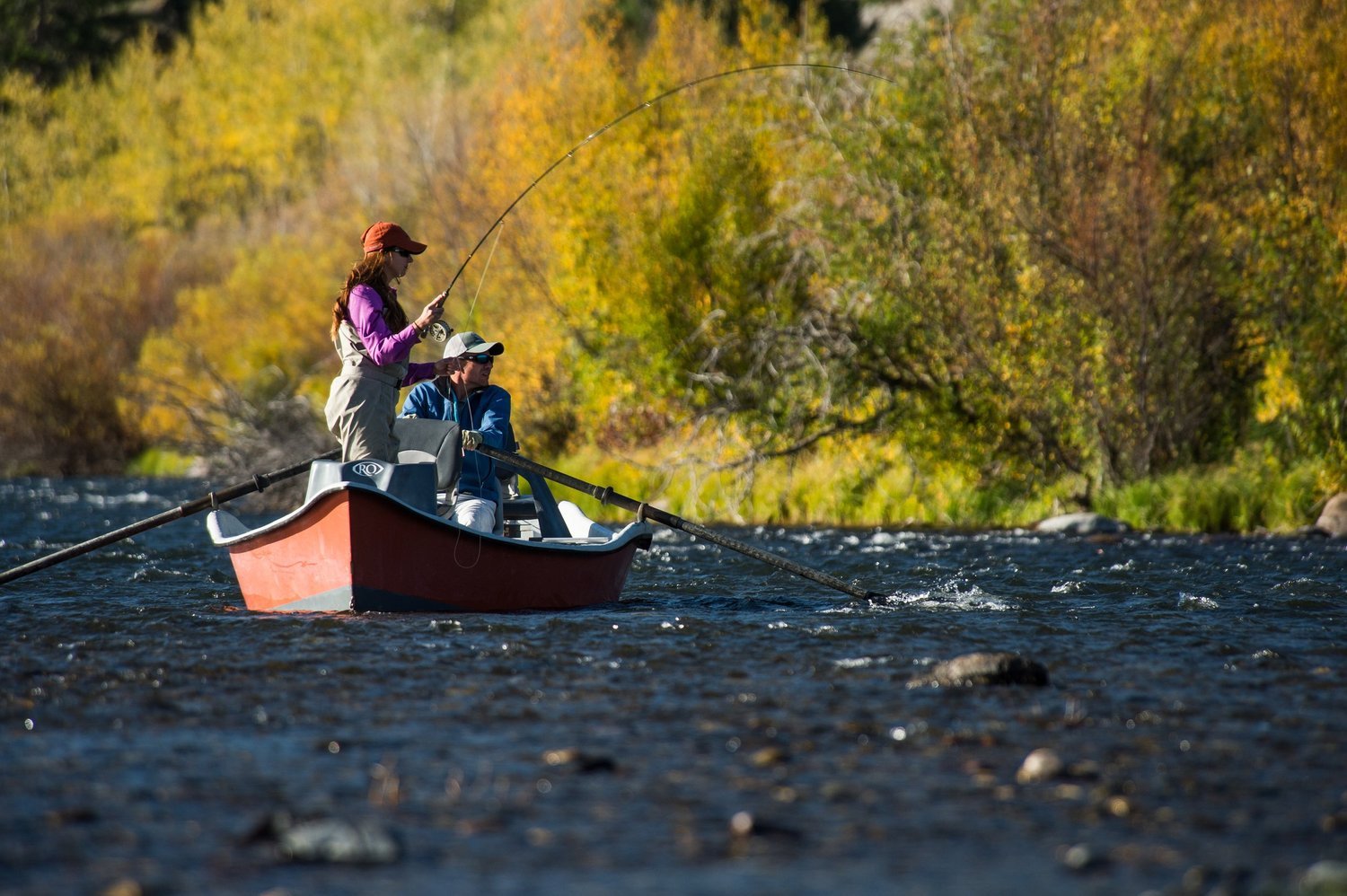
The Upper Madison is primarily float-trip water. The 50-Mile Riffle is too long and too consistent to cover effectively on foot — you'd fish a few hundred yards of a river that holds fish for 50 miles. A drift boat lets the guide row you through mile after mile of productive water, stopping to wade the best runs and covering enough river to find where the fish are most active.
Standard floats run 8 to 12 miles per day, with the guide rowing through the riffles and the anglers casting to both banks. The guide calls the water — "bank right, overhanging grass, 30 feet" — and the angler puts the fly in the strike zone. On a good float during hopper season, you're casting to the bank 500 times a day, and the fish eat 30 to 50 of those presentations.
Popular float sections include Lyons Bridge to Varney Bridge (the most popular and productive), Varney to Ennis (less crowded, more technical), and Quake Lake to Lyons (wilderness float through the upper canyon).
Wade fishing is also productive — particularly at access points like Three Dollar Bridge, Palisades, McAtee Bridge, and Ennis Bridge. Wade anglers work the riffles and runs near these access points, which receive less pressure from drift boats.
The Gear
Rod: 9-foot 5-weight is the Madison standard — versatile enough for dry flies, hopper-dropper rigs, and light nymphing. Step up to a 6-weight for streamer fishing in fall or during heavy wind (the Madison Valley is notoriously windy).
Leaders: 9 feet tapered to 3X or 4X for dry flies and hopper-dropper rigs. The Madison's riffle water is forgiving — you don't need the long, fine leaders that spring creek fishing demands. Go to 5X for PMDs and BWOs.
Line: Weight-forward floating. Sink-tip for fall streamer fishing.
Wading: The Madison's cobblestone bottom is slippery. Felt soles provide the best grip (still legal in Montana). A wading staff is recommended in the faster runs. The river is wadeable in many sections but the current is powerful — don't underestimate it.
Bear Trap Canyon — The Wild Section
Below Ennis Lake, the Madison enters Bear Trap Canyon — a designated wilderness area where the river drops through a narrow, steep-walled canyon with Class IV-V rapids. This is NOT float-trip water for fishing (it's a whitewater run), and the wade fishing access is limited to a few trails from above.
Bear Trap Canyon holds large brown trout that see almost no fishing pressure because the access is so difficult. The fish average 16 to 20 inches, with browns over 24 in the deepest pools. Anglers willing to hike into the canyon are rewarded with uncrowded water and big fish — but the canyon is remote, steep, and physically demanding.
The Lower Madison — Three Forks
Below Bear Trap Canyon, the Madison flows through the broad valley toward Three Forks. The Lower Madison is warmer, slower, and holds different fish — brown trout dominate, growing large in the deeper, slower water. Streamer fishing with Woolly Buggers and sculpin patterns is the primary technique on the lower river, and the fall brown trout migration (October-November) produces some of the largest fish on the entire Madison system.
The Lower Madison is less famous than the Upper, which is an advantage — less pressure, more elbow room, and fish that haven't seen as many flies.
The Culture — Ennis and the Madison Valley
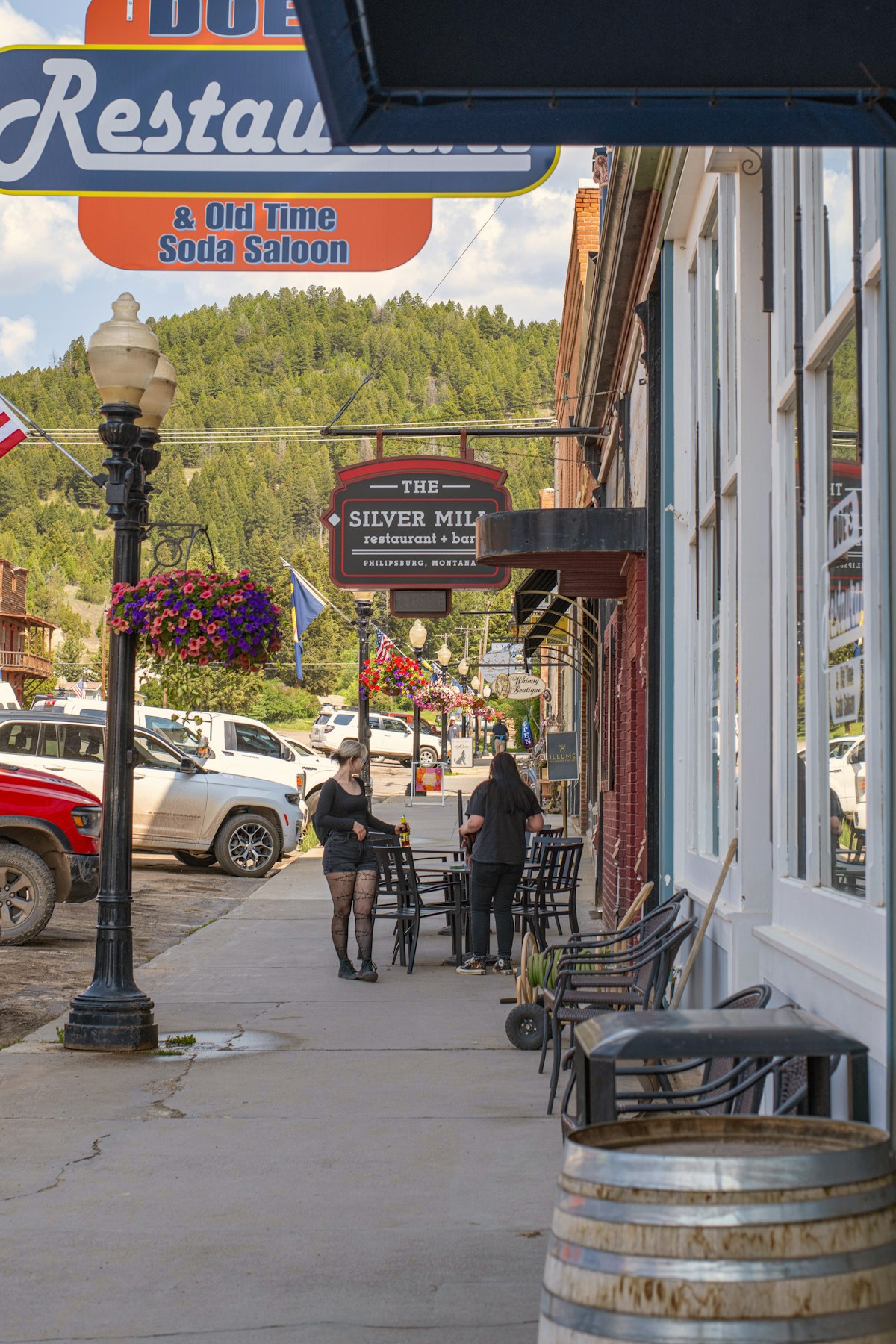
Ennis is a town of 1,000 people that exists, in large part, because of the Madison River. The main street runs one block, the fly shops outnumber the banks, and the economy runs on tourism and fishing from May through October. The University of Montana once described Ennis as the "fly fishing mecca of Montana," and it's hard to argue.
The oldest fly shop on Main Street is the center of Ennis fishing culture — daily fishing reports, local fly recommendations, and the kind of accumulated knowledge that only comes from decades in the same spot. The fly shops in West Yellowstone anchor the upper end of the valley.
The Madison Valley guide community is one of the largest in Montana. During peak season, dozens of drift boats launch daily from the access points between Quake Lake and Ennis. The competition keeps the guiding quality high — Madison River guides are among the most experienced and skilled in the state.
Ennis sits in what locals call the Golden Triangle of Montana fly fishing — the Madison, the Yellowstone (through Livingston), and the Gallatin (through Bozeman) are all within an hour's drive. A week based in Ennis can fish three of the most famous trout rivers in the world without changing hotels.
When to Go
- Late April–May: Mother's Day Caddis — the first explosive dry-fly fishing of the year
- Mid-June–early July: Salmonfly hatch — the main event, follow the hatch upstream
- July–September: PMDs, hoppers, caddis — peak float-trip season, the most consistent fishing
- October–November: Fall streamer season for big browns, BWOs, the quiet shoulder season
Top Fishing Guides Nearby
Madison River guides live for the salmonfly hatch — wading the 50-Mile Riffle with big dries while trout slash at stoneflies, then shifting to hopper-dropper rigs through the riffled pocket water that makes this river one of the most consistent producers in Montana.

Discover Montana Outfitting
Ennis, MT, US
5.0 (8 reviews)
Discover Montana Outfitting Led by guide Mike Elliott, Discover Montana Outfitting specializes in fly fishing experiences across Southwest Montana's premier waterways. With over a decade of guiding experience, Mike brings deep expertise to the Madison River and surrounding waters, tailoring each trip to match clients' skill levels and goals. His personalized approach ensures both seasoned anglers and newcomers enjoy memorable days on the water. Based in Ennis, Montana, this outfitting service combines local knowledge with genuine passion for the region's natural landscapes. Whether pursuing a serene float down classic trout waters or exploring less-traveled sections, clients benefit from Mike's intimate understanding of seasonal patterns and productive techniques. Every trip reflects a commitment to creating authentic outdoor experiences in one of the country's most celebrated fly fishing destinations.
Madison River Fly Fishing
Ennis, MT, US
4.9 (174 reviews)
Madison River Fly Fishing, led by experienced outfitter Rob Kessler, specializes in guided fly fishing trips on the renowned Madison River near Ennis, Montana. Drawing on deep local knowledge of Southwest Montana's premier waters, Rob provides anglers access to some of the region's most productive fishing grounds, with expertise targeting the diverse species that thrive in this classic tailwater. Whether planning a half-day outing or a more immersive fishing adventure, Madison River Fly Fishing tailors each trip to accommodate different schedules and skill levels. Both novice and seasoned fly fishers benefit from personalized instruction and insider knowledge that transforms a day on the water into a truly memorable experience on one of the West's finest rivers.

Wild Ace Outfitters
Ennis, MT, US
5.0 (5 reviews)
Wild Ace Outfitters is a premier fly fishing guide service based in Ennis, Montana, specializing in the region's most productive waters: the Madison River, Jefferson River, Yellowstone River, and Ennis Lake. The team brings extensive experience to every outing, expertly guiding both beginners discovering fly fishing for the first time and seasoned anglers seeking to refine their skills. Beyond traditional summer fishing trips, Wild Ace Outfitters distinguishes itself by offering unique ice fishing adventures during winter months, extending the season year-round. Each expedition is thoughtfully personalized to match individual skill levels, preferences, and goals, ensuring a fun and relaxing experience whether clients are casting streamers in summer currents or exploring frozen lake opportunities. The guides are dedicated to creating memorable outings tailored to every angler's needs.

Riis Outfitters
Ennis, MT, US
4.5 (8 reviews)
Riis Outfitters brings decades of local expertise to fly fishing on Montana's most celebrated waters. Based in Ennis, the outfit specializes in guided trips along the Madison, Yellowstone, and Gallatin Rivers, welcoming anglers from beginners to seasoned fly casters. Their guides combine intimate knowledge of these productive streams with a genuine passion for helping clients connect with world-class trout fishing. Beyond the river, Riis Outfitters extends its versatility to guided duck hunts, making it a complete outdoor destination. Whether pursuing a half-day float or committing to a full day of exploration, guests experience the same dedication to personalized service and outdoor excellence that has defined the operation's reputation throughout southwest Montana.

Edge Outfitting
Ennis, MT, US
4.9 (38 reviews)
Edge Outfitting is a premier fly fishing guide service based in Ennis, Montana, specializing in the world-class waters of the Upper Madison River and Ennis Lake. Their team of experienced guides brings deep, year-round knowledge of these renowned fisheries, translating local expertise into memorable days on the water. Whether pursuing native cutthroat and brown trout or exploring seasonal opportunities, clients benefit from guides who live and fish these waters daily. Committed to sustainable practices, Edge Outfitting balances exceptional fishing experiences with stewardship of the region's natural resources. The outfitter takes pride in sharing their passion for fly fishing while ensuring these pristine waters thrive for generations to come.

Rainbow Valley Lodge Madison River Guide Service
Ennis, MT, US
5.0 (68 reviews)
Rainbow Valley Lodge's Madison River Guide Service, based in Ennis, Montana, brings nearly three decades of expertise to the water. Mike Treloar and his team of seasoned guides specialize in locating prime trout habitat across some of the West's most celebrated rivers—the Madison, Missouri, Yellowstone, and Jefferson. Each guided trip features comfortable drift boat fishing, positioning anglers for success while pursuing Montana's hard-fighting trout. Whether guests are targeting a specific river or exploring multiple waters, the guides' deep local knowledge and dedication to the craft ensure a rewarding experience on the water.
Frequently Asked Questions
What is the 50-Mile Riffle on the Madison River?
The Upper Madison from Quake Lake to Ennis Lake — roughly 50 miles of continuous riffles, runs, and pocket water flowing through the Madison Valley. The gradient is relentless — the river never slows into pools. Trout hold behind every rock, in every seam, making it one of the most productive stretches of trout water in the West.
When is the salmonfly hatch on the Madison?
Mid-June through early July. The hatch starts near Quake Lake and moves upstream toward West Yellowstone over two to three weeks. Salmonflies are the largest aquatic insects in the Madison (3-4 inches), and when they hit the water, the fishing is the most exciting dry-fly event in Western fly fishing.
What rod weight should I bring for the Madison River?
A 9-foot 5-weight handles most situations — dry flies, hopper-dropper rigs, and light nymphing. Step up to a 6-weight for streamer fishing or heavy wind (the Madison Valley is notoriously windy). Leaders of 9 feet tapered to 3X-4X cover most dry-fly situations.
Should I float or wade the Madison?
The Upper Madison is primarily float-trip water — the 50-Mile Riffle is too long to cover on foot. Drift boats cover 8-12 miles per day. Wade fishing is productive at specific access points (Three Dollar Bridge, Palisades, McAtee Bridge) but covers less water.
What is the Golden Triangle in Montana fly fishing?
The Madison (Ennis), the Yellowstone (Livingston), and the Gallatin (Bozeman) — three of the most famous trout rivers in the world, all within an hour's drive of each other. A week based in Ennis can fish all three without changing hotels.
Related Articles
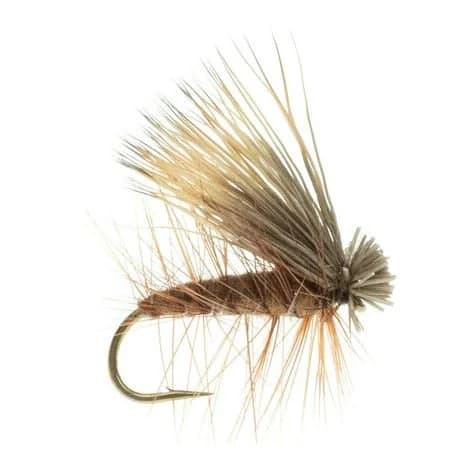
The Elk Hair Caddis: How to Tie the Fly That Works Everywhere, All Season, on Everything
Tuesday, April 21, 2026
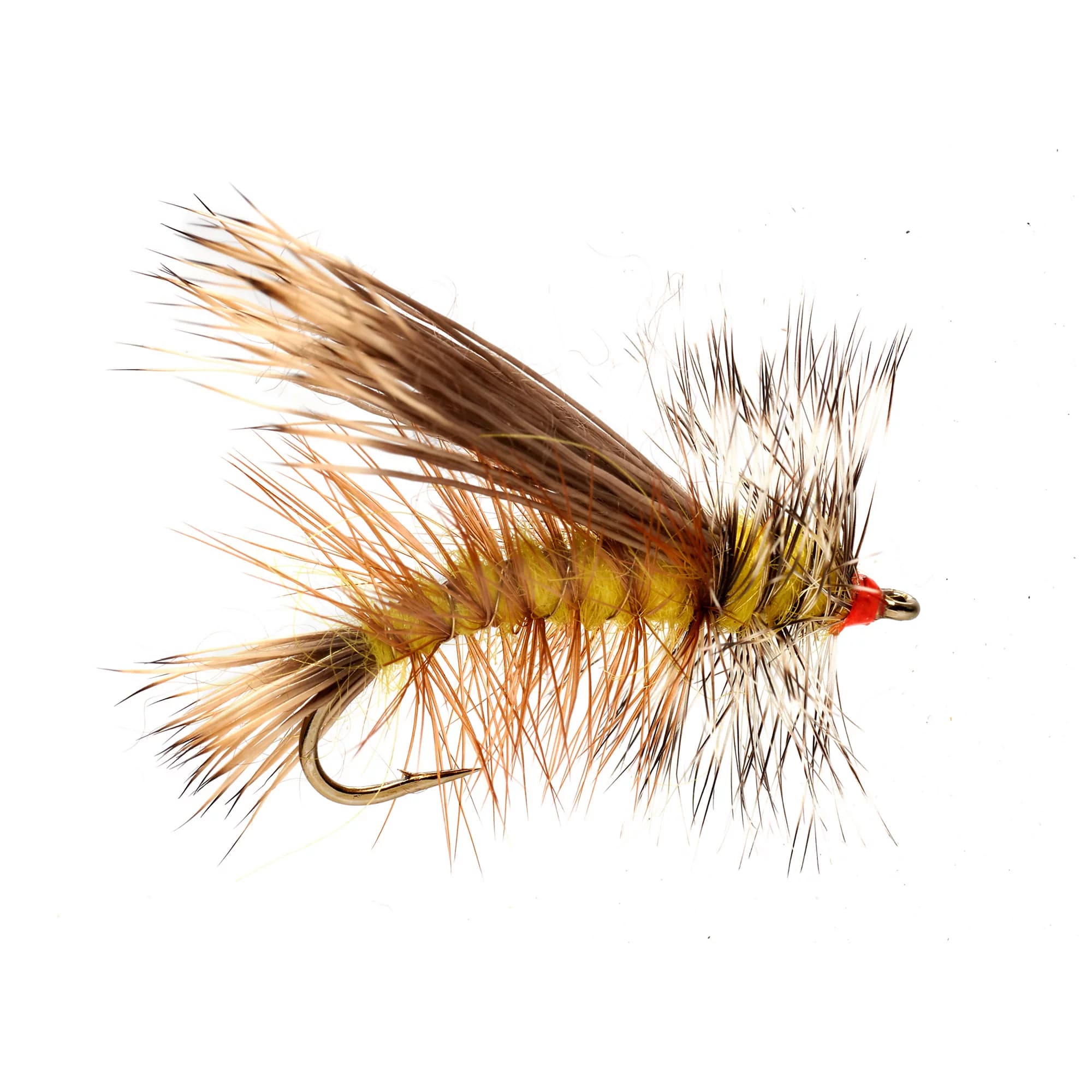
The Stimulator: The Stonefly-Caddis-Hopper-Attractor That Floats Through Anything
Thursday, March 12, 2026
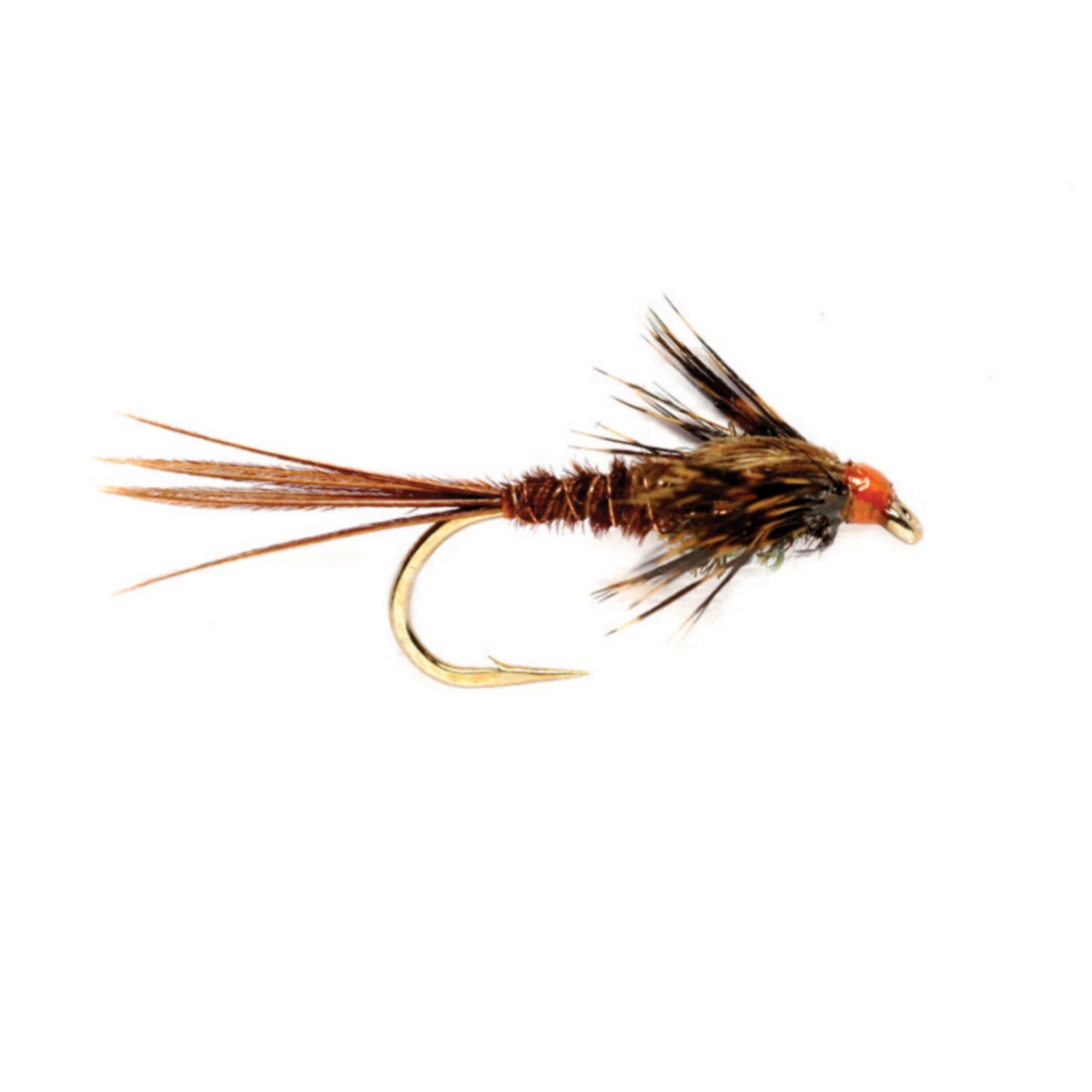
The Pheasant Tail Nymph: Two Materials, No Thread, and the Subsurface Fly That Changed Everything
Thursday, April 9, 2026
 ™
™