

Fly Fishing the Bow River, Alberta: Hatches, Dry Flies, and Drift Boat Strategies for Trophy Brown Trout
The Bow River through Calgary produces dry fly fishing that rivals Montana's best water — stonefly hatches, caddis blizzards, hopper season, and fall streamer runs for brown trout over 24 inches.

The Bow River is one of those rare fisheries where you can genuinely plan your trip around a hatch chart. The insect life is prolific, predictable, and the trout respond to it with surface feeding that ranges from subtle sipping rises to full-body takes that soak your wading jacket. If you are a dry fly angler, the Bow is as good as it gets in Canada — and it runs through a city where you can have a proper dinner afterward.
This guide covers the fly fishing specifically — hatches, dry fly technique, nymph rigging, streamer strategy, and the drift boat approach that defines Bow River fishing. For trip planning and logistics, see our Bow River destination guide. For non-fly techniques (spin fishing, winter tactics), see our How to Fish the Bow River guide.
The Hatch Chart
The Bow River's insect calendar drives the fishing. Each hatch brings different trout behaviour and demands different fly patterns.
| Period | Hatch | Sizes | Best Flies |
|---|---|---|---|
| Mar-Apr | Blue-Winged Olives (Baetis) | 16-20 | Parachute BWO, RS2, Sparkle Dun |
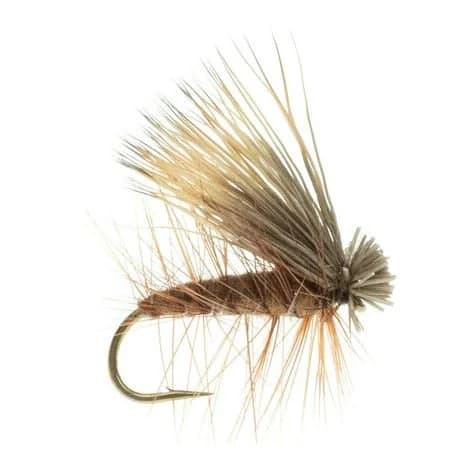
| Late Apr-May | Mother's Day Caddis | 14-16 | Elk Hair Caddis, X-Caddis, CDC Caddis |
| Late May-Jun | Stoneflies (Golden/Salmon) | 6-10 | Chubby Chernobyl, Stimulator, Pat's Rubber Legs |
| Jun-Aug | PMDs (Pale Morning Duns) | 14-16 | Sparkle Dun, Parachute PMD, Comparadun |
| Jun-Aug | Caddis (ongoing) | 14-18 | Elk Hair Caddis, Goddard Caddis, LaFontaine Sparkle Pupa |
| Jul-Sep | Terrestrials | 6-14 | Hopper patterns, Foam Beetle, Flying Ant |
| Sep-Nov | Blue-Winged Olives (fall) | 16-20 | Same as spring BWOs |
| Year-round | Midges | 18-24 | Griffith's Gnat, Zebra Midge, WD-40 |
The key insight: the Bow always has something hatching. Even in the dead of winter, midges come off on warmer afternoons. The anglers who fish the Bow year-round never stop — they just change fly sizes.
Dry Fly on the Bow River — Fly Fishing CalgaryDry Fly Strategies
Rising Fish
When trout are visibly rising, the Bow rewards a methodical approach. Resist the urge to cast immediately. Instead:
Read the rise form. A head-and-tail rise (snout, then dorsal, then tail break the surface) means the fish is eating emergers in the film — fish a flush-floating pattern (Sparkle Dun, CDC emerger) rather than a high-riding dry. A splashy rise means the fish is chasing active insects — caddis or stoneflies — and will tolerate a less precise presentation.
Identify the feeding lane. A rising trout moves in a predictable pattern — usually upstream along a current seam. Watch 3 to 5 rises to establish the direction and spacing, then place your fly 3 to 5 feet ahead of where the next rise should be.
Presentation over pattern. A drag-free drift matters more than the exact fly pattern. If your fly drags — pulled by micro-currents into an unnatural path — the fish will refuse it regardless of how perfect the imitation is. Use reach casts, upstream mends, and longer tippets (5X to 6X, 3 to 4 feet) to achieve drag-free drifts on the Bow's complex currents.
Hopper-Dropper
The most versatile and productive dry fly technique from July through September. A large foam grasshopper pattern (Chubby Chernobyl, Morrish Hopper, Amy's Ant in sizes 6-10) floats on the surface, serving as both a target for surface-feeding trout and an indicator for the nymph trailing 18 to 24 inches below on 5X tippet.
Dropper flies: Pheasant Tail (16-18), Copper John (14-16), or a small BWO emerger (18-20). The nymph catches fish that won't come to the surface, while the hopper catches the aggressive ones that will. On a good day, you catch fish on both.
Where to fish it: Along weed bed edges, through riffles, and past undercut banks. The hopper lands with a splat that imitates a grasshopper hitting the water — this is one case where a delicate presentation is not required. Slap it down. The fish know what that sound means.
EPIC March Brown Trout Float — Fly Fishing Bow River CalgaryAdvanced Nymphing
Euro Nymphing on the Bow
Euro nymphing (tight-line nymphing, Czech nymphing) has transformed Bow River fishing over the past decade. The technique uses direct contact with the flies — no indicator, no fly line on the water — which provides superior sensitivity and a more natural drift.
Rod choice: A 10' to 11' rod in 2- to 4-weight. The length provides reach and leverage for lifting heavy nymphs off the bottom. The light line weight loads with the weight of the nymphs and sighter, not a traditional fly line.
The sighter: 2 feet of bicoloured monofilament (usually alternating sections of pink and chartreuse) that acts as a visual indicator of depth and drift speed. When the sighter hesitates, twitches, or straightens — set the hook.
Fly selection: Heavy tungsten-bead flies are essential — Perdigons (competition-style slim nymphs in sizes 14-18), Jig Pheasant Tails, Jig Prince Nymphs, and Pat's Rubber Legs on jig hooks. The jig hook rides point-up, reducing snags on the Bow's cobble bottom.
When to Euro nymph: Any time trout are not rising. Euro nymphing is the highest-percentage technique on the Bow when no hatch is active — which is most of the day, most days. It outfishes indicator rigs on pressured fish because there is no splash, no drag from a floating line, and the flies ride at the precise depth of the fish.
Nymph Patterns That Work Year-Round
These patterns catch fish on the Bow in any month:
Pat's Rubber Legs (8-12): The confidence pattern. Imitates stonefly nymphs, which are present in the Bow year-round. Fish it as a point fly with a smaller dropper above.
San Juan Worm (red, size 10-14): Not glamorous, but deadly. Trout eat worms that wash into the river after rain, and the San Juan Worm imitates them convincingly. Particularly effective in spring when flows are high.
Pheasant Tail Nymph (14-18): The universal mayfly imitation. Fishes well as a dropper behind a heavier point fly.
Perdigon (14-18): A slim, heavy, fast-sinking nymph coated in UV resin. Developed for competition fly fishing and now standard on the Bow. Black, olive, and purple are the go-to colours.
RS2 (18-22): An emerger pattern that hangs in the surface film. Deadly during BWO hatches when trout are eating emergers rather than fully hatched adults. Fish it under an indicator set shallow (2-3 feet) or greased to float in the film.
Bow River Rainbows — Fish Tales Fly ShopFall Streamer Game
September and October on the Bow River produce the most exciting fly fishing of the year — and the largest trout. Pre-spawn brown trout become aggressive, territorial, and willing to eat flies that imitate small fish, crayfish, and leeches.
Streamer Technique from a Drift Boat
The guide rows the drift boat tight to the bank — within casting distance of the overhanging trees, log jams, and undercut banks where big browns hold. You stand in the bow with a 6- or 7-weight rod loaded with a sink-tip line.
The cast: Fire the streamer tight to the bank — ideally within 12 inches. Let it sink for 1 to 2 seconds, then strip with aggressive, erratic retrieves. Two fast strips, a pause, three strips, a long pull. The irregular retrieve imitates a panicked baitfish and triggers the predatory response in large browns.
The take: Streamer takes on the Bow are not subtle. The line goes tight, the rod loads, and the fish is either running downstream or head-shaking against the bank. Strip-set the hook — pull the line with your stripping hand while keeping the rod tip low. Do not trout-set (lift the rod tip) — this pulls the fly out of the water if you miss.
Streamer Patterns
Bow River Bugger (olive/black, 4-6): The local standard. A Woolly Bugger variant tied with extra marabou and flash for profile and movement.
Sex Dungeon / Drunk & Disorderly (4-5 inches): Large articulated streamers that push water and trigger reaction strikes. These are the patterns that produce the biggest browns — 22 to 28 inches — but they also spook smaller fish. Use them when you are hunting, not numbers fishing.
Sculpzilla (4-6): A sculpin imitation that rides hook-point-up. Deadly bounced along the bottom near structure where big browns ambush prey.
Clouser Minnow (white/chartreuse, 4-6): The universal baitfish imitation. Effective stripped through deeper runs and along drop-offs. A good searching pattern when you are not sure what the fish want.
Calgary NW Bow River Fly Fishing — Brown Trout at Valley RidgeWade Fishing Access
While drift boats dominate the Bow, wade fishing is productive and free. Calgary's extensive pathway system provides bank access along much of the urban river.
Edworthy Park: The most popular wade access on the upper Bow. A paved path leads to several hundred metres of wadeable water with riffles, runs, and a long tailout. Good morning BWO and caddis hatches in spring. Parking lot fills early on weekends.
Harvie Passage: Below the Glenmore Dam, where the Elbow River joins the Bow. The constructed fish passage creates a series of pools and runs that hold trout year-round. Popular with fly anglers because the structured water is easy to read and wade.
Fish Creek Provincial Park: The longest continuous stretch of wadeable Bow River in Calgary. Multiple access points along Fish Creek Trail. The river widens here, but the wading is easier than upstream sections. Good hopper fishing in summer along the grassy banks.
Inglewood: Below the zoo, the Bow flows through a quieter urban corridor with cottonwood-lined banks. Access via the river pathway. Less pressured than Edworthy and productive for browns that hold along the undercut banks and log jams.
Policeman's Flats / McKinnon Flats (below Calgary): South of the city, the Bow opens into longer runs over gravel. Less wading pressure, more rainbow trout relative to browns. Requires a vehicle — no transit access. Excellent in fall.
Wade fishing strategy: Work upstream. Start at the bottom of a run, cast upstream, and step up slowly. This approach puts the fish behind you (they face upstream) and avoids spooking fish you haven't cast to yet. Spend time on each run — a productive 200-metre stretch can hold 30 or more trout.
Catch-and-Release on the Bow
The Bow's trophy fishery exists because of catch-and-release. Every trout you handle carefully contributes to the fishery that made the trip worth taking.
Use barbless hooks. Required by regulation and essential for quick, low-damage releases. Pinch the barb on any fly that doesn't come barbless from the packet.
Keep the fish in the water. Unhook and release trout while they are still in the net, submerged. If you photograph, lift the fish to the surface for 2 to 3 seconds maximum, then return it. Do not hold a trout out of the water while you fumble with your phone.
Use a rubber mesh net. Knotless rubber mesh nets (Fishpond Nomad, Rising Brookie) protect the trout's slime coat and fins. Traditional knotted nets damage the protective slime and are considered poor form on the Bow.
Revive before release. If a fish is played to exhaustion, hold it facing upstream in moderate current until it kicks away on its own. Do not "walk" a tired fish back and forth — this does not help. Face it into current and wait.
Fight efficiently. Do not use tackle so light that you play fish for 10 minutes. A 5-weight rod with proper tippet should land a 20-inch trout in 2 to 3 minutes. Prolonged fights produce lactic acid that can kill the fish after release.
Line and Leader Setup
| Scenario | Line | Leader | Tippet |
|---|---|---|---|
| Dry fly (hatches) | WF floating 5wt | 9' tapered to 5X | 3-4' of 5X-6X fluoro |
| Hopper-dropper | WF floating 5wt | 9' tapered to 3X | 18-24" of 5X to dropper |
| Indicator nymphing | WF floating 5wt | 7.5' tapered to 4X | Split shot + 5X to flies |
| Euro nymphing | Euro mono line 2-4wt | 20' mono + sighter | 4-6' of 5X fluoro |
| Streamers | Sink-tip 6-7wt | 4' of 2X-3X fluoro | Direct to fly |
Tippet material: Fluorocarbon for all subsurface work — it sinks, is less visible in clear water, and is more abrasion-resistant than nylon. Nylon monofilament is fine for dry flies (it floats better).
Bow River, Canada — Fly Fishing in Search of Interesting TroutTop Fishing Guides in Calgary
A Bow River fly fishing guide reads the hatch calendar, the water temperature, and the flow data from Bearspaw Dam every morning before you arrive. They know whether to start with Euro nymphs in the riffles, switch to dries when the BWOs start, or go straight to streamers if the water is off-colour. That daily intelligence — combined with 200 days a year on the oars — is what makes a guided float on the Bow River the most productive way to fish it.
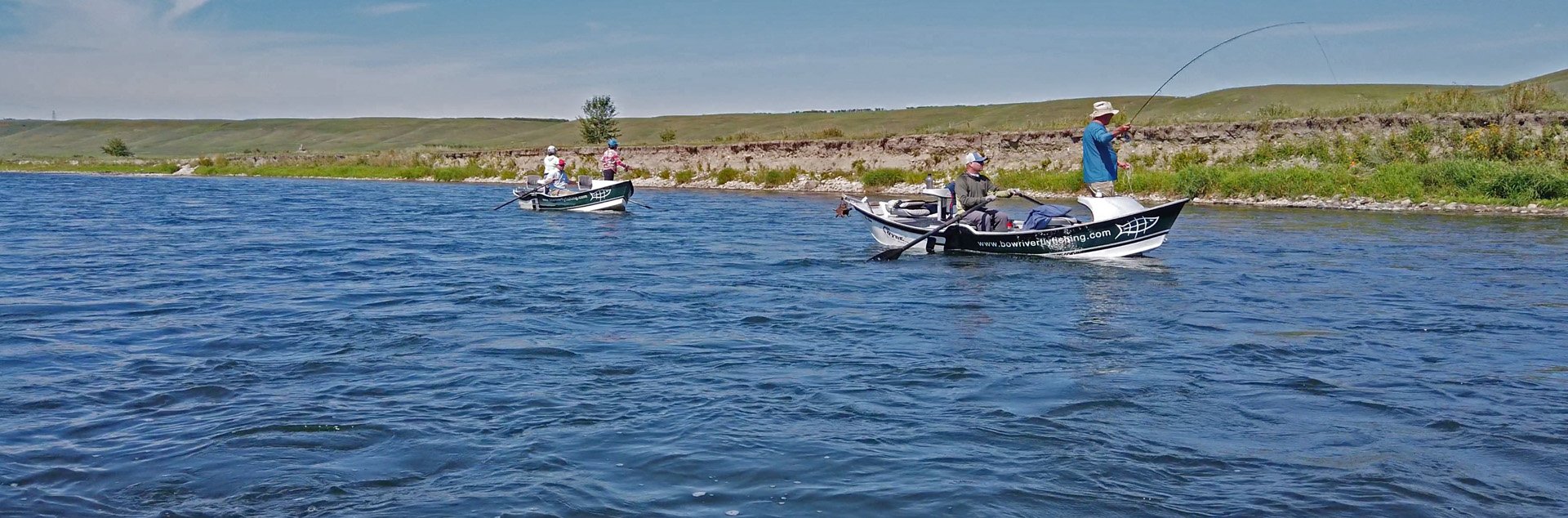
Bow River Fly Fishing Adventures
Calgary, AB, CA
5.0 (185 reviews)
Bow River Fly Fishing Adventures specializes in guided fly fishing experiences on Alberta's premier Bow River, serving anglers from both Calgary and Banff. With over 15 years of expertise, the operation welcomes everyone from beginners to seasoned fly casters, tailoring each outing to individual skill levels and preferences. The team offers diverse trip styles—float trips, walk and wade excursions, and lake outings—targeting rainbow trout, brown trout, cutthroat trout, and bull trout throughout the region. Anglers fish against the dramatic backdrop of the Rocky Mountains, experiencing the river's world-class conditions with guides who bring deep local knowledge and a commitment to creating memorable days on the water.
Squatchy Waters Fly Fishing
Calgary, AB, CA
5.0 (8 reviews)
Squatchy Waters Fly Fishing Led by experienced guide Peter Lywood, Squatchy Waters Fly Fishing offers expertly guided fly fishing adventures on Alberta's renowned Bow River. Specializing in Rainbow, Brown, Cutthroat, and Bull Trout, as well as Pike, the operation combines Peter's deep knowledge of the river's most productive waters with a strong commitment to sustainable fishing practices. Clients can choose from flexible trip options, whether seeking an accessible city float or a more remote mountain excursion. Each outing is tailored to deliver both the thrill of quality fishing and the peace of mind that comes from working with a guide dedicated to responsible stewardship of the resource.
Waders On
Calgary, AB, CA
4.8 (183 reviews)
Waders On, based in Peebles, Scottish Borders, specializes in fly fishing for brown trout and grayling along the scenic Tweed. This dedicated angling club welcomes both novice and experienced anglers, offering expertly guided trips tailored to individual skill levels and interests. The operation is rooted in conservation principles, practicing voluntary catch and release to preserve the river's fishing heritage. Knowledgeable guides lead anglers through the region's rich waters, sharing insights into the local ecosystem and fly fishing techniques. Whether exploring the Tweed for the first time or refining advanced skills, visitors experience the Scottish Borders' distinctive character and excellent trout fishing in a welcoming, sustainable environment.

Topwater Fly Fishing
Calgary, AB, CA
Topwater Fly Fishing brings anglers to some of Canada's most pristine waters, operating from Calgary, Alberta with access to thousands of kilometers of rivers and creeks flowing from the Rocky Mountains. The operation specializes in pursuing trophy cutthroat, rainbow, brown trout, and bull trout across stunning backcountry terrain. Led by experienced guides including Brandon Healey, Topwater Fly Fishing crafts custom adventures suited to both beginners discovering fly fishing and seasoned anglers seeking new challenges. The team offers flexible trip formats—from mini excursions and full-day expeditions to overnight adventures—allowing clients to choose the experience that fits their skill level and schedule. Each outing is designed to maximize time on the water while immersing anglers in the wild landscape they're exploring.
Hooked Fly Fishing
Calgary, AB, CA
Hooked Fly Fishing Hooked Fly Fishing specializes in guided fly fishing on Alberta's premier Bow River, home to abundant wild Rainbow and Brown Trout. Led by guide Matthew Kerslake with over 15 years of professional experience, the service delivers personalized adventures tailored to each angler's skill level and objectives. Whether discovering fly fishing for the first time or refining advanced techniques, guests benefit from expert instruction and intimate knowledge of the river's dynamics. Every trip features premium equipment and thoughtful attention to individual preferences, creating memorable days on the water. Matthew's deep familiarity with the Bow River's seasonal patterns and productive sections ensures anglers spend their time where fish are most active. From beginners seeking foundational skills to experienced fly fishers pursuing trophy trout, Hooked Fly Fishing provides the expertise and personalized approach that transforms a good day into an exceptional one.
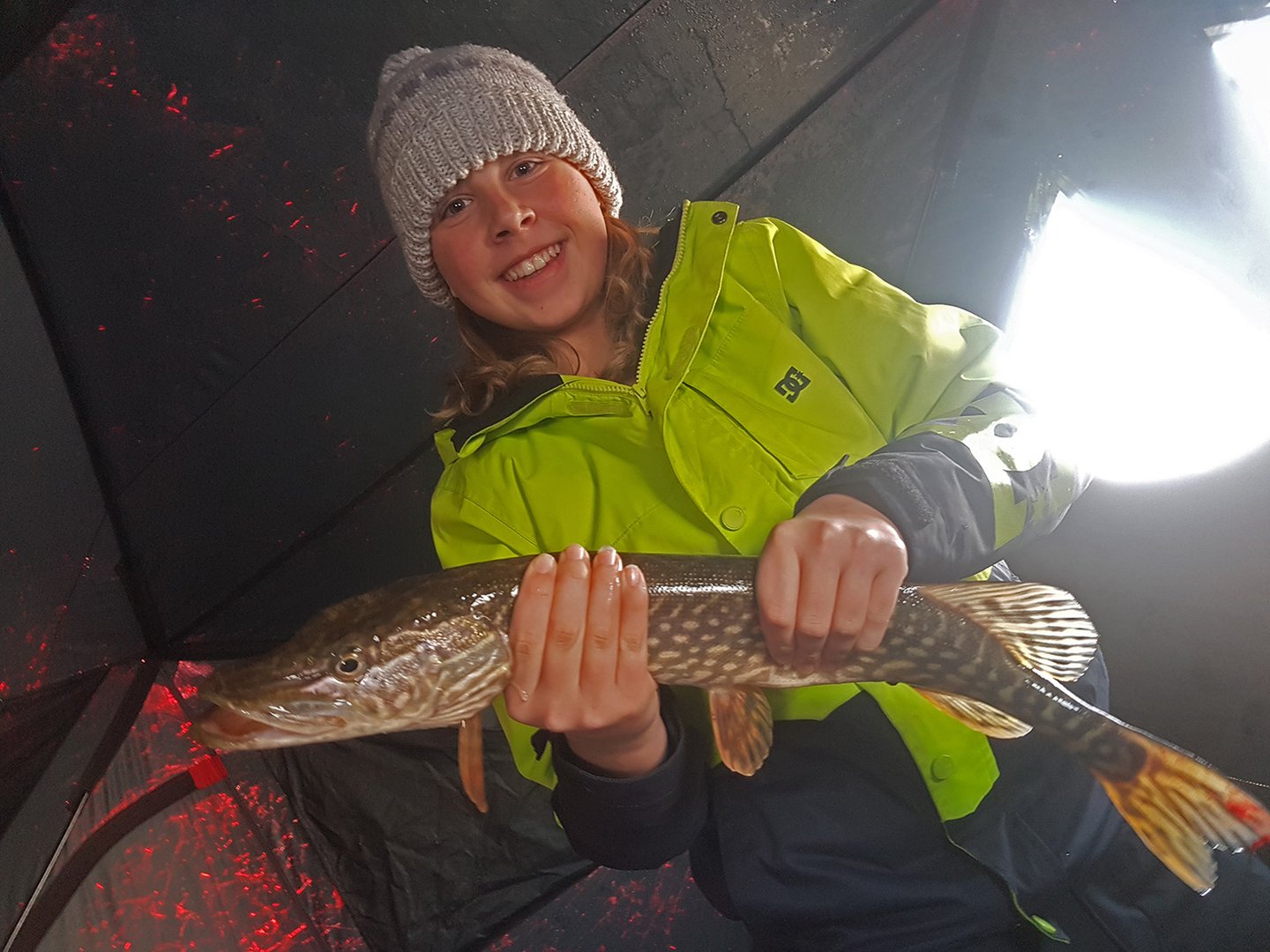
Ice Fishing Alberta
Calgary, AB, CA
Ice Fishing Alberta specializes in authentic winter fishing experiences across some of Canada's most scenic regions—Calgary, Canmore, and Banff. Their professional guides bring years of expertise to every outing, targeting species including trout, pike, and walleye while accommodating anglers of all skill levels. What sets Ice Fishing Alberta apart is their thoughtful blend of traditional ice fishing methods with modern technology. Heated huts, sonar equipment, and underwater cameras transform each trip into both a comfortable and educational adventure. Whether welcoming families, locals, or visitors seeking a genuine Canadian winter experience, they provide all necessary gear and guidance for a successful day on the ice.
Recommended Gear
Sage ESN II 10'6" 3wt Fly Rod
Euro nymphing on the Bow — the technique that catches the most fish
Sage R8 Core 9' 5wt Fly Rod
All-around dry fly and indicator nymphing rod
Sage Payload 9' 7wt Fly Rod
Fall streamer rod — powers articulated flies tight to the bank
Lamson Liquid 3-Pack Fly Reel
Spare spools for floating, Euro, and sink-tip lines
RIO Euro Nymph Shorty Line
Purpose-built Euro line — thin, sensitive, loads the rod for tight-line work
Scientific Anglers Amplitude Smooth Trout Line
Floating line for dries, hopper-dropper, and indicator nymphing
RIO InTouch Streamer Tip Line
Sink-tip for fall streamers — gets big flies down fast
Scientific Anglers Absolute Fluorocarbon Tippet 5X
The standard Bow River nymphing tippet — invisible and sink-friendly
Umpqua Bow River Fly Selection
Curated box: Pat's Rubber Legs, BWOs, caddis, hoppers, Perdigons
Fishpond Nomad Mid-Length Net
Rubber mesh catch-and-release net — Bow River etiquette standard
Frequently Asked Questions
What are the best hatches on the Bow River?
Mother's Day Caddis (late April-May) is the most famous. Stoneflies (late May-June) bring the biggest dry fly trout. BWOs (March-May, September-November) are the most reliable year-round hatch. PMDs (June-August) and terrestrials (July-September) round out summer. Midges hatch year-round.
What fly rod should I bring for the Bow River?
A 9' 5-weight is the all-around rod for dries, nymphs, and hopper-droppers. Add a 10'-11' 3-weight for Euro nymphing (the most effective subsurface technique). For fall streamers, step up to a 9' 6- or 7-weight with a sink-tip line.
What is the best time for dry fly fishing on the Bow?
Late May through June for stoneflies and caddis (the biggest dry fly trout). July-September for hoppers and PMDs (the most consistent surface action). March-April and September-November for BWOs (overcast days). The Bow has dry fly opportunities from March through November.
What is Euro nymphing and should I learn it for the Bow?
Euro nymphing uses a long light rod, no indicator, and direct line contact to fish heavy nymphs with extreme sensitivity. It outfishes indicator rigs on pressured Bow River trout. If you plan to fish the Bow seriously, learning Euro nymphing is the single biggest improvement you can make.
When should I throw streamers on the Bow River?
September and October for pre-spawn brown trout — the largest and most aggressive fish of the year. Also effective on overcast, windy days in any season. Use a 6-7wt rod, sink-tip line, and articulated streamers (Bow River Bugger, Sex Dungeon) cast tight to the bank from a drift boat.
Related Articles

Fishing the Bow River in Calgary: World-Class Trout Water Running Through a Major City
Saturday, May 30, 2026

How to Fish the Bow River in Calgary, Alberta: Techniques for Brown Trout, Rainbow Trout, and Whitefish
Sunday, May 31, 2026
The Elk Hair Caddis: How to Tie the Fly That Works Everywhere, All Season, on Everything
Tuesday, April 21, 2026
 ™
™