
Fishing Campbell River, BC: The Salmon Capital of the World and Why It Earns the Name
Campbell River has called itself the Salmon Capital of the World since the early 1900s, and a century of chinook fishing in Discovery Passage, the legendary Tyee Pool, and five Pacific salmon species prove the claim.
Campbell River sits on the east coast of Vancouver Island, where Discovery Passage funnels tidal currents between the island and the mainland like a fire hose. That narrow channel creates one of the great natural bottlenecks in Pacific salmon migration — every fish returning to rivers north of here must pass through these waters, and the nutrient-rich upwelling holds them in the area for weeks. The result is a fishery that has produced trophy chinook salmon since before anyone was keeping records, and a town that built its identity around one question: can you catch a tyee?
A tyee is a chinook salmon weighing 30 pounds or more, and in Campbell River, the word carries weight. The Tyee Club of British Columbia, established in 1924, requires members to catch a 30-pound-plus chinook from a rowboat in the Tyee Pool at the mouth of the Campbell River using light tackle and no motor. A century later, the club still operates under the same rules, the same pool, and the same standard. Landing a Tyee Club fish remains one of the genuine achievements in Pacific salmon fishing.
But Campbell River is not a one-species town. All five Pacific salmon — chinook, coho, sockeye, pink, and chum — run through Discovery Passage in overlapping waves from May through November. Pacific halibut and lingcod hold on the offshore reefs. The Campbell River and Quinsam River produce steelhead and trout. The town has a full-service charter fleet, a fishing pier, a maritime museum, and a waterfront that smells like diesel and salt.
If you fished Tofino and Ucluelet on the west coast and want the east coast counterpart, this is it — calmer waters, more species diversity, and a fishing culture that goes back a hundred years.
Why Campbell River
The geography makes it. Discovery Passage is the narrowest point between Vancouver Island and the BC mainland north of Nanaimo. The tidal currents that rip through this channel — up to 8 knots during peak flows — create upwelling that concentrates plankton, which concentrates baitfish, which concentrates everything that eats baitfish. Salmon migrating north to the Rivers Inlet, Bella Coola, Skeena, and dozens of smaller rivers have to pass through this funnel. They stack up, they feed, and they are catchable for weeks at a time.
The other advantage is protection. Unlike the open Pacific swells at Tofino, the waters around Campbell River are sheltered by Quadra Island and the mainland coast. You can fish in conditions that would shut down the west coast fleet. The Discovery Passage can get choppy during peak tidal flows, but it is a different order of magnitude from the open ocean. Families with kids, anglers who get seasick, and anyone who wants to fish without worrying about weather — Campbell River delivers.
The town itself is fully set up for fishing tourism. There are dozens of charter operators, multiple tackle shops, fish processing facilities, and accommodation ranging from budget motels to waterfront lodges. This is not a frontier outpost — it is a town of 37,000 people with restaurants, grocery stores, a hospital, and an airport with scheduled service from Vancouver.
Fishing BC Presents: The Legendary Waters of Campbell RiverWhat You Are Fishing For
Chinook salmon are the prestige species. Winter chinook (springs) show up as early as April, building through the summer. The main run peaks in July and August, when fish average 15 to 25 pounds with genuine tyees (30 pounds or more) caught regularly. The largest chinook caught in Campbell River waters have exceeded 60 pounds. Discovery Passage and the waters around Cape Mudge on Quadra Island are the primary chinook grounds.
Coho salmon arrive in August and run through October. They average 6 to 12 pounds and are the most acrobatic fighter on the coast — tail-walking, jumping, and making screaming runs that test light tackle. Coho fishing in Discovery Passage is some of the best on Vancouver Island.
Sockeye salmon run through Campbell River in July and August, primarily headed for the Adams River and other Fraser system tributaries. While commercial fishing for sockeye is the big industry, recreational retention depends on run size and DFO regulations — some years you can keep sockeye, some years you cannot. Check regulations before your trip.
Pink salmon run in odd years (2025, 2027) in massive numbers. They average 4 to 6 pounds and are not selective — they will hit almost anything you throw at them. Pink season (August-September) is the best time to bring kids or first-time anglers. The rivers fill with fish and the action is nonstop.
Chum salmon run in October and November. The largest of the non-chinook Pacific salmon (8-15 pounds), chum are aggressive and underrated. They hit flies and spoons hard in the river mouth and tidal zones.
Pacific halibut hold on the reefs and banks offshore. Season runs April through fall (quota dependent). Fish average 15 to 40 pounds, with larger fish available on the deeper banks farther offshore.
Lingcod inhabit the rocky reefs and kelp forests around Quadra Island and Mitlenatch Island. Average 5 to 15 pounds, caught by jigging with large soft plastics. Season April through October.
For detailed techniques, rigs, and tackle setups, see our complete How to Fish Campbell River guide.
Epic Chinook Salmon River Fishing — Vancouver Island BCThe Tyee Pool
The Tyee Pool deserves its own section because it is unlike any other fishing experience in North America.
The pool is a stretch of water at the mouth of the Campbell River where it enters Discovery Passage. The Tyee Club has operated here since 1924 under strict rules: you fish from a rowboat (no motor), using a single-action reel with no more than 20-pound test line, an artificial lure, and a rod that weighs no more than 9 ounces. Your rower positions the boat in the current and you drift through the pool, casting and trolling your lure until (if) a chinook over 30 pounds takes.
The club operates during "Tyee Season" — typically mid-July through mid-September — during the evening hours when the tide and light align. The rowers are experienced volunteers and guides who know every seam and eddy in the pool. You sign up in advance, get assigned a rower, and fish the pool in rotation with other anglers.
Landing a qualifying tyee gets your name inscribed on the club's wall of honour — a list that includes legends of Pacific salmon fishing going back a century. It is one of the oldest competitive angling traditions in North America, and it is still alive.
Even if you do not pursue a Tyee Club fish, the pool is worth visiting. Walk the Campbell River seawall at dusk during Tyee Season and watch the rowboats drifting through the pool in the golden light. It is a scene that has not changed in 100 years.
When to Plan Your Trip
May and June (Early Season): Winter chinook still around, early summer chinook building. Halibut season in full swing. Lingcod open. Fewer boats, lower prices, and good weather. This is the sweet spot for anglers who want productive fishing without the peak-season crowds.
July and August (Peak Season): The main chinook run in full force. Tyee Pool open. Coho arriving in August. All five salmon species potentially available. This is when Campbell River is at its busiest — charters book up, the harbour is packed, and the fishing is at its best. Book early.
September (Transition): Coho fishing peaks. Late chinook still in the system. Fewer tourists. September weather in Campbell River is often the best of the year — warm days, cool nights, calm seas. Many locals say September is their favourite month to fish.
October and November (Late Season): Chum salmon run hard. Steelhead start entering the rivers. Halibut season may be closed. The tourist infrastructure winds down but the fishing can be excellent for chum on flies and spoons in the river mouth.
Fishing the Fjords of BC — Catching Monster Tyee SalmonWhat a Charter Day Looks Like
Campbell River charters typically depart between 5:30 and 6:30 AM from the Discovery Harbour marina. The run to the fishing grounds is short — often 15 to 30 minutes, much less than the open-ocean runs at Tofino.
Guided charters (full day, 8 hours): CAD $1,000 to $1,800 for a private boat (2-4 anglers). Morning is usually salmon trolling in Discovery Passage or around Cape Mudge. Afternoon shifts to halibut and bottom fishing on the reefs. All tackle, lures, bait, and fish cleaning included.
Half-day charters (4-5 hours): CAD $600 to $1,000. Focus on one target species. Good option for families or anglers who want to fish the morning and explore the town in the afternoon.
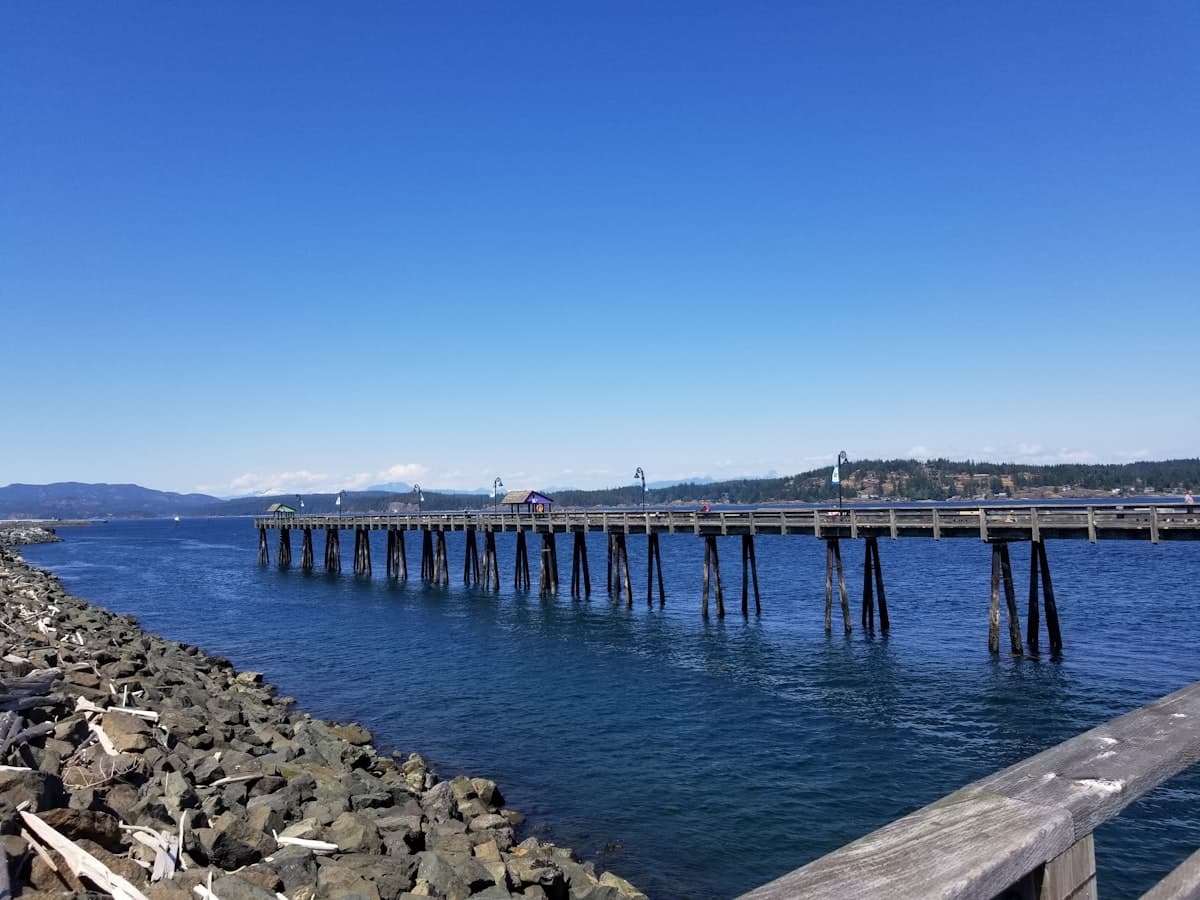
Shore and pier fishing: The Discovery Fishing Pier in downtown Campbell River extends into Discovery Passage and produces chinook and coho during the runs. No boat required, no charter cost — just a fishing licence and some patience. This is one of the few places in BC where you can catch a legitimate chinook from shore.
River fishing: The Campbell River and Quinsam River are fishable from the bank. Pink salmon (odd years), coho, and chum can all be caught from shore with spinning gear or fly tackle. The Quinsam River hatchery has a public fishing area that produces consistent coho in September.
What to bring: Layers (Campbell River is milder than the west coast but still cool on the water), rain gear, polarized sunglasses, sunscreen, lunch for full-day charters. Motion sickness is less of an issue here than at Tofino — the waters are sheltered — but bring medication if you are sensitive.
Getting There
By air: Pacific Coastal Airlines flies from Vancouver South Terminal to the Campbell River airport (YBL) — a 35-minute flight. Car rentals available at the airport. This is the fastest option from the mainland.
By car from Victoria: 3 hours north on Highway 19 (Island Highway). Easy, well-maintained highway with services along the way.
By car from Nanaimo: 2 hours north on Highway 19. If you are coming from the mainland by BC Ferries (Tsawwassen to Nanaimo), the total drive from Vancouver including the ferry is about 4.5 hours.
From the US: Most American anglers fly into Vancouver, ferry to Nanaimo, and drive north. From Seattle or Portland, plan on a full day of travel including the ferry crossing. Some anglers fly direct to Campbell River via Vancouver for a shorter travel day.
Accommodation: Campbell River has everything from budget motels and RV parks to waterfront fishing lodges and vacation rentals. The Discovery Harbour area has the most charter-convenient options. Painters Lodge and April Point Lodge are the historic fishing lodges — both have been hosting anglers for decades.
Beyond the Fishing
Campbell River and the surrounding area offer more than rod-and-reel time.
Whale watching: Orca (killer whale) pods frequent the waters around Campbell River, particularly the resident pods that follow salmon runs through Discovery Passage. Humpbacks and grey whales also appear seasonally. Several operators run whale watching tours from the harbour.
Quadra Island: A 10-minute ferry ride from Campbell River. Home to the Cape Mudge lighthouse, petroglyph carvings, the Nuyumbalees Cultural Centre, and some of the best mountain biking on Vancouver Island. The kayaking around Quadra and the adjacent Discovery Islands is spectacular.
Elk Falls Provincial Park: A 15-minute drive from town. The 25-metre waterfall on the Campbell River is impressive, and the suspension bridge above the canyon gives you a vertigo-inducing view straight down.
Strathcona Provincial Park: Vancouver Island's largest park, 45 minutes west of Campbell River. Alpine hiking, glacier-fed lakes, and genuine backcountry. Forbidden Plateau and the Comox Glacier trails are highlights.
Your Fish: Processing and Taking It Home
One of the practical advantages of Campbell River over more remote BC destinations is the fish processing infrastructure. The town has multiple commercial fish processing facilities that will clean, fillet, vacuum-seal, and flash-freeze your catch. Most charter operators have relationships with a processor and will deliver your fish directly from the dock.
If you are flying home — particularly to the US — frozen vacuum-sealed fish packs in a checked cooler without issues. Most processors will package your fish in airline-ready boxes or coolers. Expect to pay CAD $1.50 to $3.00 per pound for processing, depending on the service level (basic fillets vs. portioned, skinned, and individually sealed).
For American anglers crossing the border with fish: you are allowed to transport personally caught fish into the US. Keep your fishing licence and any retention records. The fish must be in a form that allows species identification (leave skin on one side of each fillet). There is no duty on personally caught sport fish, but US Customs may inspect your cooler at the border — have your paperwork ready.
Fishing Licence
You need a DFO tidal waters licence for saltwater fishing and a separate BC freshwater licence if you plan to fish the Campbell or Quinsam rivers. Non-Canadian residents pay $124.41 CAD annually for saltwater (or $20.92 for 3 days) plus a $6.29 salmon conservation stamp. Purchase online at the DFO Pacific Region website. Barbless hooks are mandatory in all BC tidal waters.
Campbell River Pink Salmon Fishing 2024Top Fishing Guides in Campbell River
Campbell River's charter fleet knows Discovery Passage like their own dock — the tidal seams that hold chinook, the reefs where halibut stack up, and the weather windows that make or break a day on the water. Whether you are chasing a Tyee Club fish, filling a cooler with coho, or introducing your kids to Pacific salmon, a Campbell River guide puts a century of fishing knowledge in the boat with you.
Fishing Storie Charters
Campbell River, BC, CA
5.0 (92 reviews)
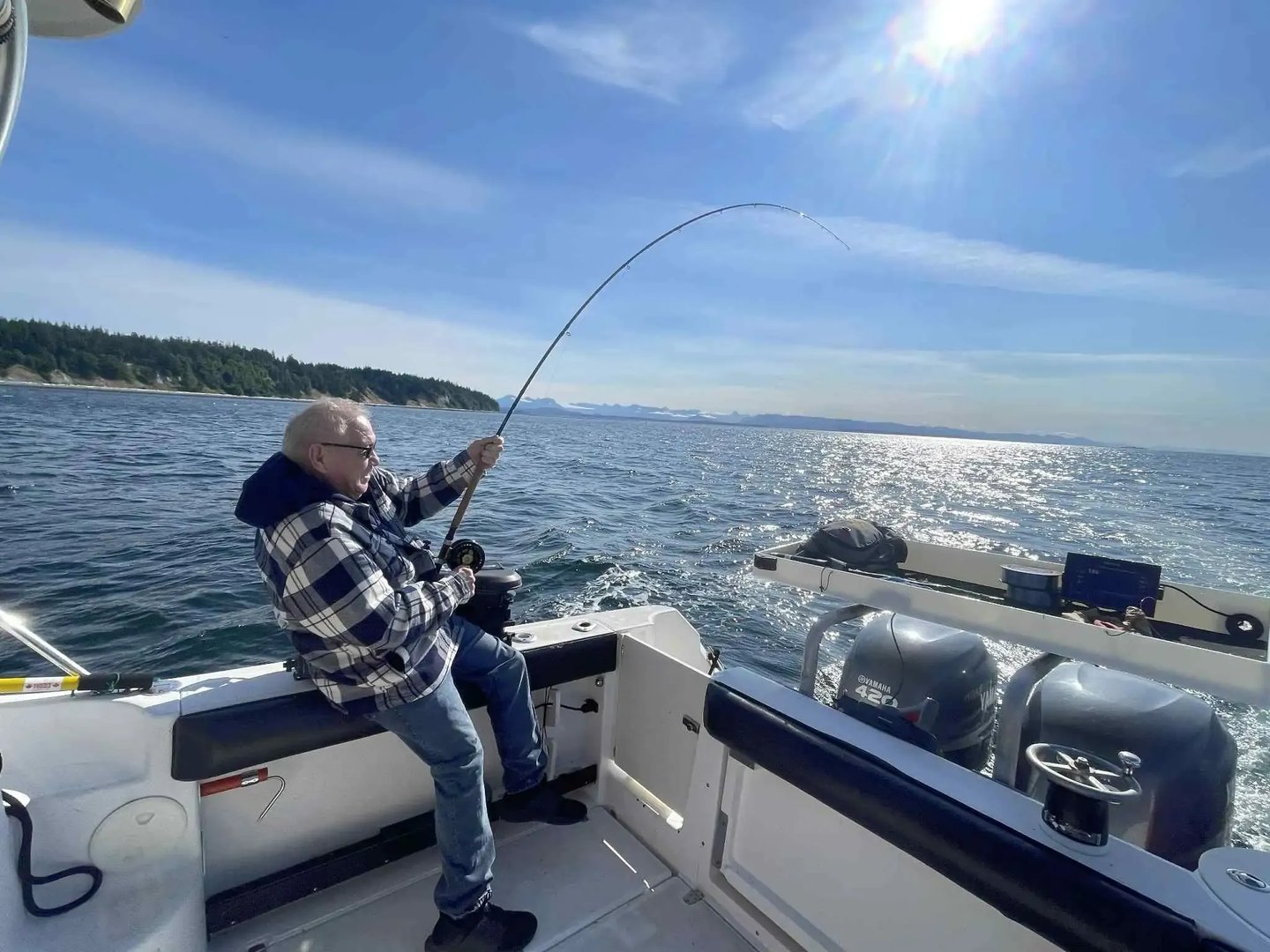
Fishing Storie Charters Fishing Storie Charters delivers award-winning salmon fishing experiences in Campbell River, British Columbia—the renowned Salmon Capital of the World. Their expert guides bring over 133 years of combined experience to every outing, specializing in pursuit of trophy Chinook and Coho salmon in the pristine waters of Discovery Passage. The operation features a premium fleet of Boston Whalers and accommodates diverse needs with flexible trip options including half-day, full-day, and multi-day charters. Whether planning a family adventure or corporate retreat, guests can expect professional guidance, quality equipment, and the opportunity to fish some of the Pacific Northwest's most productive waters.
Profish Adventures
Campbell River, BC, CA
5.0 (56 reviews)
Profish Adventures specializes in guided salmon fishing charters along the East Coast of Vancouver Island, operating out of Campbell River—the Salmon Fishing Capital of the World. Their experienced guides target all five species of Pacific salmon, delivering exciting and memorable experiences for anglers of every skill level, from families to seasoned fishermen. Safety, comfort, and conservation form the foundation of every outing. The team maintains a fleet of well-equipped boats and provides quality gear, ensuring clients can focus on the fishing while exploring some of British Columbia's most stunning waters. With a commitment to both resource stewardship and personalized service, Profish Adventures offers the expertise and professionalism needed for a rewarding day on the water.

Blackbeard Fishing
Campbell River, BC, CA
5.0 (43 reviews)
Blackbeard Fishing operates from Campbell River, British Columbia—the legendary Salmon Capital of the World—offering premier guided fishing experiences in some of the Pacific Northwest's most productive waters. The operation specializes in targeting Chinook salmon, with expert knowledge of the region's premier fishing grounds and seasonal patterns. The team provides flexible trip options to suit different schedules and goals, including half-day and full-day charters as well as specialized excursions to Toba Inlet, where year-round Chinook retention opportunities await. Whether anglers are seasoned veterans or stepping into saltwater fishing for the first time, Blackbeard Fishing welcomes all skill levels and delivers the local expertise needed to maximize success on the water.
Riptide Fishing Charters
Campbell River, BC, CA
5.0 (35 reviews)
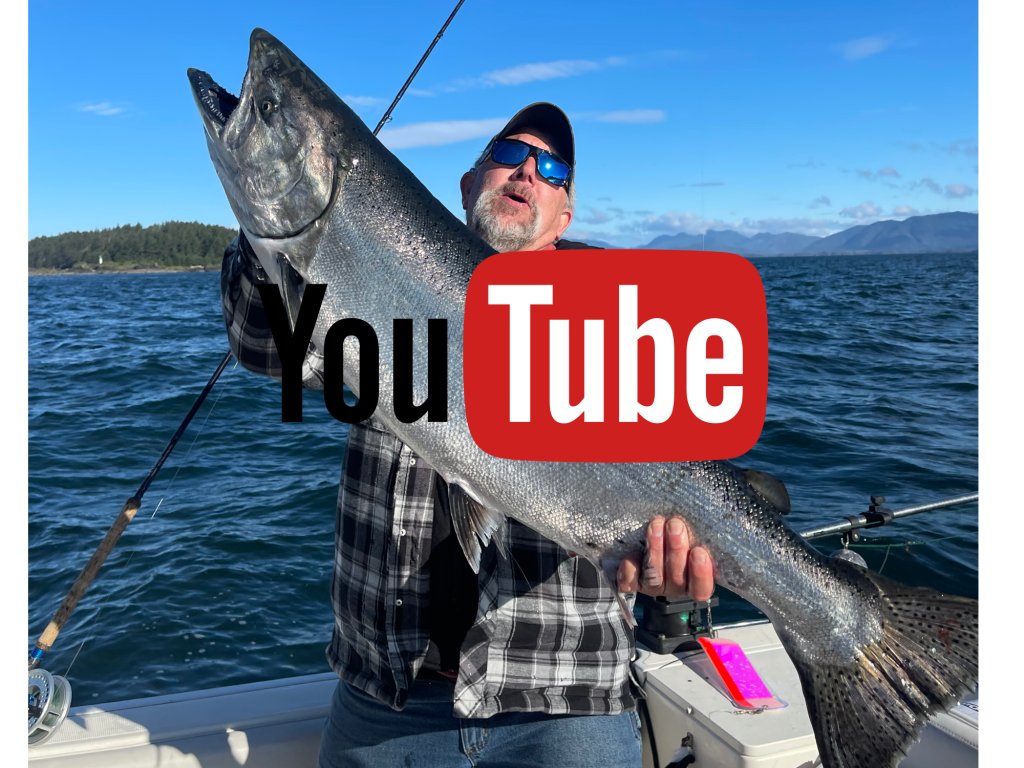
Led by Captain Scott, Riptide Fishing Charters offers exceptional salmon fishing experiences in the stunning waters of Campbell River, British Columbia. With over 35 years of fishing expertise, Captain Scott brings deep knowledge of local waters and proven techniques to every outing, ensuring guests enjoy a rewarding and memorable day on the water. The charter operates from a well-equipped Pursuit 2470 vessel, providing a comfortable and capable platform for anglers of varying skill levels. Riptide specializes in full-day trips, giving guests ample time to explore prime fishing grounds and maximize their chances of connecting with salmon in one of British Columbia's most productive fishing regions.
Absolute Sport Fishing
Campbell River, BC, CA
5.0 (8 reviews)
Absolute Sport Fishing With more than 35 years of expertise, Absolute Sport Fishing specializes in premier salmon charters throughout Campbell River, BC. Operating in the pristine, sheltered waters surrounding Vancouver Island, they pursue Chinook, Coho, Chum, Sockeye, and Pink salmon with proven techniques and local knowledge. Their intimate understanding of these waters and fish behavior ensures consistently rewarding experiences. The operation prides itself on creating a family-centered atmosphere where safety and comfort are paramount. Whether planning a single-day outing or an extended multi-day adventure, Absolute Sport Fishing welcomes private groups of 1-4 anglers. Each charter is thoughtfully designed to balance productive fishing with a personalized, welcoming experience that transforms a day on the water into a lasting memory.
Northwest Saltwater Adventures
Campbell River, BC, CA
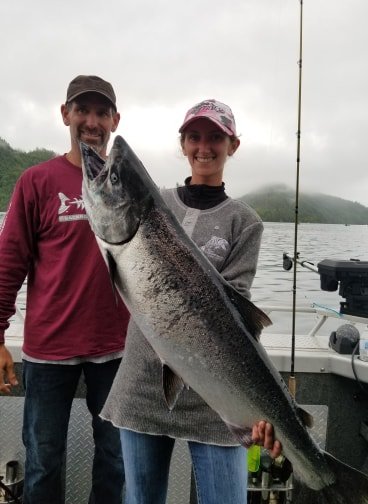
Northwest Saltwater Adventures specializes in guided fishing charters throughout Campbell River, BC, and the pristine waters of Gold River and Nootka Sound. Their licensed guides deliver professional, comfortable outings aboard a well-appointed 25-foot aluminum vessel featuring a heated cabin and onboard facilities—perfect for groups up to four anglers. Whether targeting salmon or exploring other saltwater species, guests enjoy flexible half-day and full-day options tailored to their preferences. The operation provides all necessary fishing gear, snacks, and beverages, allowing visitors to focus on the experience. Northwest Saltwater Adventures combines local expertise with modern amenities to create a welcoming and memorable Pacific Northwest fishing adventure.
Recommended Gear
Okuma Classic Pro GLT 8'6" M Trolling Rod
Salmon downrigger trolling — the workhorse for Discovery Passage chinook
Shimano Tekota 600 Level-Wind Reel
Paired with the trolling rod — smooth drag for chinook that run with the current
Shimano Convergence 7' MH Spinning Rod
Shore fishing — pier and river bank casting for coho and pink salmon
Shimano Stradic FL 3000 Spinning Reel
Shore fishing — smooth drag, sealed body handles salt spray from the pier
Penn Carnage III 5'6" H Boat Rod
Halibut jigging on the offshore reefs — short and stiff for deep water
Penn Squall 30 Lever Drag Reel
Halibut bottom fishing — 65lb braid, heavy lifting for big flatfish
Gibbs-Delta Skinny G Spoon Chrome Blue
Chinook trolling — the go-to colour in Discovery Passage behind a flasher
Blue Fox Vibrax Spinner 3/8 oz Silver
Shore casting for coho and pink salmon from the pier or river bank
Buzz Bomb 4 oz Green Glow
Jigging from the Discovery Pier — classic Campbell River lure for chinook
Grundéns Neptune 319 Bib Pants
Rain gear — lighter than Tofino but still BC, still wet some days
Frequently Asked Questions
Why is Campbell River called the Salmon Capital of the World?
All five Pacific salmon species — chinook, coho, sockeye, pink, and chum — migrate through Discovery Passage next to Campbell River. The narrow channel creates a natural funnel that concentrates fish for weeks at a time. The Tyee Club has been catching 30-pound-plus chinook from rowboats here since 1924.
When is the best time to fish Campbell River?
July and August for peak chinook and the Tyee Pool season. Late August through September for coho. Odd years (2025, 2027) add massive pink salmon runs in August-September. May-June for early chinook and halibut with fewer crowds. October-November for chum salmon.
How much does a fishing charter cost in Campbell River?
Full-day private charters (8 hours, 2-4 anglers): CAD $1,000-$1,800. Half-day (4-5 hours): CAD $600-$1,000. All tackle, bait, and fish cleaning included. You can also fish from the Discovery Pier or the river banks for free (with a licence).
Can I catch salmon from shore in Campbell River?
Yes. The Discovery Fishing Pier in downtown Campbell River extends into Discovery Passage and produces chinook and coho during the runs. The Campbell River and Quinsam River are fishable from the bank for pink salmon (odd years), coho, and chum. A DFO tidal or freshwater licence is required.
What is the Tyee Club of Campbell River?
The Tyee Club, established in 1924, is one of the oldest fishing clubs in North America. To qualify, you must catch a chinook salmon weighing 30 pounds or more from a rowboat in the Tyee Pool, using a single-action reel with 20-pound test line and an artificial lure. The club operates during evening hours in July-September.
Related Articles
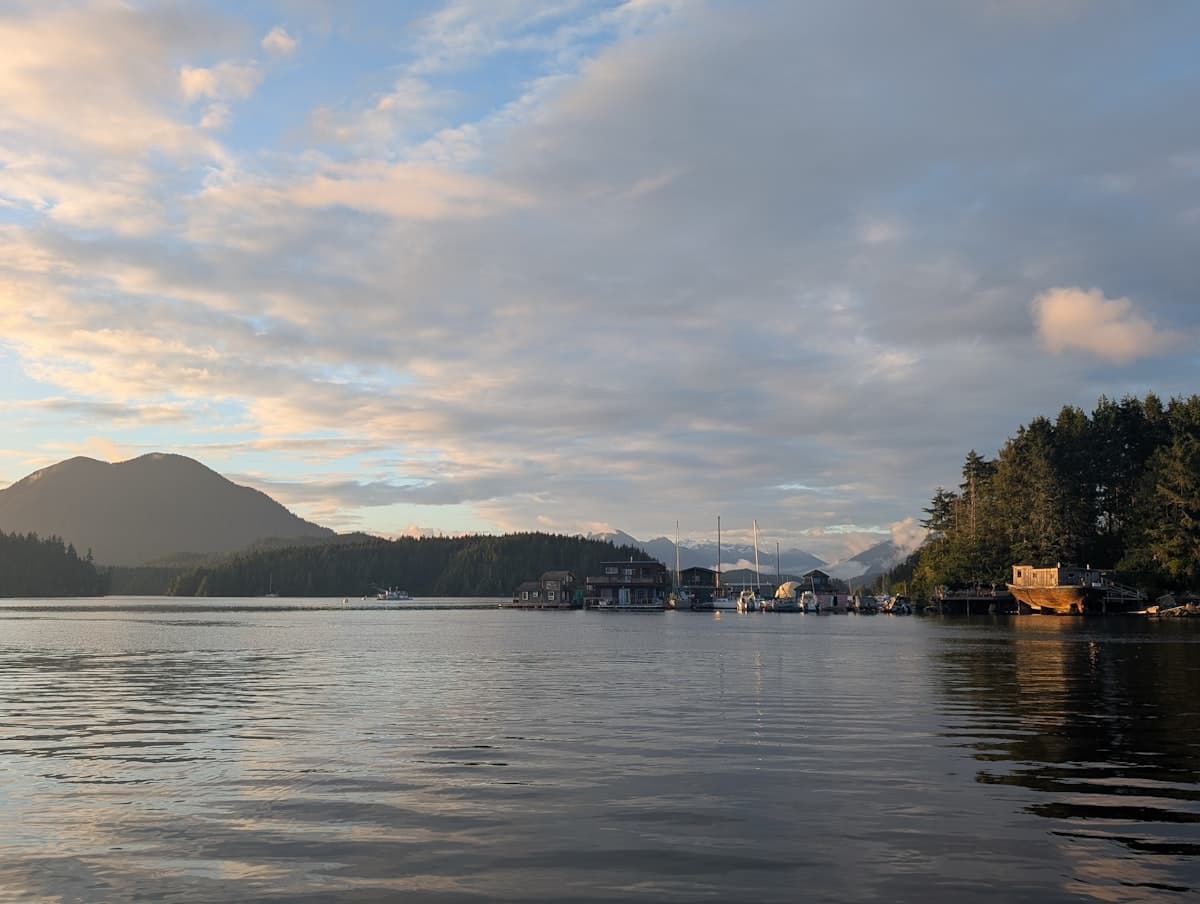
Fishing Tofino and Ucluelet, BC: Planning Your Trip to Vancouver Island's Wild West Coast
Monday, June 15, 2026
How to Fish Tofino and Ucluelet, British Columbia: Chinook Salmon, Halibut, and Lingcod on Vancouver Island's Wild West Coast
Tuesday, December 2, 2025
How to Fish Campbell River, British Columbia: The Salmon Capital of the World and the Legendary Tyee Pool
Thursday, November 27, 2025
 ™
™