
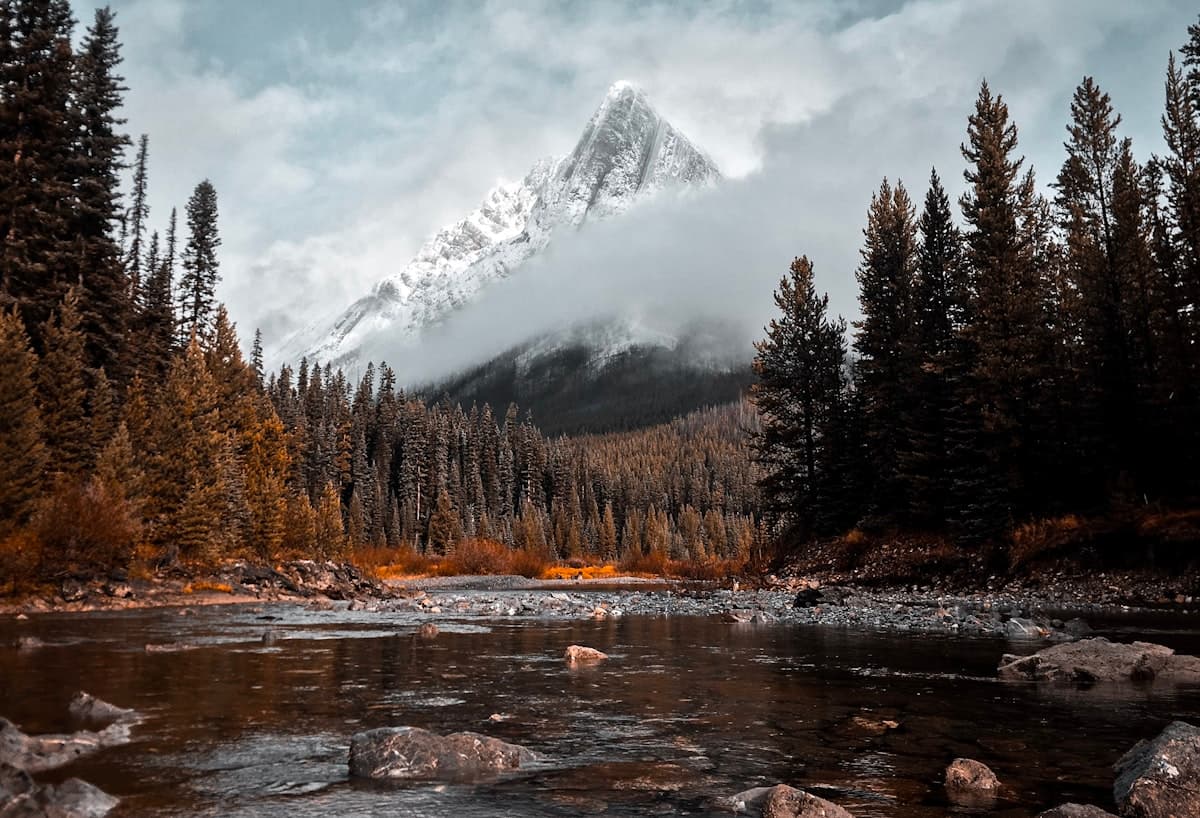
Fishing the Crowsnest River: Alberta's Best-Kept Trout Stream in the Rocky Mountain Foothills
The Crowsnest River in southern Alberta holds 1,500 trout per mile in a small, wadeable mountain stream that most anglers drive past on their way to the Bow — and that's exactly why it fishes so well.

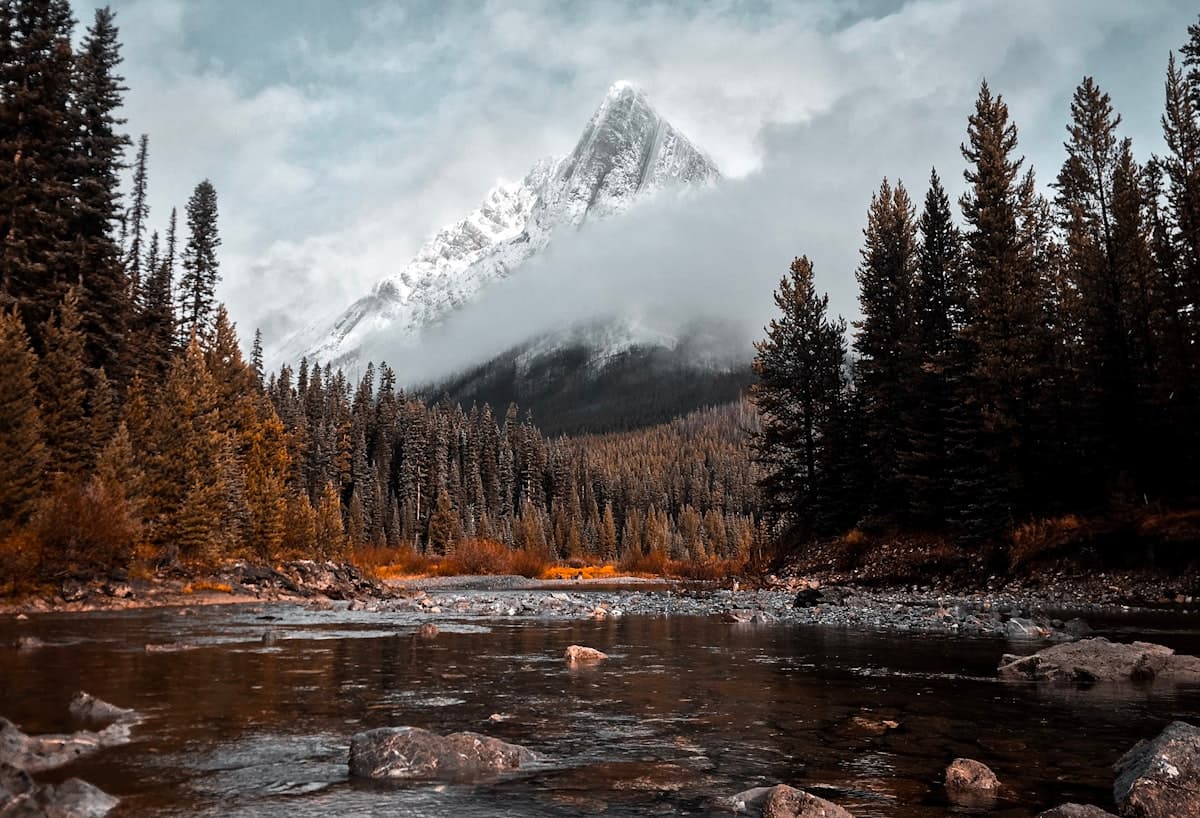
The Crowsnest River does not look like a world-class trout stream. It is small — rarely more than 50 feet wide — and it runs through the old coal mining towns of the Crowsnest Pass in southern Alberta, where the Rocky Mountain foothills transition into prairie. The towns of Coleman, Blairmore, and Bellevue are working communities, not resort destinations. The river parallels Highway 3, and in many places you can see it from the road.
But the Crowsnest holds 1,500 trout per mile — a density that puts it in the same conversation as the Bow River two hours north, despite being a fraction of the Bow's size. Rainbow trout, brown trout, and westslope cutthroat trout share the river, with rainbows and browns averaging 12 to 16 inches and the occasional fish over 20 inches that makes you question everything you know about small-stream fishing.
The Crowsnest is a walk-and-wade river. There are no drift boats, no jet boats, and no need for them. You park along Highway 3, walk down to the river, and fish upstream through pocket water, riffles, runs, and pools that hold trout in every slot. A good angler covering 500 metres of water can catch 20 to 40 trout in a day. A great angler finds the 20-inch rainbow holding behind the log jam that everyone else walks past.
If you are planning a Bow River trip and want to add a second river, the Crowsnest is 2 hours south and fishes completely differently — small water, sight fishing, dry flies on intimate pools where you can see the trout eat.
The River
The fishable Crowsnest runs approximately 30 kilometres from the headwaters above Coleman downstream to the Oldman River confluence near Lundbreck. Highway 3 parallels the river for most of this stretch, providing easy access.
Upper Crowsnest (above Coleman): The smallest section — a mountain creek. Westslope cutthroat trout dominate here, with smaller rainbows. The water is fast, cold, and rocky. Small dry flies and short casts. This is the prettiest section, with mountain scenery and old-growth forest along the banks.
Coleman to Blairmore: The river gains size. Rainbow and brown trout become the primary species. The best combination of access, water variety, and fish density. Multiple pull-offs along Highway 3 provide walk-in access. The river flows through a mix of forest, meadow, and town — you might fish a run behind the Blairmore grocery store and catch a 16-inch rainbow.
Blairmore to Lundbreck Falls: The lower river. Wider and slower, with deeper pools and more brown trout. Less pressure than the upper sections because it requires more walking. Lundbreck Falls is a natural barrier — the river below the falls is a different fishery (warmer, more agricultural).
HUGE Trout, Small River Near Crowsnest Pass — Fly Fishing AlbertaWhat You Are Fishing For
Rainbow trout are the most common species. They hold in the faster water — riffles, runs, pocket water behind boulders — and feed aggressively on the surface during hatches. Rainbows average 12 to 16 inches, with fish over 18 inches available in the deeper runs and pools. They are wild fish — no stocking — and they fight with the explosive energy of cold-water mountain rainbows.
Brown trout prefer the slower, deeper water — pools, undercut banks, and log jams. They are generally larger than the rainbows (14 to 18 inches average, with fish over 20 inches) but harder to catch. Browns are more selective, more spooky, and more likely to refuse a fly that drags or looks wrong. Fall fishing for pre-spawn browns in September and October produces the largest fish of the year.
Westslope cutthroat trout are the native species, found primarily in the upper river and tributary streams. They are smaller (8 to 14 inches) but strikingly beautiful — golden flanks with black spots and the distinctive red slash under the jaw. Cutthroat are the most willing risers — they eat dry flies with confidence and are a delight on light tackle.
Bull trout are present but protected — catch-and-release only, must be released immediately. If you hook one, handle it carefully and let it go. Bull trout in the Crowsnest average 14 to 20 inches.
For detailed fly patterns, hatch timing, and presentation techniques, see our Fly Fishing the Crowsnest River guide.
When to Plan Your Trip
Late June through July (Early Summer): The river clears from spring runoff and the dry fly season begins. Stonefly hatches — including the legendary salmon fly hatch — bring the biggest trout to the surface. Golden stone and yellow sally hatches overlap. This is the most exciting dry fly fishing of the year, with trout eating size 6-10 stonefly dries aggressively.
August (Peak Season): Caddis, PMDs, and terrestrial fishing. The river is at its most consistent — water levels are stable, hatches are predictable, and the trout are actively feeding throughout the day. Hopper fishing begins. August is the best month for first-time visitors because the fishing is the most forgiving.
September and October (Fall): Brown trout pre-spawn. The largest browns become territorial and aggressive, willing to eat streamers and large nymphs. The cutthroat and rainbows are still feeding on fall BWOs and midges. The crowds disappear. The cottonwoods and aspens turn gold against the mountain backdrop. Many locals consider September the best month on the Crowsnest.
November through May (Off-Season): The river is fishable in winter (it does not freeze completely) but access is difficult, the fish are lethargic, and the weather is harsh. Spring runoff (May-June) muddies the river for 2 to 4 weeks. Most visiting anglers fish July through October.
Crowsnest Fall Trout Fishing — AlbertaGuided Options and DIY
The Crowsnest is one of the best DIY fly fishing rivers in Alberta. The access is easy, the water is readable, and the trout are cooperative. But a guide accelerates the learning curve.
Guided walk-and-wade: CAD $500 to $700 for a full day (1-2 anglers). The guide provides all tackle, flies, and lunch. They know which stretches are fishing best, what hatch is about to start, and where the big browns hold. Several Calgary-based guide operations (Dave Brown Outfitters, Bow Crow Fly Fishing) run Crowsnest trips.
DIY: Entirely viable and free (with an Alberta fishing licence). Park along Highway 3, walk down to the river, and start fishing. The water is small enough to read intuitively — riffles hold fish, pools hold fish, and the seams between fast and slow water hold fish. Bring polarized sunglasses and you can sight-fish to individual trout in the clear water.
Local fly shops: The fly shops in Blairmore and the Crowsnest Pass area carry local patterns and provide hatch reports. Also check Calgary fly shops (Fish Tales, Country Pleasures) for current conditions before driving down.
Getting There
By car from Calgary: 2.5 hours south via Highway 2 to Highway 3 (through the Crowsnest Pass). The drive takes you through foothills and prairie into the Rocky Mountain front range — dramatic scenery.
By car from Lethbridge: 1.5 hours west on Highway 3.
From Fernie, BC: 45 minutes east through the Crowsnest Pass. Some anglers combine a Crowsnest trip with fishing the Elk River in BC.
Accommodation: The Crowsnest Pass towns (Coleman, Blairmore, Bellevue) have motels, B&Bs, and vacation rentals. Not luxurious but functional and affordable. The Crowsnest Pass is a real community, not a resort town — bring your own expectations accordingly. Camping is available at nearby provincial recreation areas.
Weather: The Crowsnest Pass sits at 1,350 metres (4,430 feet) elevation. Summer daytime temperatures range from 18 to 28°C (64 to 82°F) with cool evenings (5 to 10°C / 41 to 50°F). Afternoon thunderstorms are common in July and August — they blow through quickly but can muddy the river for a few hours. Bring a rain jacket even on sunny days. Fall temperatures drop fast — September days can be 15°C (59°F) and October mornings can be below freezing. Wind is constant in the Pass — the mountains funnel it through the valley. Dress in layers and be prepared for weather that changes within an hour.
What to Bring
Rod: A 9' 4-weight fly rod is ideal for the Crowsnest. The river is small enough that a 4-weight handles the fish comfortably, and the lighter rod makes 14-inch rainbows feel like trophies. If you only own a 5-weight, it works fine — you will just overpower the smaller fish. A 3-weight is a luxury on the upper Crowsnest for cutthroat.
Waders: Required even in August. The Crowsnest is fed by mountain snowmelt and stays cold (8-14°C / 46-57°F) through the summer. Lightweight breathable waders with wading boots (felt or studded rubber soles) handle the cobble bottom.
Flies: The Crowsnest's hatches are similar to other Rocky Mountain trout streams. Bring size 6-10 Chubby Chernobyls and Stimulators for stonefly season. Sizes 14-16 Elk Hair Caddis and X-Caddis for summer caddis. Sizes 16-20 BWO patterns for spring and fall. Sizes 12-16 Pheasant Tails and Pat's Rubber Legs for nymphing. And a few foam hoppers for August-September.
Polarized sunglasses: Non-negotiable. The Crowsnest is clear enough to sight-fish in most conditions. You will spot trout 20 feet away and cast to specific fish — but only if you can see them. Bronze or copper lenses work best for the greenish water.
Approach gear: The Crowsnest rewards stealth. The river is small and the fish can see you easily. Wear muted colours (no white shirts), approach from downstream, and stay low when walking the banks. A wading staff helps with balance on the slippery cobble and lets you move quietly.
The Crowsnest Pass Community
The Crowsnest Pass is a string of former coal mining towns — Coleman, Blairmore, Bellevue, Hillcrest, and Frank — connected by Highway 3. The coal mines closed decades ago, and the communities now sustain themselves on forestry, tourism, and the determination of people who love living in the mountains.
The area has a raw, authentic character that resort towns lack. The Rum Runner pub in Coleman serves cold beer and burger baskets. The Crowsnest Museum tells the story of the Frank Slide — a catastrophic 1903 rockslide that buried part of the town of Frank and is still visible as a massive field of boulders along the highway. The Pass has community events, farmers markets, and the kind of local knowledge that only comes from a place where people actually live, not just vacation.
For anglers, the community adds texture to a fishing trip. You are not in a sanitized tourism bubble. You are fishing a river that runs through real towns where the hardware store clerk can tell you which pools are fishing and the gas station attendant knows where the salmon flies hatched yesterday.
Beyond the Crowsnest
Oldman River: The Crowsnest flows into the Oldman River at Lundbreck. The Oldman below the Crowsnest confluence holds brown and rainbow trout in wider, deeper water — a different character from the Crowsnest itself. Worth exploring for a half-day if you have extra time.
Crowsnest Lake and Allison Lake: Stillwater options in the Pass area. Both hold rainbow and brook trout. Float tube or shore fishing. A good change of pace from the river.
Elk River (BC): 45 minutes west through the Crowsnest Pass. One of the premier cutthroat trout rivers in British Columbia. Some anglers fish the Crowsnest in the morning and the Elk in the afternoon (requires a BC fishing licence in addition to Alberta).
Castle Provincial Park: South of the Crowsnest Pass. Backcountry hiking, westslope cutthroat streams, and genuine wilderness. The Castle River and its tributaries hold native cutthroat in mountain settings that see very few anglers.
Fishing Licence and Regulations
Alberta fishing licence required. Non-residents: approximately CAD $90/year or $30 for 5 days. The Crowsnest River has specific regulations — catch-and-release for all trout with single barbless hooks on most sections. Bait is prohibited. Bull trout must be released immediately. Check the current Alberta Guide to Sportfishing Regulations for the specific zones.
High Water Streamer Fishing on Alberta's Crowsnest River Fly Fishing in Canada — Crowsnest RiverTop Fishing Guides in Crowsnest Pass
The Crowsnest is a small river with big fish, and a guide who walks this water regularly knows which runs are holding trout today, which hatch is about to pop, and where the 20-inch brown trout lives behind the third log jam downstream from the bridge. One guided day teaches you the river's personality faster than a week of exploring on your own.
Alberta Fly Fishing
Crowsnest Pass, AB, CA
Alberta Fly Fishing brings over 24 years of expertise to Southern Alberta's most pristine waters. Owner Alan Brice and his experienced guide team specialize in personalized fly fishing instruction for anglers of all skill levels, from complete beginners to accomplished veterans. Whether focusing on dry fly, nymph, or streamer techniques, each trip is thoughtfully tailored to match individual goals and experience. Operating in the heart of the Rocky Mountains, Alberta Fly Fishing leverages intimate knowledge of local river systems to consistently find productive water and help clients land impressive fish. Beyond the catch, guides emphasize casting fundamentals and river dynamics, transforming every outing into a meaningful learning experience. Clients depart not only with memorable days on the water but with genuinely improved skills and deeper understanding of fly fishing craft.
Crowsnest Adventures
Crowsnest Pass, AB, CA
Crowsnest Adventures is a premier fishing guide service nestled in Alberta's stunning Crowsnest Pass, offering expert-led trips on both Crowsnest Lake and the Crowsnest River. Their knowledgeable local guides specialize in targeting trout across diverse water types, providing anglers with intimate knowledge of the region's best fishing spots. The team tailors each outing to individual preferences, offering active walk-and-wade expeditions for those seeking adventure or leisurely lake days via belly boat and shore fishing for a more relaxed pace. Their commitment to personalized service and deep local expertise ensures every angler—whether seasoned or discovering the waters for the first time—experiences the Crowsnest's exceptional fishing in the style that suits them best.
Recommended Gear
Sage R8 Core 9' 4wt Fly Rod
The ideal Crowsnest rod — light enough for 12-inch fish, strong enough for 20-inch surprises
Lamson Liquid Fly Reel
Sealed drag handles the occasional big brown — most of the time you're hand-stripping
Scientific Anglers Amplitude Smooth Trout Line
Floating line — 90% of Crowsnest fishing is dry fly and nymph
Simms Tributary Stockingfoot Waders
The Crowsnest is cold mountain water — waders required even in August
Simms Tributary Wading Boots
Felt or studded rubber — the river cobble is slippery
Umpqua River Grip Trout Selection
BWOs, caddis, stoneflies, PMDs — the hatches that drive Crowsnest fishing
Fishpond Nomad Mid-Length Net
Rubber mesh catch-and-release net — small enough for walk-and-wade
Smith Guide's Choice Polarized Sunglasses
Sight fishing — spot trout in the clear Crowsnest water before you cast
Fishpond Thunderhead Submersible Sling
Light sling pack for walking the river — holds flies, leaders, and a water bottle
Loon Outdoors Aquel Fly Floatant
Dry fly floatant — the Crowsnest is dry fly water and your flies need to float
Frequently Asked Questions
How big are the trout in the Crowsnest River?
Rainbow trout average 12-16 inches, brown trout 14-18 inches, cutthroat 8-14 inches. Fish over 20 inches are caught regularly, especially browns in fall. The river holds an estimated 1,500 trout per mile — impressive density for a small mountain stream.
When is the best time to fish the Crowsnest River?
Late June-July for stonefly hatches (the most exciting dry fly fishing). August for consistent all-day fishing with caddis and hoppers. September-October for large pre-spawn brown trout. The river fishes best from late June through October.
Do I need a guide for the Crowsnest River?
No — the Crowsnest is one of the best DIY fly fishing rivers in Alberta. Easy highway access, readable water, and cooperative trout. But a guide (CAD $500-700/day) accelerates the learning curve and puts you on the best water. The Crow is walk-and-wade only, no drift boats.
How do I get to the Crowsnest River?
2.5 hours south of Calgary via Highway 2/3, 1.5 hours from Lethbridge, or 45 minutes from Fernie, BC. Highway 3 parallels the river through the Crowsnest Pass, providing multiple access points. Accommodation in Coleman, Blairmore, and Bellevue.
What species are in the Crowsnest River?
Rainbow trout (most common), brown trout (largest), westslope cutthroat trout (native, upper river), and bull trout (protected, catch-and-release only). All are wild fish — no stocking. The river holds all three major trout species in one fishery.
Related Articles
Fishing the Bow River in Calgary: World-Class Trout Water Running Through a Major City
Saturday, May 30, 2026
Fly Fishing the Bow River, Alberta: Hatches, Dry Flies, and Drift Boat Strategies for Trophy Brown Trout
Wednesday, June 10, 2026
Fly Fishing the Crowsnest River, Alberta: Small-Stream Tactics for Wild Trout in the Rocky Mountain Foothills
Friday, June 5, 2026
 ™
™