
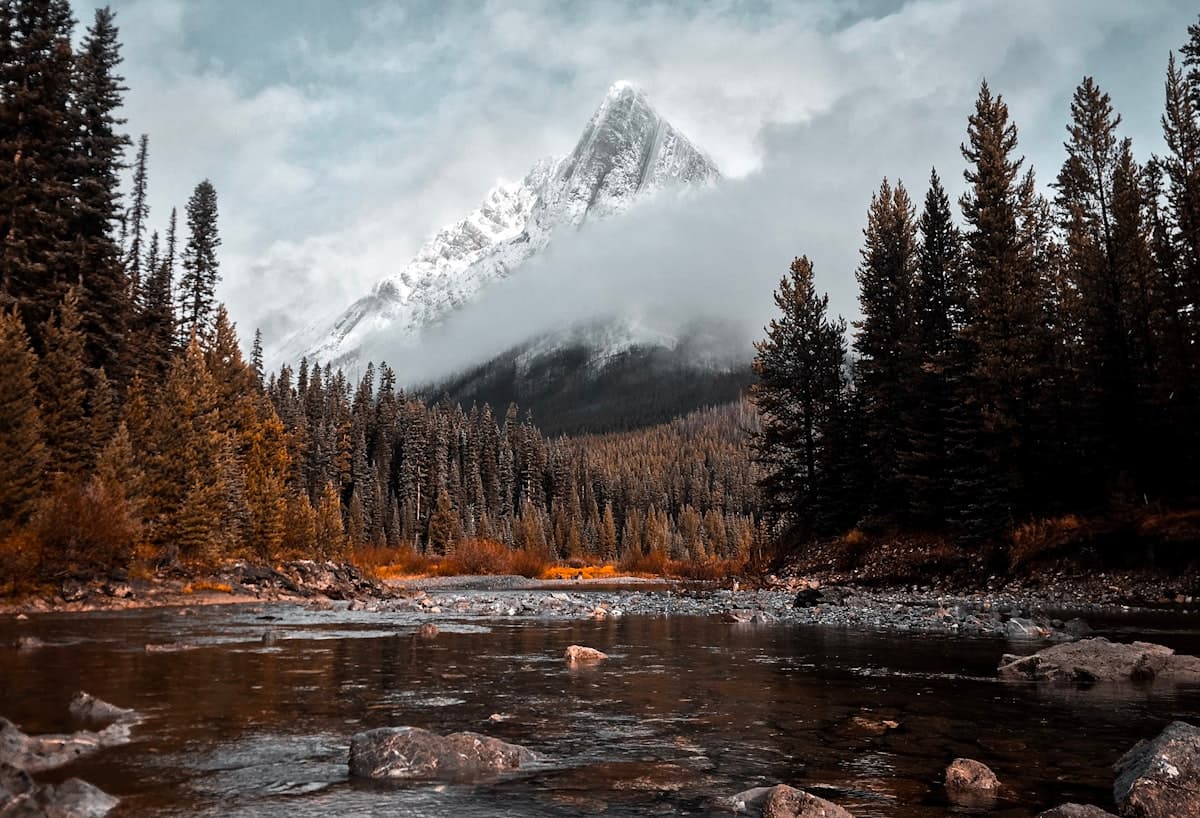
Fly Fishing the Crowsnest River, Alberta: Small-Stream Tactics for Wild Trout in the Rocky Mountain Foothills
The Crowsnest River is a walk-and-wade paradise — a small mountain stream with 1,500 trout per mile, prolific hatches, and the kind of intimate dry fly fishing that makes you forget drift boats exist.

Fly fishing the Crowsnest River is a different discipline from fishing the Bow. There are no drift boats, no 80-foot casts, and no need for sink-tip lines. The Crowsnest is a small mountain stream — 30 to 50 feet wide in most places — where the longest cast you make all day might be 40 feet. Most of the fishing happens at 15 to 30 feet, and a significant portion happens at 10 feet or less. The skill that matters most is not casting distance. It is approach, presentation, and the ability to read pocket water.
The trout density (1,500 per mile) means there are fish in virtually every piece of holding water. The challenge is not finding fish — it is not spooking them before you make a cast. On the Crowsnest, stealth is the technique.
For trip planning, seasons, and logistics, see our Crowsnest River destination guide.
Small-Stream Approach
On a big river like the Bow, you can stand in the open and cast 60 feet to a feeding trout. On the Crowsnest, a trout 30 feet away can see you, feel your footsteps, and detect the shadow of your rod tip on the water. The approach matters as much as the fly.
Fish upstream. Always. Walk upstream and cast upstream. Trout face into the current, so approaching from downstream puts you behind them. They see forward and to the sides, not behind. Moving upstream also means any silt you kick up drifts away from the fish you are approaching.
Stay low. Crouch when moving along the bank. Kneel when casting into shallow pools. The lower your profile, the less likely a trout will detect your silhouette against the sky. On bright days with clear water, your shadow on the water surface is a bigger threat than your fly selection.
Wade slowly. Each step on the cobble sends vibrations through the water that trout can feel through their lateral lines. Move one foot at a time, place it carefully, and wait before shifting your weight. Splashing, stumbling, and grinding rocks together will clear a pool of trout for 10 minutes.
Use the cover. Trees, bushes, boulders, and high banks break up your outline. Fish from behind cover whenever possible. On the Crowsnest, the angler who catches the most fish is often the one who is most patient about positioning before the first cast.
Fly Fishing an Alberta River for Big Rainbows and CutthroatsThe Hatches
The Crowsnest's insect life is diverse and predictable. Matching the hatch is important here — the trout see a lot of flies and will refuse a poor imitation during a heavy hatch.
Stoneflies (Late June - July)
The salmon fly and golden stonefly hatches are the highlight of the Crowsnest season. These large insects (sizes 6-10) crawl out of the river to emerge on streamside rocks and vegetation. Adults that fall back onto the water are eaten with explosive surface takes.
Patterns: Chubby Chernobyl (tan/orange, 8-10), Stimulator (yellow, 8-10), Pat's Rubber Legs (brown/black, 8-12 — as a dry or nymph). The Chubby Chernobyl is the confidence pattern — it is buoyant enough to support a dropper, visible in broken water, and trout eat it without hesitation during stonefly season.
Where: Riffles and runs with cobble and boulder substrates. Stoneflies live in fast, well-oxygenated water and the trout that eat them hold in the adjacent slower water — the seams, eddies, and tail-outs below the riffles.
Caddis (July - September)
Caddis are the Crowsnest's bread-and-butter hatch. Multiple species overlap through the summer, and on warm evenings the air above the river fills with swarming caddis adults. Trout feed on larvae (subsurface), emerging pupae, and egg-laying adults.
Patterns: Elk Hair Caddis (tan, 14-16), X-Caddis (olive or tan, 14-16), CDC Caddis Emerger (14-16), LaFontaine Deep Sparkle Pupa (14-16 for subsurface). The Elk Hair Caddis is the default — if you see caddis in the air and fish rising, tie one on.
Technique: Active presentation. Caddis adults skitter and bounce on the surface when egg-laying. A slight twitch of the rod tip after the fly lands can trigger strikes from trout that ignored a dead-drifted fly. This is one of the few situations where intentional drag can work in your favour.
Mayflies (May - October)
BWOs (Blue-Winged Olives): Sizes 16-20. The most important mayfly on the Crowsnest. They hatch on overcast, drizzly days in spring and fall — exactly the conditions that make the fishing magical. Parachute BWO, RS2, and Sparkle Dun are the patterns. Fish them dead-drift in the film — no drag.
PMDs (Pale Morning Duns): Sizes 14-16. A reliable summer hatch, particularly on warm mornings. Sparkle Dun, Parachute PMD, and Comparadun in pale yellow. PMDs bring the quieter, more selective risers to the surface.
Tricos: Sizes 18-22. Late summer morning hatches that produce the most technical fishing on the Crowsnest. The spinner falls create dense mats of tiny spent flies on the surface. Trout sip them steadily and will reject anything that does not sit perfectly flush in the film. Trico fishing rewards patience and precise presentation.
Terrestrials (July - September)
Grasshoppers, ants, and beetles fall into the river from the grassy banks throughout summer. On windy days, the terrestrial input increases and trout key on it.
Patterns: Foam hopper (Morrish Hopper, Amy's Ant in sizes 8-12), foam beetle (sizes 12-14), flying ant (sizes 14-16). The hopper-dropper rig (hopper on top, small beadhead nymph trailing 18 inches below) is the most versatile summer setup on the Crowsnest.
Fly Fishing Canada — Crowsnest River ClassicNymphing the Crowsnest
When trout are not rising, nymphing is the way to catch them. The Crowsnest's small size makes Euro nymphing particularly effective — the short casting distances and pocket water structure are ideal for tight-line techniques.
Euro Nymphing
A 10' 3-weight rod with a mono leader and sighter. Two small, heavy nymphs — a tungsten Perdigon (14-16) on point and a soft-hackle or Pheasant Tail (16-18) on a dropper. Lead the nymphs through the pockets, along seams, and through the heads of pools. On the Crowsnest, Euro nymphing is devastatingly effective because you can cover every pocket and slot in a riffle without the splash of an indicator.
Dry-Dropper
The most versatile rig on the Crowsnest. A buoyant dry fly (Chubby Chernobyl, hopper, or Stimulator) with a small beadhead nymph (Pheasant Tail, Copper John, or Prince Nymph) trailing 12 to 18 inches below on 5X tippet. The dry fly acts as both a target for surface-feeding fish and an indicator for the nymph. This rig covers both options simultaneously and is the default setup for prospecting through unfamiliar water.
Streamer Fishing
Less common on the Crowsnest than the Bow, but effective for targeting the largest browns — particularly in fall (September-October) and during high water events.
Patterns: Small Woolly Buggers (8-10, olive or black), Sculpzilla (6-8), and small Zonkers (6-8). Strip them through the deeper pools and along undercut banks. On a small river, a streamer cast tight to a log jam can produce the biggest fish of the day — a 20-inch brown that ignores every nymph and dry fly.
Small-stream streamer technique: You are not making long casts and aggressive strips like on the Bow. On the Crowsnest, cast the streamer upstream into the head of a pool, let it sink as it drifts through the deepest water, and strip it slowly back toward you. The retrieve imitates a small sculpin or minnow moving through the pool. Keep the strip short — 4 to 6 inches — with pauses. Browns often follow a streamer for several feet before committing. If you see a flash or feel a bump, keep stripping. Stop and they lose interest.
When to throw streamers: After rain, when the river is slightly off-colour (visibility 2-3 feet instead of the usual 6+). Also early morning before the sun hits the water, and on overcast fall days when big browns are territorial and aggressive. If you fish streamers all day on the Crowsnest you will catch fewer fish than nymphing, but the average size will be significantly larger.
Seasonal Fly Selection Guide
A compact fly box for the Crowsnest should cover these scenarios:
Early season (late June - early July): Stonefly dries (Chubby Chernobyl 8-10, Stimulator 8-10), stonefly nymphs (Pat's Rubber Legs 8-12, Girdle Bug 8-10), BWO dries and emergers (Parachute BWO 16-20, RS2 18-20), and a handful of small nymphs (Pheasant Tail 16-18, Copper John 14-16).
Mid-summer (July - August): Caddis dries (Elk Hair Caddis 14-16, X-Caddis 14-16), hopper patterns (Morrish Hopper 8-10, foam beetle 12-14), PMD dries (Sparkle Dun 14-16), and the dry-dropper nymphs (Pheasant Tail 16-18, Prince Nymph 14-16). This is when the hopper-dropper rig earns its reputation.
Fall (September - October): BWO dries and emergers (same as early season), small streamers (Woolly Bugger 8-10, Sculpzilla 6-8), Trico spinners (18-22) for technical morning fishing, and larger nymphs (San Juan Worm 10-12, egg patterns 12-14) for the pre-spawn browns. Fall BWO hatches on the Crowsnest can be spectacular — dense enough that every trout in a pool is rising simultaneously.
Year-round confidence patterns: If you could only carry five flies on the Crowsnest: Chubby Chernobyl (10), Elk Hair Caddis (14), Pheasant Tail Nymph (16), Parachute BWO (18), and a Woolly Bugger (8). These five patterns cover 80% of fishing situations across all seasons.
Tippet and Leader for Small Water
The Crowsnest's clear water and educated trout demand fine tippet — but the small stream also means you are fighting fish at close range with trees and logs behind you.
Dry fly: 5X fluorocarbon or nylon, 3 to 4 feet of tippet off a 9-foot tapered leader. Long tippet gives a drag-free drift. Some anglers go to 6X during Trico hatches or on flat pools with spooky fish.
Nymphing: 5X fluorocarbon. The fluorocarbon sinks better than nylon and is less visible in the water. Keep the tippet to 2 to 3 feet — on a small stream you do not need the long leaders required on big water.
Streamers: 3X or 4X fluorocarbon, 3 feet. The heavier tippet turns over small streamers and handles the head-shaking of large browns in tight quarters.
The practical trade-off: On the Crowsnest, going too light means breaking off fish in the logs and losing flies. Going too heavy means fewer takes. 5X is the sweet spot for most situations — strong enough to land a 20-inch fish if you handle it well, fine enough that the trout do not notice it.
Fly Fishing the Crowsnest Pass Lakes of AlbertaReading Crowsnest Water
Small-stream water reading is more intuitive than big-river reading. The Crowsnest's structure is visible and obvious — you can see the boulders, the logs, and the depth changes. The key is knowing which features hold trout and in what order to fish them.
Pocket water: The boulder-strewn riffles that make up much of the Crowsnest. Every boulder creates a pocket of slower water behind it where a trout can hold out of the current. Fish each pocket individually — one cast per pocket, working upstream methodically. This is where the majority of Crowsnest rainbows live.
Pool heads: Where the riffle dumps into a pool. The concentrated current carries food into the pool, and trout stack up at the head to intercept it. The most productive spot in any pool — fish it first.
Pool tails: The smooth, shallow water at the downstream end of a pool. Trout that feed here are exposed and easily spooked, but they also have the best view of approaching food. A drag-free dry fly drifted through a pool tail during a hatch is the highest-percentage cast on the Crowsnest.
Undercut banks and wood: Where the biggest browns live. Approach from downstream, cast tight to the structure, and let your fly drift along the edge. If a brown is home, it will eat within the first 6 inches of drift.
The Breezy Boar — Fly Fishing Southern AlbertaTop Fishing Guides in Crowsnest Pass
A Crowsnest guide walks this river every week and knows where each pool's big brown has moved, which hatch is about to start, and which section is fishing best at today's water level. On a small stream where stealth and precision matter more than casting power, that intimate knowledge of the water turns a good day into a 30-fish day.
Alberta Fly Fishing
Crowsnest Pass, AB, CA
Alberta Fly Fishing brings over 24 years of expertise to Southern Alberta's most pristine waters. Owner Alan Brice and his experienced guide team specialize in personalized fly fishing instruction for anglers of all skill levels, from complete beginners to accomplished veterans. Whether focusing on dry fly, nymph, or streamer techniques, each trip is thoughtfully tailored to match individual goals and experience. Operating in the heart of the Rocky Mountains, Alberta Fly Fishing leverages intimate knowledge of local river systems to consistently find productive water and help clients land impressive fish. Beyond the catch, guides emphasize casting fundamentals and river dynamics, transforming every outing into a meaningful learning experience. Clients depart not only with memorable days on the water but with genuinely improved skills and deeper understanding of fly fishing craft.

Crowsnest Adventures
Crowsnest Pass, AB, CA
Crowsnest Adventures is a premier fishing guide service nestled in Alberta's stunning Crowsnest Pass, offering expert-led trips on both Crowsnest Lake and the Crowsnest River. Their knowledgeable local guides specialize in targeting trout across diverse water types, providing anglers with intimate knowledge of the region's best fishing spots. The team tailors each outing to individual preferences, offering active walk-and-wade expeditions for those seeking adventure or leisurely lake days via belly boat and shore fishing for a more relaxed pace. Their commitment to personalized service and deep local expertise ensures every angler—whether seasoned or discovering the waters for the first time—experiences the Crowsnest's exceptional fishing in the style that suits them best.
Recommended Gear
Sage R8 Core 9' 4wt Fly Rod
The Crowsnest standard — light, precise, handles pocket water and pools
Sage ESN II 10' 3wt Fly Rod
Euro nymphing — tight-line technique through pocket water and riffles
Lamson Liquid Fly Reel
Simple sealed drag — most Crowsnest fish are hand-stripped anyway
Scientific Anglers Amplitude Smooth Creek Line
Short-cast floating line — built for the 15-30 foot casts the Crowsnest demands
RIO Euro Nymph Shorty Line
Purpose-built Euro line for the 10' 3wt nymph rod
Simms Tributary Stockingfoot Waders
Breathable waders for mountain water — cold even in August
Simms Tributary Wading Boots (Felt)
Felt soles for grip on the Crowsnest's slippery cobble bottom
Smith Guide's Choice Polarized Sunglasses
Sight-fishing essential — bronze lenses for clear mountain water
Umpqua UPG Fly Box (Small)
Compact box for walk-and-wade — holds a day's worth of patterns without bulk
Fishpond Thunderhead Submersible Sling
Light sling pack — all you need for a day walking the Crowsnest
Frequently Asked Questions
What rod should I use for the Crowsnest River?
A 9' 4-weight is ideal — light enough to enjoy 12-inch fish, strong enough for the occasional 20-inch brown. A 3-weight works on the upper river for cutthroat. For Euro nymphing, a 10' 3-weight. You rarely need to cast more than 30-40 feet on the Crowsnest.
What are the most important flies for the Crowsnest?
Chubby Chernobyl (8-10) for stonefly season and as an indicator dry. Elk Hair Caddis (14-16) for summer evenings. BWO Parachute (16-20) for spring/fall. Pheasant Tail Nymph (14-18) and Perdigon (14-16) for subsurface. A foam hopper (8-12) for July-September.
Is the Crowsnest River hard to wade?
Moderate difficulty. The river is small (30-50 feet wide) and rarely above waist-deep, but the cobble is slippery and the current is deceptively strong in the riffles. Felt-soled or studded wading boots are essential. A wading staff helps. Wade slowly and carefully — noise spooks fish.
Can I sight-fish on the Crowsnest?
Yes — the water is clear enough to spot individual trout from the bank in most conditions. Polarized sunglasses (bronze or copper lenses) are essential. The ability to see fish before casting — and approach without spooking them — is the most important skill on the Crowsnest.
How does the Crowsnest compare to the Bow River for fly fishing?
Completely different experiences. The Bow is big water, drift boats, and long casts for 18-20 inch trout. The Crowsnest is small water, walk-and-wade, short casts, and 12-16 inch trout with an intimate, sight-fishing character. The Bow is about coverage; the Crowsnest is about precision. Both are world-class.
Related Articles

Fly Fishing the Bow River, Alberta: Hatches, Dry Flies, and Drift Boat Strategies for Trophy Brown Trout
Wednesday, June 10, 2026
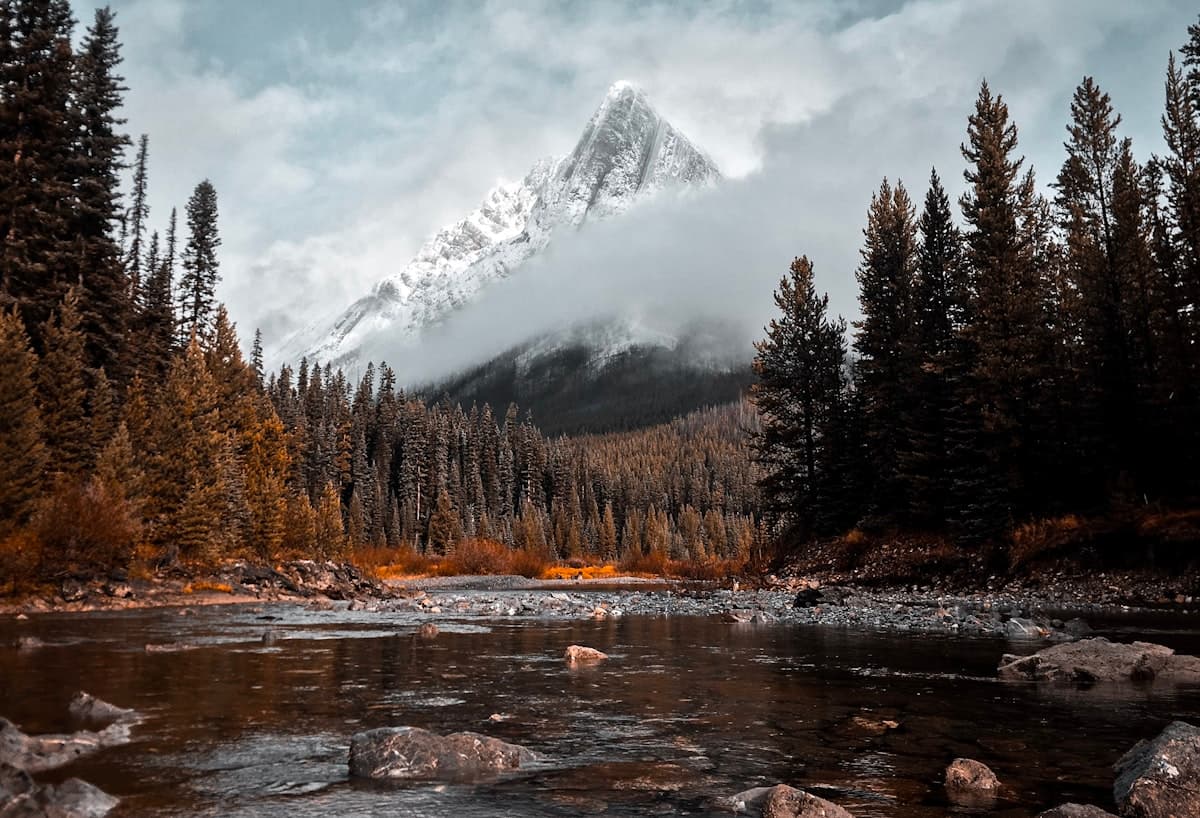
Fishing the Crowsnest River: Alberta's Best-Kept Trout Stream in the Rocky Mountain Foothills
Monday, May 25, 2026
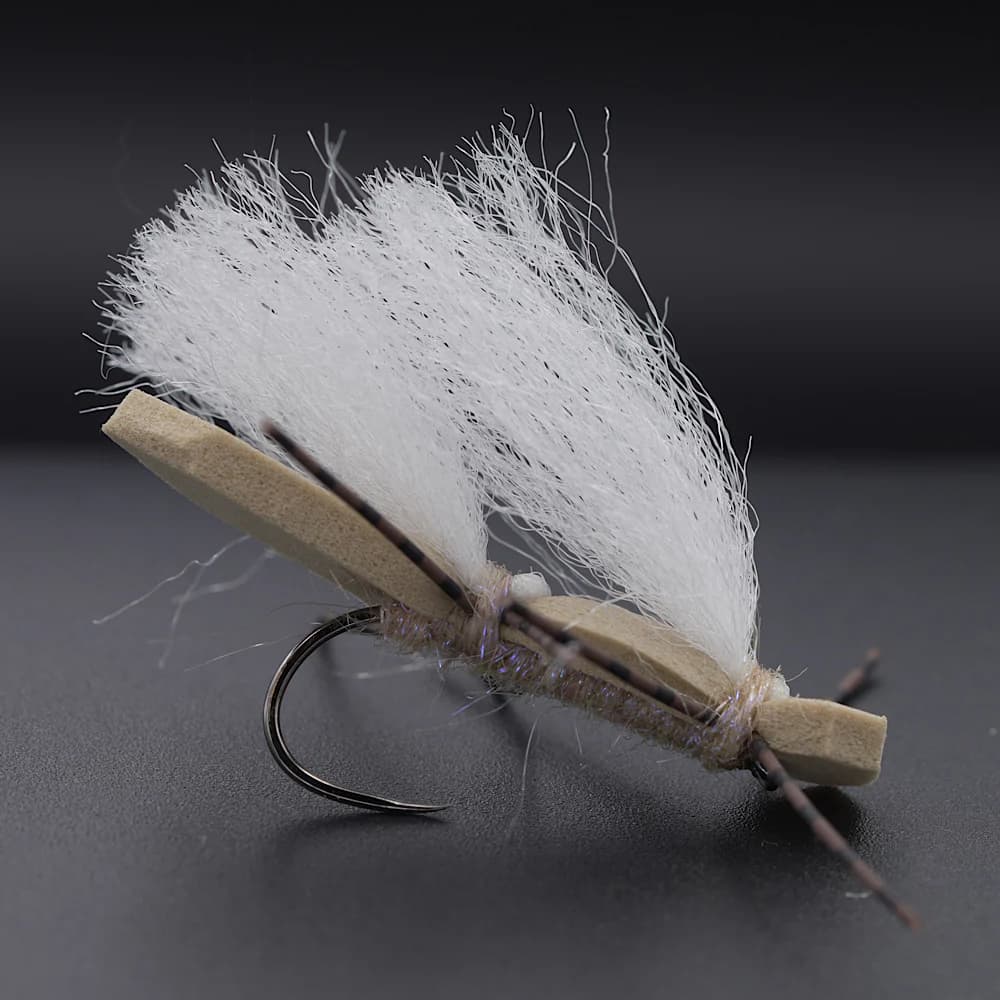
The Chubby Chernobyl: The Foam Fly That Does Two Jobs at Once — Catches Fish and Holds Your Dropper
Thursday, March 26, 2026
 ™
™