
The Mouse Pattern: How to Tie the Fly That Makes Trophy Brown Trout Lose Their Minds
Nothing in fly fishing matches the violence of a big brown trout eating a mouse off the surface at midnight. The mouse pattern -- foam, deer hair, and a rabbit strip tail -- is how you hunt the largest, most predatory trout in the river.

There is a moment in mousing -- the discipline of fishing mouse patterns after dark for trophy brown trout -- that no other technique in fly fishing replicates. You are standing in a river you cannot see, casting a fly you cannot see, to a fish you cannot see. The current is a sound. The far bank is a suggestion. Your fly lands with a deliberate splat -- the splat is the presentation, not an accident -- and you begin a slow, steady retrieve that pushes a V-wake across the surface. Then, from somewhere in the black water, a detonation. Not a rise. Not a sip. A detonation. The kind of strike that sends water into the air and stops your heart for a full second before the rod loads and the fight begins.
The fish that eat mice are the largest brown trout in any river. Not the 14-inch fish sipping Blue-Winged Olives in the afternoon. Not the 18-inch fish nymphing Pheasant Tails in the riffles. The 24-inch, 26-inch, 28-inch fish -- the ones that have graduated from insects to protein. The nocturnal predators that spend their days under log jams and cut banks and emerge after dark to hunt.
Ken Morrish created the Morrish Mouse after hearing that giant rainbow trout on Russia's Kamchatka Peninsula ate mice with abandon. He built a fly with a foam body, deer hair collar, and rabbit strip tail that pushed water, created a wake, and landed with the right amount of disturbance. The pattern became the standard. Dave Whitlock's Mouserat -- an older design with a spun deer hair body -- laid the groundwork. But it was the Morrish Mouse and its foam-body descendants that made mousing accessible to every angler willing to fish in the dark.
In Alaska, mousing isn't a night game -- the midnight sun means you can fish mouse patterns for Katmai's trophy rainbows at 2 AM in full daylight. In the Lower 48, mousing is nocturnal by nature, and the fish that eat mice are the fish that define a river's trophy potential.
What It Imitates
Mouse patterns imitate exactly what you'd expect -- mice, voles, shrews, and other small rodents that fall into or swim across rivers. It happens more often than most anglers realize. Mice are poor swimmers but persistent ones, and they regularly enter water to cross from one bank to the other, escape predators, or simply fall in from undercut banks.
Brown trout, large rainbows, and bass are opportunistic predators that have learned that a mouse on the surface is a massive calorie payoff for a single strike. A mouse represents 10 to 20 times the caloric value of a mayfly. For a trophy brown trout that needs thousands of calories daily to maintain its body weight, one mouse is worth a hundred insects.
The key visual cues: a dark silhouette on the surface, a V-wake from movement, and the sound of displacement. Mouse patterns don't need to look realistic -- they need to push water, create a wake, and land with a splat that says "something alive just hit the surface."
The Recipe -- Morrish Mouse
| Component | Material |
|---|---|
| Hook | Heavy wire streamer hook, #2-6 (TMC 8089, Gamakatsu B10S) |
| Thread | UTC 140, black or brown |
| Tail | Rabbit strip, 2-3 inches (black, brown, or natural) |
| Body | Closed-cell foam (2mm black or brown), folded over hook shank |
| Collar | Spun deer hair, trimmed flat on bottom |
| Weed guard | Optional -- 20lb mono loop |
| Eyes | Optional -- small dumbbell or bead chain for subtle nose weight |
The Variations
Morrish Mouse (#2-6) -- The standard. Foam body with deer hair collar and rabbit strip tail. Floats indefinitely, pushes a great wake, lands with the right splat. This is the pattern that 90% of serious mousers fish. Black and brown are the primary colors. Tie it on a #4 for most rivers, #2 for Alaska.
Mouserat / Whitlock Mouse (#2-6) -- Dave Whitlock's original. Full spun deer hair body, trimmed to shape. More realistic silhouette than the Morrish but absorbs water over time and becomes heavier to cast. The purist's mouse. Takes 15-20 minutes to tie versus 5 for the Morrish.
Master Splinter (#2-4) -- A modern foam mouse with articulated body sections that create a more lifelike swimming action. The segmented body undulates on the retrieve. Designed for night fishing on Eastern tailwaters. Named after the Ninja Turtles character.
Mr. Hankey (#2-4) -- An Alaska favorite. Simple foam-and-rubber-legs construction, fast to tie, durable. The rubber legs add subtle movement on the pause. Named for... well, you can guess. Ugly fly, beautiful results.
Foam Gurgler Mouse (#4-6) -- A hybrid between a gurgler and a mouse pattern. The foam lip creates a popping/gurgling action on the strip. Good for anglers who want more surface disturbance than a standard mouse wake.
Deer Hair Diver (#2-4) -- Larry Dahlberg's design adapted for mousing. The flared deer hair head dives on the strip and pops back up on the pause. Covers two feeding zones -- surface and just below. Effective when fish are hitting short on standard mouse patterns.
Where to Fish It
Mouse patterns work on any river that holds large predatory trout or bass. But some fisheries are defined by mousing, and the pattern isn't optional there.
-
Katmai National Park, Alaska -- The motherland. Trophy rainbows in the 20-28 inch range eat mouse patterns on the surface at all hours during the midnight sun. The Brooks River, Kulik River, and American Creek are legendary mousing water. Fish mouse patterns with a steady wake-producing retrieve along the banks.
-
Denali National Park, Alaska -- Arctic grayling and resident rainbows eat mouse patterns on wilderness streams where the fish have never seen a fly. The combination of midnight sun and naive fish makes Denali one of the best mousing destinations in the world.
-
Caney Fork River, Tennessee -- A 30-inch brown trout was documented caught on a mouse pattern at night. The Caney Fork's trophy browns are nocturnal feeders that respond to mouse patterns fished through deep runs and along rocky banks after dark.
-
Madison River, Montana -- The Madison's big browns are classic mousing targets. Fish the banks after dark in the fall when pre-spawn aggression peaks. Sections between Ennis and Beartrap Canyon hold the largest fish.
-
Bighorn River, Montana -- Night mousing on the Bighorn targets the biggest browns in the system. Fish foam mice along the grassy undercut banks in the walk-in section below Afterbay Dam.
-
White River, Arkansas -- Trophy browns in the tailwater below Bull Shoals Dam eat mouse patterns on summer nights. The constant cold water maintains big fish year-round.
Mouse patterns also pair with other topwater flies in your box. A Chubby Chernobyl is a smaller, daytime topwater option. The Muddler Minnow can be skated across the surface as a mini-mouse in lower light conditions.
How to Tie It -- Video Tutorials
Morrish Mouse Fly Pattern -- Tying Tutorial MouseRat -- Dave Whitlock Deer Hair Mouse How to Tie the Bubble Gum Mouse -- Topwater Fly TyingTips From the Vise
Use foam, not deer hair, for your first mouse. Spun deer hair mice are beautiful but take 20 minutes to tie and absorb water. Foam mice take 5 minutes, float forever, and catch the same fish. Learn the Morrish Mouse first, then graduate to deer hair if you want the challenge.
Leave the tail long. The rabbit strip tail should extend 2-3 inches past the hook bend. The undulating tail is a major trigger -- it looks like a mouse's tail trailing through the water. Too short and the fly looks like a cork, not a rodent.
Make the splat intentional. When casting a mouse, don't try for a delicate presentation. Slap it down. The sound of a mouse hitting the water is part of what attracts fish. Cast slightly past your target line and let the fly land hard, then begin your retrieve immediately.
Strip slow and steady. The retrieve should create a consistent V-wake, not erratic strips. Real mice swim with a steady paddling motion, not the dart-and-pause of a baitfish. A slow, continuous strip with the rod tip low to the water produces the most strikes.
Fish the banks, not the middle. Mouse patterns are bank flies. Cast tight to undercut banks, overhanging brush, log jams, and grassy edges. That's where big trout hold during the day, and that's where they expect mice to enter the water.
Build Your Box
Tie a dozen Morrish Mice in black and brown in sizes 4 and 2 -- that covers every mousing scenario from Eastern tailwaters to Alaska. Add a half-dozen Mr. Hankey patterns in #4 for faster tying and durability. If you fish Alaska, double the quantities and add olive. That's 24-30 flies, and you'll lose more to log jams than to fish -- which means you're casting in the right places.
Frequently Asked Questions
What is mousing for trout?
Mousing is the practice of fishing large mouse fly patterns on the surface for trophy brown trout, typically after dark. The fly imitates a mouse or vole swimming across the river. Big browns are nocturnal predators that eat mice as high-calorie prey. The strikes are explosive -- full-body lunges that send water into the air.
What is the best mouse fly pattern?
The Morrish Mouse is the most popular -- foam body, deer hair collar, rabbit strip tail. It floats indefinitely, pushes a great wake, and takes 5 minutes to tie. Dave Whitlock's Mouserat is the classic deer hair version. For Alaska, Mr. Hankey is the durable, fast-tying option. Black and brown in sizes 2-4 cover most situations.
When should I fish mouse patterns?
In the Lower 48, mouse patterns are primarily a night fishing technique -- fish them after dark, especially on moonless nights when big browns feel safest feeding on the surface. In Alaska, the midnight sun allows mousing at all hours during summer. Fall is the best season as pre-spawn browns become more aggressive.
How do you fish a mouse fly?
Cast tight to the bank with a deliberate splat, then strip slow and steady to create a V-wake on the surface. Keep the rod tip low. Don't set the hook on the sound -- wait until you feel the weight of the fish. Target undercut banks, log jams, and overhanging brush where big trout hold.
What size hook for mouse patterns?
Size 4 is the most versatile for Lower 48 rivers. Use #2 for Alaska's trophy rainbows and big western browns. Size 6 works for smaller streams or pressured fish. Use a heavy wire streamer hook (TMC 8089 or Gamakatsu B10S) -- mouse fishing targets the biggest fish in the river and you need the hook strength.
Related Articles
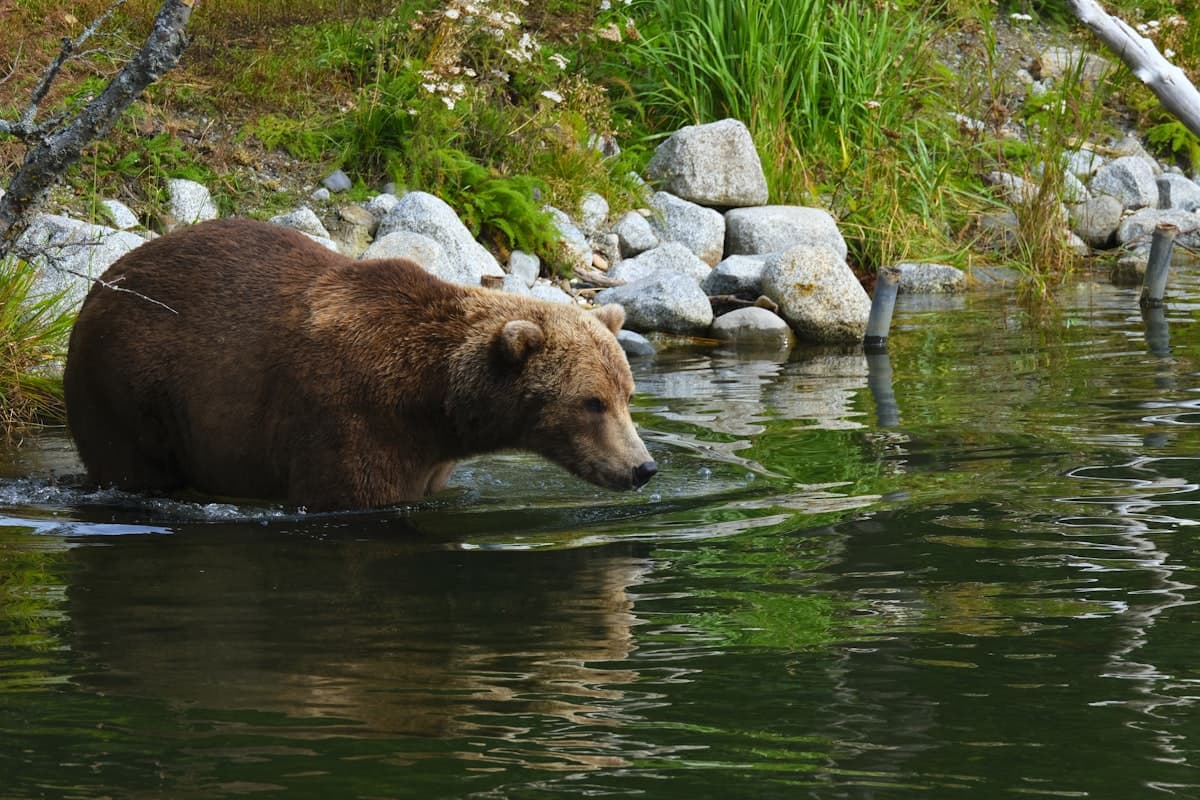
Fly Fishing Katmai National Park: 30-Inch Rainbow Trout, Million-Fish Salmon Runs, and Bears at Your Feet
Sunday, August 10, 2025

Fly Fishing Denali National Park: Arctic Grayling, Wilderness Creeks, and the Mountain That Changes Everything
Sunday, June 8, 2025
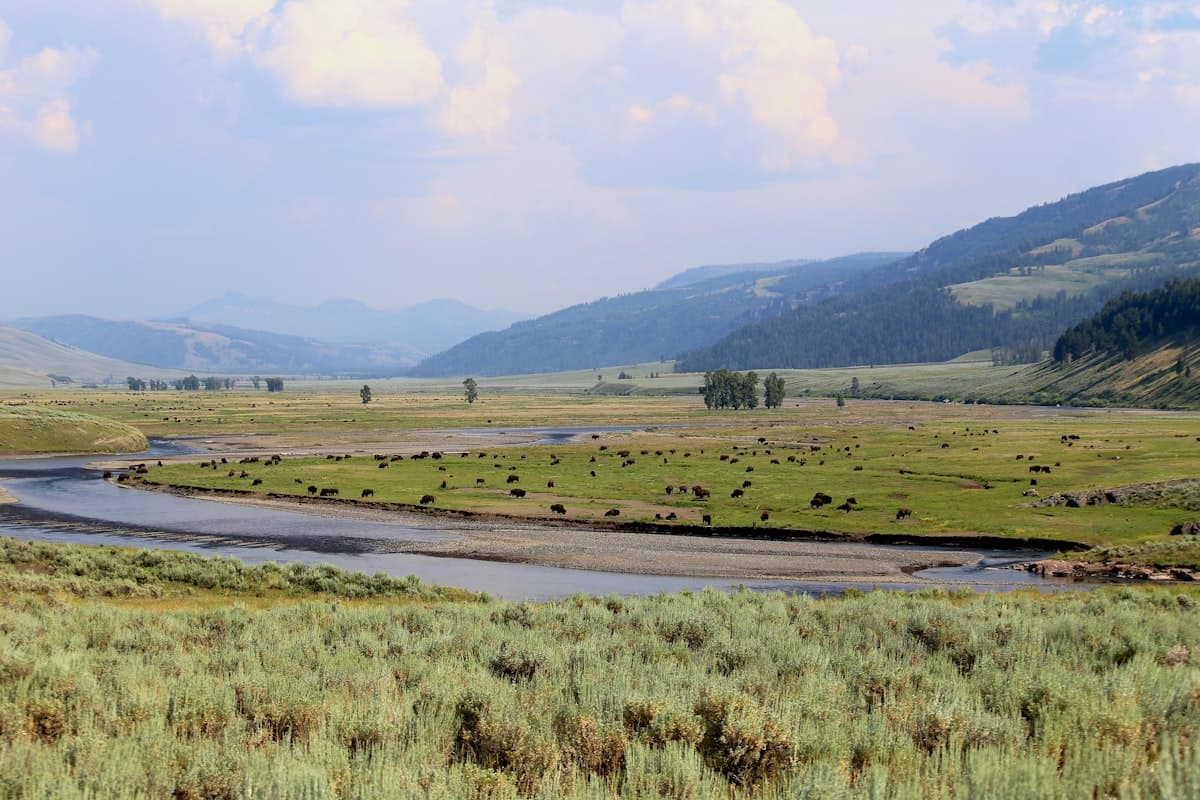
Fly Fishing the Madison River: The 50-Mile Riffle, the Salmonfly Hatch, and the River That Defined Western Fly Fishing
Tuesday, February 24, 2026
 ™
™