
The Scud: How to Tie the Freshwater Shrimp That Trout Eat More Than Anything Else
Scuds -- freshwater shrimp -- are the most abundant and available food source in tailwaters and spring creeks. Trout eat them every hour of every day, year-round, regardless of hatches. Here's the recipe, the variations, and the waters where scuds make or break your day.

Somewhere beneath the surface of every great tailwater and spring creek in America, scuds are doing what they've always done -- crawling through weed beds, drifting in the current, and getting eaten by trout. Not occasionally. Not seasonally. Constantly. While fly anglers obsess over mayfly hatches and midge emergences, the trout below their feet are eating scuds at a rate that dwarfs every other food source combined.
The scud -- a freshwater amphipod that looks like a tiny shrimp curled into a comma -- doesn't hatch. It doesn't emerge. It doesn't spinner-fall. It's available 24 hours a day, 365 days a year, crawling along the bottom in numbers that can reach tens of thousands per square meter in rich tailwaters. When biologists sample the stomach contents of trout on rivers like the San Juan, the Bighorn, or the Green, scuds consistently make up the majority of the diet -- often 50 to 70 percent of what those fish eat in a year.
Fly tiers have been imitating scuds for decades, but the pattern gained widespread popularity through the Czech and Polish competitive nymphing scene in the 1980s, where simple yarn-and-sponge shrimp patterns fished tight to the bottom revolutionized how anglers thought about subsurface fishing. In the American West, guides on scud-rich tailwaters -- Pat Dorsey on the South Platte, the Bighorn guides who created the Ray Charles, and the San Juan River regulars who made orange scuds a religion -- refined the pattern into the clean, effective fly we tie today. Gary LaFontaine contributed his Roll Over Scud, designed with unbalanced weighting to tumble naturally along the bottom. Jeff Goff, a legendary Colorado tier, brought gallon jars of live scuds into Denver fly shops and tied patterns so realistic they were indistinguishable from the naturals.
The scud is not a glamorous fly. It doesn't float on the surface where you can watch a trout sip it. But it catches more trout, more consistently, on more water than most of the flies in your box. And the fish that eat scuds -- the ones that feed on them as a staple -- are often the biggest, fattest trout in the river.
What It Imitates
The scud fly imitates freshwater amphipods -- primarily two genera that trout encounter regularly:
Gammarus are the larger species, reaching 10 to 20 millimeters in length. These are the scuds you'll see in tailwaters and spring creeks with dense weed beds -- olive, gray, or tan creatures with a distinctive curved, shrimp-like profile. They're the primary forage in rivers like the Green River in Utah, the Bighorn in Montana, and the San Juan in New Mexico.
Hyalella are much smaller -- rarely exceeding 4 to 5 millimeters -- and are more common in stillwater environments and smaller spring creeks. When trout are feeding on Hyalella, you need to drop down to #18 or even #20 hooks.
Both species share key characteristics that matter to the fly tier: a curved body, multiple pairs of legs that create a fuzzy underside profile, and a smooth, semi-translucent shell (carapace) over the back. They crawl through aquatic vegetation, along the bottom substrate, and occasionally swim in short, erratic bursts before settling again.
Color is where it gets interesting. Live scuds range from olive to gray to tan depending on their environment -- olive and lime green in heavy weed beds, gray or tan over sandy or marl bottoms. But when a scud dies or becomes stressed, its body turns a conspicuous bright orange or pink. This is the "scud orange" that fly shops sell by the pound, and it's the reason orange scud patterns work so well: trout key on dead-drifting orange scuds the same way they key on crippled emergers. A dead scud is an easy meal, and the bright color makes it visible.
Scuds require alkaline, calcium-rich water to build their exoskeletons, which is why they thrive in limestone spring creeks and the nutrient-dense tailwaters below dams. If the water is hard and weedy, there are scuds. If there are scuds, the trout are fat.
The Recipe
| Component | Material |
|---|---|
| Hook | Curved scud/emerger hook, #12-18 (TMC 2457, Dai-Riki 135, Tiemco 2487) |
| Weight | .010-.015 lead or non-lead wire wraps (8-10 turns), or tungsten bead (2.0-2.5mm) |
| Thread | 8/0 or 70-denier, olive or color to match body |
| Tail/Antennae | Dyed mallard flank fibers or partridge hackle fibers (4-6 fibers) |
| Shellback | Scud back (clear or pearl), Swiss Straw, or thin plastic strip |
| Ribbing | Fine wire -- gold, copper, or silver (UTC Ultra Wire, small) or 6X mono |
| Body | Sow Scud Dubbing or Antron/possum blend in olive, tan, gray, orange, or pink |
The Variations
The scud is a pattern that demands you carry multiple colors, because what works on one river may be invisible on another -- and what the trout want changes with the season and the water.
Olive (#14-16) -- The everyday, year-round workhorse. Olive matches live scuds in most weed-bed environments and is the first color to tie on when you're fishing any scud-rich water for the first time. Fish it dead-drifted along the bottom on the Green River, through the weed beds on the Livingston spring creeks, or anywhere you see aquatic vegetation. If you only carry one scud color, make it olive.
Gray/Tan (#14-18) -- The neutral option for sandy or marl-bottomed waters. Gray scuds match the naturals on limestone spring creeks like those in central Pennsylvania and the slower sections of tailwaters where silt and marl dominate the substrate.
Orange (#14-16) -- The dead-scud imitation. Bright orange imitates a dead or dying scud and is devastatingly effective on tailwaters where trout have learned that orange means easy protein. The San Juan River is virtually synonymous with orange scuds -- the San Juan Scud in burnt orange is one of the most productive patterns on that river in any season. Also deadly on the Caney Fork and the White River in Arkansas.
Pink (#16-18) -- A subtler dead-scud imitation that works when orange is too aggressive. Pink is particularly effective on heavily pressured tailwaters where the fish have seen thousands of orange scuds and have become wary of the color. Also imitates pregnant females carrying eggs.
Ray Charles (#14-18) -- Born on the Bighorn River, the Ray Charles earned its name from the saying "even a blind man can catch fish with it." It uses an ostrich herl body with a flashback shellback, creating a buggier, more impressionistic profile than a standard scud. Carry it in gray, tan, and pink.
Czech Nymph Scud (#12-16) -- Heavier and more streamlined than a standard scud, the Czech version is designed to get to the bottom fast in tight-line nymphing rigs. Tied on a jig hook with a thin shellback and minimal bulk, it's the competition angler's scud.
Where to Fish It
The scud works on any water that holds freshwater shrimp -- and that's most cold, clean water with weed growth or structure. But some fisheries are defined by scuds, and the pattern isn't optional there -- it's essential.
-
San Juan River, New Mexico -- The San Juan is scud central. The Quality Water below Navajo Dam holds staggering numbers of amphipods, and orange scud patterns in #16-18 are the bread-and-butter subsurface fly. Fish them dead-drifted under an indicator through the long, slow runs.
-
Green River, Utah -- Sections A and B below Flaming Gorge Dam are rich with scuds and sowbugs. Olive and tan scuds in #14-16 fished through the weed beds produce consistent fish year-round.
-
Bighorn River, Montana -- The Bighorn's 13 miles of tailwater hold 3,000 to 6,000 trout per mile, and scuds are a primary reason. The Ray Charles pattern was born here.
-
Caney Fork River, Tennessee -- The Southeast's premier scud tailwater. Dead-drift scuds and Zebra Midges in a double-nymph rig through the runs near the dam.
-
Livingston, Montana -- Spring Creeks -- DePuy's and Armstrong's spring creeks hold scuds year-round in the constant 52-degree water. Pink and orange scuds in #14-18 are the subsurface staple.
-
Pennsylvania Limestone Spring Creeks -- The alkaline, calcium-rich water grows dense weed beds that harbor enormous scud populations. Gray and olive in #16-18 match the naturals.
-
North Platte / Grey Reef, Wyoming -- Scuds in pink, olive, and orange are standard anchor flies in indicator rigs, paired with a trailing Zebra Midge or Pheasant Tail.
-
White River, Arkansas -- Another Southern tailwater loaded with scuds. Orange and pink in #14-16 produce both rainbow and brown trout.
-
Rocky Mountain National Park -- High-elevation lakes hold scuds, and a small olive scud drifted along the lake margins catches cruising cutthroats and brookies.
The scud also pairs naturally with other nymph patterns. A scud as the heavier anchor fly with a Pheasant Tail or Hare's Ear trailing covers two food categories simultaneously.
How to Tie It -- Video Tutorials
The scud is a straightforward tie that teaches core subsurface skills -- dubbing, ribbing, shellback application, and finishing with a dubbing needle.
Scud Fly Tying -- Tied by Charlie Craven Simple Scud -- Tightline Productions Ray Charles Scud -- McFly Angler Fly Tying TutorialTips From the Vise
Use the curved hook -- it matters. A scud tied on a straight-shank hook looks like a nymph, not a shrimp. The curved scud hook gives the fly the comma-shaped profile that scuds naturally hold when drifting. The curve is the single most important element of a convincing scud imitation.
Stretch the shellback. When pulling the shellback material over the dubbed body, stretch it tight before tying it down. This compresses the dubbing slightly, creates a smooth, shiny dorsal surface, and makes the fly slimmer and more realistic.
Pick out the dubbing aggressively. After the fly is complete, use a dubbing needle or piece of Velcro to pull fibers out from the underside and sides of the body. These teased-out fibers represent the multiple pairs of legs. The scruffier the underbody, the more realistic the fly looks in the water.
Blend your own dubbing colors. Start with 60 percent olive, then mix in 15 percent orange and 15 percent pink, plus 10 percent tan. This blend creates a translucent, mottled body that looks alive rather than monochromatic and flat.
Weight intentionally. An unweighted scud fished under an indicator drifts too high in the column. Add 8 to 10 turns of .010 or .015 lead wire under the body to get the fly to the bottom where scuds actually live. For Euro-nymphing, swap the lead wraps for a small tungsten bead.
Build Your Box
Tie a dozen each in olive and orange in sizes 14 and 16 -- that's your core. Add a half-dozen gray in #16, a half-dozen pink in #16-18, and a half-dozen Ray Charles in #16. That's 54 flies covering every color, size, and water type you'll encounter from the San Juan to the spring creeks of Montana and Pennsylvania.
Frequently Asked Questions
What is a scud in fly fishing?
A scud is a freshwater amphipod -- a small, shrimp-like crustacean that lives in cold, clean water with weed growth. Scuds are a primary food source for trout in tailwaters and spring creeks, often making up 50-70% of a trout's diet. Scud fly patterns imitate these creatures and are fished near the bottom year-round.
What color scud fly should I use?
Olive matches live scuds in most environments and is the best all-around color. Orange imitates dead or dying scuds and is devastating on tailwaters like the San Juan River. Gray and tan match scuds on sandy or marl bottoms. Pink is a subtler dead-scud option for pressured fish. Carry all four colors in sizes 14-16.
What hook should I use for tying scud flies?
Use a curved scud or emerger hook (TMC 2457, TMC 2487, Dai-Riki 135) in sizes 12-18. The curved shank gives the fly the comma-shaped profile of a natural scud. Straight-shank hooks make the fly look like a generic nymph instead of a shrimp.
Where are scud patterns most effective?
Scuds are most productive on tailwaters and spring creeks with alkaline, calcium-rich water and dense weed growth. The San Juan River (NM), Green River (UT), Bighorn River (MT), Caney Fork (TN), Pennsylvania limestone spring creeks, and the Montana spring creeks near Livingston are all premier scud fisheries where the pattern is essential.
How do I fish a scud fly pattern?
Dead-drift scuds near the bottom -- they're not swimmers in the traditional sense. Fish them under an indicator with enough weight to reach the bottom, or tight-line (Euro nymph) them along the substrate. Scuds work well as the heavier anchor fly in a double-nymph rig with a midge or Pheasant Tail trailing behind.
Related Articles
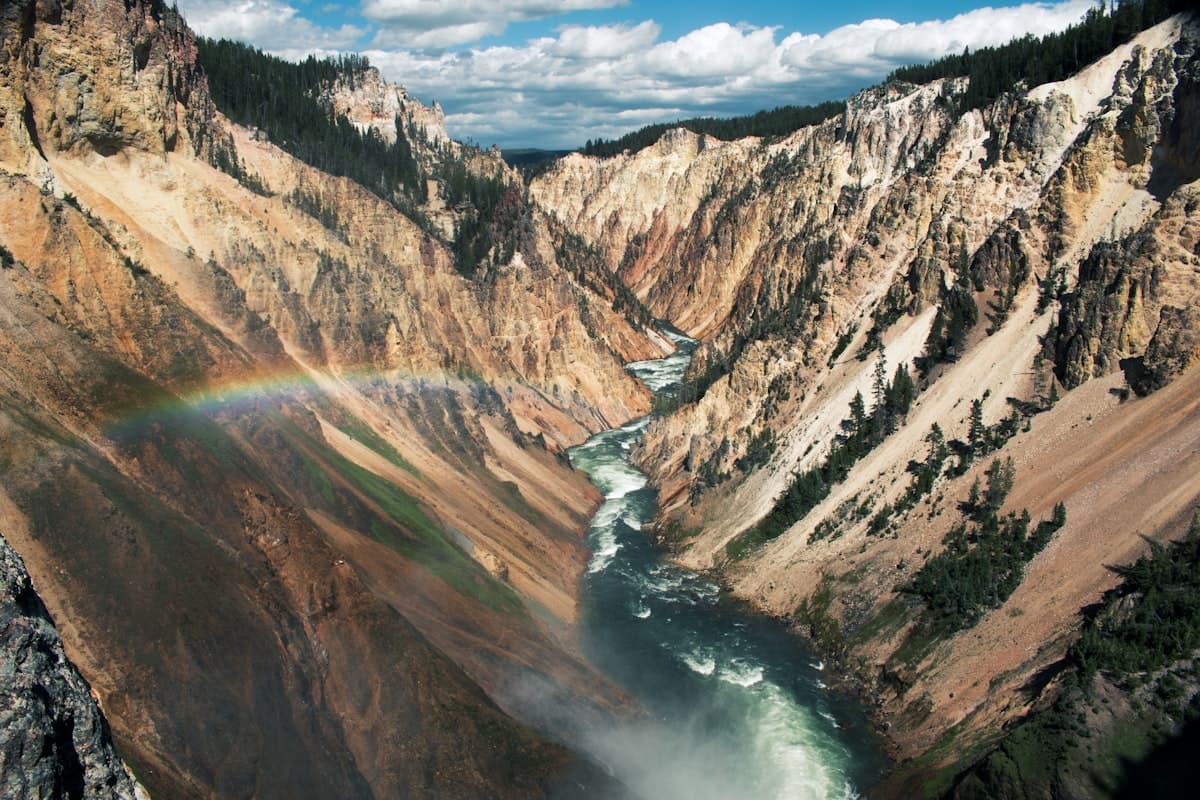
Fly Fishing the San Juan River: 15,000 Trout Per Mile, Year-Round Midges, and the Quality Water That Defines Technical Nymphing
Saturday, February 7, 2026
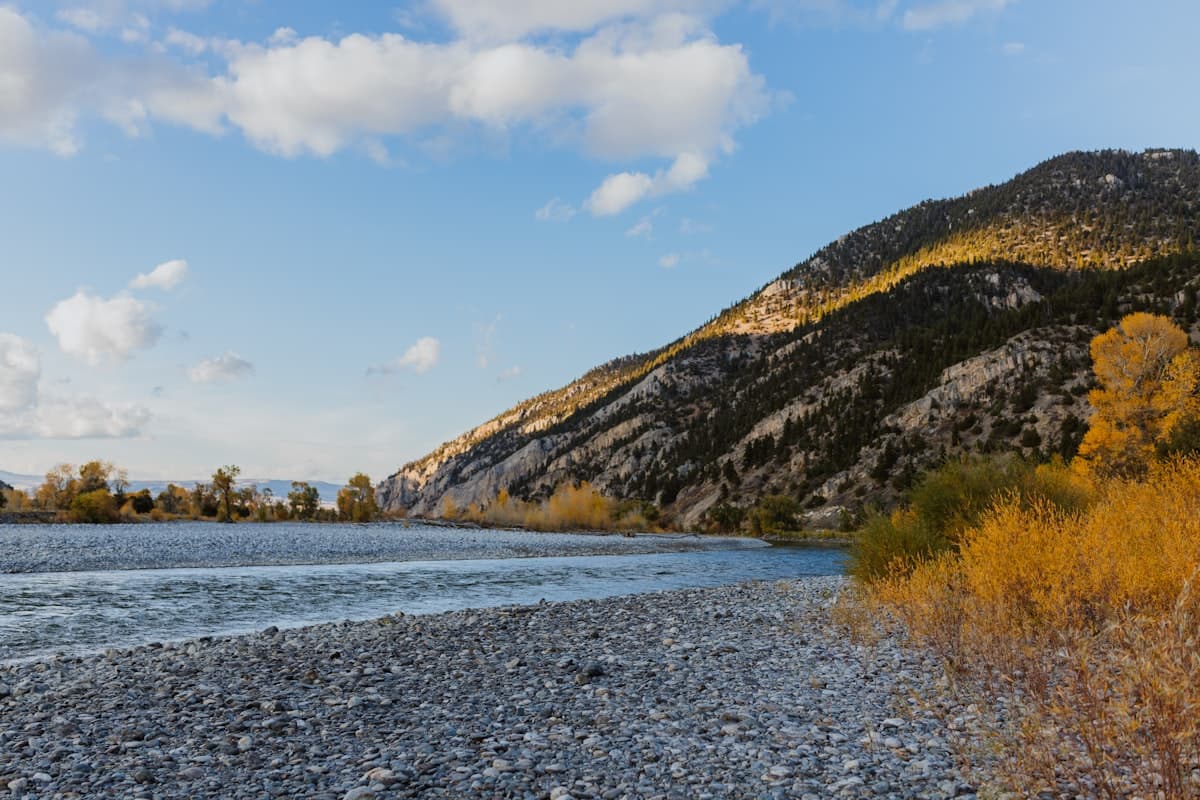
Fly Fishing the Bighorn River: The Technical Tailwater, the Trico Dawn, and the 13 Miles That Reward Patience
Friday, February 20, 2026
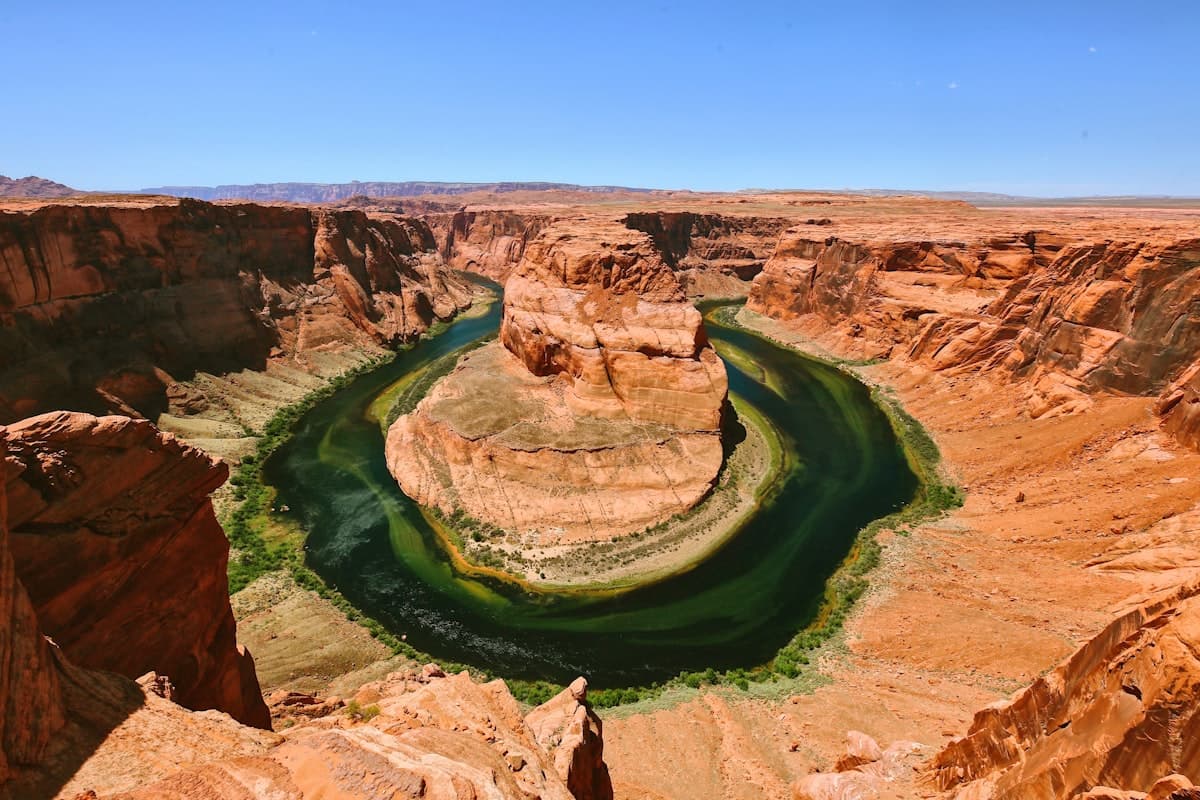
Fly Fishing the Green River: 14,000 Trout Per Mile in a Red-Rock Desert Canyon
Saturday, April 25, 2026
 ™
™