
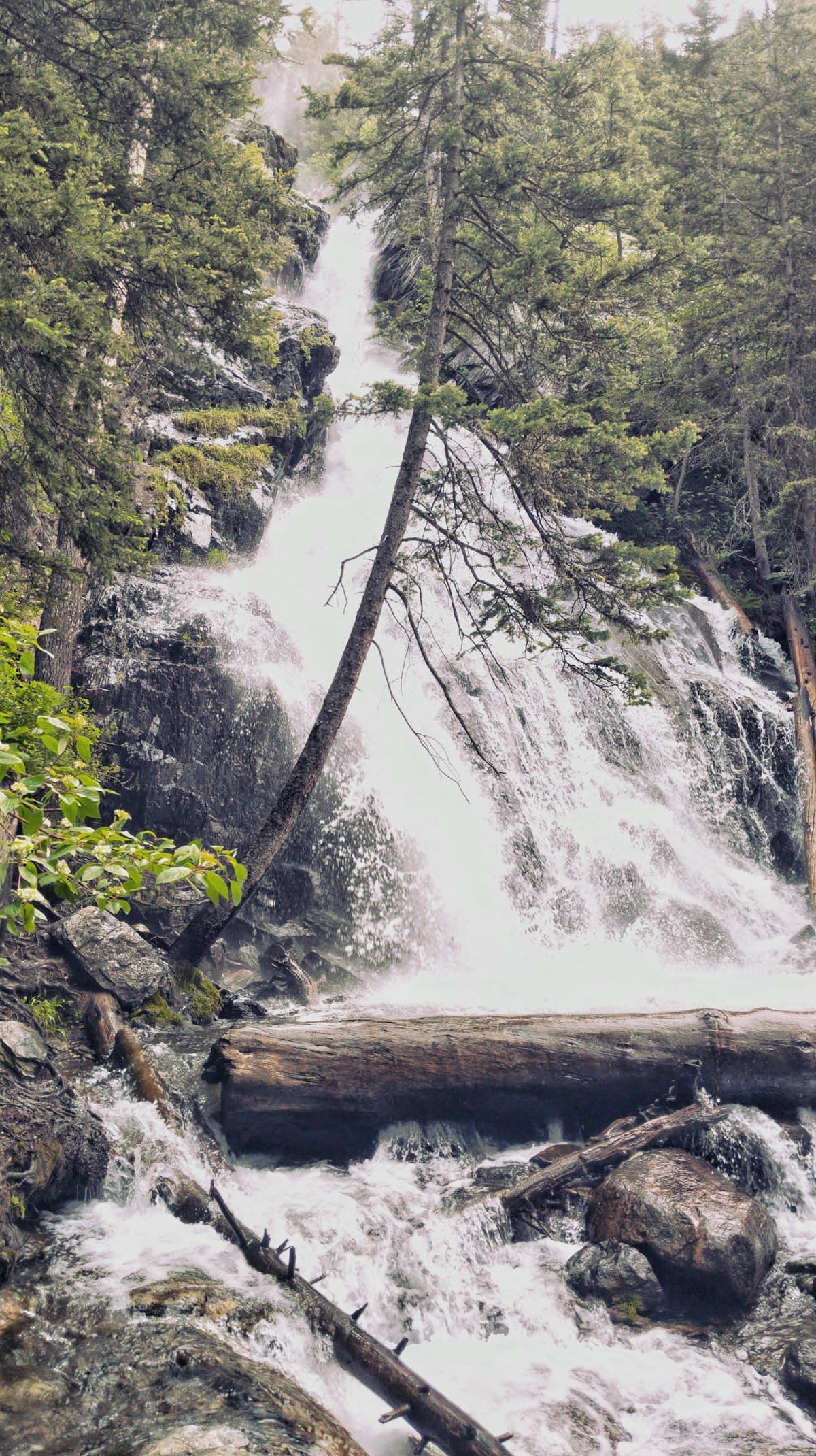
Fly Fishing Pennsylvania's Limestone Spring Creeks: Where American Fly Fishing Was Born
Pennsylvania's limestone spring creeks aren't just good trout water — they're where American dry-fly fishing, terrestrial fishing, and catch-and-release were invented. Penns Creek, Spring Creek, the Letort, and a history that shaped every cast you make today.

Every technique you use on a trout stream — the terrestrial ant pattern you float against the bank, the midge you dead-drift through a rising fish's feeding lane, the catch-and-release ethic you practice without thinking — was developed on a Pennsylvania limestone spring creek. These aren't just streams. They're the birthplace of American fly fishing as we know it.
In the 1940s and 50s, Vincent Marinaro and Charlie Fox stood on the banks of the Letort Spring Run in Carlisle, Pennsylvania and invented terrestrial fly fishing — the practice of imitating land-born insects (ants, beetles, grasshoppers, crickets) that fall into the water. Before Marinaro and Fox, fly fishing was about aquatic insects. After them, an entirely new category of patterns entered the fly box, and the sport doubled its vocabulary overnight. Marinaro's book A Modern Dry-Fly Code (1950) and Fox's Rising Trout (1967) are still in print, still relevant, and still the intellectual foundation of technical dry-fly fishing.
The Letort was also the first special-regulation water in Pennsylvania — the first stream where catch-and-release and artificial-only rules were implemented. The conservation ethic that now defines fly fishing was born here.
That history would be enough to make Pennsylvania's limestone creeks important. But the fishing is what makes them essential. These spring-fed streams — fed by underground limestone aquifers at a constant 50-55°F — hold wild brown trout in clear, technical water that demands the same precision today that it demanded of Marinaro seventy years ago.
The Streams — Four Pillars of Pennsylvania Fly Fishing
Penns Creek — The Green Drake Pilgrimage
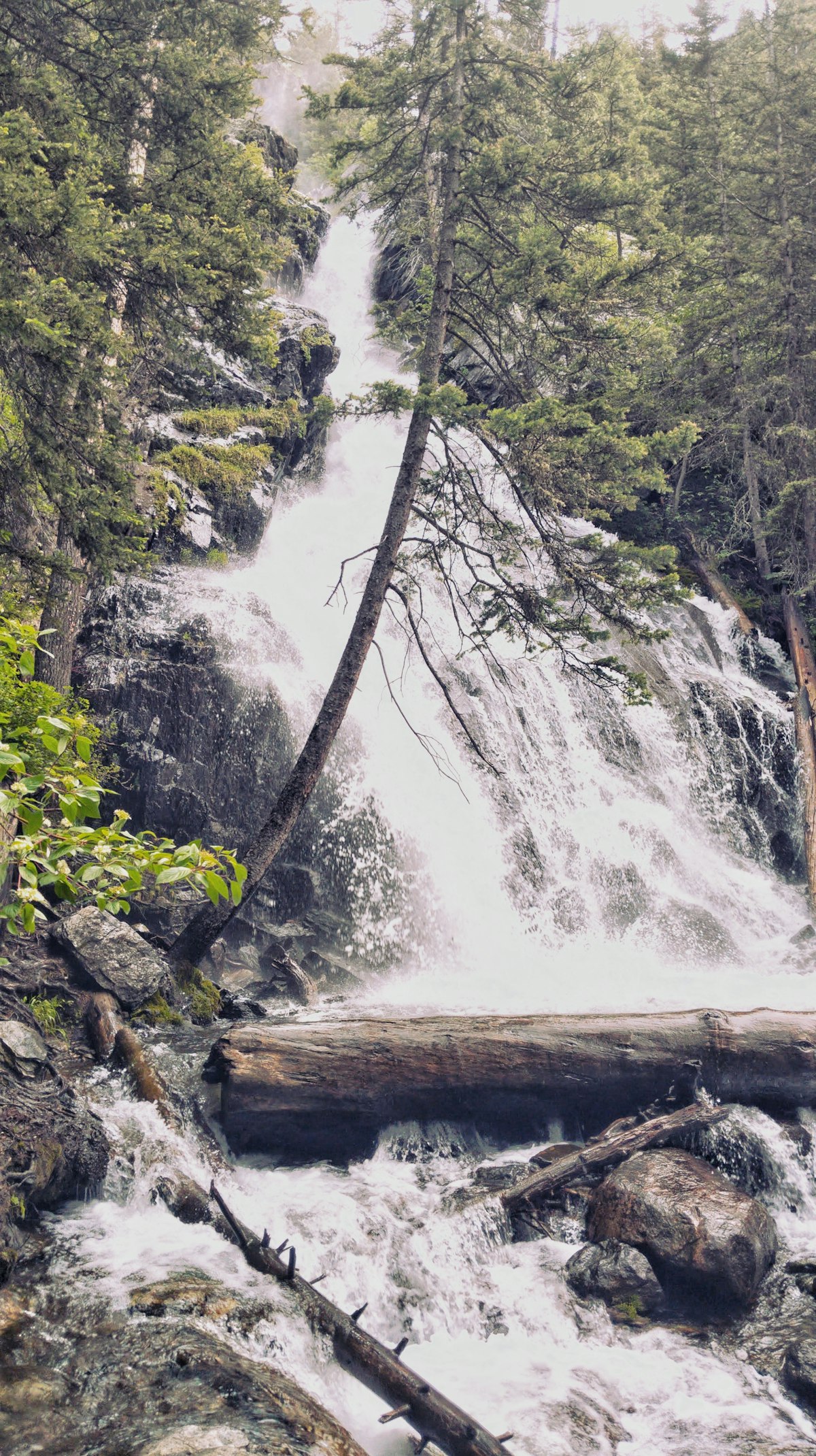
Penns Creek is the river that draws fly anglers from across the country every June for one event: the Green Drake hatch. From the last week of May through mid-June, Eastern Green Drakes (#10-12) emerge from the riffle water in numbers that turn the surface white, and every brown trout in the creek feeds with the abandon of a fish that knows the biggest meal of the year is happening right now.
The Green Drake hatch on Penns Creek is the Eastern equivalent of the Madison's salmonfly hatch — the one event that defines the river's season. The drakes hatch at dusk and after dark, and the fishing is done by headlamp — casting big dries into the sound of rising fish in water you can't see. It's dramatic, chaotic, and unforgettable.
Beyond the Green Drakes, Penns Creek is a complete freestone-and-spring-fed fishery running 60+ miles through central Pennsylvania. The special-regulation section from Coburn to Cherry Run (11 miles) holds the best fishing — trophy-trout regulations on the upper 7 miles, catch-and-release on the lower 4. The stream is bigger than most Pennsylvania creeks — wide enough for float trips in some sections — and holds brown trout, rainbow trout, and brook trout.
Key hatches: Little Black Caddis (April), March Browns (mid-April), Sulphurs (#14-18, May-June), Green Drakes (#10-12, late May-mid June), Yellow Drakes (July), Tricos (July-September).
Gear note: Penns Creek is difficult to wade at good flow levels — slippery cobblestone, strong current, uneven bottom. Studded boots and a wading staff are essential. Bring a headlamp for the Green Drake evening fishing.
Spring Creek — The Wild Brown Trout Standard
Spring Creek near State College holds more wild brown trout per mile than any other stream in Pennsylvania. The creek is a classic limestone spring creek — clear, cold, constant-temperature water flowing through the Penns Valley with an extraordinary density of aquatic insects.
The fishing is technical. Spring Creek's browns are wild, educated, and holding in water so clear you can count their spots. The stream runs through a mix of open meadow and wooded sections, with riffles, runs, and deep pools that hold fish from 8 to 20 inches. The trout eat tiny flies in specific feeding lanes, and the presentations must be drag-free on 5X-6X tippet.
Key hatches: BWOs (March-May, September-October), Sulphurs (#14-18, May-June), Tricos (#22-24, July-August), caddis (May-September). Terrestrials — ants (#18-20), beetles (#14-16), crickets (#10-12) — are the summer staple, carrying on the tradition that Marinaro started on the Letort.
The Fisherman's Paradise section near Bellefonte is catch-and-release with a 3-fish slot limit on the remainder — check current PFBC regulations. The local fly shops in State College are the anchor for Spring Creek, carrying the most stream-specific fly selections and publishing detailed hatch reports.
Letort Spring Run — The Shrine
The Letort is the most historically important trout stream in America. It's where Marinaro and Fox invented terrestrial fishing, where Ed Shenk developed the Letort Cricket and Letort Hopper, where catch-and-release was first implemented in Pennsylvania, and where Field & Stream declared the birthplace of American-style dry-fly fishing.
The creek is small — 15 to 25 feet wide in most sections — flowing through the town of Carlisle and the surrounding Cumberland Valley farmland. The brown trout are wild, spooky, and hold in the watercress beds and limestone ledges that define the Letort's character. A 14-inch Letort brown is a genuine achievement — these fish have been refusing flies for generations.
What to fish: Terrestrials. The Letort was built for ants, beetles, crickets, and hoppers. A #18 Parachute Adams ant pattern dead-drifted against the watercress on the Letort is fishing in the footsteps of the masters. Elk Hair Caddis (#16-18) during summer caddis activity. Griffith's Gnat (#20-22) for the midge fishing that Fox pioneered.
Big Spring Creek and Falling Spring Run
The Cumberland Valley south of Carlisle holds two more historic spring creeks:
Big Spring Creek — a short, powerful spring creek with crystal-clear water and large brown trout. The fish average larger than most Pennsylvania spring creeks because the spring flow is exceptionally cold and nutrient-rich. Limited public access makes guided trips valuable.
Falling Spring Run near Chambersburg — a small spring creek with wild brown trout in a pastoral setting. Less famous than the Letort but equally technical and less pressured.
The Hatch Chart — The Eastern Progression
Pennsylvania's limestone creeks follow the same dark-to-light seasonal progression as the Farmington and Smokies, but with some signature hatches unique to limestone water:
- March–April: BWOs (#16-20), Little Black Caddis (#16-18), Early Black Stoneflies. Parachute Adams in olive, Elk Hair Caddis in black.
- Mid-April–May: Hendricksons (#12-14), March Browns (#10-12), Sulphurs beginning. Comparadun and Sparkle Dun.
- Late May–June: Green Drakes (#10-12) on Penns Creek — THE event. Sulphurs (#14-18) peaking on all creeks. The best dry-fly month.
- June–August: Caddis (#14-18), terrestrials (ants, beetles, crickets, hoppers). Tricos (#22-24) at dawn. The Marinaro season.
- September–November: Fall BWOs, streamer season for browns. Woolly Bugger and sculpin patterns.
- Year-round: Midges (#18-24) — Zebra Midge, Griffith's Gnat. Scuds (#14-18) and sowbugs on all spring creeks.
The Fly Box — Limestone Specific
Dry flies: Comparadun Sulphur (#14-18), Sparkle Dun BWO (#18-20), Parachute Adams (#14-20), Elk Hair Caddis (#14-18), Griffith's Gnat (#18-22), Green Drake Paradrake (#10-12), ant (#18-20), beetle (#14-16), cricket (#10-12), Trico Spinner (#22-24)
Nymphs: Pheasant Tail (#14-20), Hare's Ear (#12-16), Zebra Midge (#18-24), scud (#14-18, olive/tan), sowbug (#14-16), Walt's Worm (#14-16) — a Pennsylvania original
Streamers: Woolly Bugger (#6-10), sculpin (#4-8), white Zonker (#6-8)
The Gear
Rod: 7.5- to 9-foot 3-weight or 4-weight. The Letort and smaller spring creeks demand a short, light rod for close-quarters casting. Penns Creek can handle a 5-weight during the Green Drake hatch (bigger flies, bigger water). Spring Creek splits the difference at 4-weight.
Leaders: 9 to 12 feet tapered to 5X-6X. The clear limestone water and educated fish demand the same precision as Western spring creeks — the Livingston principles apply.
Approach: Stealth matters more on Pennsylvania spring creeks than almost anywhere. The trout lie in clear, shallow water and spook at vibration, shadow, and heavy footsteps. Wade slowly, stay low, and watch the water before casting — the same discipline the Smokies brook trout demand.
The Culture — The Fly Shops and the Heritage
The local fly shops in State College are the anchor for Spring Creek and Penns Creek — detailed hatch reports, stream-specific flies, and guides who have fished these waters for decades. A second essential shop near State College provides a dedicated focus on Spring Creek.
The Pennsylvania fly-fishing culture is deeply rooted in history and conservation. The Pennsylvania Fly Fishing Museum in Carlisle preserves the heritage of Marinaro, Fox, and the limestone-creek pioneers. Local TU chapters maintain habitat on every major spring creek, and the conservation ethic that Marinaro and Fox championed on the Letort in the 1950s is now the default across American fly fishing.
State College — home to Penn State University — provides the infrastructure (hotels, restaurants, university-town amenities) that makes the central Pennsylvania spring creeks accessible, while the Cumberland Valley around Carlisle serves the Letort, Big Spring, and Falling Spring.
When to Go
- Late May–mid-June: Green Drake hatch on Penns Creek — the pilgrimage
- May–June: Sulphur evenings on all spring creeks — the most beautiful fishing of the year
- July–August: Terrestrial season — ants, beetles, crickets in the Marinaro tradition
- September–October: Fall BWOs, streamer season — the quiet shoulder with big fish
Top Fishing Guides Nearby
Central Pennsylvania guides wade the limestone spring creeks that shaped American fly fishing — matching Sulphur spinners on Spring Creek at dusk, chasing Green Drakes on Penns Creek in June, and sight-fishing Fisherman's Paradise where Marinaro and Fox perfected the terrestrial game.
Oak Hall Outfitters
State College, PA, US
4.7 (137 reviews)
Oak Hall Outfitters is a premier fly fishing guide service based in State College, Pennsylvania, specializing in the exceptional limestone streams of central Pennsylvania. The guides offer personalized instruction on renowned waters including Spring Creek, Penns Creek, and the Little Juniata River, serving anglers of all skill levels. Beyond technical expertise, Oak Hall Outfitters distinguishes itself through a commitment to comprehensive angler education. Guides provide detailed instruction in fly casting and fishing techniques while sharing deep knowledge of stream ecology, helping clients develop a fuller understanding of the waters they fish. This combination of skilled guidance and educational focus creates memorable experiences that benefit both novice anglers building their foundation and seasoned fly fishers seeking to deepen their craft.

Sky Blue Outfitters
State College, PA, US
4.8 (5 reviews)
Sky Blue Outfitters has been guiding anglers through Pennsylvania's finest fly fishing waters since 1999. With a dedicated team of ten seasoned guides, they bring deep expertise to the region's most productive streams—including Penns Creek, Spring Creek, and the Lehigh River—where native brook trout and wild brown trout thrive. Whether pursuing trout on foot or smallmouth bass from a drift boat on the Juniata and Susquehanna Rivers, clients benefit from instruction tailored to their skill level. The outfitter offers flexible trip styles to suit different preferences: walk and wade day trips, overnight packages, and river excursions. As a Trout Unlimited Endorsed Business, Sky Blue Outfitters combines technical fly fishing instruction with a commitment to conservation and sustainable fishing practices, ensuring anglers leave with both exceptional memories and expanded skills.
Lunker Guide Service
Alexandria, PA, US
4.7 (31 reviews)
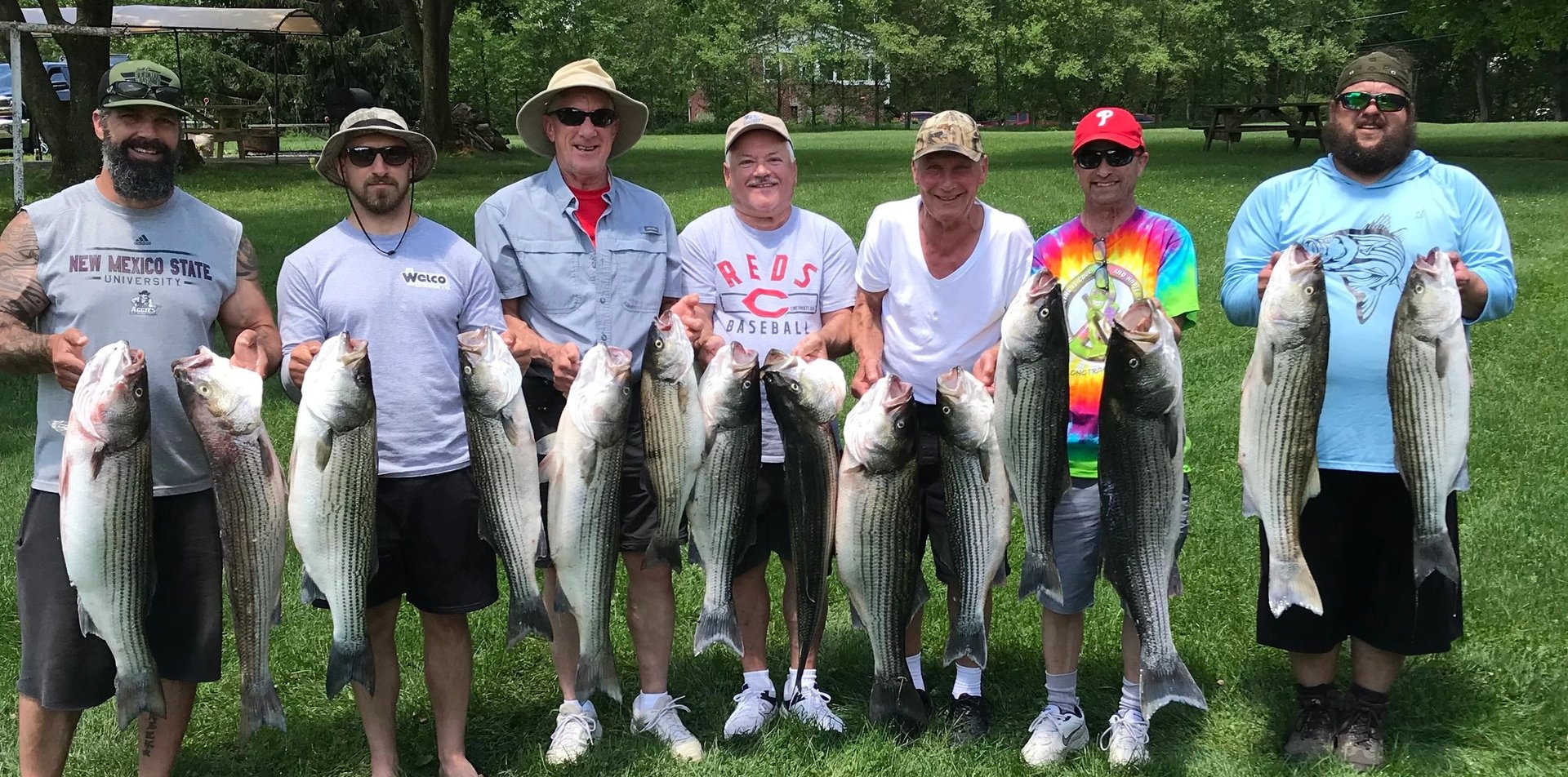
Lunker Guide Service brings deep expertise to Raystown Lake, where their guides consistently deliver some of the area's highest catch ratios. With years of experience on these waters, they've perfected techniques for landing a diverse range of species, making every outing productive and rewarding. Whether you're casting a line for the first time or returning as a seasoned angler, Lunker Guide Service tailors each trip to match your skill level and goals. They offer flexible half-day and full-day options, allowing anglers to choose an experience that fits their schedule. Their knowledgeable guides combine local knowledge with genuine hospitality, ensuring every client leaves with both a full cooler and lasting memories of their time on Pennsylvania's premier fishing destination.
The Feathered Hook
Coburn, PA, US
4.9 (109 reviews)
The Feathered Hook The Feathered Hook has been a cornerstone of fly fishing in Central Pennsylvania since 1989. Located on the banks of Penns Creek in Coburn, this guide service specializes in pursuing wild brown and brook trout across some of the region's most celebrated limestone streams—including Penns, Elk, Pine, Big Fishing, and Spring Creek. Their guides bring decades of local expertise to every outing, reading water with precision and adapting to seasonal conditions. Whether you're a seasoned angler or picking up a fly rod for the first time, The Feathered Hook tailors each trip to match your skill level and objectives. Beyond guided days on the water, the on-site bed & breakfast provides a comfortable base for immersing yourself in the sport. Anglers appreciate the personalized attention, world-class trout populations, and the serene beauty of Pennsylvania's premier fly fishing destination.

Mountain Laurel Guide Service
Coburn, PA, US
4.7 (31 reviews)
Mountain Laurel Guide Service Mountain Laurel Guide Service specializes in guided fly fishing on Penns Creek, one of Pennsylvania's most celebrated trout streams. The guides bring deep expertise in pursuing wild brown trout through the river's challenging waters, known for prolific hatches and breathtaking scenery. Whether employing nymphing techniques or capitalizing on dry fly opportunities during peak hatches, the service tailors each outing to match anglers' skill levels and goals. Committed to conservation and ethical practices, Mountain Laurel Guide Service stands out for its principled approach to the Mid-Atlantic's premier fly fishing destination. Anglers of all experience levels will find knowledgeable guidance and a genuine appreciation for the waters they're fishing.
Juniata Troutfitters
Tyrone, PA, US
5.0 (6 reviews)
Juniata Troutfitters offers professional guided fly fishing experiences on the Little Juniata River and Central Pennsylvania's pristine wild trout streams. Known for exceptional hatches and year-round fishing opportunities, these waters attract trout anglers from across the region seeking consistent, quality fishing. The team welcomes anglers of all skill levels, from those just beginning their fly fishing journey to experienced practitioners. Whether guests prefer a focused half-day outing or a comprehensive full-day adventure, Juniata Troutfitters prioritizes thoughtful instruction and personalized guidance. Each trip emphasizes both technique development and authentic time on the water, creating opportunities for meaningful learning and memorable days spent pursuing trout in some of Central Pennsylvania's finest fishing destinations.
Frequently Asked Questions
Why are Pennsylvania's spring creeks historically important?
Vincent Marinaro and Charlie Fox invented terrestrial fly fishing on the Letort Spring Run in the 1940s-50s. The Letort was the first catch-and-release water in Pennsylvania. Field & Stream called it the birthplace of American-style dry-fly fishing. The techniques developed here — terrestrials, midge fishing, catch-and-release — are now standard practice worldwide.
When is the Green Drake hatch on Penns Creek?
Late May through mid-June. Eastern Green Drakes (#10-12) emerge at dusk and after dark, bringing every brown trout to the surface. It's the Eastern equivalent of the Madison River's salmonfly hatch — the one event that defines the river's season. Bring a headlamp.
Which Pennsylvania spring creek has the most wild trout?
Spring Creek near State College holds more wild brown trout per mile than any other stream in Pennsylvania. The limestone spring water supports an extraordinary insect community that fuels year-round trout growth.
What is a limestone spring creek?
A stream fed by underground limestone aquifers that release water at a constant 50-55°F year-round. The alkaline water supports dense insect populations, and the constant temperature keeps trout active in every season. Pennsylvania has the highest concentration of limestone spring creeks in the eastern United States.
What rod should I bring for Pennsylvania spring creeks?
A 3-weight or 4-weight in 7.5-9 feet. The Letort and smaller creeks demand short, light rods for close-quarters casting. Penns Creek can handle a 5-weight for Green Drakes. Leaders of 9-12 feet tapered to 5X-6X — the same precision as Western spring creeks.
Related Articles
Fly Fishing the Madison River: The 50-Mile Riffle, the Salmonfly Hatch, and the River That Defined Western Fly Fishing
Tuesday, February 24, 2026
The Parachute Adams: How to Tie the One Fly Every Angler Carries and Why It Fools Everything
Monday, April 13, 2026
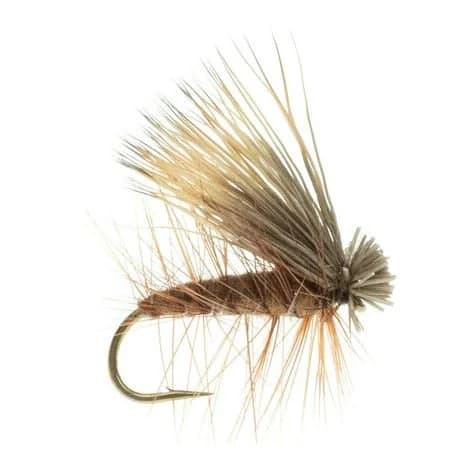
The Elk Hair Caddis: How to Tie the Fly That Works Everywhere, All Season, on Everything
Tuesday, April 21, 2026
 ™
™