

How to Fish the Bow River in Calgary, Alberta: Techniques for Brown Trout, Rainbow Trout, and Whitefish
The Bow River through Calgary holds 3,000+ trout per mile, and the techniques to catch them range from drift boat fly fishing to shore spin casting — here's everything you need to know about every method that works.

The Bow River through Calgary is overwhelmingly a fly fishing river. The guides use fly rods. The shops sell fly tackle. The culture is built around hatches, nymph rigs, and streamer runs. But fly fishing is not the only way to catch trout here, and this guide covers every technique that works — from the drift boat nymph rig that catches most of the fish, to the spin rod and spoon approach that visiting anglers often start with.
For trip planning, seasons, and logistics, see our Bow River destination guide. For the dedicated fly fishing breakdown (dry fly patterns, emergers, Spey techniques), see our Fly Fishing the Bow River guide.
Nymphing: How Most Fish Are Caught
On any given day on the Bow River, 70 to 80 percent of the trout caught are taken on nymphs. This is subsurface fishing — drifting weighted fly imitations along the bottom through runs and riffles where trout hold and feed.
Euro Nymphing (Czech/Polish Style)
Euro nymphing has become the dominant technique on the Bow, replacing traditional indicator nymphing for many guides and experienced anglers. The method uses a long, light fly rod (10' to 11', 2- to 4-weight), a thin sighter section of coloured monofilament instead of a traditional fly line, and heavy tungsten-bead nymphs that sink quickly.
The rig: Leader connects to a coloured sighter (2 feet of bicolour mono), then 4 to 6 feet of 5X fluorocarbon tippet to the point fly, with a dropper tag 18 inches up from the point for a second fly. Two heavy nymphs — a size 10-14 Pat's Rubber Legs or Stonefly on point, and a size 16-18 Perdigon or BWO nymph on the dropper.
The technique: Cast upstream at a 45-degree angle, follow the drift with the rod tip held high, and maintain direct contact with the flies through the sighter. You feel the take rather than watching an indicator — a subtle tightening, a hesitation, or a tap transmitted through the tight line. Set the hook on anything that doesn't feel like the bottom.
Why it works on the Bow: The Bow's trout are pressured and educated. They've seen thousands of indicator rigs drift over them. Euro nymphing presents flies more naturally — no indicator splash, no drag from a floating fly line, and the flies ride at the exact depth of the fish. On tough days, Euro nymphing outfishes indicator rigs consistently.
Indicator Nymphing
The traditional approach and still effective, especially for anglers new to fly fishing or fishing from a drift boat where Euro nymphing is impractical.
The rig: A 9' 5-weight fly rod with floating line. A 9-foot tapered leader to 4X, then a yarn or foam indicator set at 1.5 times the water depth. Below the indicator: split shot (enough to tick the bottom), then 2 to 3 feet of 5X fluorocarbon tippet to the point fly, with a dropper 18 inches up.
Flies: San Juan Worm (red or pink), Pat's Rubber Legs (brown/black), Pheasant Tail Nymph (size 16-18), Copper John (size 14-16), RS2 or BWO emerger (size 18-20). The San Juan Worm and Pat's Rubber Legs are the confidence patterns — they catch fish year-round.
From a drift boat: The guide positions the boat in the current and you cast the indicator rig upstream of likely holding water — seams, drop-offs, behind boulders, along weed beds. The indicator drifts downstream at the speed of the current. When it hesitates, dips, or moves laterally — set the hook. Drift boat nymphing covers enormous amounts of water and is the most productive method for first-time Bow River anglers.
Bow River Trout Fishing — Nymphing TechniquesDry Fly Fishing
When hatches are on, the Bow River produces dry fly fishing that rivals any river in North America. Trout that ignore every nymph presentation will rise confidently to the right dry fly during a heavy hatch.
The Major Hatches
Blue-Winged Olives (Baetis): March through May, then again September through November. Sizes 16-20. The most reliable hatch on the Bow — BWOs hatch on overcast, drizzly days when other insects stay dormant. Fish a Parachute Adams, Sparkle Dun, or CDC BWO in the film.
Mother's Day Caddis: Late April through May. Sizes 14-16. The first major hatch of spring — dense clouds of caddis over the river bring every trout to the surface. Elk Hair Caddis, CDC Caddis, and X-Caddis in tan and olive.
Stoneflies (Golden Stones and Salmon Flies): Late May through June. Sizes 6-10. The big-bug hatch — stonefly adults are 1 to 2 inches long, and trout eat them with explosive surface takes. Chubby Chernobyl, Stimulator, and Pat's Rubber Legs (as a dry). The stonefly hatch produces some of the largest dry-fly trout of the year.
PMDs (Pale Morning Duns): June through August. Sizes 14-16. A reliable summer hatch that brings fish up during morning and evening. Sparkle Dun, Parachute PMD, and Comparadun in pale yellow.
Terrestrials (Hoppers, Ants, Beetles): July through September. Sizes 6-14. Hopper-dropper fishing — a foam grasshopper pattern on the surface with a beadhead nymph trailing 18 inches below — is the most fun way to fish the Bow in summer. The hopper acts as both indicator and dry fly. Fish hit the hopper with full-body surface strikes.
Dry Fly Technique
Cast upstream of a rising fish, land the fly 3 to 5 feet above the rise form, and let it drift drag-free over the fish. Mend the line upstream to prevent drag. If the fish refuses, rest it for 30 seconds and try a smaller pattern or a different angle. Bow River trout — especially the browns — will inspect a fly closely and reject anything that drags or sits unnaturally.
Bow River Rainbows — Fish Tales Fly ShopStreamer Fishing
Streamer fishing targets the largest trout in the river — aggressive browns that eat smaller fish, crayfish, and leeches. This is the technique that produces 24-inch-plus fish.
When: September and October are prime streamer months. Pre-spawn brown trout are territorial and aggressive. Overcast, windy days in any season also produce well — low light encourages big trout to hunt.
From a drift boat: The guide rows close to the bank — sometimes within 10 feet — and you fire a heavy streamer tight against the bank, under overhanging trees, and into log jams. Strip it back with aggressive, erratic retrieves. The take is violent — the line goes tight, the rod bends, and the fish often hooks itself.
Flies: Bow River Bugger (olive/black, size 4-6), Sex Dungeon or Drunk & Disorderly (articulated, 4-5 inches), Sculpzilla, and Woolly Bugger (black or olive, size 4-8). Dark colours on dark days, lighter colours in clear water.
Gear: A 6-weight rod with a sink-tip or heavy nymph line handles most Bow River streamers. For the largest articulated patterns, step up to a 7-weight. Strip-set the hook — do not trout-set (lift the rod tip). A strip-set keeps the fly in the zone if you miss; a trout-set pulls the fly out of the water.
Calgary NW Bow River Fly Fishing — Brown Trout at Valley RidgeSpin Fishing
Spin fishing is legal on the Bow River (single barbless hooks, no bait on most sections) and effective, particularly for anglers without fly casting experience.
Rod and reel: A 7' to 8' medium-light spinning rod with a 2500 reel and 6 to 8 pound monofilament or fluorocarbon. Light line is important — Bow River trout are line-shy in clear water.
Lures: Small spoons (1/8 to 1/4 oz Panther Martin, Blue Fox Vibrax #2-3, Gibbs Croc in silver or gold) cast across and downstream, retrieved at moderate speed. The lure swings in the current like a baitfish. Also effective: small Rapalas (CD5-CD7 in rainbow trout or silver) retrieved slowly through deeper runs.
Soft plastics: 2-inch to 3-inch grub bodies on 1/16 to 1/8 oz jig heads in white, olive, or brown. Drift them through runs using a slow lift-and-drop retrieve. This imitates a nymph or leech and catches trout that won't chase a fast-moving spinner.
Where to fish: Wade access points throughout Calgary — Edworthy Park, Harvie Passage, Fish Creek Provincial Park. Cast into the seams, behind boulders, and along weed bed edges where trout hold. Early morning and evening are the most productive times for shore-based spin fishing.
Winter Fishing
The Bow fishes year-round thanks to the Bearspaw Dam tailwater, but winter requires commitment.
Water temperature: The tailwater stays above freezing (1-4°C / 34-39°F) even in January. Trout are lethargic but present. They hold in the slowest, deepest water and feed sparingly.
Technique: Small nymphs — size 18-22 midges, RS2, and tiny BWOs — fished deep and slow under an indicator or Euro-style. The drift must be perfect. Trout in cold water will not move far for food, so the fly must pass within inches of their nose.
What to wear: Full winter layering — merino base layers, insulated mid-layer, waterproof wading jacket, neoprene gloves, and a warm hat. Calgary winters routinely hit -20°C (-4°F). Guides cancel trips below -25°C. Your rod guides will ice up — a product like Loon Outdoors Stanley's Ice Off Paste helps.
Why bother: Solitude. On a January weekday, you may have the entire river to yourself. The fish are still there — they just eat slowly.
Reading Bow River Water
The Bow is a large, complex river with dozens of water types. Knowing where trout hold saves hours of casting to empty water.
Riffles and runs: The fast, broken water at the head of a pool. Trout stack up here to intercept drifting food. Nymph rigs and Euro nymphing are most effective. The broken surface provides cover, so trout are less spooky in riffles than in flat water.
Tailouts: The smooth, accelerating water at the downstream end of a pool. Browns love tailouts — the even flow lets them hold position efficiently while scanning for food. Tailouts are prime dry fly water during hatches. Fish them carefully — the flat surface means trout can see you clearly.
Seams: The edges where fast current meets slow water — along boulders, gravel bars, and weed beds. Trout hold on the slow side of the seam and dart into the current to grab passing food. Cast your nymph or dry fly so it drifts along the seam line.
Banks and structure: Undercut banks, log jams, overhanging trees, and bridge pilings. The biggest browns in the Bow hold tight to structure where they are protected from predators and current. Streamer fishing targets these lies specifically — cast tight to the bank and strip away from it.
Weed beds: The Bow has extensive submerged weed growth in summer. Weed beds harbour scuds, caddis larvae, and leeches — a natural food pantry for trout. Fish the edges and channels between weed beds. Trout cruise the margins picking off prey.
Drop-offs: Where the river bottom transitions from shallow to deep — along gravel bars, at the edges of islands, and where side channels rejoin the main river. Trout patrol drop-offs because they provide access to both shallow feeding water and deep resting water.
Reading flow: The Bow's flow is dam-controlled. Higher releases push trout to the banks and into slack water. Lower releases concentrate fish in the main channel. Your guide tracks the flow forecast from TransAlta (the dam operator) and adjusts the plan accordingly. DIY anglers should check the Bearspaw Dam flow data online before heading out.
Fishing the Bow River in Springtime — What You Need to KnowTackle Summary
| Target | Method | Rod | Line | Terminal |
|---|---|---|---|---|
| Trout (nymph) | Euro nymph | 10' 3wt | Mono leader/sighter | Tungsten beadheads, Perdigon |
| Trout (indicator) | Indicator drift | 9' 5wt floating | Tapered leader + indicator | Split shot, nymphs, worm |
| Trout (dry fly) | Dead drift | 9' 5wt floating | Long fine leader 5X-6X | BWO, Caddis, Hopper |
| Trout (streamer) | Strip and swing | 9' 6-7wt sink-tip | Short heavy leader 2X-3X | Articulated streamers |
| Trout (spin) | Cast and retrieve | 7'-8' ML spinning | 6-8 lb mono/fluoro | Spoons, spinners, jigs |
| Whitefish | Nymph | 9' 5wt or light spin | Light tippet 5X | Small nymphs sizes 16-20 |
Regulations
Catch-and-release: Most sections through Calgary are catch-and-release for all trout. Single barbless hooks mandatory. Bait prohibited on most sections.
Bull trout: Must be released immediately — zero retention.
Whitefish: Limited harvest allowed on some sections (check specific zone rules).
Licence: Alberta fishing licence required. Non-residents: approximately CAD $90/year or $30 for 5 days. Purchase online.
Recommended Gear
Sage ESN II 10' 3wt Fly Rod
Euro nymphing — the go-to Bow River competition-style nymph rod
Sage R8 Core 9' 5wt Fly Rod
All-around indicator nymphing and dry fly rod
Lamson Liquid 3-Pack Fly Reel
Sealed drag with spare spools for floating, nymph, and sink-tip lines
RIO Euro Nymph Shorty Line
Purpose-built Euro nymph line — thin, sensitive, loads the rod for short casts
Scientific Anglers Amplitude Smooth Trout Line
Floating line for indicator nymphing, dries, and hopper-dropper rigs
Shimano Convergence 7'6" ML Spinning Rod
Shore spin fishing — light enough for 6 lb line and small spoons
Shimano Stradic FL 2500 Spinning Reel
Sealed body, smooth drag for clear-water trout on light line
Umpqua Bow River Fly Selection
Curated box of Bow-specific nymphs, dries, and streamers
Simms G3 Guide Stockingfoot Waders
Year-round wading — the Bow is cold even in summer
Loon Outdoors Stanley's Ice Off Paste
Keeps rod guides ice-free for winter Bow River fishing
Top Fishing Guides in Calgary
A Bow River guide reads the water daily — which runs are holding fish, what hatch is building, whether to nymph deep or switch to dries. That daily intelligence, combined with the drift boat that covers 15 km of river, is what turns a good day into a 30-fish day. Whether you Euro nymph, throw streamers, or want to learn dry fly casting, a Calgary guide matches the technique to the conditions.
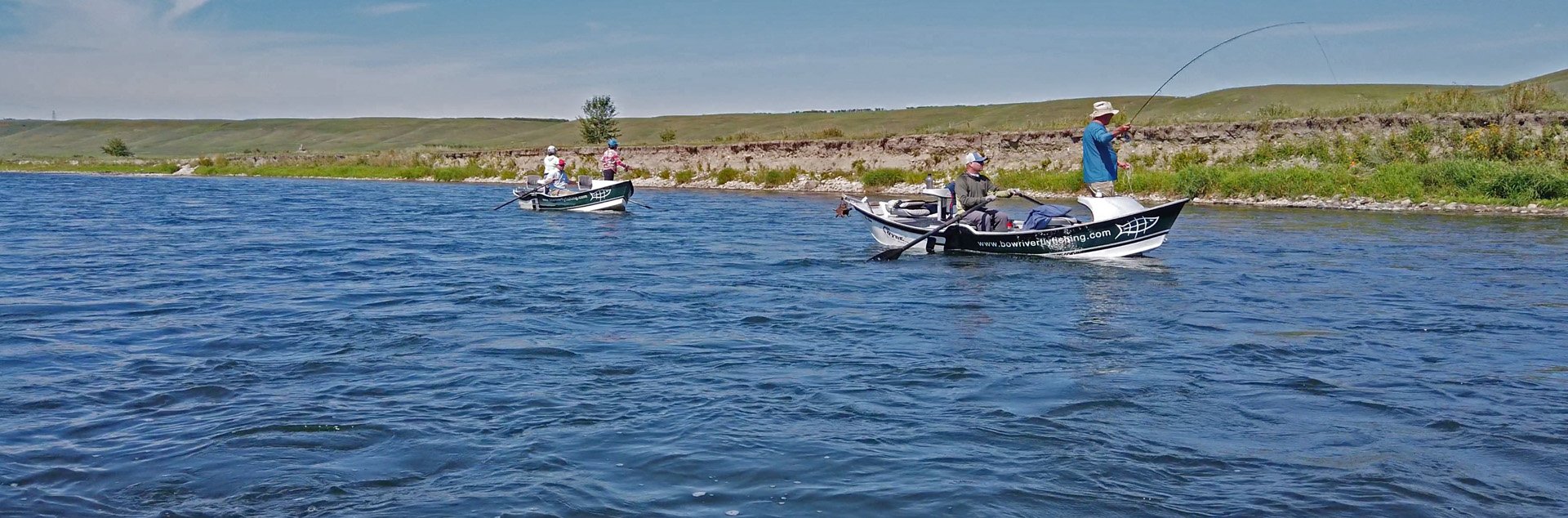
Bow River Fly Fishing Adventures
Calgary, AB, CA
5.0 (185 reviews)
Bow River Fly Fishing Adventures specializes in guided fly fishing experiences on Alberta's premier Bow River, serving anglers from both Calgary and Banff. With over 15 years of expertise, the operation welcomes everyone from beginners to seasoned fly casters, tailoring each outing to individual skill levels and preferences. The team offers diverse trip styles—float trips, walk and wade excursions, and lake outings—targeting rainbow trout, brown trout, cutthroat trout, and bull trout throughout the region. Anglers fish against the dramatic backdrop of the Rocky Mountains, experiencing the river's world-class conditions with guides who bring deep local knowledge and a commitment to creating memorable days on the water.
Squatchy Waters Fly Fishing
Calgary, AB, CA
5.0 (8 reviews)
Squatchy Waters Fly Fishing Led by experienced guide Peter Lywood, Squatchy Waters Fly Fishing offers expertly guided fly fishing adventures on Alberta's renowned Bow River. Specializing in Rainbow, Brown, Cutthroat, and Bull Trout, as well as Pike, the operation combines Peter's deep knowledge of the river's most productive waters with a strong commitment to sustainable fishing practices. Clients can choose from flexible trip options, whether seeking an accessible city float or a more remote mountain excursion. Each outing is tailored to deliver both the thrill of quality fishing and the peace of mind that comes from working with a guide dedicated to responsible stewardship of the resource.
Waders On
Calgary, AB, CA
4.8 (183 reviews)
Waders On, based in Peebles, Scottish Borders, specializes in fly fishing for brown trout and grayling along the scenic Tweed. This dedicated angling club welcomes both novice and experienced anglers, offering expertly guided trips tailored to individual skill levels and interests. The operation is rooted in conservation principles, practicing voluntary catch and release to preserve the river's fishing heritage. Knowledgeable guides lead anglers through the region's rich waters, sharing insights into the local ecosystem and fly fishing techniques. Whether exploring the Tweed for the first time or refining advanced skills, visitors experience the Scottish Borders' distinctive character and excellent trout fishing in a welcoming, sustainable environment.

Topwater Fly Fishing
Calgary, AB, CA
Topwater Fly Fishing brings anglers to some of Canada's most pristine waters, operating from Calgary, Alberta with access to thousands of kilometers of rivers and creeks flowing from the Rocky Mountains. The operation specializes in pursuing trophy cutthroat, rainbow, brown trout, and bull trout across stunning backcountry terrain. Led by experienced guides including Brandon Healey, Topwater Fly Fishing crafts custom adventures suited to both beginners discovering fly fishing and seasoned anglers seeking new challenges. The team offers flexible trip formats—from mini excursions and full-day expeditions to overnight adventures—allowing clients to choose the experience that fits their skill level and schedule. Each outing is designed to maximize time on the water while immersing anglers in the wild landscape they're exploring.
Hooked Fly Fishing
Calgary, AB, CA
Hooked Fly Fishing Hooked Fly Fishing specializes in guided fly fishing on Alberta's premier Bow River, home to abundant wild Rainbow and Brown Trout. Led by guide Matthew Kerslake with over 15 years of professional experience, the service delivers personalized adventures tailored to each angler's skill level and objectives. Whether discovering fly fishing for the first time or refining advanced techniques, guests benefit from expert instruction and intimate knowledge of the river's dynamics. Every trip features premium equipment and thoughtful attention to individual preferences, creating memorable days on the water. Matthew's deep familiarity with the Bow River's seasonal patterns and productive sections ensures anglers spend their time where fish are most active. From beginners seeking foundational skills to experienced fly fishers pursuing trophy trout, Hooked Fly Fishing provides the expertise and personalized approach that transforms a good day into an exceptional one.
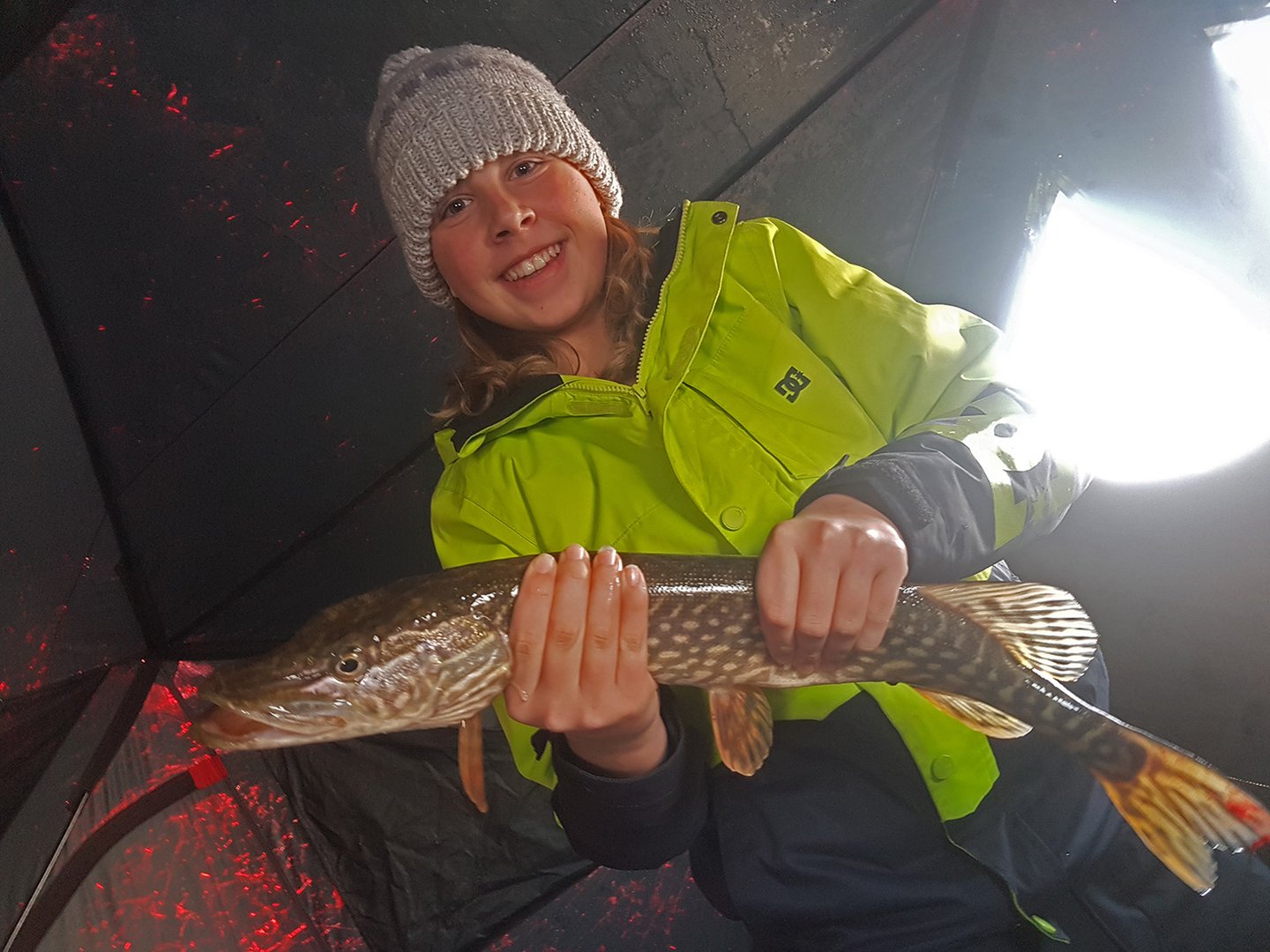
Ice Fishing Alberta
Calgary, AB, CA
Ice Fishing Alberta specializes in authentic winter fishing experiences across some of Canada's most scenic regions—Calgary, Canmore, and Banff. Their professional guides bring years of expertise to every outing, targeting species including trout, pike, and walleye while accommodating anglers of all skill levels. What sets Ice Fishing Alberta apart is their thoughtful blend of traditional ice fishing methods with modern technology. Heated huts, sonar equipment, and underwater cameras transform each trip into both a comfortable and educational adventure. Whether welcoming families, locals, or visitors seeking a genuine Canadian winter experience, they provide all necessary gear and guidance for a successful day on the ice.
Frequently Asked Questions
What is the best technique for Bow River trout?
Nymphing catches 70-80% of the fish. Euro nymphing (tight-line, no indicator) is the most effective modern technique. Indicator nymphing from a drift boat is the most accessible for beginners. Dry flies during hatches (May-September) and streamers for large browns (September-October) round out the methods.
Can I spin fish the Bow River?
Yes — single barbless hooks required, no bait on most sections. Small spoons (Panther Martin, Blue Fox #2-3), Rapalas, and soft plastic jigs all catch trout. Wade access throughout Calgary's park system. Spin fishing is less productive than fly fishing on the Bow but absolutely viable.
What flies should I bring for the Bow River?
Must-haves: Pat's Rubber Legs (10-14), San Juan Worm (red), Pheasant Tail (16-18), Copper John (14-16), Chubby Chernobyl (8-10), BWO parachute (16-20), Elk Hair Caddis (14-16), and a Bow River Bugger (4-6) for streamers. Local fly shops sell Bow-specific selections.
What is Euro nymphing?
A tight-line nymphing technique using a long light rod (10'-11', 2-4wt), no fly line (just a mono leader with a coloured sighter), and heavy tungsten-bead nymphs. You feel the take through direct contact instead of watching an indicator. More effective than indicator nymphing on pressured fish like Bow River trout.
Can I fish the Bow River in winter?
Yes — the tailwater below Bearspaw Dam stays above freezing year-round. Winter fishing means small midges (sizes 18-22) fished deep and slow. Dress for -20°C and expect slow fishing with occasional quality trout. The reward is having the river to yourself.
Related Articles

Fishing the Bow River in Calgary: World-Class Trout Water Running Through a Major City
Saturday, May 30, 2026

Fly Fishing the Bow River, Alberta: Hatches, Dry Flies, and Drift Boat Strategies for Trophy Brown Trout
Wednesday, June 10, 2026
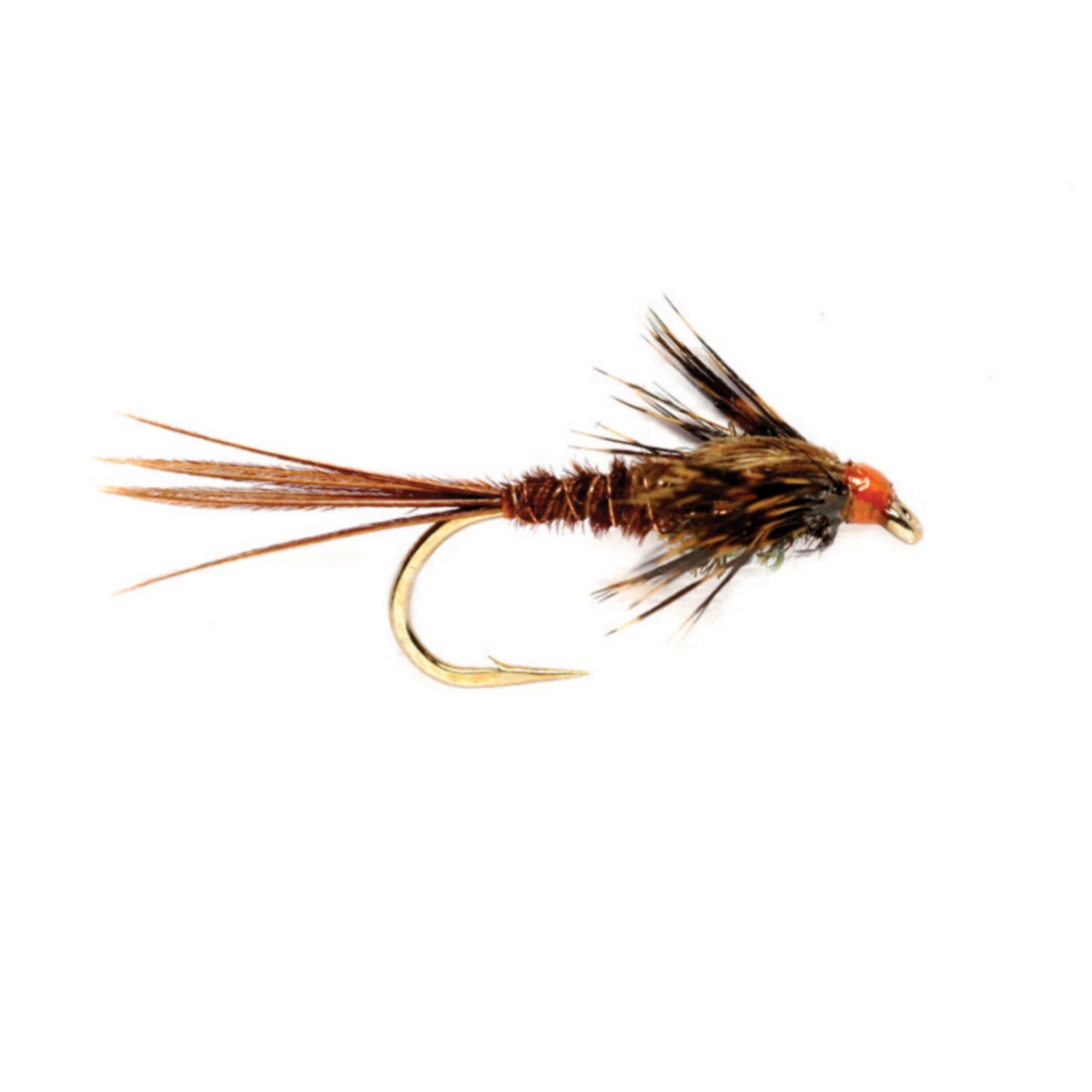
The Pheasant Tail Nymph: Two Materials, No Thread, and the Subsurface Fly That Changed Everything
Thursday, April 9, 2026
 ™
™