
Fishing Haida Gwaii: Remote Lodge Fishing at the Edge of the Pacific
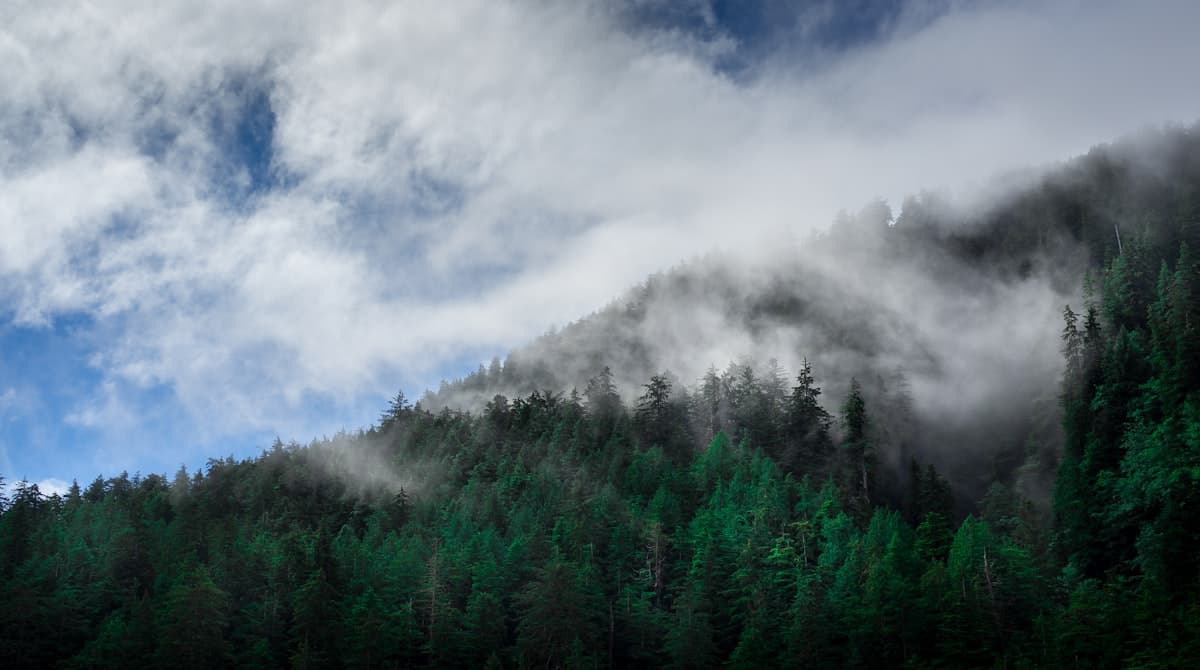
Haida Gwaii sits 100 kilometres off the BC mainland — a remote archipelago where old-growth rainforest meets the open Pacific and the salmon and halibut fishing is among the most productive in the world.
Haida Gwaii is not a place you end up by accident. The archipelago sits roughly 100 kilometres off the northern BC mainland, separated from the coast by Hecate Strait — one of the roughest bodies of water in the Pacific. There are no bridges. No casual day trips. Getting here requires a flight, a long ferry ride, or in the case of the premier fishing lodges, a charter jet from Vancouver followed by a helicopter transfer to a lodge that sits on a rocky point facing the open ocean.
The remoteness is the point. These islands — formerly known as the Queen Charlotte Islands — are the ancestral homeland of the Haida Nation, and they have been managed with a care for the natural world that shows in the fishing. The waters around Haida Gwaii are among the most productive in the Pacific. Chinook salmon run larger here than almost anywhere else on the coast. Halibut grow to barn-door proportions on the banks and ledges. Coho pour through in late summer. The baitfish concentrations that fuel this fishery are visible on the sounder as solid walls of biomass.
This is the fishing trip you save for. It is not cheap, it is not convenient, and it is not casual. But if you want to fish waters that have not been pressured by a hundred boats a day, catch chinook salmon that average 20 to 30 pounds with 50-pounders a realistic possibility, and do it all from a lodge where the nearest road ends 80 kilometres away — Haida Gwaii is where you go.
If you have fished Campbell River or Tofino and want to go deeper into the BC coast, this is the next step.
Why Haida Gwaii
The fishing quality comes down to geography and access. Haida Gwaii sits in the path of every salmon run returning to the rivers of northern BC and Alaska. The cold Alaskan current sweeps down the west coast of the islands, bringing nutrient-rich water that sustains enormous schools of herring, needlefish, and krill. Chinook, coho, and other salmon feed heavily in these waters before continuing their migration to spawning rivers.
The key difference from mainland fisheries is pressure. Campbell River might have 50 charter boats working Discovery Passage on a peak day. The Tofino fleet converges on Big Bank every morning. At Haida Gwaii, the lodge boats may be the only vessels you see all day. The fish are not boat-shy because they rarely encounter boats. This translates directly to catch rates — Haida Gwaii lodges consistently produce multi-fish days that would be exceptional elsewhere.
The halibut fishing deserves special mention. The banks and ledges around Haida Gwaii hold Pacific halibut in numbers and sizes that are difficult to find south of Alaska. Fish over 100 pounds are caught every season. The combination of shallow reef structure, strong currents, and massive baitfish populations creates ideal halibut habitat, and the relative lack of commercial pressure means the fish are there in density.
Langara Fishing Lodge Trip — Haida Gwaii Salmon and HalibutWhat You Are Fishing For
Chinook salmon are the primary target and the reason most anglers make the trip. Haida Gwaii chinook average larger than almost any other fishery on the BC coast — 20 to 30 pounds is typical, with fish over 40 pounds caught regularly and 50-pound-plus tyees a realistic possibility. The fish are intercepting migrants from multiple river systems, which means there are fresh fish arriving constantly throughout the season.
Coho salmon arrive in July and run through September. Haida Gwaii coho are notably larger than their southern counterparts — fish of 12 to 18 pounds are common. They hit aggressively and fight like fish twice their size in the cold, nutrient-rich water.
Halibut hold on the banks and rocky structure from 60 to 300 feet. The west coast of the islands, particularly around Langara Island at the northwest tip, produces halibut in the 20- to 80-pound range regularly, with the chance at a 100-pound-plus barn door on any given day.
Lingcod inhabit the rocky reefs in impressive numbers. Fish of 15 to 30 pounds are common — significantly larger on average than the lingcod you will catch farther south.
Bottom fish — yelloweye rockfish, black rockfish, and Pacific cod — round out the catch. Strict retention limits apply, particularly for yelloweye (check DFO regulations carefully).
For the complete breakdown of techniques, rigs, and regulations, see our How to Fish Haida Gwaii guide.
The Lodge Experience
Haida Gwaii fishing is almost exclusively a lodge-based experience. There is no meaningful walk-up charter fleet like Campbell River or Tofino. The remoteness of the islands and the logistics of fishing the outer coast mean that lodges provide the boats, the guides, the accommodation, the meals, and often the air transportation.
Premium lodges — Queen Charlotte Lodge, West Coast Fishing Club (The Clubhouse, The Outpost, The Lodge at Hippa Island), Langara Fishing Adventures — offer an all-inclusive experience that starts with a charter jet from Vancouver. You fly in, helicopter or boat to the lodge, and spend 3 to 5 days fishing with experienced guides in fully equipped centre-console or cabin boats. Meals are gourmet — fresh-caught fish prepared by lodge chefs, wine with dinner, appetizers after the afternoon trip. Your fish is processed, vacuum-sealed, and boxed for the flight home.
These lodges run CAD $5,000 to $10,000+ per person for a 3- to 4-night package, depending on the lodge tier and time of season. That includes charter flights, guided fishing (two trips per day — morning and afternoon), accommodation, all meals and drinks, and fish processing. It is expensive by any measure, but the per-day value — when you factor in what you would spend separately on flights, charters, accommodation, meals, and fish handling — is actually competitive, and the quality of the fishing is in a different league.
Mid-range options exist out of Sandspit and Queen Charlotte (Daajing Giids) on the east side of the islands. Independent charter operators and smaller lodges offer guided day trips for CAD $1,200 to $2,000 per day (2-4 anglers). You arrange your own accommodation and meals in town. The fishing on the east side (Hecate Strait) is good but different — less exposed than the open Pacific west coast, with more emphasis on inside-passage salmon and halibut on the Hecate banks.
Premiere Salmon and Halibut Fishing in BC — Sandspit AdventuresWhen to Go
The fishing season at most Haida Gwaii lodges runs late May through mid-September.
Late May and June (Early Season): Feeder chinook and the first migratory fish. Halibut season open. The longest days of the year mean maximum fishing time. Weather can be variable — fog is common — but the fishing pressure is at its lowest.
July (Peak Chinook): The main chinook runs push through in force. This is the premium month at most lodges — the largest fish, the most consistent action, and the highest prices. Book a year or more in advance for July at the top lodges.
August (Peak Diversity): Coho arrive while chinook are still running. Halibut and lingcod in full swing. The best month for variety and consistently excellent fishing. Weather is typically the most stable of the season.
September (Late Season): Coho fishing peaks. Chinook thinning out. Some lodges close by mid-September. The weather starts to deteriorate but the coho fishing can be spectacular.
Halibut Fishing in Paradise — Haida Gwaii Fishing TripGetting There
Charter jet from Vancouver: The premium lodges operate their own charter flights from Vancouver South Terminal (YVR South). The flight takes about 2 hours, landing at the Masset airport on the north end of Graham Island. From there, a helicopter or boat transfer takes you to the lodge. This is included in the all-inclusive package price.
Scheduled flights: Pacific Coastal Airlines flies from Vancouver to Sandspit (YZP) on Moresby Island. From Sandspit, you can reach Queen Charlotte (Daajing Giids), Masset, and the various lodges by road, boat, or local air charter.
BC Ferries: The Northern Adventure sails from Prince Rupert to Skidegate (Haida Gwaii) — an 8-hour overnight crossing. This is the budget option and the way to bring a vehicle, but it adds significant travel time. Prince Rupert is itself a 14-hour drive from Vancouver or a 2-hour flight.
For most anglers: The charter jet through a lodge package is the practical choice. The other options work but add a full day of travel in each direction.
What to Expect
Haida Gwaii fishing days typically run two shifts — a morning trip (dawn to midday) and an afternoon trip (early afternoon to dusk). Each trip runs 4 to 5 hours of actual fishing time. You fish with a guide in a boat assigned to your group (usually 2 anglers per boat).
The mornings often start with salmon trolling along the kelp edges and reef structure. The guide runs downriggers at 40 to 120 feet, trolling spoons or bait behind flashers. When a rod goes off, the downrigger releases and you fight the fish on the rod — no winching fish in on heavy gear. The tackle is matched to the fish, and a 30-pound chinook on a mooching rod in strong current is a genuine battle.
Afternoons often shift to halibut and bottom fishing on the banks, though some groups fish salmon all day if the action is hot. Halibut fishing here is straightforward — drop a large jig or baited spread to the bottom, work it with big rod sweeps, and hold on when 50 to 100 pounds of flatfish decides to fight the current.
Between trips, you are at the lodge. Lunch, naps, hot tub, exploring the shoreline, or just watching the ocean. The pace is unhurried — you are in a place where the nearest traffic light is 100 kilometres of open water away.
Wildlife: Haida Gwaii is one of the most ecologically rich places in North America. Black bears forage on the beaches. Bald eagles nest in the Sitka spruce above the lodge. Steller sea lions haul out on the rocks. Humpback whales feed in the channels. You will see wildlife every day without looking for it.
What to Bring
The lodges provide all fishing tackle, but there are things you should pack specifically for a Haida Gwaii trip:
Rain gear: Non-negotiable. The west coast of Haida Gwaii gets significant rain year-round, and even on dry days, the ocean spray will soak you. Quality waterproof bibs and jacket — Grundéns, Helly Hansen, or similar — not a lightweight hiking rain shell. The Pacific is cold and relentless, and you will be on the water for 8 to 10 hours a day.
Layers: Temperatures on the water range from 8-16°C (46-61°F) even in summer. A fleece or wool mid-layer under your rain gear is essential. Do not pack for summer — pack for a wet autumn day on the ocean.
Motion sickness medication: The waters around Langara Island and the west coast can have significant ocean swells. Even experienced boaters should bring Gravol or Dramamine as insurance. Take it before you get on the boat — once you feel sick, it is too late for medication to help.
Camera with waterproof protection: You will see things worth photographing every day — whales, bears, eagles, sea otters, sunsets over the open Pacific. A waterproof phone case or a dedicated action camera (GoPro or similar) handles the salt spray and rain.
Soft-sided luggage: If you are flying in on a charter jet and transferring by helicopter or boat, hard suitcases are impractical. A waterproof duffel (Yeti Panga, Patagonia Black Hole, or similar) is the standard. Most lodges specify luggage weight limits — check with your lodge before packing.
Your fish goes home with you: Premium lodges process, vacuum-seal, and box your catch for the flight home. The fish is flash-frozen and packed in insulated boxes that serve as your checked luggage. You do not need to bring a cooler.
Fishing Licence
You need a DFO tidal waters sport fishing licence. Non-Canadian residents: $124.41 CAD annually, $20.92 for 3 days, or $10.46 for a single day. Salmon conservation stamp ($6.29) required to retain salmon. Purchase online at the DFO Pacific Region website before your trip. Your lodge will remind you, but they do not include the licence in the package price. Barbless hooks are mandatory in all BC tidal waters.
The Haida Nation
Haida Gwaii is the homeland of the Haida people, who have lived on these islands for at least 14,000 years. The islands were co-named Haida Gwaii (meaning "Islands of the Haida people") in 2010, replacing the colonial name Queen Charlotte Islands.
As a visitor, you are a guest on Haida territory. The lodges operate with the knowledge and often the partnership of the Haida Nation. Several lodges employ Haida guides and staff. The Haida Heritage Centre at Kay Llnagaay near Skidegate is worth visiting if your travel schedule allows — the monumental poles and canoes are extraordinary.
Respect for the land and water is not abstract here. The Haida have been the stewards of these fisheries for millennia, and the quality of fishing you experience is a direct result of that stewardship.
Salmon and Halibut Fishing Highlights — Haida Gwaii, British ColumbiaTop Fishing Guides in Haida Gwaii
Haida Gwaii fishing is lodge-based and guide-dependent — the remote waters, strong currents, and variable weather demand a captain who has spent years reading this coast. The guides at Haida Gwaii lodges know where the chinook are staging today, which bank the halibut have moved to, and whether the weather window is long enough to fish the outside. That knowledge is what you are paying for, and it is worth every dollar.
Haida Gwaii Fishing Charters
Haida Gwaii, BC, CA
Haida Gwaii Fishing Charters welcomes anglers to experience exceptional fishing in the pristine waters of British Columbia's Haida Gwaii. Captain Michael Mayr leads personalized trips targeting world-class salmon and bottom fish, delivering both the thrill of a bucket-list adventure and the comfort of a relaxing day on the water. The operation maintains a well-equipped fleet including an 18-foot Hourston Glasscraft and a 24-foot Grady White offshore boat, each outfitted with modern fishing gear and amenities designed for safety and success. Whether preparing for a first fishing expedition or seeking a return to one of Canada's premier fishing destinations, anglers benefit from Captain Mayr's local expertise and commitment to memorable experiences.
Majestic Charters
Haida Gwaii, British Columbia, CA
Majestic Charters Majestic Charters welcomes anglers to the pristine waters of Haida Gwaii, British Columbia, a world-renowned fishing destination nestled south of Alaska. Specializing in guided salmon fishing—particularly prized Chinook—the operation combines expert local knowledge with luxurious accommodations to create an unforgettable experience. Guests fish in one of Canada's most culturally rich and visually stunning regions, where natural beauty and productive waters are unmatched. The all-inclusive charter packages remove the hassle from planning, allowing anglers to focus entirely on their time on the water and in this remarkable landscape. Beyond fishing, guests enjoy adventure tours and authentic local cuisine, experiencing Haida Gwaii's character from every angle. Whether seeking trophy salmon or an immersive coastal adventure, Majestic Charters delivers a comprehensive, expertly guided journey through British Columbia's crown jewel.
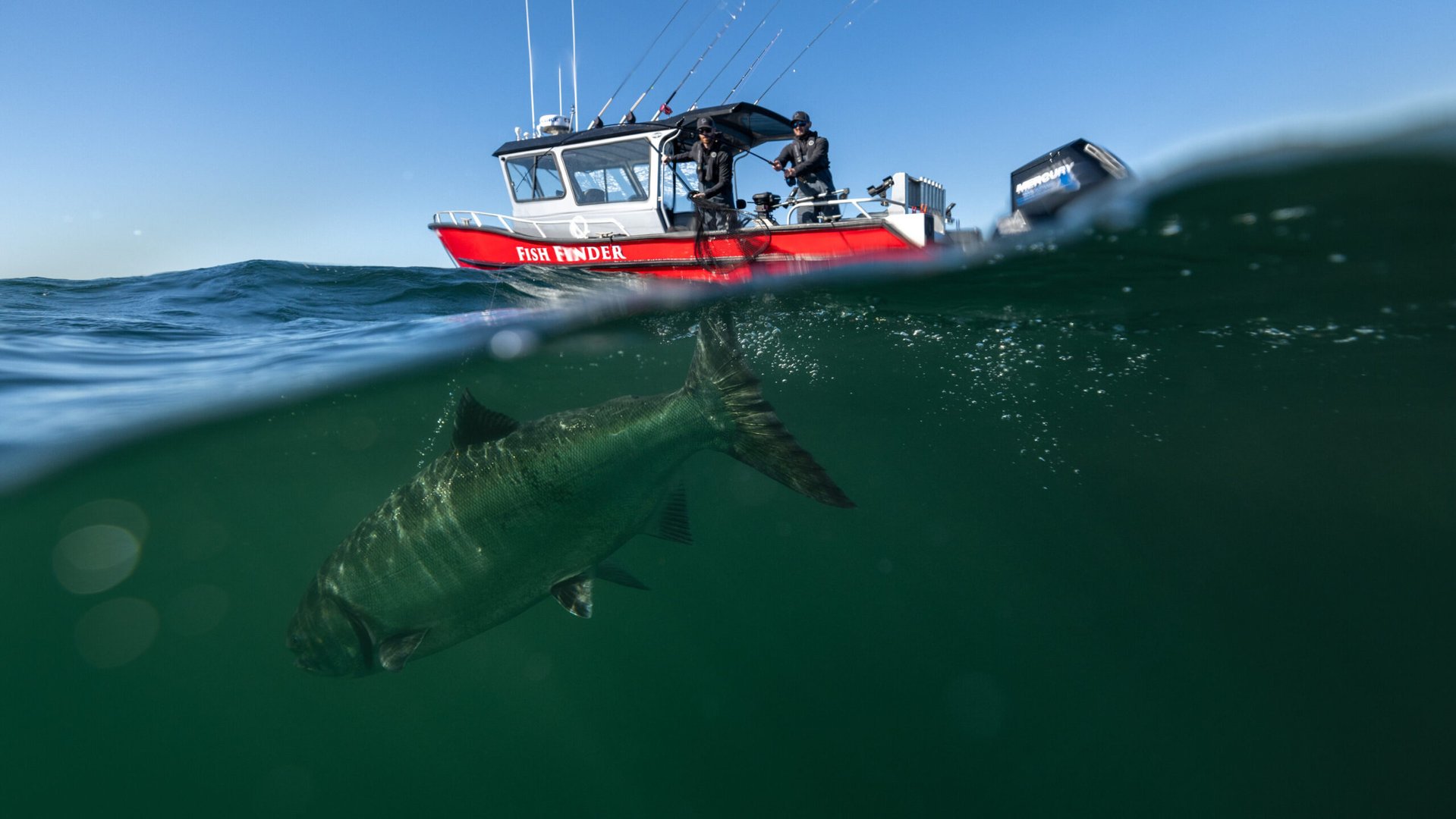
Queen Charlotte Lodge
Haida Gwaii, BC, CA
QCL Haida Gwaii is a premier fishing lodge set in the remote and pristine Haida Gwaii archipelago of British Columbia. Specializing in world-class salmon and halibut fishing, the lodge offers both guided and self-guided experiences designed for anglers of all skill levels. The operation is built on a foundation of knowledgeable guides who understand these legendary waters and are committed to helping guests succeed. Nestled within old-growth forests, the lodge combines exceptional service and gourmet dining with breathtaking coastal scenery. Whether seeking an immersive guided adventure or the independence of self-guided fishing, guests can expect a thoughtfully crafted experience that honors both the pristine environment and the pursuit of remarkable catches in one of Canada's most iconic fishing destinations.
Recommended Gear
Grundéns Gage Weather Watch Jacket
Waterproof outer layer — Haida Gwaii weather changes fast on the open Pacific
Grundéns Neptune 319 Bib Pants
Heavy-duty rain bibs for Pacific spray and all-day ocean exposure
Shimano Tekota 600 Level-Wind Reel
Salmon trolling — lodges often supply gear but serious anglers bring their own
Okuma Classic Pro GLT 8'6" M Trolling Rod
Salmon downrigger trolling — the standard west coast salmon rod
Penn Squall 30 Lever Drag Reel
Halibut — these fish are bigger here and you need the lifting power
Penn Carnage III 5'6" H Boat Rod
Halibut jigging — short, stiff, and built for deep-water bottom fish
Gibbs-Delta Skinny G Spoon Green Glow
Chinook trolling behind a flasher — the BC standard that works everywhere
Mustad InkVader Octopus Jig 16 oz
Lingcod and halibut — aggressive action over the rocky banks
Mustang Survival MIT 100 Inflatable PFD
Low-profile auto-inflate PFD — mandatory safety gear on open Pacific water
Yeti Panga Duffel 75L
Waterproof duffel for the charter jet and boat transfers — soft-sided, submersible
Frequently Asked Questions
How much does a Haida Gwaii fishing trip cost?
All-inclusive lodge packages (charter flights from Vancouver, 3-4 nights, guided fishing twice daily, gourmet meals, fish processing): CAD $5,000-$10,000+ per person. Independent day charters out of Sandspit: CAD $1,200-$2,000/day for 2-4 anglers, with separate accommodation. The lodge packages are expensive but include everything.
When is the best time to fish Haida Gwaii?
July for the largest chinook salmon and peak migration. August for the best variety — chinook, coho, halibut, and lingcod all available. Late May-June for early season with lowest pressure. September for peak coho. Book top lodges a year or more in advance for July.
How do I get to Haida Gwaii?
Most anglers fly on a charter jet included in their lodge package (2 hours from Vancouver). Independent travelers can fly Pacific Coastal Airlines to Sandspit, or take the BC Ferries Northern Adventure from Prince Rupert (8 hours). The charter jet through a lodge is the practical choice — other options add a full day of travel each direction.
What fish can I catch at Haida Gwaii?
Chinook salmon averaging 20-30 lbs (50+ lbs possible), coho salmon (12-18 lbs, July-September), Pacific halibut (20-100+ lbs), lingcod (15-30 lbs), and bottom fish. The chinook and halibut here average significantly larger than at southern BC destinations like Tofino or Campbell River.
Do I need to book a lodge or can I fish independently?
Lodge packages are the standard for Haida Gwaii fishing — they handle flights, boats, guides, meals, and fish processing. Independent day charters are available from Sandspit and Queen Charlotte but require arranging your own travel, accommodation, and meals. There is no walk-up charter fleet like Campbell River.
Related Articles
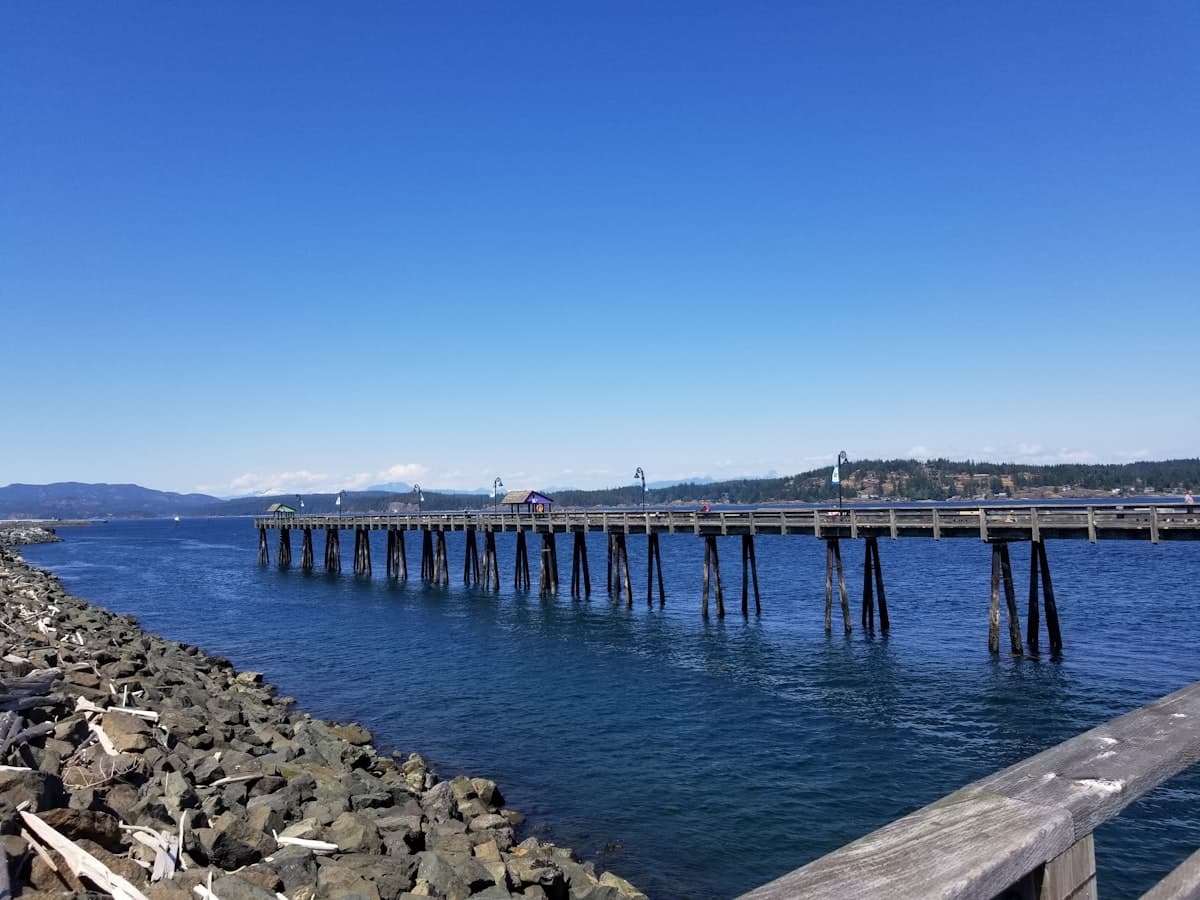
Fishing Campbell River, BC: The Salmon Capital of the World and Why It Earns the Name
Saturday, June 13, 2026
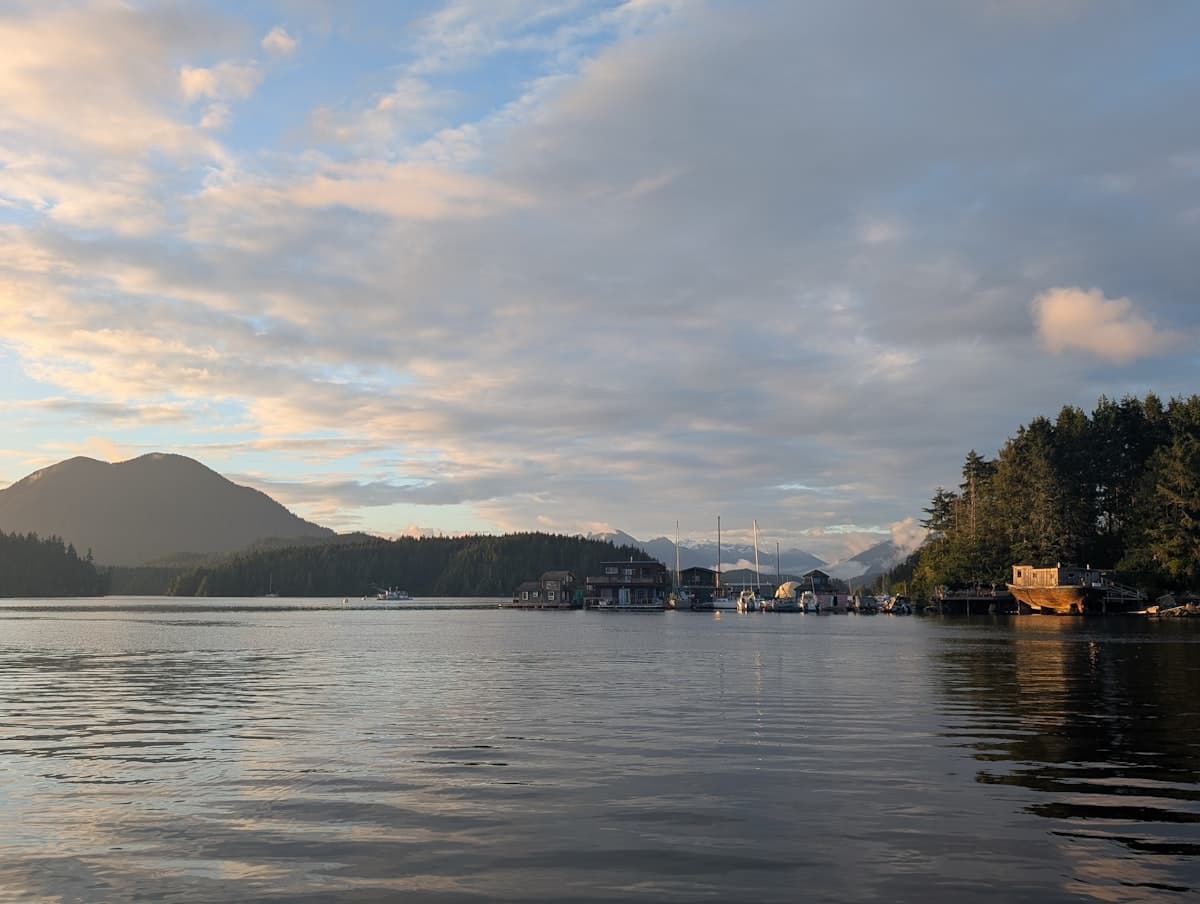
Fishing Tofino and Ucluelet, BC: Planning Your Trip to Vancouver Island's Wild West Coast
Monday, June 15, 2026
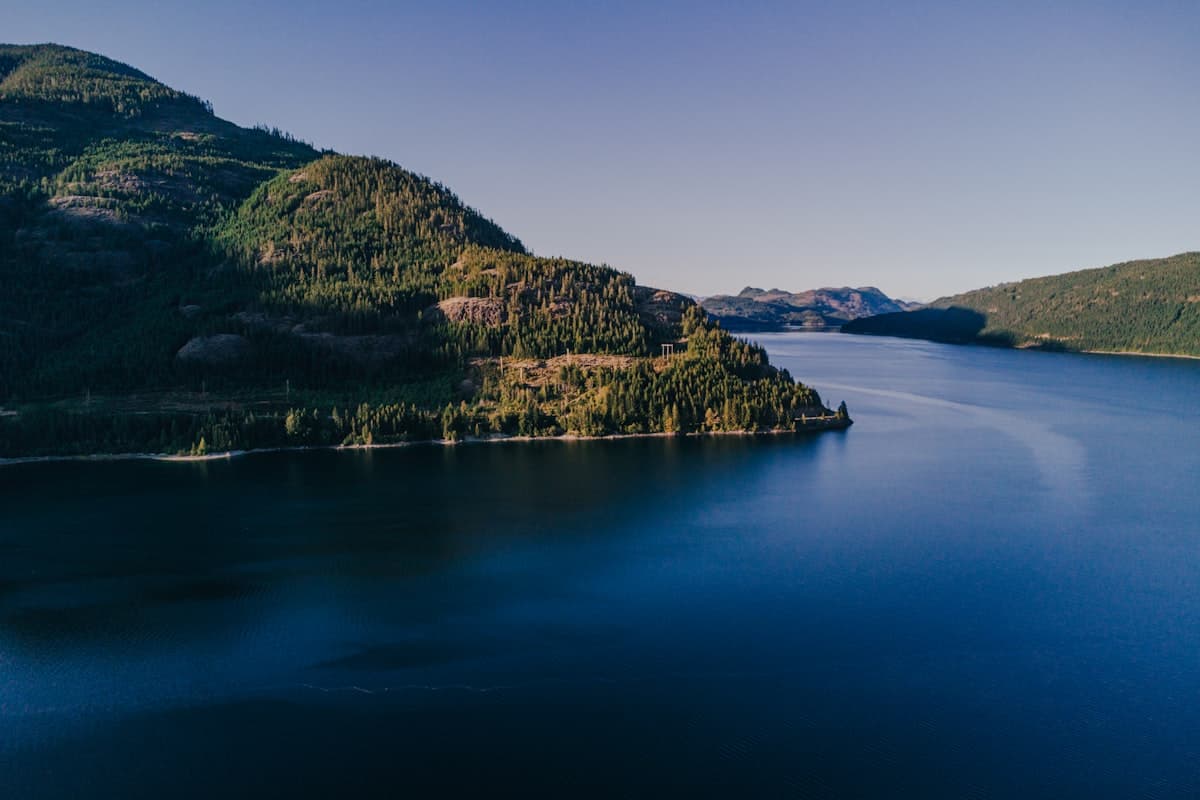
How to Fish Campbell River, British Columbia: The Salmon Capital of the World and the Legendary Tyee Pool
Thursday, November 27, 2025
 ™
™