
Fly Fishing Biscayne National Park: Bonefish, Permit, Tarpon, and the Best Saltwater Flats You Can Reach by Uber
Biscayne National Park is 95% water — the largest marine park in the National Park System — with gin-clear turtle grass flats holding bonefish, permit, and tarpon 30 minutes south of downtown Miami. Here's the fly box, the seasonal calendar, and why this park is the Everglades' clear-water sister.
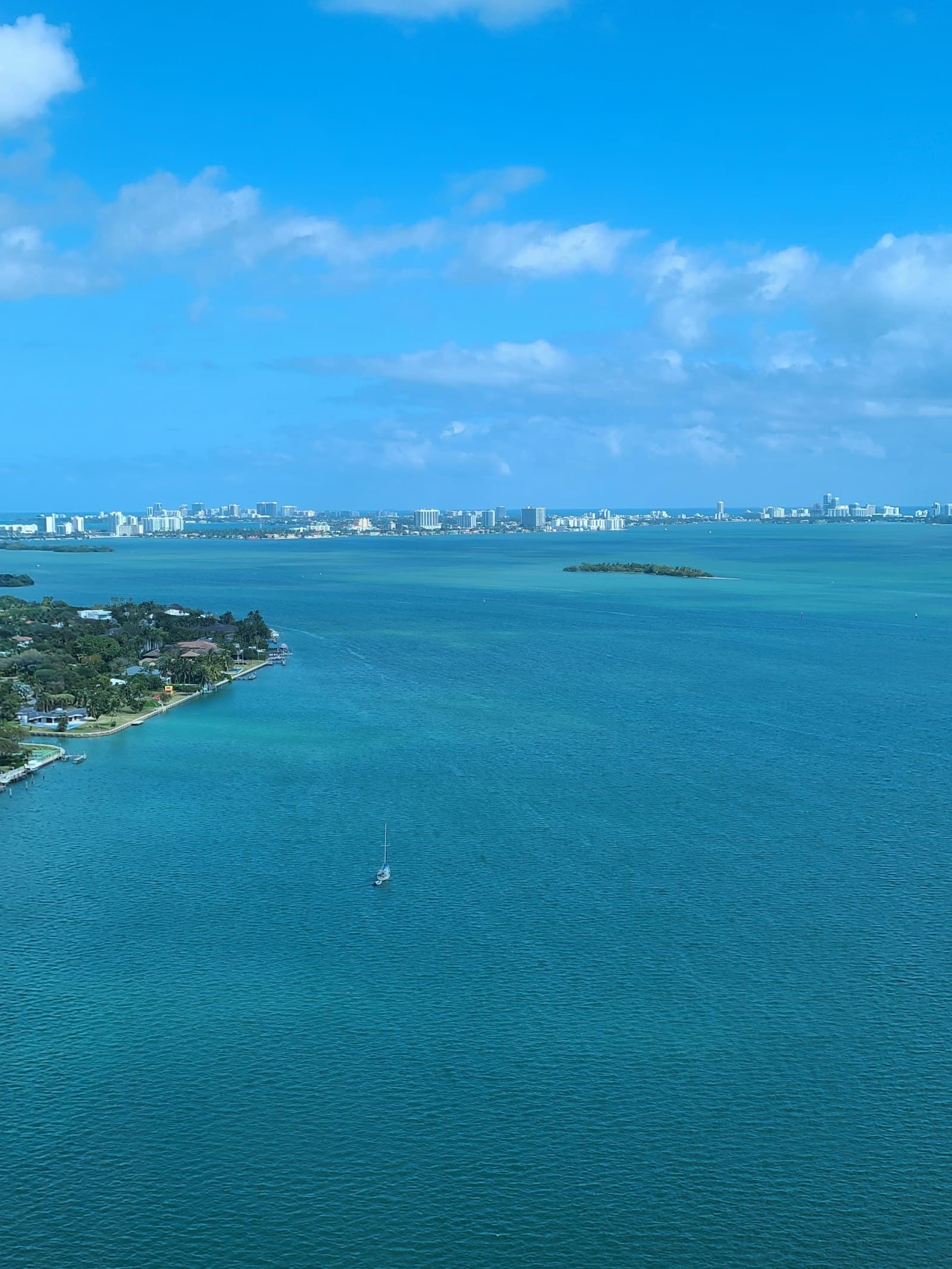
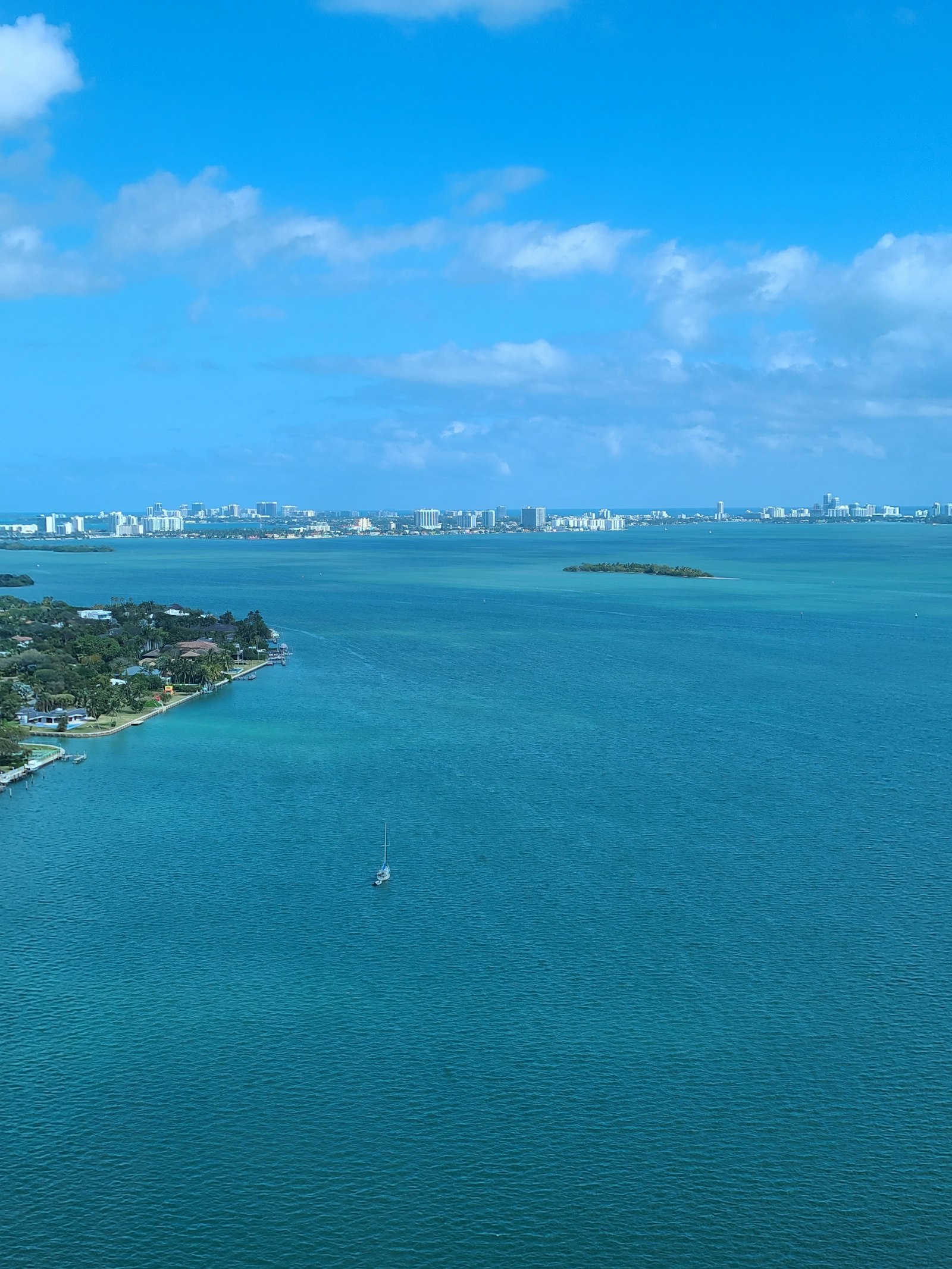
Biscayne National Park is 172,971 acres of water. Not water and land. Water. Ninety-five percent of the park is submerged — a vast mosaic of turtle grass flats, mangrove shoreline, coral reef, and open bay stretching from the mainland coast south of Miami to the northernmost islands of the Florida Keys. It is the largest marine park in the National Park System, and it contains some of the best saltwater flats fishing in the continental United States.
That last sentence deserves to sink in. This is not marginal fishery inside a pretty park. This is world-class bonefish water. This is permit water. This is tarpon water. The same species, the same flats environment, the same gin-clear sight-fishing that draws anglers to Islamorada and Key West — except Biscayne National Park sits 30 minutes south of downtown Miami on US-1. You can eat breakfast in Brickell, be on a skiff poling across turtle grass flats by 8 AM, and sight-cast to a tailing bonefish before a single tourist at Everglades National Park has finished applying sunscreen.
The contrast is the hook. The Miami skyline shimmers on the northern horizon while you strip a Crazy Charlie across a flat so shallow your push pole leaves tracks in the marl. Stiltsville — the legendary cluster of wooden houses built on stilts in the open bay — stands in the middle distance like a fever dream from Old Florida. And somewhere between the skyline and the stilt houses, a bonefish is tailing in eighteen inches of water, and your hands are shaking.
The Park — 95% Underwater
Biscayne protects four distinct ecosystems stacked on top of each other: the mainland mangrove shoreline along the western edge, the shallow waters of Biscayne Bay itself, the chain of barrier islands (Elliott Key, Sands Key, Boca Chita Key) running north to south, and the coral reef tract along the eastern boundary. For fly anglers, the first three are where you live.
The bay is the main event. Biscayne Bay is a shallow, subtropical lagoon averaging four to six feet deep, with vast expanses of turtle grass flats running two feet or less at low tide. The water clarity rivals anything in the Keys — on a calm morning with the sun at your back, you can spot a bonefish at 80 feet. The grass flats between Soldier Key, Sands Key, Elliott Key, and the Safety Valve shoals south of Key Biscayne are the primary fishing grounds, and they hold fish year-round.
The mangrove shoreline along the western edge of the park — from Black Point north through Turkey Point and into the Arsenicker Keys — is a different world. Dark water, tangled prop roots, ambush predators. This is snook and redfish country, and the techniques that work here have more in common with Everglades backcountry fishing than open-flat bonefish stalking.
The channels between the barrier islands — Caesar Creek, Broad Creek, the cuts around Elliott Key — serve as highways for tarpon moving between the Atlantic and the bay. When the silver kings are migrating (April through July), these channels concentrate fish into castable corridors that produce shots you simply don't get on open water.
Access is boat-only. There are no roads into Biscayne National Park. The Dante Fascell Visitor Center at Convoy Point in Homestead sits at the park's western boundary, and from there you're on the water. Most fly anglers fish with a guide out of Homestead, Black Point Marina, or the Matheson Hammock area. A shallow-draft flats skiff — the 16 to 18-foot technical poling skiffs that define Florida Keys fishing — is the vessel of choice. You can launch your own boat, but if you don't know this water, a guide who knows the flat edges, the tide movements, and where the fish stage on a given wind is worth every dollar.
The Flats — Bonefish and Permit
The heart of Biscayne National Park fly fishing is the flats. Miles of shallow turtle grass bottom, firm enough to wade in places, stretching across the interior of the bay between the mainland mangroves and the barrier island chain. This is sight-fishing in its purest saltwater form: you pole or drift across the flat, scanning the water for movement — a tail breaking the surface, a shadow sliding over the grass, a nervous water push that betrays a feeding fish.
Bonefish — The Grey Ghost of the Flats
Biscayne Bay holds some of the biggest bonefish in Florida. The average fish runs seven to eight pounds, and double-digit bonefish — the kind of fish that would make an Islamorada guide's season — are a realistic possibility on any given day. The population is healthy, the habitat is protected by the park, and the fish see less pressure than their counterparts in the Keys.
The flats around the Safety Valve — the shoal system south of Key Biscayne at the park's northern edge — are the most famous bonefish grounds. Featherbed Bank, the sandy edges near Cape Florida, and the grass flats running south toward Soldier Key all hold fish. Further south in the park, the flats around Sands Key and Elliott Key produce excellent bonefish fishing with the added bonus of fewer boats. If you've chased bones on Hawaii's Christmas Island flats or in the Bahamas, Biscayne Bay will feel familiar — except you drove here from an international airport instead of flying a puddle-jumper to an atoll.
Best season: Bonefish are available year-round, but the prime window runs February through July, with peak action from March through June. Water temperatures in the low to mid-70s bring the fish onto the flats to feed aggressively. Fall (September through November) offers a strong secondary window. Winter fishing is tide- and weather-dependent — cold fronts push fish into deeper channels, but warm spells between fronts can produce outstanding days.
The flies: The Gotcha is THE Biscayne Bay bonefish fly — a shrimp imitation with bead-chain eyes that rides hook-point-up and lands softly on the flat. Carry them in tan, pink, and pearl in sizes #4-8. The Crazy Charlie in white, tan, and pink (#4-6) is the other essential — arguably the most important bonefish fly ever designed, originally tied on Andros Island in the Bahamas and equally deadly on Florida flats. Beyond these two staples, carry Peterson's Spawning Shrimp, Borski's Fur Shrimp, Christmas Island Specials, and Mantis Shrimp patterns in #4-6. The bonefish are eating shrimp and small crabs on the grass flats, and your fly needs to imitate what's already down there. Match the bottom — tan over light sand, olive-tan over dark grass.
The presentation: Bonefish are spooky. The cast needs to land the fly two to four feet ahead of a moving fish (farther on calm days, closer in chop), let it sink to the bottom, and then strip it in short, quick pulls that mimic a fleeing shrimp. If the fish turns toward the fly, stop stripping and let it sink. If the fish charges, strip faster. If the fish spooks at the splash, you lined it — cast fell too close. Every encounter is a chess move, and the clock is always running.
Permit — The Holy Grail
Permit roam the same flats as bonefish but they're harder to find, harder to feed, and harder to land. A permit on the fly is one of the most difficult achievements in saltwater fly fishing, and Biscayne Bay is one of the best places in the world to attempt it.
Permit in Biscayne Bay frequent the sandy banks, shallow flats, and hard edges where the grass bottom transitions to sand or coral rubble. They cruise in small groups or as singles, tailing as they root for crabs on the bottom. The fish range from 10 to 30 pounds, with the average running 15 to 20 — big enough to test your drag, your knots, and your composure.
Best season: March through November, with peak fishing May through October when water temperatures keep the fish actively feeding on the flats. The Grand Slam — bonefish, permit, and tarpon in a single day — is a realistic possibility from March through October, and Biscayne Bay is one of the few places where all three species overlap on the same water.
The flies: Permit eat crabs. Your fly box needs crab patterns and nothing else will consistently work. The Merkin Crab (#2-4) is the standard — a tan or olive epoxy-backed crab with rubber legs and lead eyes that sinks fast and lands with a thud that gets the fish's attention. The Raghead Crab, EP Permit Crab, and Bauer's Crab are variations on the same theme — small, weighted crab imitations in #2-4 that sink quickly and sit on the bottom looking like food. Some guides carry a Clouser Minnow in tan as a Hail Mary when permit refuse the crab, but the crab is the fly. Accept it.
The presentation: Lead the fish farther than you think — six to eight feet — and let the fly sink to the bottom. Permit approach slowly, tip down, and eat off the bottom. Do not strip. Do not move the fly. Let the fish find it, inspect it, and eat it. When you see the fish tip down and the tail come up, strip-set hard and hold on. A hooked permit's first run will take you deep into your backing before you finish processing what just happened.
The Mangrove Edges — Snook and Redfish
The western shoreline of Biscayne Bay is lined with red mangroves — a tangled wall of prop roots, overhanging branches, and dark water that hides some of the most exciting fly-rod targets in the park. This is a completely different game from the open flats. Instead of scanning a sun-lit flat for grey shadows, you're casting tight to structure, dropping a fly within inches of the mangrove roots, and waiting for something to explode on it.
Snook
Snook to 15 pounds hold tight to the mangrove shorelines throughout the bay, from the mainland coast at Black Point and Turkey Point south through the Arsenicker Keys. They sit under the overhanging roots, facing the current, waiting for shrimp, crabs, and baitfish to drift past. High tide pushes them deep into the mangrove edges where they're impossible to reach. Low tide pulls them out to the root tips and the deeper cuts where a well-placed fly can get in front of them.
The flies: Lefty's Deceiver variations in white, chartreuse-and-white, and all-black (#1/0-2/0) are the workhorse snook flies. EP Minnows, Seaducers, and Bendbacks (which ride hook-point-up to avoid snagging the roots) round out the box. A white or chartreuse Clouser Minnow (#1/0-2) fished along the mangrove edges is deadly when the snook are keyed on pilchards. For topwater action at first light, a popping bug skipped under the mangrove canopy will draw strikes that stop your heart.
The technique: Accuracy matters more than distance. You're casting into windows between mangrove branches, dropping the fly within six inches of the prop roots, and stripping it out before it snags. A sidearm or water-loaded cast keeps the fly low and lets you shoot it under overhanging branches. When a snook hits, it immediately dives for the roots — keep the rod low, strip hard, and don't let it get into the structure or you'll lose the fish and the fly.
Redfish
Redfish — red drum — cruise the mangrove edges, grass flats, and oyster bars throughout the western bay. They're less structure-dependent than snook and more likely to be found tailing on shallow flats adjacent to the mangroves, particularly on rising tides when they push up onto the grass to feed. Biscayne Bay redfish average 5 to 10 pounds, with fish to 15 possible.
The flies: Clouser Minnows in chartreuse-and-white (#2-4), shrimp patterns in gold and tan (#2-4), and small Deceivers in red-and-white cover the redfish game. Weedless spoon flies and Gurgler-style topwater patterns are effective when redfish are tailing in very shallow water over grass. The approach is similar to Texas coast redfish fishing — sight-cast to tailing or cruising fish, lead them by two to three feet, and strip slowly.
The Channels — Tarpon
The channels and passes between Biscayne Bay's barrier islands are tarpon highways. When the silver kings migrate north along the Florida coast in spring and summer, they funnel through Caesar Creek, Broad Creek, and the cuts around Elliott Key, concentrating into water where you can intercept them.
Biscayne Bay tarpon range from juvenile fish in the 10 to 20-pound class (which hold in the bay year-round and are an absolute blast on an 8-weight) to migrating adults over 100 pounds. The big fish — the ones that make your reel scream and your arms burn — move through from April through July, with peak action in May and June.
The flies: Tarpon flies are their own category. The Black Death (#1/0-3/0) — a black-and-purple rabbit-strip streamer — is a Biscayne Bay staple and one of the most proven tarpon patterns in south Florida. The Cockroach (brown-and-grizzly hackle over a thread body), Apte Too, Purple Demon, and EP Tarpon Streamer in black, purple, and chartreuse round out the box. Tarpon Toads — foam-bodied flies that push water and create a wake on the strip — draw aggressive strikes from fish that won't commit to a subsurface fly. Carry everything in #1/0 to 4/0 on strong, sharp hooks.
Gear: Tarpon demand dedicated equipment. A 10 to 12-weight rod (most guides fish a 12-weight for adult tarpon) with a quality large-arbor reel holding 250+ yards of 30-pound backing. The leader is 60 to 80-pound butt section tapering to a 40 to 60-pound class tippet with a 60 to 80-pound fluorocarbon bite tippet. Tarpon have bony mouths and sandpaper lips — the hook-set is a strip-strike (never lift the rod), and the fight is managed with the reel, not the rod tip.
The Other Players
The flats, channels, and mangrove edges hold more than the glamour species. These fish won't make the magazine covers, but they fill the gaps between bonefish shots and make every day on the water productive:
Barracuda patrol the flat edges and channel mouths, and they'll chase anything that moves fast. A Clouser Minnow or Needlefish pattern stripped at full speed draws explosive strikes. Wire tippet is mandatory — those teeth are no joke.
Jack crevalle roam the bay in schools, busting bait on the surface with a violence that's visible from a quarter mile. When you find jacks blowing up on pilchards, throw a white Deceiver or popping bug into the chaos and strip hard. Jacks fight pound-for-pound harder than almost any fish in the bay.
Spotted seatrout hold over the grass flats in three to five feet of water, particularly around the Indian Grass Flat in the park's southeastern section. A Clouser Minnow in chartreuse-and-white or a shrimp pattern stripped slowly over the grass produces consistent action. Seatrout average 2 to 4 pounds and are excellent table fare (check park regulations for size and bag limits).
Sharks — bonnetheads and small blacktips — cruise the flats alongside bonefish and permit. A bonnethead tailing on a flat is one of the most underrated fly-rod targets in saltwater — cast a small shrimp pattern ahead of the fish and strip slowly. They eat readily and fight hard for their size.
Juvenile tarpon in the 5 to 20-pound class hold year-round in the mangrove creeks and residential canals adjacent to the park. These baby silver kings are perfect fly-rod fish — they jump, they run, and they eat a black or purple Woolly Bugger (#1/0-2) stripped along the mangrove edges with reckless enthusiasm. If the big tarpon aren't in the channels, spend an evening chasing juveniles in the backcountry — it's some of the most fun you can have on an 8-weight.
The Gear
Rods
You need multiple rods for Biscayne Bay. This is not a one-rod fishery.
8-weight: The bonefish and redfish rod. A fast-action 9-foot 8-weight handles the wind, delivers the accuracy, and has enough backbone to turn a bonefish off the flat edge. This is the rod you'll fish 60% of the time.
10-weight: The permit and snook rod. Permit flies are heavy (weighted crab patterns) and require a rod with enough power to turn over a short, heavy leader in the wind. The 10-weight also handles juvenile tarpon and big snook along the mangroves.
12-weight: The tarpon rod. Adult tarpon over 60 pounds demand a 12-weight. Period. If you're specifically targeting big tarpon in the channels, bring the big gun.
Reels
Sealed-drag, large-arbor reels with smooth disc drags. Bonefish, permit, and tarpon all make runs that will expose a cheap drag. The reel needs to hold at least 200 yards of 20-pound backing for bonefish and permit, 250+ yards of 30-pound for tarpon. Rinse everything with fresh water after every trip — saltwater kills gear.
Lines
Weight-forward floating lines designed for tropical saltwater — lines with short, aggressive heads that load fast and turn over in wind. Tropical lines have stiffer cores that resist wilting in the heat. Carry an intermediate sinking line for deeper channel work and windy days when you need to get the fly down.
Leaders
Bonefish: 9 to 10-foot leaders tapered to 10 to 12-pound fluorocarbon tippet. Longer leaders (12 feet) on calm, clear days. Fluorocarbon is mandatory — bonefish can see mono.
Permit: 9-foot leaders tapered to 12 to 16-pound fluorocarbon. The heavier tippet turns over the weighted crab patterns and withstands the permit's crushing bite.
Snook/Redfish: 7.5 to 9-foot leaders tapered to 16 to 20-pound fluorocarbon. These fish aren't leader-shy, and the mangrove structure demands heavier tippet.
Tarpon: Short, heavy leaders — 6 to 8 feet total. 60-pound butt, 40 to 60-pound class tippet, 60 to 80-pound fluorocarbon bite tippet. The bite tippet protects against the tarpon's abrasive mouth.
Biscayne vs. Everglades — The Sister Parks
Biscayne National Park and Everglades National Park share a border along the southwestern mangrove coast, and from the air they look like one continuous ecosystem. But for fly anglers, they're fundamentally different fisheries.
The Everglades is backcountry fishing — dark, tannin-stained water flowing through mangrove creeks and mud-bottom bays. The fishing is blind-casting or short-range sight-fishing in water where visibility is measured in inches. Snook, redfish, and juvenile tarpon are the primary targets, and the experience is wilderness immersion — no skylines, no other boats, no cell service.
Biscayne is clear-water flats fishing — gin-clear water over turtle grass and sand, with visibility measured in dozens of feet. The fishing is long-range sight-fishing, scanning the flat for fish at distance and delivering precise casts. Bonefish and permit are the primary targets (species that don't exist in the Everglades' murky backcountry), and the experience is technical precision against a backdrop that includes both wilderness islands and the Miami skyline.
The Everglades is the jungle. Biscayne is the desert — bright, exposed, nowhere to hide, and every mistake is visible. Both parks are extraordinary. If you have a week in south Florida, fish both. Start in Biscayne for the technical flats game, then spend two days in the Everglades backcountry for the mangrove-creek adventure. The contrast will recalibrate everything you think you know about Florida fishing.
Stiltsville — Fishing the Ghost Town
Stiltsville is seven wooden houses standing on stilts in the open waters of Biscayne Bay, a mile south of Cape Florida. Built starting in 1933 — Crawfish Eddie Walker's original shack was allegedly positioned offshore to facilitate gambling beyond the reach of local law — the community grew through the mid-century decades into a collection of homes, clubs, and party houses that became legendary in Miami culture. Hurricanes whittled 27 structures down to seven, and the National Park Service now manages the survivors as historic resources.
For fly anglers, Stiltsville matters because the pilings and surrounding flats hold fish. The structures create current breaks that attract baitfish, and the baitfish attract everything else. Barracuda, jacks, and juvenile tarpon cruise the pilings. Bonefish and permit work the adjacent flats. It's one of the most surreal fishing settings in America — casting to fish around the pilings of abandoned stilt houses with the Miami skyline behind you and a bonefish tailing on the flat ahead.
Regulations
Fishing in Biscayne National Park requires a valid Florida saltwater fishing license (available from the Florida Fish and Wildlife Conservation Commission). Bonefish are catch-and-release only statewide. Tarpon over 75 inches require a tarpon tag for harvest (most anglers release all tarpon). Permit have a daily bag limit of 1 fish with a 22-inch minimum fork length.
Critical closure: A bonefish pre-spawning aggregation area (1.74 square miles) within the park is closed to all fishing from March 1 through May 31. Check current NPS and FWC regulations for exact boundaries before your trip.
Fishing is prohibited within the buoyed area at Elliott Key Harbor (except from the maintenance dock south of the main harbor). No traps are allowed in the 1.2-square-mile area east of Elliott Key. Goliath Grouper, Nassau Grouper, all sea turtles, and several shark species are fully protected.
Park regulations impose increased minimum size limits for several species including gray, lane, mutton, schoolmaster, and yellowtail snapper; red grouper; white and bluestriped grunts; and gray triggerfish.
When to Go
- February–June: Prime bonefish season. Clear water, warming temperatures, active fish on the flats. The spawning aggregation closure (March–May) limits some areas but the bay is vast.
- March–October: Permit season. Grand Slam attempts are realistic March through July when all three species overlap.
- April–July: Tarpon migration through the channels. Peak in May and June. This is the window for big fish on heavy tackle.
- Year-round: Snook and redfish along the mangroves. Best on moving tides, particularly the last two hours of incoming.
- September–November: Fall bonefish push. Water temperatures drop from summer highs, fish feed aggressively on the flats. Excellent secondary window with lighter crowds.
- December–February: Weather-dependent. Cold fronts push fish deep, but warm spells between fronts produce outstanding sight-fishing. The best winter days rival spring — you just can't predict them a week out.
Homestead and Miami — The Gateway
Homestead is the staging town for Biscayne National Park. The Dante Fascell Visitor Center at Convoy Point is a 20-minute drive east of downtown Homestead on SW 328th Street. Black Point Marina, a major launch point for flats fishing, sits just north of the park boundary.
Homestead is a working agricultural town — the gateway to both Biscayne and Everglades National Parks, with the infrastructure anglers need: motels, restaurants, tackle shops, and guide services that specialize in the local waters. It lacks the polish of Miami Beach or Key Largo, but it puts you closer to the fish than either.
Miami is 35 miles north and has everything — international flights, world-class dining, and more hotel options than you'll ever review. Some guides run trips out of Coconut Grove, Matheson Hammock, or the Rickenbacker Causeway area near Key Biscayne, making it possible to fish Biscayne Bay without ever leaving Miami-Dade County's urban footprint.
The Florida Keys begin 25 miles south of Homestead on US-1. If your Biscayne trip leaves you wanting more saltwater flats fishing, Key Largo and Islamorada are an hour's drive down the Overseas Highway. Same species, same techniques, different water — and the comparison will show you why Biscayne Bay's protected flats are special.
For anglers traveling from out of state, the combination trip is hard to beat: two days in Biscayne National Park for bonefish and permit on the flats, one day in the Everglades backcountry for snook and redfish in the mangroves, and a day in the Keys if time allows. You'll fish three distinct ecosystems within 90 minutes of each other, and you'll understand why south Florida is the saltwater fly-fishing capital of the world.
Top Fishing Guides in Homestead
Biscayne Bay's gin-clear turtle grass flats hold bonefish, permit, and tarpon within sight-casting range — the Grand Slam is realistic here from March through July. A guide who has poled these 172,000 acres knows which flats are staging fish on today's tide.
Find a fly fishing guide in Homestead or Miami who knows the flats, the tides, and where the bonefish are staging today. Biscayne Bay is big water — 172,000 acres of it — and a guide who has poled these flats for years is the difference between a fish-of-a-lifetime day and a scenic boat ride.
Frequently Asked Questions
Can you fly fish in Biscayne National Park?
Yes. Biscayne National Park contains some of the best saltwater flats fishing in the continental United States. The park's gin-clear turtle grass flats hold bonefish, permit, and tarpon — the three species that define Florida Keys-style sight-fishing — plus snook, redfish, barracuda, and jacks along the mangrove shorelines and channels. A valid Florida saltwater fishing license is required.
What is the best time to fly fish Biscayne National Park?
The prime bonefish season runs February through June, with permit fishing best from March through October. Tarpon migrate through the park's channels from April through July. The Grand Slam — bonefish, permit, and tarpon in one day — is realistic from March through July. Snook and redfish are available year-round along the mangroves. Winter fishing is weather-dependent but can be excellent between cold fronts.
What flies do you need for bonefish in Biscayne Bay?
The Gotcha in tan, pink, and pearl (#4-8) is the essential Biscayne Bay bonefish fly. Crazy Charlies in white and tan, Peterson's Spawning Shrimp, Borski's Fur Shrimp, and Mantis Shrimp patterns complete the box. For permit, carry weighted crab patterns — Merkin Crab, Raghead Crab, and EP Permit Crab in #2-4. Tarpon flies include the Black Death, Cockroach, and Tarpon Toads in #1/0-4/0.
How is Biscayne National Park different from Everglades for fishing?
Biscayne is clear-water flats fishing — gin-clear water over turtle grass, with long-range sight-casting to bonefish and permit. The Everglades is backcountry mangrove fishing — dark, tannin-stained water with blind-casting or short-range sight-fishing for snook and redfish. Bonefish and permit, the primary Biscayne targets, don't exist in the Everglades' murky backcountry. Both parks are extraordinary and worth fishing if you have a week in south Florida.
Do you need a boat to fish Biscayne National Park?
Yes. There are no roads into Biscayne National Park — access is by boat only from launch points along the mainland coast, primarily Black Point Marina and the Dante Fascell Visitor Center at Convoy Point in Homestead. Most fly anglers fish with a guide on a shallow-draft flats skiff. You can launch your own boat, but local knowledge of the flats, tides, and seasonal fish movements is essential.
Related Articles
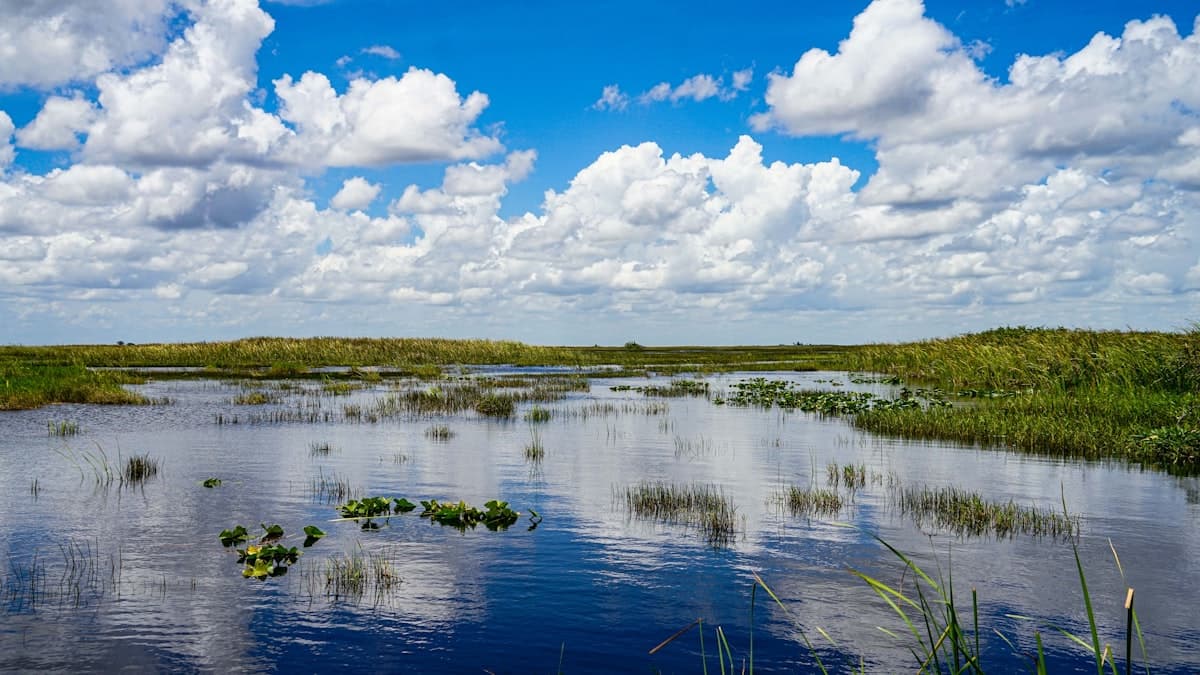
Fly Fishing Everglades National Park: Tarpon, Snook, and Redfish in America's Wildest Saltwater Backcountry
Saturday, August 16, 2025
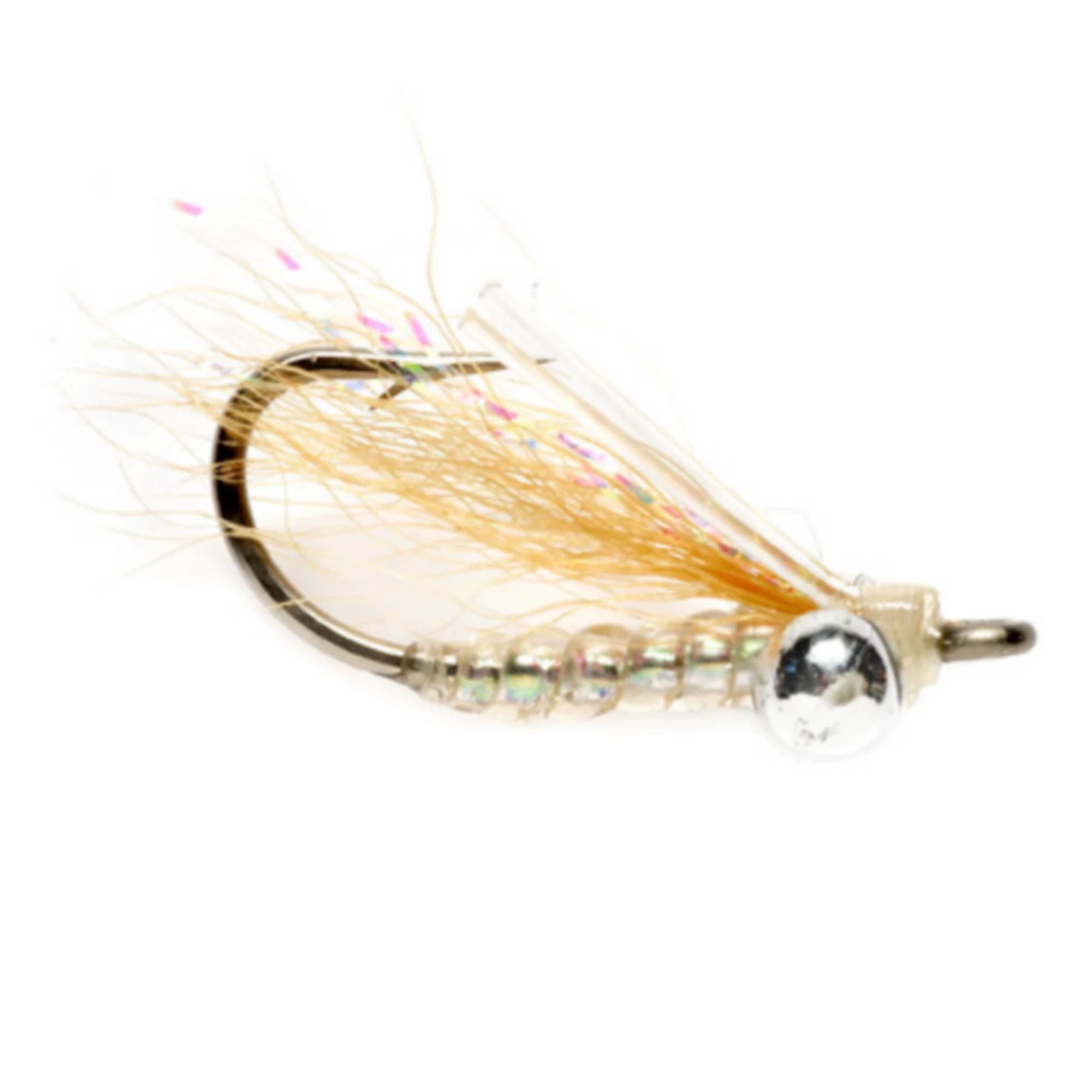
The Crazy Charlie: How to Tie the Fly That Invented Modern Bonefish Fishing and Still Outfishes Most of the Box
Monday, September 29, 2025
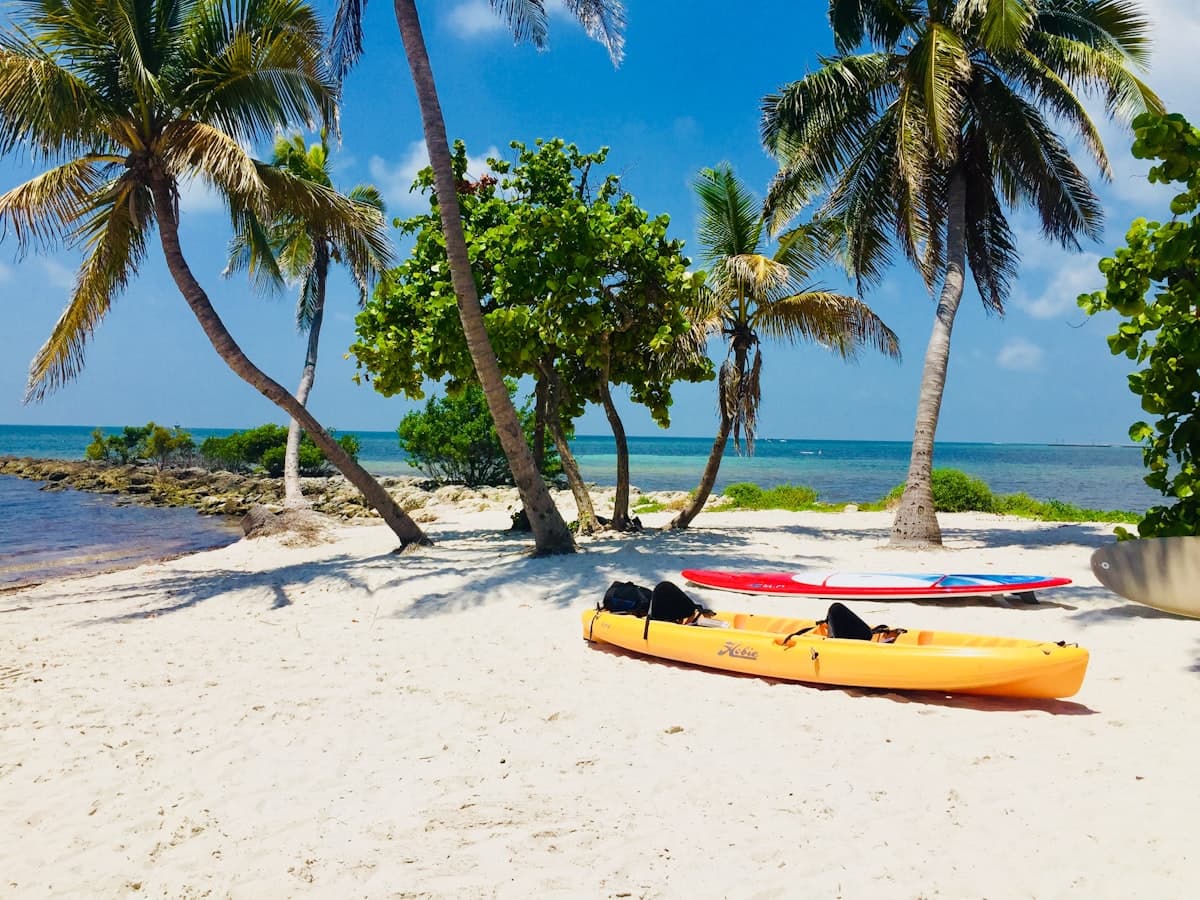
Fly Fishing the Florida Keys: Tarpon, Permit, Bonefish, and the Flats That Invented Saltwater Fly Fishing
Friday, January 2, 2026
 ™
™