
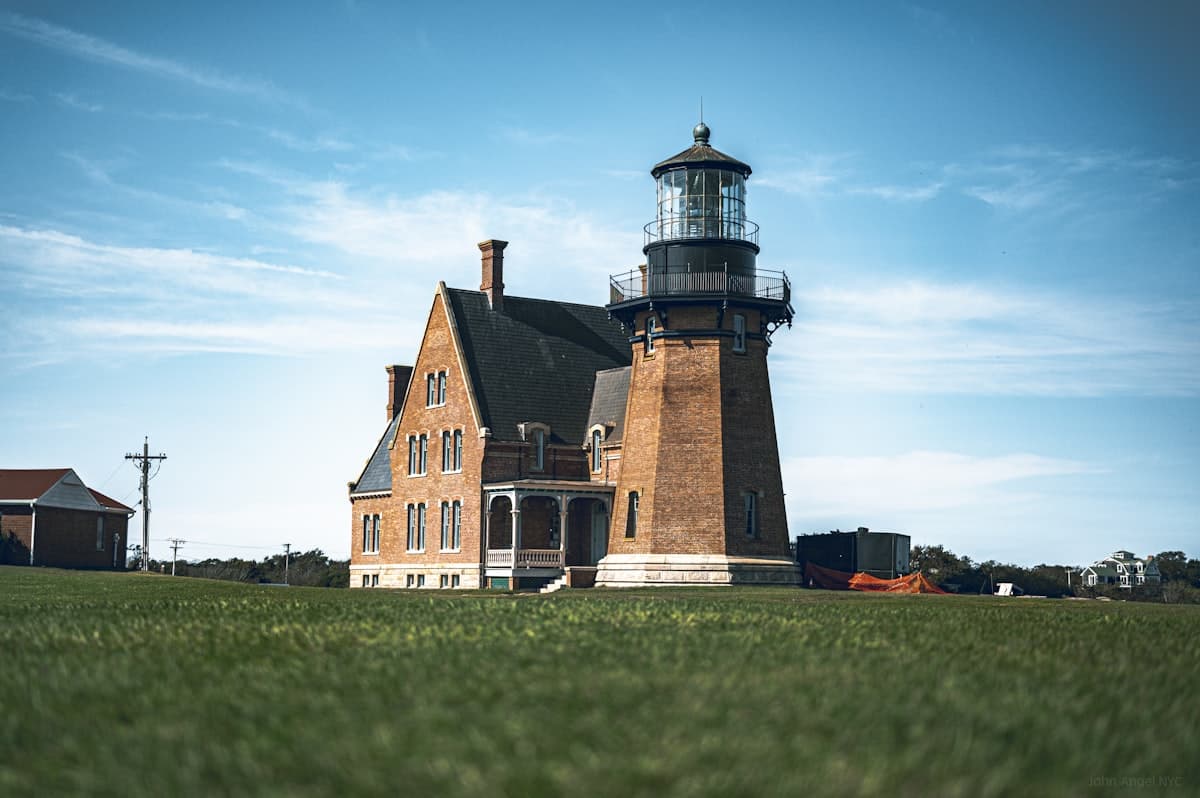
Fly Fishing the Farmington River: New England's Best Trout Stream, Two Hours From Manhattan
The Farmington River's West Branch below Goodwin Dam holds the highest trout density in Connecticut — wild and holdover browns and rainbows to 20 inches in a tailwater that produces hatches rivaling Western rivers. It's two hours from New York City.

The Farmington River doesn't look like a destination fly-fishing river. It flows through quiet Connecticut countryside — stone walls, covered bridges, hardwood forests turning orange in October, towns with church steeples and general stores. There are no mountains rising in the background, no drift boats on the water, no guides in cowboy hats. It looks like New England, because it is.
But the West Branch of the Farmington below Goodwin Dam is one of the finest tailwater trout fisheries east of the Mississippi, and the fishing — particularly during the Hendrickson hatch in April, the Sulphur evenings in June, and the Trico mornings in August — rivals anything you'd find on a Western tailwater at a fraction of the travel cost for the millions of anglers who live within driving distance.
The dam's cold bottom releases keep the water at a constant 50°F through summer, supporting trout populations that the Connecticut DEEP calls "trophy" — wild and holdover brown and rainbow trout to 18-plus inches, with fish over 20 caught regularly. The Trout Management Area (TMA) from Riverton downstream to New Hartford is catch-and-release with artificial lures only, and it holds the highest trout density in the state.
For the fly angler in New York, Boston, Hartford, or anywhere in the Northeast, the Farmington is the home river — the water you fish after work, on weekends, and on the days when you can't make it to Montana but you need to be on a trout stream.
The River — Riverton to New Hartford
The fishable tailwater runs roughly 14 miles from Goodwin Dam through Riverton, Pleasant Valley, and down to New Hartford. The river is wadeable at normal flows (around 500 CFS), with a mix of deep pools, classic riffles, and long glassy runs over a gravel and cobblestone bottom. It's not a big river — 40 to 60 feet wide in most sections — which means you can cast across it and cover water effectively from one bank.
The Upper Section — Riverton
The section closest to the dam is the coldest, clearest, and most technical. The water here is gin-clear and heavily fished, which means the trout are educated. The deep, flat pools below Riverton hold pods of rising fish during hatches, but getting them to eat requires the same technical approach you'd use on Livingston's spring creeks or the Bighorn — long leaders (12 feet), fine tippet (5X-6X), and precise dead-drift presentations.
The thermal lag from the dam means hatches near Riverton emerge 1-2 weeks later than the same hatches downstream near New Hartford. The cold dam release suppresses insect activity in the upper section until the water warms slightly as it flows downstream. Anglers who understand this progression can follow hatches upstream through the season, catching the same emergence twice on different sections of the same river.
The TMA — Catch-and-Release Water
The Trout Management Area from Riverton downstream is the designated catch-and-release, artificial-lures-only section. This is where the trophy fish live — wild browns that have survived multiple seasons, holdover rainbows that have grown fat on the tailwater's prolific insect life, and the occasional fish over 20 inches that has been caught and released a dozen times and knows exactly what a #16 Parachute Adams looks like.
The TMA is the most heavily fished section of the Farmington, particularly on spring weekends during the Hendrickson hatch. But the trout density is high enough to absorb the pressure, and anglers willing to walk past the obvious parking-lot pools find productive water with fewer competitors.
The Lower Section — Pleasant Valley to New Hartford
The river warms slightly as it flows downstream, which supports a broader insect community (including the Sulphur and Trico hatches that don't occur as strongly near the dam). The lower section holds more brown trout on average and fishes well with terrestrials in summer and streamers in fall.
The Hatch Chart — An Eastern Calendar
The Farmington's hatch cycle follows the classic Eastern progression — darker, larger insects in early spring transitioning to lighter, smaller insects through summer:
-
March–April: Early Black Stoneflies (#14-16) and midges (#18-24). The first surface activity of the year. Zebra Midge subsurface, Griffith's Gnat on top.
-
Mid-April–May: Hendricksons (#12-14) — the first major social hatch, when the entire Farmington fly-fishing community shows up. The female Hendrickson (pinkish-tan body) and male Red Quill (darker, slightly smaller) hatch mid-afternoon and bring up fish that have been nymphing all winter. The Hendrickson hatch moves upstream through the river over 1-2 weeks — it reaches New Hartford first and Riverton last. Comparadun and Parachute Adams in #12-14. Little Black Caddis (#16-18) overlap — Elk Hair Caddis in black.
-
May–June: Sulphurs (#14-18) — the cornerstone of evening fishing. The larger E. invaria (#14-16) appears first, followed by the smaller, paler E. dorothea (#16-18). Sulphur evenings on the Farmington — rising fish in the flat pools, the light fading, the sound of trout sipping off the surface — are the defining dry-fly experience on the river. Sparkle Dun and Comparadun in pale yellow.
-
May–September: Caddis (#14-20) — tan and cinnamon caddis are the most important summer insect on the Farmington. The evening caddis rises from mid-May through September produce the most consistent surface feeding of the year. Elk Hair Caddis in tan (#14-16).
-
July–August: Tricos (#22-26) — morning spinnerfall. Tiny flies, fine tippet, rising fish at dawn. The Farmington's Trico hatch is dense enough to produce the same rhythmic, sipping rises you'd see on the Bighorn or Missouri. Technical, rewarding, and exclusive to anglers willing to get up before dawn.
-
September–November: Fall BWOs (#18-22) and midges. Parachute Adams and Sparkle Dun in olive. Streamer fishing for fall browns with Woolly Buggers (#6-8) through the deeper pools and undercut banks. October browns on the Farmington are the largest fish of the year.
-
Year-round: Midges (#18-24) — the constant. Zebra Midge and Griffith's Gnat are the subsurface and surface standards.
The Fly Box
Dry flies: Parachute Adams (#12-20), Hendrickson (#12-14), Comparadun Sulphur (#14-18), Elk Hair Caddis tan/black (#14-18), Griffith's Gnat (#18-22), Trico Spinner (#22-24), Stimulator black (#14-16, for stoneflies)
Nymphs: Pheasant Tail (#14-20), Hare's Ear (#12-16), Zebra Midge (#18-24), Sulphur nymph (#14-16), Caddis pupa (#14-16), Prince Nymph (#12-16)
Streamers: Woolly Bugger (#6-10, olive/black), Sculpzilla (#6-8), White Zonker (#6-8) — the Farmington's brown trout eat white streamers with surprising aggression
The Gear
Rod: 9-foot 4-weight or 5-weight. The 4-weight is the Farmington's sweet spot — the river is narrow enough that you rarely cast beyond 40 feet, the fish demand light tippet (5X-6X), and the 4-weight protects fine tippet during the fight. A 5-weight handles higher flows and streamer work.
Leaders: 9 to 12 feet tapered to 5X or 6X. Go to 7X for Tricos. The Farmington's clear water and educated fish demand the same leader approach as Western spring creeks — the Livingston and Henry's Fork principles apply here.
Tippet: Fluorocarbon for the flat pools where trout are sipping. Nylon is fine in the riffles and faster runs.
Wading: The Farmington is easily wadeable at normal flows (500 CFS). Above 600 CFS, wading becomes difficult. Above 1,000 CFS, shift to bank seams and heavy nymph rigs. Felt soles on the slippery cobblestone — or rubber soles with studs.
The Culture — Pine Meadow and the Farmington Community
The anchor fly shop in Pine Meadow sits on the bank of the river, carrying the most Farmington-specific fly selection in the state and publishing the daily river report that anglers across the Northeast check before making the drive. The shop has been the center of Farmington fly fishing for decades, and the staff's knowledge of the river's hatches, flows, and fish behavior is the kind of institutional knowledge that takes a generation to build.
Local guide services and outfitters provide additional expertise. The Farmington's guide community is smaller than Western rivers but deeply knowledgeable — these guides fish the same 14 miles year-round and know every pool, every riffle, and every holding lie on the river.
The Farmington fly-fishing culture is distinctly Northeastern — less cowboy, more tweed. The river attracts serious anglers from New York, Hartford, and Boston who treat it as their home water. The parking lots at popular pools fill on spring weekends during the Hendrickson hatch, and the etiquette is important — give fellow anglers space, don't wade through someone else's water, and release fish quickly and carefully.
The Farmington River Anglers' Association and local Trout Unlimited chapters have invested decades in conservation and habitat improvement, and the river's health reflects that work. The Farmington is designated as a National Wild and Scenic River, and the combination of conservation protection, catch-and-release regulations, and cold dam releases has created a trout fishery that continues to improve.
When to Go
- Mid-April–May: Hendrickson hatch — the premier event, the social gathering, the season opener
- June: Sulphur evenings — the most beautiful dry-fly fishing of the year
- July–August: Tricos at dawn, caddis in the evening — the summer double feature
- September–November: Fall BWOs, streamer season for big browns — the quiet, rewarding shoulder season
- December–March: Winter midge fishing — the tailwater stays fishable year-round
Top Fishing Guides in Riverton
Farmington River guides work New England's premier tailwater — drifting tiny BWOs and Sulphurs through the TMA's catch-and-release water, Euro-nymphing the riffles with slim-profile jigs, and fishing the Hendrickson hatch that draws anglers from across the Northeast every April.

Frequently Asked Questions
Is the Farmington River really comparable to Western tailwaters?
In trout density and hatch quality, yes. The cold dam releases support populations that Connecticut DEEP calls 'trophy' — wild browns and rainbows to 18-plus inches with fish over 20. The Hendrickson, Sulphur, and Trico hatches produce the same caliber of surface fishing as the Bighorn or Missouri.
When is the Hendrickson hatch on the Farmington?
Mid-April through May. The hatch moves upstream through the river over 1-2 weeks, reaching the downstream sections first and Riverton (near the dam) last due to the cold dam releases suppressing early emergence upstream. It's the first major social hatch of the year on the Farmington.
How far is the Farmington from New York City?
About two hours by car — the Riverton/Pleasant Valley section is in northwestern Connecticut. It's the closest world-class tailwater trout fishery to the New York metro area, making it a realistic day trip or weekend destination for millions of anglers.
What is the TMA on the Farmington?
The Trout Management Area is the catch-and-release, artificial-lures-only section from Riverton downstream. It holds the highest trout density in Connecticut and is where the trophy fish live — wild browns that have survived multiple seasons in the tailwater.
What rod weight should I bring for the Farmington?
A 9-foot 4-weight is the sweet spot — the river is narrow (40-60 feet), the casts are short (rarely beyond 40 feet), and the fish demand light tippet (5X-6X) that the 4-weight protects during the fight. Step up to 5-weight for higher flows and streamer work.
Related Articles
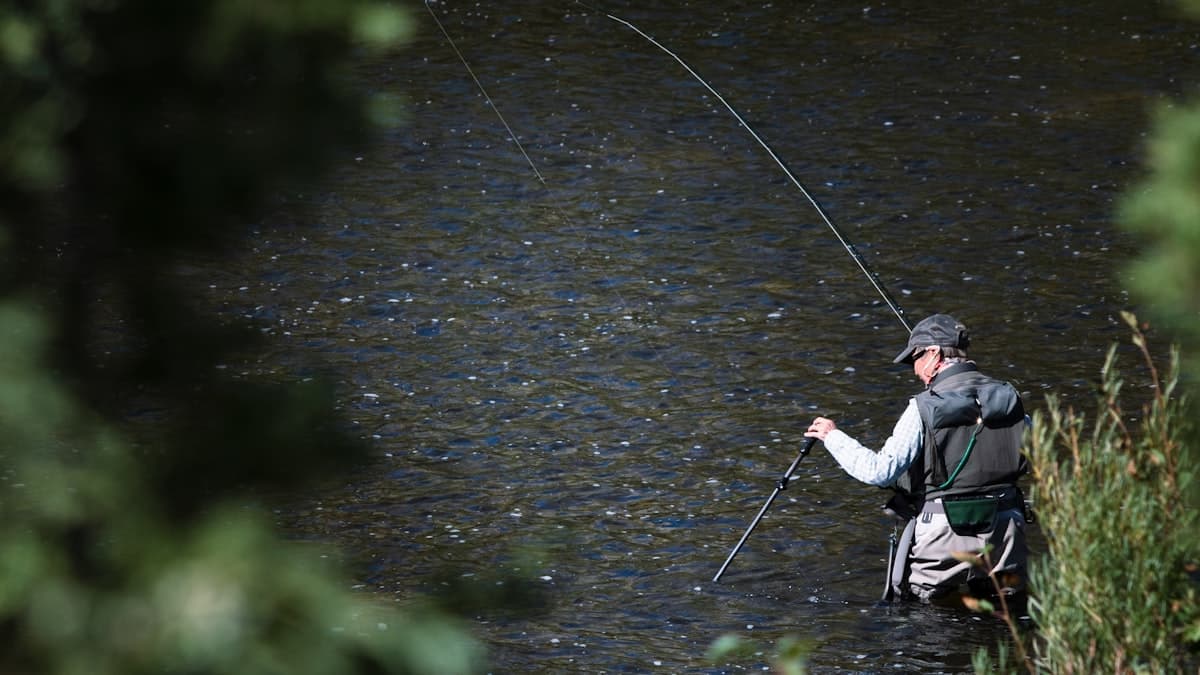
Fly Fishing Livingston, Montana: Spring Creeks, the Yellowstone, and the Town That Takes Trout Seriously
Monday, May 18, 2026
Fly Fishing the Bighorn River: The Technical Tailwater, the Trico Dawn, and the 13 Miles That Reward Patience
Friday, February 20, 2026
The Parachute Adams: How to Tie the One Fly Every Angler Carries and Why It Fools Everything
Monday, April 13, 2026
 ™
™