
The Sowbug: How to Tie the Flat-Bodied Crustacean That Tailwater Trout Never Stop Eating
Sowbugs -- aquatic isopods -- are the overlooked companion to scuds in every great tailwater and spring creek. Flat-bodied, slow-crawling, and available year-round, they're a staple trout food that most anglers walk right past.

Every fly angler who fishes tailwaters knows the scud. The curved, shrimp-like amphipod that trout eat by the thousands -- the fly that fills boxes and anchors nymph rigs from the San Juan to the Bighorn. But there's another crustacean down there, crawling along the same rocks and leaf litter, getting eaten with the same quiet consistency -- and most anglers either ignore it or confuse it with its more famous cousin.
The sowbug is not a scud. It's not even close. Scuds are amphipods -- laterally compressed, comma-shaped, able to swim in short bursts. Sowbugs are isopods -- dorsoventrally flattened, wide-bodied, with legs that sprawl to the sides like a terrestrial pillbug. They don't swim. They crawl. They cling to rocks, burrow into leaf litter, and creep along the substrate in the slow margins of the same alkaline rivers where scuds thrive. And trout eat them with the same enthusiasm, because a calorie is a calorie when it's drifting past your nose all day, every day, twelve months a year.
The distinction matters at the vise. A scud pattern tied on a curved hook with a smooth, arched shellback looks nothing like a sowbug in the water. A sowbug is flat. It's wide. It's leggy. Tie one like a scud and you've tied a scud. Tie one like a sowbug -- flat profile, picked-out dubbing for legs, wide and low to the hook shank -- and you've tied a pattern that fills a gap in your box that you didn't know existed.
The sowbug's place in fly tying history runs through a handful of waters and the guides who fish them obsessively. Fox Statler -- known as "Mr. Sowbug" on Arkansas's White River -- spent decades perfecting sowbug imitations using his signature touch-dub technique. On the Bighorn River in Montana, guides developed the Ray Charles sowbug -- a pattern so effective it earned its name from the saying "even a blind man can catch fish with it." Frank Sawyer's Killer Bug, developed on England's River Avon in the 1930s, was designed to imitate freshwater shrimp but has long doubled as a sowbug imitation on limestone streams worldwide. And Lance Egan's Tungsten Tailwater Sowbug brought the pattern into the modern Euro-nymphing era with a jig-hook design built to ride point-up and get to the bottom fast.
If you fish tailwaters or spring creeks and you don't carry sowbugs, you're leaving fish on the table.
What It Imitates
The sowbug fly imitates freshwater isopods -- small, flat-bodied crustaceans in the order Isopoda. In North American trout streams, the most common genera are Caecidotea and Lirceus, both members of the family Asellidae. These are the aquatic relatives of the pillbugs and roly-polies you find under rocks in your garden -- a segmented, oval body with seven pairs of legs extending outward from the sides.
The critical difference between sowbugs and scuds comes down to body orientation. Scuds (amphipods) are compressed side-to-side, giving them the curved, shrimp-like profile that scud hooks are designed to mimic. Sowbugs (isopods) are compressed top-to-bottom -- flat and wide, like a tiny armored pancake. This means sowbugs don't curl into a comma shape when they drift. They tumble flat, legs splayed, looking like a small gray leaf rolling along the bottom.
Habitat: Sowbugs occupy much of the same water as scuds -- alkaline tailwaters and limestone spring creeks with cold, clean, calcium-rich flows. But where scuds tend to inhabit weed beds and open gravel, sowbugs prefer slower water with structure: leaf packs, submerged wood, the undersides of rocks, and the detritus that collects in the soft margins of runs and pools.
Color: Natural sowbugs range from gray to olive to tan, depending on their environment and diet. Gray is the most common. Unlike scuds, sowbugs don't turn bright orange or pink when they die -- they tend to stay muted, which is why most effective sowbug patterns use subdued, natural tones.
Size: Most aquatic isopods in trout streams fall in the 4 to 12 millimeter range -- hook sizes #14 through #18. Size 16 is the sweet spot on most waters.
The Recipe
| Component | Material |
|---|---|
| Hook | Standard nymph hook, #14-18 (TMC 3769, Dai-Riki 060) or scud hook (TMC 2457) |
| Bead | Optional -- tungsten slotted bead (2.0-2.5mm) in silver or black nickel |
| Weight | .015 lead-free wire, 8-10 wraps (omit if using bead) |
| Thread | 8/0 or 70-denier in gray, tan, or fluorescent orange |
| Shellback | Swiss Straw, Scud Back (clear or pearl), or turkey biot |
| Ribbing | Fine wire -- silver or copper (UTC Ultra Wire, small) |
| Body | Rainbow Scud Dubbing, hare's mask dubbing with guard hairs, or Antron blend in gray, tan, or olive |
| Legs | Picked-out body dubbing (dubbing needle or Velcro) |
The Variations
Ray Charles (#14-18) -- The most famous sowbug pattern, born on the Bighorn River. Simple dubbed body in gray, tan, or pink with wire rib and sparse, picked-out profile. Named from the saying "even a blind man can catch fish with it." Carry it in gray, tan, and pink in sizes 16 and 18.
Soft Hackle Sowbug (#14-18) -- Adds a collar of blue dun hen neck to the standard body. The soft hackle fibers pulse with the current, suggesting sprawled legs. Tied with fluorescent orange thread that bleeds through the dubbing -- guides report the orange version outfishes tan thread by a wide margin.
Egan's Tungsten Tailwater Sowbug (#14-18) -- Lance Egan's competition-style design for Euro-nymphing. Silver slotted tungsten bead, lead wraps, silver wire rib, and Rainbow Scud Dubbing picked out aggressively with a brown marker stripe on the back. Built to sink fast and ride point-up on a jig hook.
Fox Statler's White River Sowbug (#14-16) -- The pattern that earned its creator the nickname "Mr. Sowbug" on the White River. Tan Antron dubbing with touch-dub technique, Swiss Straw shellback. Understated and deadly.
Killer Bug (#14-16) -- Frank Sawyer's 1930s English pattern. Nothing but copper wire and beige wool on a bare hook -- no thread, no hackle, no shellback. The wool darkens when wet, creating a translucent, lifelike body. Minimalism at its finest.
Walt's Worm (#14-16) -- Created by Walt Young on the limestone spring creeks of Pennsylvania in 1984. Hare's ear dubbing on a curved hook -- scrappy, buggy, and effective as a sowbug, scud, or general crustacean imitation. The Sexy Walt variation adds a silver tungsten bead on a jig hook.
Where to Fish It
Sowbugs live in the same alkaline, calcium-rich environments as scuds. If a river is known for scuds, it almost certainly holds sowbugs too.
-
Bighorn River, Montana -- The spiritual home of the sowbug. The Ray Charles and sowbug-midge tandem rig is the standard subsurface setup year-round.
-
White River, Arkansas -- Fox Statler's home water. The nutrient-rich tailwater below Bull Shoals Dam grows enormous trout on sowbugs, scuds, and sculpins.
-
San Juan River, New Mexico -- A sowbug trailed behind a Zebra Midge or scud covers two food sources simultaneously.
-
Green River, Utah -- Olive and gray sowbugs in #14-16 fished along the bottom edges and through the weed beds produce year-round.
-
Missouri River, Montana -- The tailwater section below Holter Dam holds significant sowbug populations alongside its famous scud and midge fishery.
-
Caney Fork River, Tennessee -- Sowbugs in gray and tan are part of the year-round subsurface program alongside Zebra Midges and scuds.
-
Livingston, Montana -- Spring Creeks -- Small gray and olive sowbugs in #16-18 are effective when drifted along the bottom edges.
-
Pennsylvania Limestone Spring Creeks -- Classic sowbug water. Walt's Worm was born here for a reason.
-
North Platte / Grey Reef, Wyoming -- Fish sowbugs as the trailing fly behind a Pheasant Tail or Hare's Ear.
How to Tie It -- Video Tutorials
Ray Charles Fly Pattern -- An Effective Sowbug Tutorial Jig Tailwater Sow Bug -- Euro Nymph Tutorial Grease Top Sowbug -- Fly Tying TutorialTips From the Vise
Keep it flat -- not curved. The most common mistake is tying sowbugs like scuds. Sowbugs are flat, not arched. Build the dubbed body wide rather than tall. After dubbing, press the body flat with your fingers before adding the shellback.
Pick out the dubbing aggressively. The sprawled legs of an isopod are the most important visual cue. Use a dubbing needle or Velcro to pull fibers from the sides and bottom, then trim to uniform length -- short and wide, not long and wispy.
Mark the shellback. After pulling the shellback over the body, draw a thin line down the center with a brown marker. This creates the dorsal stripe visible on natural isopods -- a 3-second step that adds surprising realism.
Use fluorescent thread as a hidden trigger. Tying with fluorescent orange or red thread -- even mostly covered by dubbing -- creates a subtle warm glow that bleeds through. Bighorn River guides discovered trout eat the orange-thread versions at a noticeably higher rate.
Tie them light for spring creeks, heavy for tailwaters. Unweighted or minimal lead for shallow spring creeks; tungsten bead plus lead wraps for deeper tailwater runs. Carry both versions.
Build Your Box
Tie a dozen Ray Charles in gray and tan in sizes 16 and 18. Add a half-dozen soft hackle sowbugs in gray (#16) and pink (#16), a half-dozen Egan's Tungsten Tailwater Sowbugs in gray (#16), and a half-dozen Walt's Worms in natural hare's ear (#14-16). That's roughly 48 flies. Pair them with a box of scuds and you've covered the entire crustacean menu that tailwater trout eat year-round.
Frequently Asked Questions
What is the difference between a sowbug and a scud?
Scuds are amphipods -- laterally compressed with a curved, shrimp-like body. Sowbugs are isopods -- dorsoventrally flattened with a wide, flat body and legs that sprawl to the sides. Scuds swim in short bursts while sowbugs only crawl. They require different fly patterns: scuds need a curved hook, while sowbugs need a flat, wide body with picked-out dubbing for legs.
What is the Ray Charles sowbug fly pattern?
The Ray Charles is a famous sowbug pattern from Montana's Bighorn River. Named from the saying 'even a blind man can catch fish with it,' it uses a simple dubbed body in gray, tan, or pink with wire ribbing and picked-out dubbing for legs. It catches fish year-round on the Bighorn and any tailwater that holds sowbugs.
What hook size should I use for sowbug flies?
Most sowbug patterns are tied on hooks sized #14 through #18, with #16 being the most versatile. Use a standard nymph hook (TMC 3769) or a wide-gape scud hook (TMC 2457) for the flat profile that isopods naturally have.
Where are sowbug fly patterns most effective?
Sowbugs are most productive on alkaline tailwaters and limestone spring creeks. Top sowbug fisheries include the Bighorn River (MT), White River (AR), San Juan River (NM), Green River (UT), Missouri River (MT), Caney Fork (TN), and the Pennsylvania limestone spring creeks.
How do I fish a sowbug fly pattern?
Dead-drift sowbugs along the bottom -- they are crawlers, not swimmers. Fish them under an indicator or tight-line them along the substrate. Sowbugs work well as the trailing fly in a tandem nymph rig, 12-18 inches behind a heavier Pheasant Tail or Hare's Ear. Focus on slower water with structure.
Related Articles

Fly Fishing the San Juan River: 15,000 Trout Per Mile, Year-Round Midges, and the Quality Water That Defines Technical Nymphing
Saturday, February 7, 2026
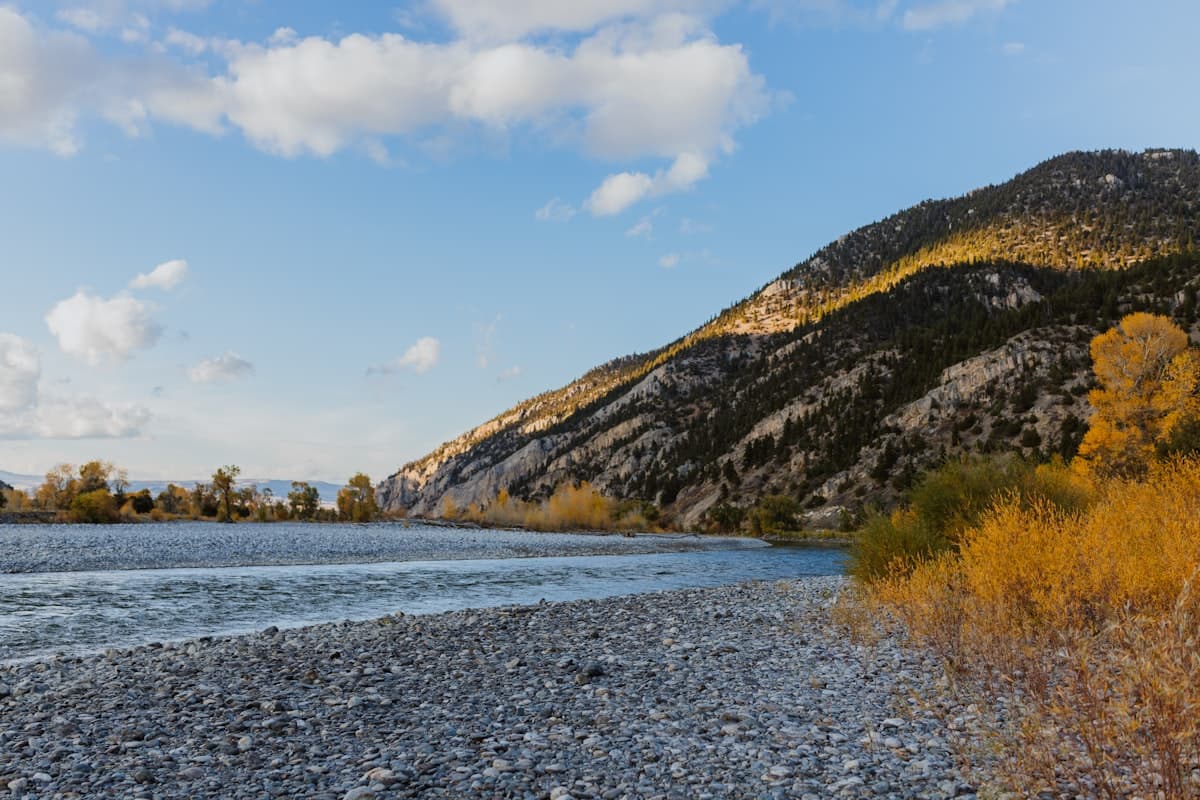
Fly Fishing the Bighorn River: The Technical Tailwater, the Trico Dawn, and the 13 Miles That Reward Patience
Friday, February 20, 2026
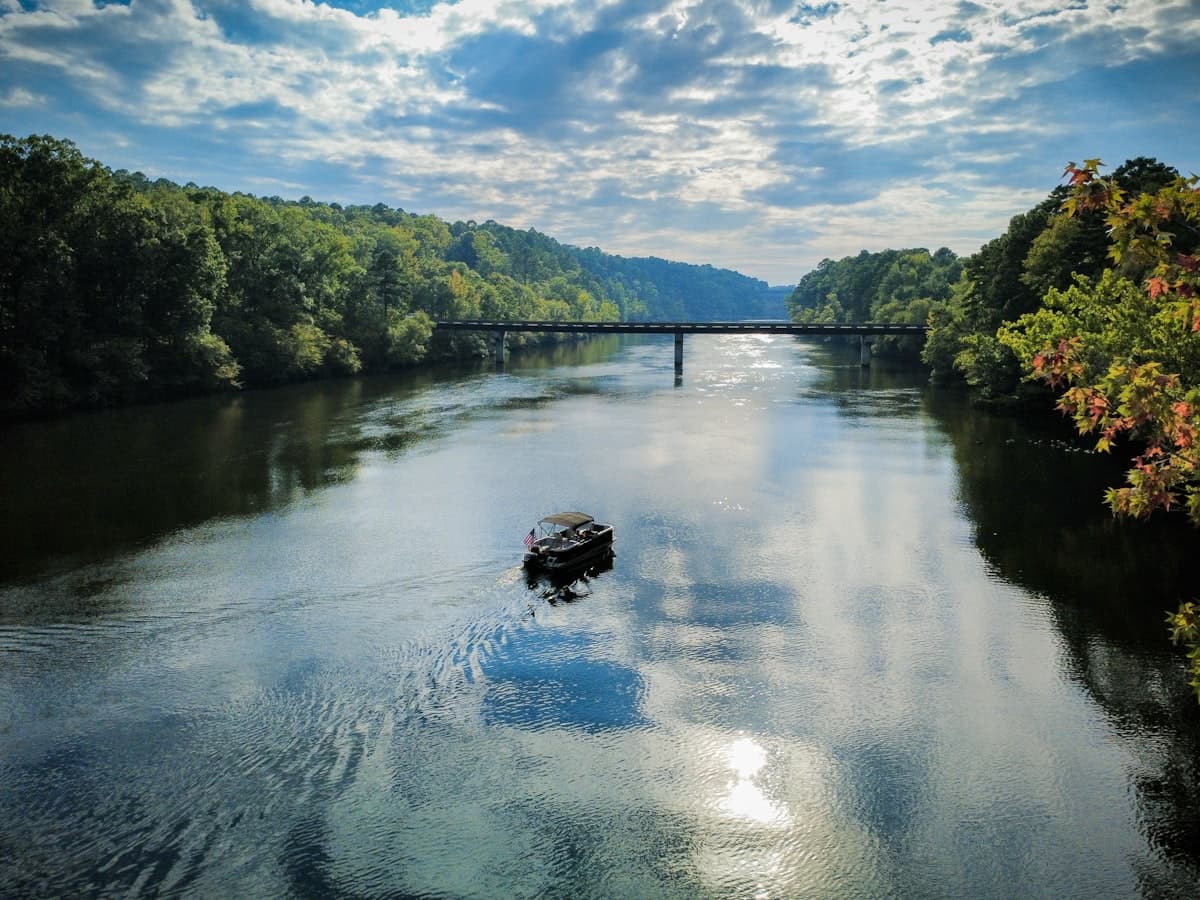
Fly Fishing the White River: The Biggest Brown Trout in America, the Shad Kill, and the Dam That Controls Everything
Sunday, December 14, 2025
 ™
™