
Fly Fishing Yosemite National Park: The Merced, the Tuolumne, and Trout Beneath the Granite Walls
Yosemite is the most visited national park in the Sierra Nevada — and one of the least fished. While 4 million visitors photograph Half Dome and El Capitan, wild rainbow and brown trout hold in the Merced River below Yosemite Falls and in the meandering meadow water of the Tuolumne at 8,600 feet.
Four million people visit Yosemite National Park every year. Almost none of them bring a fly rod. They come for the granite walls, the waterfalls, the sequoia groves, and the Instagram photos of Half Dome at sunset. They walk along the Merced River through Yosemite Valley, wade in its pools to cool off in the summer heat, and have no idea that the river beneath their feet holds wild rainbow trout and brown trout that will eat an Elk Hair Caddis off the surface.
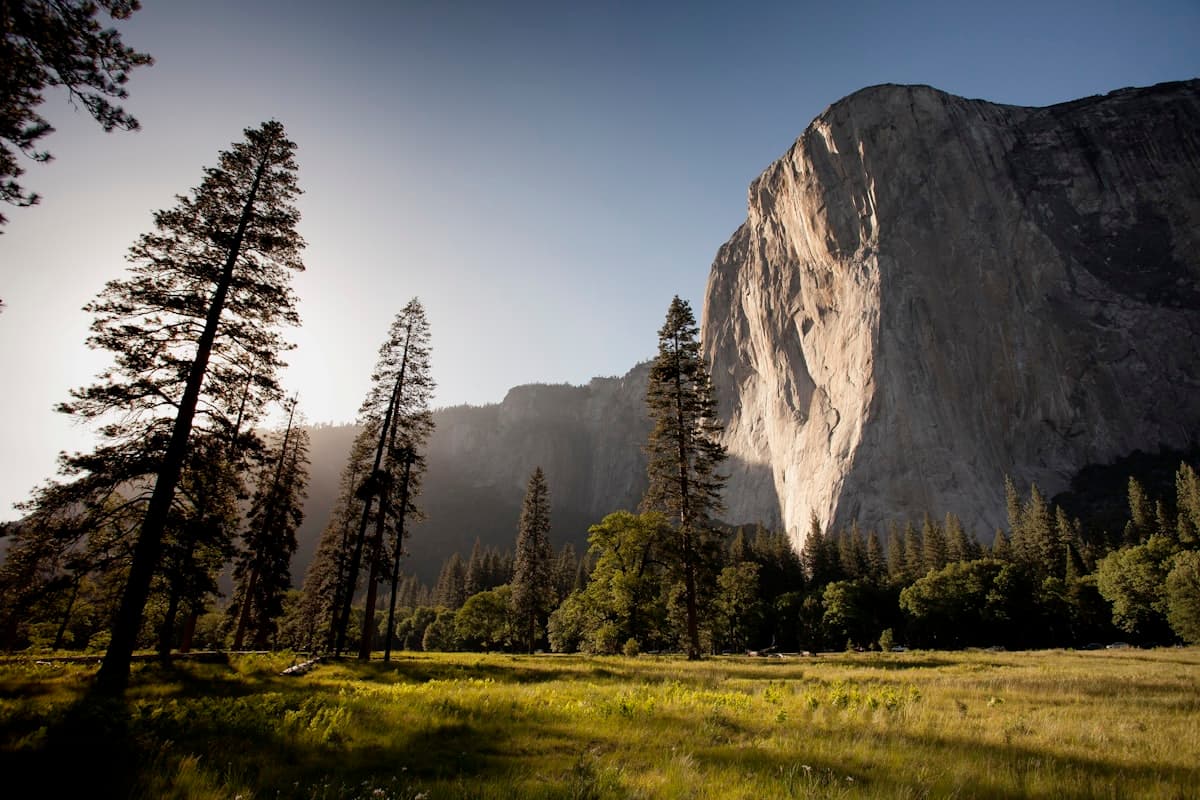
Yosemite's fly fishing exists in the shadow of its scenery — literally. The fishing is good, sometimes very good, but it will never be the reason you come to Yosemite. The reason you come is the landscape. And then, once you're there, standing beside the Merced with El Capitan rising 3,000 feet above you and a 14-inch rainbow rising to caddis in the pool at your feet, you realize that the fishing and the scenery aren't competing. They're part of the same experience. There is no other place in fly fishing where the backdrop is this dramatic.
The park holds two major river systems — the Merced (flowing through Yosemite Valley) and the Tuolumne (flowing through Tuolumne Meadows at 8,600 feet) — plus dozens of backcountry streams and alpine lakes in the Sierra high country. The fishing ranges from valley-floor pocket water to high-country meadow streams to alpine lakes above 10,000 feet where brook trout have been rising to dry flies since they were stocked a century ago.
The Fish
Rainbow Trout
Rainbow trout are native to the Merced and Tuolumne drainages below the major waterfalls. These are wild fish — Yosemite stopped stocking trout in 1991, and the populations have been self-sustaining ever since. Valley-floor rainbows average 8-12 inches, with occasional fish to 16 in the deeper pools. They eat dry flies willingly and fight with the classic rainbow acrobatics — jumping, head-shaking, and running downstream into the current.
All native rainbow trout must be released. This is a park-wide regulation. Barbless hooks only.
Brown Trout
Brown trout occupy the lower and mid-elevation sections of both the Merced and Tuolumne. They're generally larger than the rainbows (12-18 inches possible, with rare fish over 20), more selective, and more structure-oriented. Browns in Yosemite hold tight to undercut banks, submerged logs, and the deep pools at the base of cascades. The Merced through the valley has produced brown trout over 4 pounds — though these fish are rare and require streamer fishing in low-light conditions.
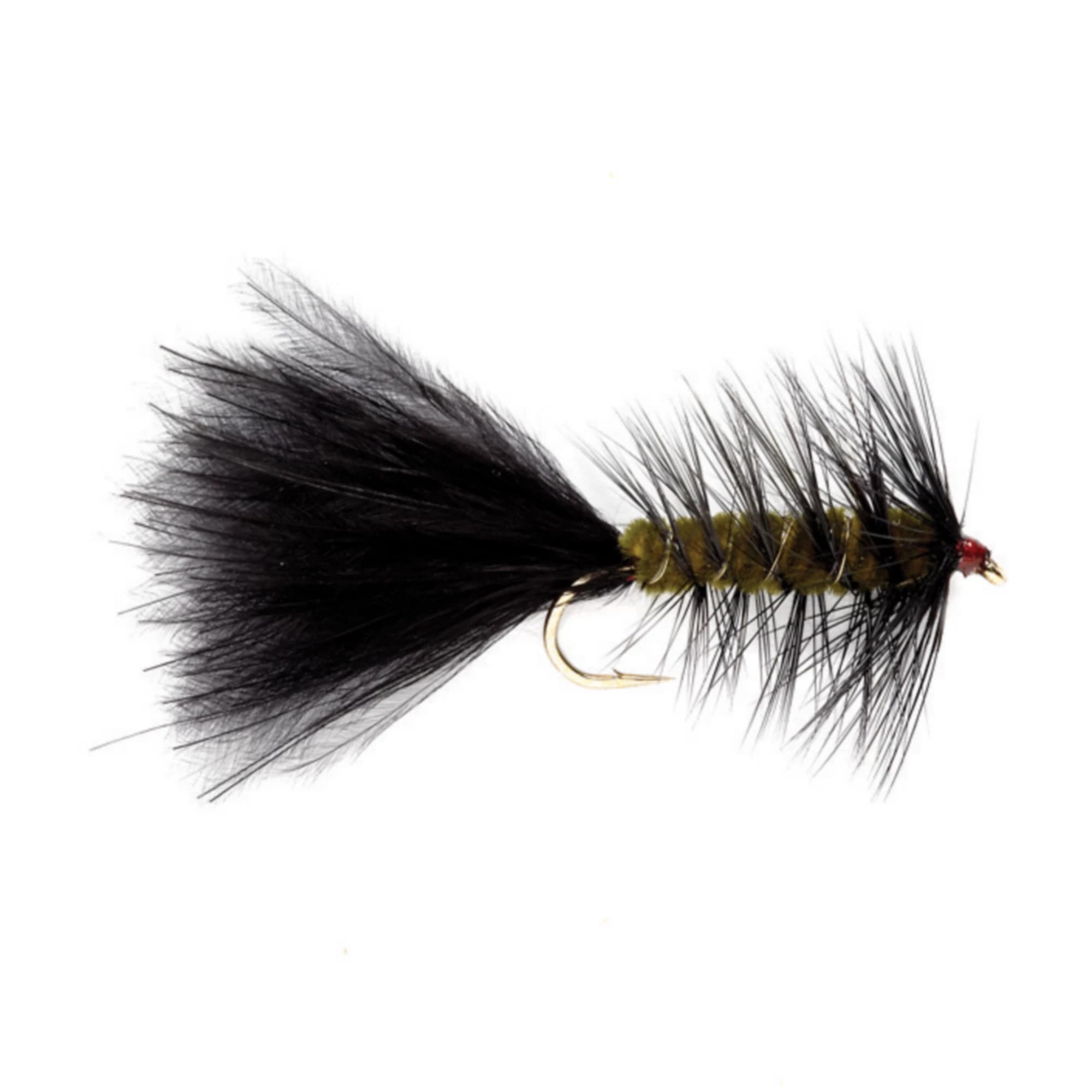
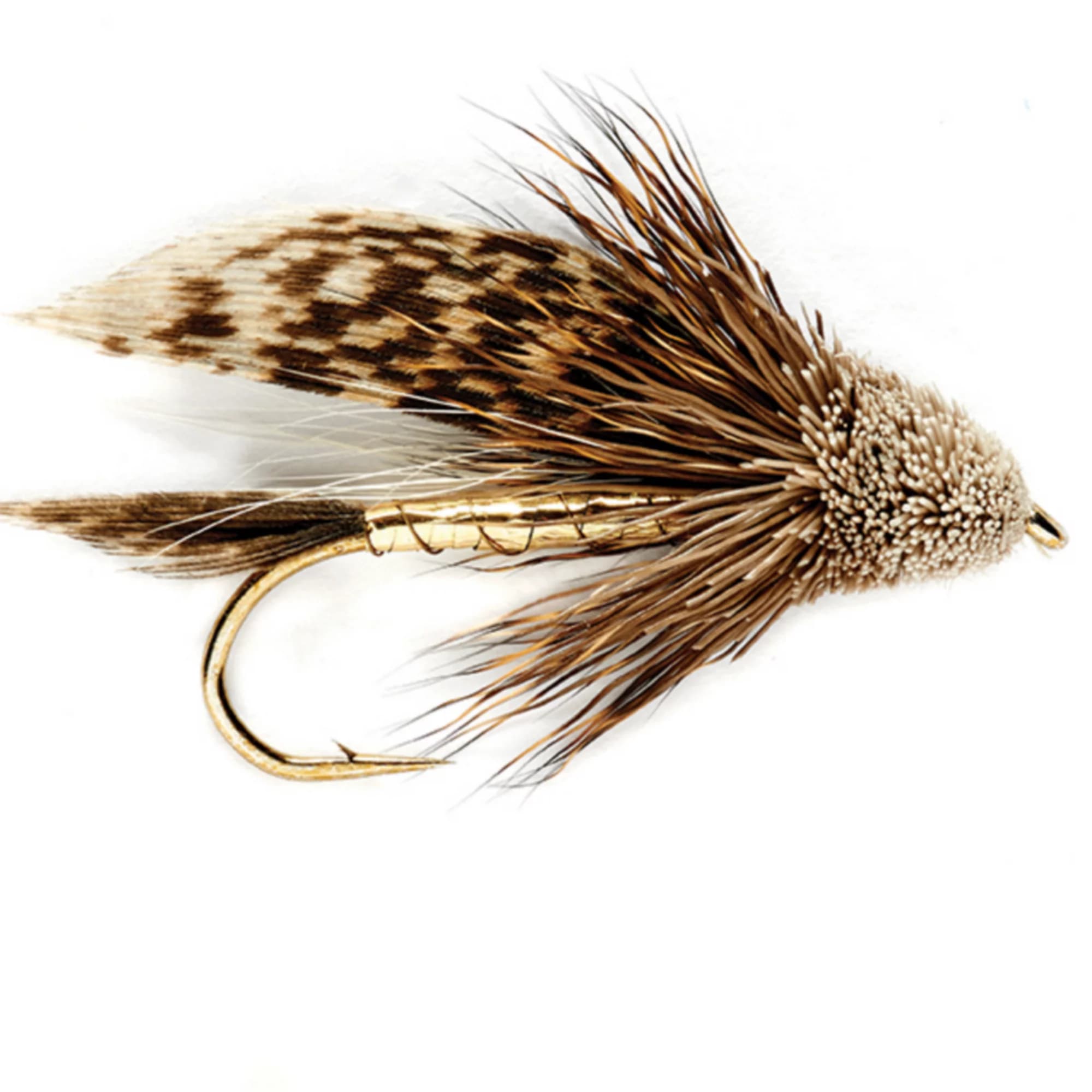
Fall is brown trout season — they become aggressive as spawning approaches (October-November), and streamer fishing with Woolly Buggers and Muddler Minnows through the deeper valley pools produces the best chance at a trophy.
Brook Trout
Brook trout are found in the higher-elevation waters — the Tuolumne Meadows area, the Dana Fork, the Lyell Fork, and the backcountry lakes above 8,000 feet. These are stocked fish from the early 1900s that have naturalized and now reproduce on their own. They're small (6-10 inches typically), colorful, and eager to eat dry flies. The brook trout in Yosemite's high country are essentially the same fishing experience as Shenandoah's native brookies or Rocky Mountain's high-altitude fish — small, willing, and beautiful.
The Waters
The Merced River — Yosemite Valley
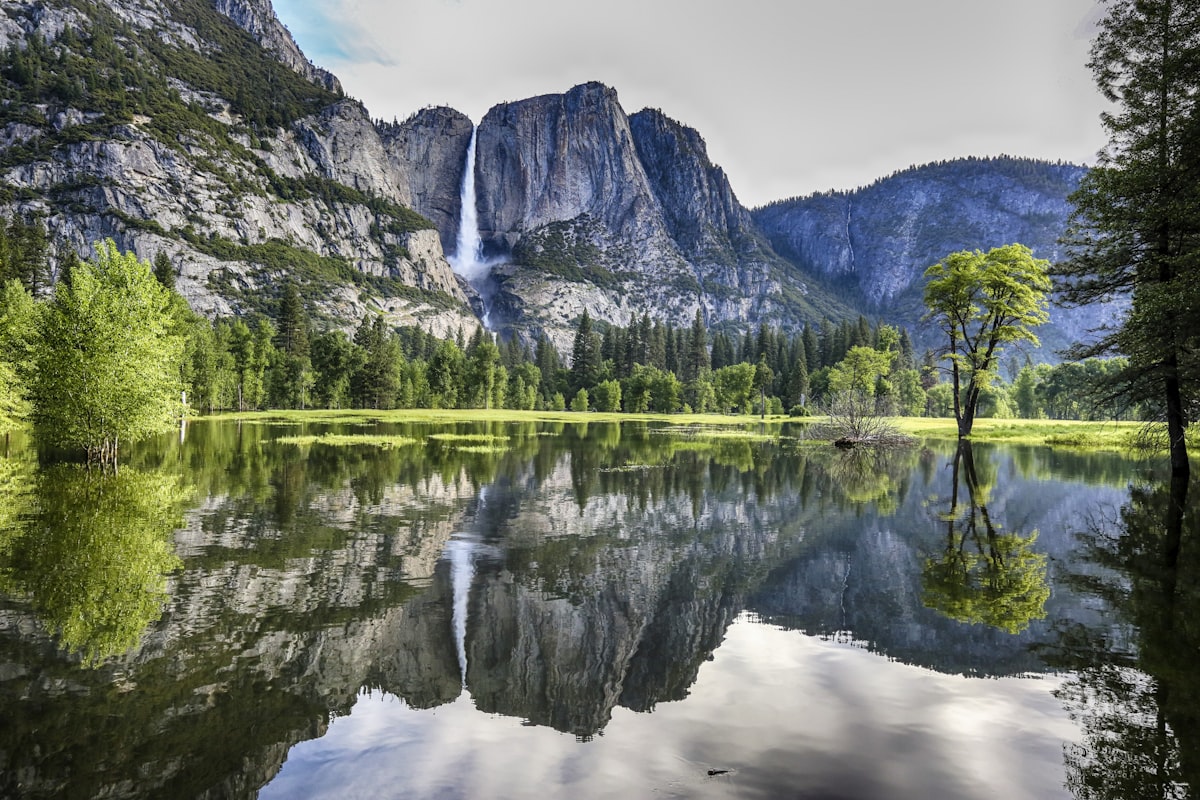
The Merced River flows through the heart of Yosemite Valley — the 7-mile glacial valley defined by El Capitan, Half Dome, Bridalveil Fall, and Yosemite Falls. The river is accessible from multiple points along the valley floor, making it the most convenient fishing in the park. You can park at Sentinel Beach, walk to the river in 2 minutes, and cast to rising trout beneath the most famous granite walls in the world.
The 4-mile stretch from Happy Isles to Sentinel Beach is the most-fished water in the park — and the most crowded in summer. Swimmers, rafters, and waders share the river with anglers. The fishing is best early morning (before the crowds arrive) and evening (after they leave). Mid-day in July, the Merced through the valley is more swimming pool than trout stream.
The upper Merced — above Nevada Fall and into the backcountry — is a different fishery. Accessed via the Mist Trail or John Muir Trail, the upper Merced holds smaller trout in steeper, less accessible water. The hike filters out the casual visitors, and the fishing improves with every mile of trail.
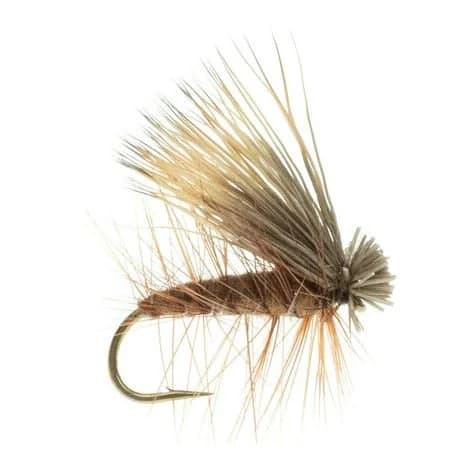
Hatches: Caddis are the dominant insect through the valley — Elk Hair Caddis in #14-16 covers most dry-fly situations. PMDs hatch in the slower pools. Stoneflies (Yellow Sallies) in the faster riffles. Terrestrials (ants, beetles, hoppers) dominate from July through October — Stimulators and foam ants in the valley's warm summer conditions.
The Tuolumne River — High-Country Meadow
The Tuolumne is Yosemite's high-country gem — and the water that serious fly anglers seek out. At Tuolumne Meadows (8,594 feet), the river meanders through a wide, open sub-alpine meadow surrounded by granite domes and peaks. The water is clear, the current is slow, and the fishing is classic meadow dry-fly work — sight-casting to rising trout in flat, calm water that demands precise presentations and delicate approaches.
The Tuolumne through the meadows holds brown trout and brook trout that feed on the surface throughout the day during summer. The fish aren't large (8-12 inches), but they're technical — the clear, slow water makes them spooky and selective. This is the closest thing to spring creek fishing you'll find in a national park. Parachute Adams in #16-18, Griffith's Gnats in #20, and small Elk Hair Caddis in #16 are the standards.
Access: Tuolumne Meadows is accessed via Tioga Road (Highway 120), which typically opens in late May or June and closes with the first significant snowfall in October or November. The road's seasonal closure means the Tuolumne meadow fishing is a summer-only fishery — July through September is the prime window.
The river splits into two forks above the meadows — the Dana Fork and the Lyell Fork. Both hold brown and brook trout in increasingly small water as you hike upstream. The Lyell Fork trail follows the river for miles into the backcountry, with the fishing becoming more remote and the fish becoming more willing with every mile.
Backcountry Lakes
Yosemite's backcountry holds hundreds of alpine lakes above 8,000 feet, many of them stocked with brook trout or rainbow trout in the early 20th century. The fish have naturalized in most of these lakes, and the population is self-sustaining. The lakes are accessed via the park's extensive trail system — most require a 4-10 mile hike with significant elevation gain.
The backcountry lake fishing is the same as Glacier's or Rocky Mountain's alpine experience: pack a light rod (3-4 weight, 4-piece), a small box of dry flies, and 5X tippet. The trout in these lakes eat Parachute Adams, Griffith's Gnats, and small Woolly Buggers without hesitation. A wilderness permit is required for overnight backcountry trips.
Hetch Hetchy
The Hetch Hetchy Reservoir — Yosemite's controversial dammed valley — and its tributary streams hold trout but receive very little fishing pressure. The area is less visited than the valley or Tuolumne, and the streams flowing into the reservoir hold wild rainbows in a setting that would rival Yosemite Valley if it weren't underwater.
The Fly Box
Yosemite's trout eat standard Western attractor patterns. Don't overthink it:
Dry flies:
- Elk Hair Caddis #14-16, tan — THE Yosemite fly
- Parachute Adams #14-18 — universal searching dry
- Stimulator #12-14, yellow — stonefly attractor, fast water
- Royal Wulff #14-16 — high-visibility attractor
- Humpy #14-16 — rough water, high floatation
- Griffith's Gnat #18-22 — Tuolumne Meadows midge clusters
- Foam ants #18-20 — summer terrestrials
Nymphs:
- Pheasant Tail #16-18
- Hare's Ear #14-16
- Prince Nymph #14-16
- Copper John #16 — deeper pools in the valley
Streamers (fall browns):
- Woolly Bugger #8-10, olive and black
- Muddler Minnow #8 — sculpin in the valley pools
The Gear
Valley floor: 9-foot 4- or 5-weight rod. Standard trout setup. The valley pools and riffles fish like any Western freestone.
Tuolumne Meadows: 8-8.5 foot 3- or 4-weight. The meadow water is slow and clear — a lighter rod and longer leader (9-12 feet, 5X-6X) match the technical demands of sight-casting to spooky fish in flat water.
Backcountry lakes: 4-piece 3-weight pack rod. Minimal gear for maximum hiking.
License: California state fishing license required. Available online or at shops in Yosemite Valley and along Highway 120.
When to Go
-
Late April–May: Season opens last Saturday in April. Valley floor rivers are high with snowmelt — fishable but challenging. Tuolumne is still snowed in (Tioga Road closed). Limited to the lower Merced.
-
June: Runoff subsides in the valley. Caddis hatches begin. Tioga Road typically opens mid-to-late June, giving access to Tuolumne Meadows. The transition month — the fishing gets better every week.
-
July–August: Prime time. Valley-floor fishing is best early and late to avoid crowds. Tuolumne Meadows is fully accessible and fishing at its peak. Backcountry lakes are ice-free. Terrestrials dominate. The best overall months.
-
September–October: The local secret. Valley crowds thin dramatically after Labor Day. Brown trout become aggressive approaching spawn. Tuolumne Meadows cools — the meadow fishing is exquisite in September with fewer people and willing fish. October brings fall color in the valley and the end of the high-country season.
-
November 15: Season closes. Tioga Road may already be closed by snow.
The Sequoia Connection
Yosemite's southern neighbor, Sequoia / Kings Canyon National Park, holds the California golden trout — the state fish — in high-country streams above 9,000 feet. A Sierra road trip combining Yosemite's Tuolumne meadow fishing with Sequoia's golden trout headwaters is the definitive California fly-fishing experience. Both parks fish best in July-September, and the drive between them (via Highway 395 on the east side or Highway 41/99 on the west) passes through some of the most spectacular mountain scenery in the American West.
The Two Yosemites
Yosemite's fishing splits into two completely different experiences:
The valley floor is accessible, convenient, and scenic beyond description — but it's crowded. You will share the Merced with swimmers, rafters, dog walkers, and photographers. The fishing is a bonus to the experience of being in Yosemite Valley, not the reason for the trip. Fish early, fish late, and accept that mid-day belongs to the tourists.
The high country (Tuolumne Meadows and above) is the real fishing. The meadow water is technical and rewarding. The backcountry lakes offer solitude. The setting — granite domes, alpine meadows, 10,000-foot peaks — is every bit as spectacular as the valley, with a fraction of the visitors. If you're coming to Yosemite specifically to fly fish, spend your time at Tuolumne. If you're visiting Yosemite and happen to have a rod, fish the Merced at dawn and spend the rest of the day being a tourist.
The Tuolumne Experience — Why It's Worth the Drive
The Tuolumne is the water that stays with you. The valley is spectacular, but the Merced through it is a shared resource — part trout stream, part swimming hole, part scenic backdrop for millions of photos. The Tuolumne at 8,600 feet is different. It's quieter. The meadow stretches for miles with only the granite domes rising above the tree line. The river moves slowly through the grass, barely rippling, and the trout rise with the kind of deliberate, confident sips that tell you they've been eating undisturbed all morning.
Fishing the Tuolumne meadow is technical in the way that spring creek fishing is technical — not because the fish are incredibly selective, but because the water is so slow and clear that your approach, your cast, and your presentation all have to be right. A careless step vibrates through the spongy meadow ground and sends ripples across the flat water. A heavy-handed cast slaps the surface and every fish in the pool goes down. But a careful stalk, a delicate cast, and a #18 Parachute Adams landing like a snowflake on the surface — that catches a 10-inch brown that rises from a lie you never saw, eats with a quiet dimple, and fights with the cold-water energy of a fish at 8,600 feet.
The Lyell Fork trail upstream from the meadows is one of the great combination hike-and-fish experiences in the Sierra. The trail follows the river for miles through open meadow and scattered forest, with the Cathedral Range as a backdrop. Every bend holds trout. Every pool is fishable. And by mile 3, you're alone — the day hikers have turned back, and the backpackers are heading to higher passes. It's just you, the river, and the granite.
If you were recently in Yosemite and swam the Tuolumne — you were swimming with trout. They were there, holding in the deeper pools and behind the boulders, waiting for the swimmers to leave so they could start rising again. Come back with a rod.
The nearby Telluride / San Miguel guide covers similar high-country meadow fishing at altitude, and the Shenandoah guide covers the same dynamic of fishing in a park dominated by non-fishing visitors. Yosemite combines both: world-class scenery with competent (if not world-class) fishing that rewards the angler willing to get up early or hike a few miles.
Looking for a guide in Yosemite Valley?
We don't have specific guides listed in Yosemite Valleyyet, but we're growing fast.
Browse All GuidesFrequently Asked Questions
What fish are in Yosemite National Park?
Wild rainbow trout and brown trout in the Merced and Tuolumne Rivers. Brook trout in the high-country lakes and streams above 8,000 feet. Yosemite stopped stocking in 1991 — all fish are wild. Native rainbow trout must be released.
When is the best time to fly fish Yosemite?
July-August for the full experience — valley floor and Tuolumne Meadows both accessible. September is the local secret: fewer crowds, aggressive brown trout, beautiful meadow fishing. Tioga Road (Tuolumne access) typically opens mid-June and closes by November.
Where should I fish in Yosemite?
Tuolumne Meadows (8,600 feet) for serious fly fishing — meadow dry-fly work on slow, clear water. The Merced through the valley for convenience and iconic scenery but fish early/late to avoid crowds. Backcountry lakes for solitude.
Do you need a license to fish in Yosemite?
Yes — California state fishing license required. Only artificial flies and lures with barbless hooks are allowed. Season runs last Saturday in April through November 15. All native rainbow trout must be released.
What flies work best in Yosemite?
Elk Hair Caddis #14-16 is THE Yosemite fly. Parachute Adams #14-18 for searching. Stimulators for fast water. Griffith's Gnat #18-22 for Tuolumne Meadows midge fishing. Foam ants in summer. The fish eat standard Western attractor patterns.
Related Articles
The Elk Hair Caddis: How to Tie the Fly That Works Everywhere, All Season, on Everything
Tuesday, April 21, 2026
The Woolly Bugger: How to Tie the Fly That Catches Everything That Swims
Friday, April 17, 2026
The Muddler Minnow: How to Tie the Fly That Imitates a Sculpin, a Grasshopper, a Stonefly, and Whatever Else You Need It to Be
Sunday, November 9, 2025
 ™
™