
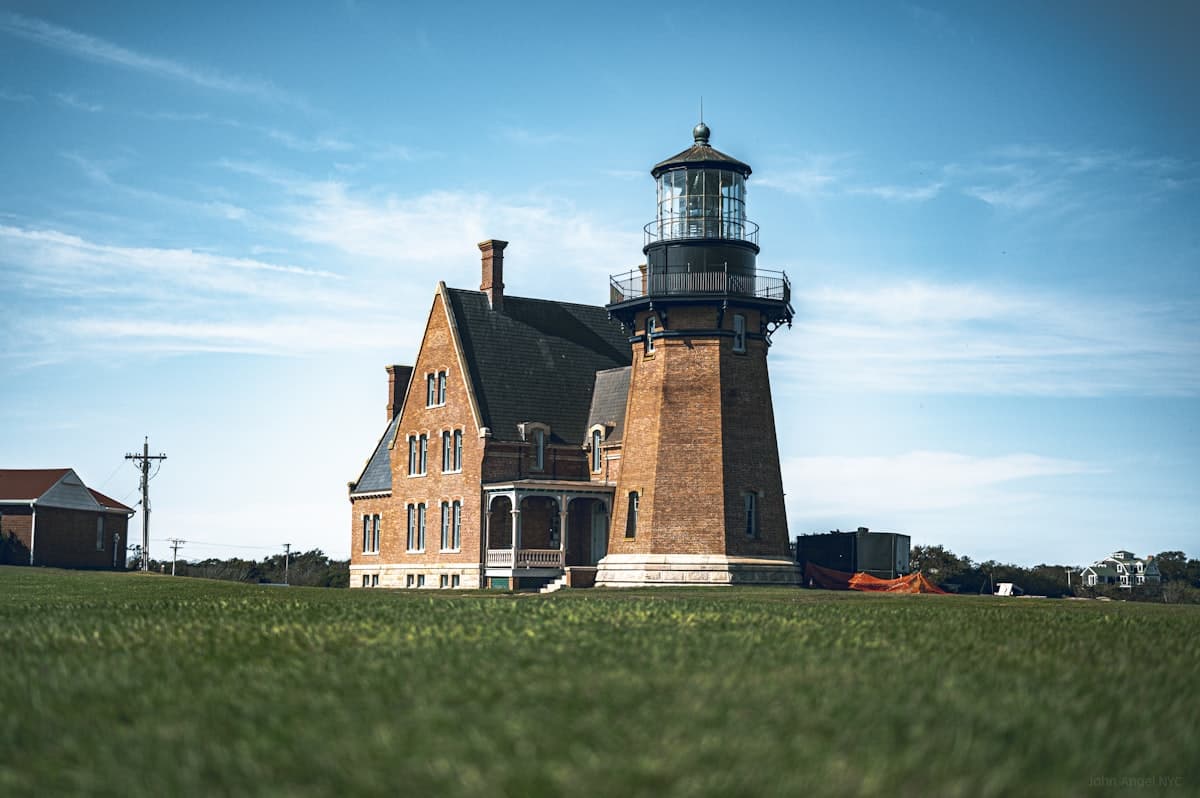
Fly Fishing the Battenkill: Orvis's Home Water, the Most Educated Wild Trout in the East, and Why That's the Point
The Battenkill is where Orvis was born in 1856, where Norman Rockwell fished between paintings, and where wild brown trout have been refusing flies for over a century. It's the hardest river in New England — and the most rewarding when you get it right.
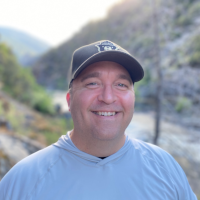
The Battenkill is not an easy river. It will not hand you fish. The trout are wild — every one of them born in the river's gravel — and they've been caught and released by generations of anglers who learned to fly fish at the Orvis school a quarter mile from the water. These browns have seen more Parachute Adams patterns, more Elk Hair Caddis presentations, and more 6X tippet drifts than trout on almost any other river in the country.
That's the point. The Battenkill doesn't teach you to catch easy fish. It teaches you to catch difficult fish — and the lessons transfer to every other trout stream you'll ever fish. An angler who can fool a Battenkill brown can fool trout anywhere.
The river flows through Manchester, Vermont — a town that has been the spiritual home of American fly fishing since Charles Orvis founded the Orvis Company here in 1856. The Orvis flagship store, the Orvis Fly Fishing School (open since 1966, over 35,000 graduates), and the American Museum of Fly Fishing all sit within a few hundred yards of each other and a short walk from the river. Norman Rockwell painted this valley. Fly fishing's history lives in this valley. And the trout in the river are the final exam.
The River — Manchester to Arlington
The Battenkill flows roughly 25 miles through Vermont before crossing into New York. The Vermont section — from East Dorset through Manchester to Arlington — is the heart of the fishery.
Above Manchester — Brook Trout Water
The upper Battenkill above Manchester is small water — 15 to 25 feet wide, with a soft bottom, small pools, and deep runs. Brook trout are the dominant species here, with small browns mixed in. The fish average 6 to 10 inches, and the fishing is intimate — short casts, light rods, and the kind of close-quarters small-stream work that feels like the Smokies transported to New England. A 3-weight rod and a #14 Elk Hair Caddis cover most situations.
Manchester to West Arlington — The Prime Water
Below Manchester, the Battenkill picks up tributaries (Lye Brook, Mill Brook, Roaring Branch) and becomes the river that earned its reputation. The water widens to 40-60 feet, with long riffles, glassy pools, and undercut banks shaded by hardwoods and hemlocks. Wild brown trout dominate this section, averaging 10 to 14 inches with fish over 20 inches holding in the deepest pools and along the most protected lies.
This is the water that tests everything. The browns hold in feeding lanes in crystal-clear water, rising to specific insects with the selectivity of Henry's Fork Railroad Ranch fish. A rise form that looks like a Hendrickson sip might be a fish eating caddis emergers — and if you guess wrong, the fish stops rising and you've educated it further. The presentation window is measured in inches: a fly that drifts six inches off the feeding lane, or a tippet that catches the surface tension a beat too soon, draws a refusal that the angler might not even notice — the fish simply doesn't move.
The fly-fishing-only section near Manchester (one mile of Union Street water) concentrates the most technical fishing and the most skilled anglers. But the longer stretches between Manchester and Arlington offer more solitude and fish that see slightly fewer flies.
Reading Battenkill Water
The Battenkill teaches you to read water differently than a Western freestone. On the Madison, you cover water — cast to every likely hold, move on, repeat. On the Battenkill, you hunt specific fish. You stand at the tail of a pool, watch the surface for five minutes, identify a rising fish, study its rhythm and what it's eating, plan your approach, wade into position without sending a wake, and make one cast. Maybe two. If the fish refuses, you sit and watch until it settles back into its feeding rhythm before trying again with a different pattern.
This patient, observational approach — watch more, cast less — is the Battenkill discipline. Guides who fish the river will tell you that their best clients are the ones who can stand still for ten minutes. The ones who start false-casting over a pool before they've identified a single fish catch nothing.
Evening fishing is the Battenkill's best window. The last two hours of daylight, when the caddis are dancing, the Sulphurs are hatching, and the spinners are falling, produce the most concentrated surface activity and the most willing trout. The fish relax their guard in the low light, and patterns that were refused at noon draw confident eats at 7 PM. Anglers who fish the Battenkill only during the bright hours miss the river's best fishing.
West Arlington to New York — The Lower River
The lower Battenkill widens further and slows, with deeper pools and longer runs. The brown trout here grow larger on average — this is where the 20-inch-plus fish live, holding in deep water and feeding primarily on streamers (sculpin, crayfish) and large nymphs rather than surface insects. Woolly Buggers (#6-8) stripped through the deeper pools at dawn and dusk produce the Battenkill's largest fish.
The Hatch Chart — Eastern Classics
The Battenkill's hatch cycle follows the same progression as other Eastern freestones, but the fish's response to each hatch is more demanding than most rivers:
- April–early May: Early Black Stoneflies (#14-16), Blue Quills (#14-16), BWOs (#16-20). The river wakes up. Parachute Adams in olive (#16-18).
- Mid-May: Hendricksons (#12-14) — the Battenkill's premier spring hatch. The second week of May typically fires the main emergence. Female Hendrickson (pinkish-tan) and male Red Quill (darker). Comparadun and Sparkle Dun in #12-14. The spinner fall at dusk can be outstanding.
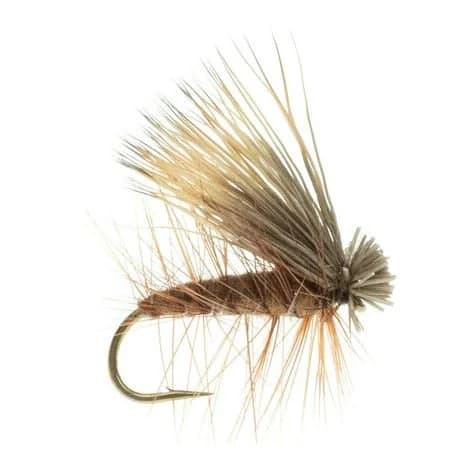
- Late May–June: March Browns (#10-12), Green and Tan Caddis (#14-18). Caddis activity intensifies through June and becomes the dominant surface food. Elk Hair Caddis in tan and olive.
- June–July: Sulphurs (#16-18) — evening emergers and spinners. Light Cahills (#14-16). BWOs continue. Terrestrials (ants, beetles) begin.
- July–August: Terrestrial season — ants (#18-20), beetles (#14-16), crickets, hoppers. The Battenkill's summer fishing is defined by terrestrials and caddis, echoing the Pennsylvania limestone-creek tradition that Marinaro pioneered.
- September–November: Fall BWOs (#16-20) — more reliable than spring on the Battenkill. Streamer season for large browns. Woolly Bugger and Sculpins through the pools. October is the trophy month.
- Year-round: Midges (#20-24) — Zebra Midge and Griffith's Gnat. The Battenkill's midge population is substantial, and midge fishing fills the gaps between hatches.
The Fly Box
Dry flies: Parachute Adams (#12-20), Hendrickson Comparadun (#12-14), Elk Hair Caddis (#14-18, tan/olive/black), Sparkle Dun Sulphur (#16-18), Griffith's Gnat (#18-22), ant (#18-20), beetle (#14-16), cricket (#10-12)
Nymphs: Pheasant Tail (#14-20), Hare's Ear (#12-16), Zebra Midge (#18-22), caddis pupa (#14-16), stonefly nymph (#12-14)
Streamers: Woolly Bugger (#6-10, olive/black), Sculpzilla (#6-8), Muddler Minnow (#6-8)
The Gear
Rod: 8.5- to 9-foot 4-weight — the Battenkill standard. Light enough for the delicate presentations these fish demand, long enough for reach casts across the wider sections below Manchester. A 3-weight for the brook trout water above town.
Leaders: 9 to 12 feet tapered to 5X or 6X. The clear water and educated fish demand the same leader discipline as Livingston's spring creeks and the Farmington.
Approach: The Battenkill punishes careless wading more than any river in New England. These trout spook at shadows, vibration, and the flash of a fly line in the air. Wade slowly. Stay low. Watch the water for five minutes before making your first cast. The angler who catches fish on the Battenkill is the one who never stops treating every approach as if the fish can see everything — because they can.
The Culture — Orvis, the Museum, and Manchester
Manchester, Vermont is the most historically significant fly-fishing town in America. The concentration of fly-fishing heritage in one small New England village is unmatched:
The Orvis Flagship Store — founded 1856, the oldest mail-order sporting goods company in the country. The Manchester store isn't just retail — it's a gathering point, a clubhouse, and a pilgrimage destination. The Orvis fly-fishing school next door has taught over 35,000 people to cast since 1966.
The American Museum of Fly Fishing — a few hundred yards from the Orvis store, housing the most important collection of fly-fishing artifacts, rods, reels, and flies in the world. The rods of Daniel Webster, Ernest Hemingway, and Dwight Eisenhower are here. The museum is small but its collection is extraordinary.
Local outfitters and guide services provide guided trips and the expertise that makes the difference between a fishless day and a productive one. The guide community on the Battenkill is small but serious — these guides fish the hardest trout in New England daily, and their knowledge of the river's moods, hatches, and approach angles is earned over years of being humbled by the same trout.
Several guide services cover the Battenkill from Saratoga Springs to Manchester, and the best among them publish reports on hatch timing and river conditions that are among the most detailed available.
The town of Manchester itself is classic Vermont — white clapboard buildings, covered bridges, the Green Mountains rising behind town, and the kind of quiet that makes you want to stay longer than you planned. Norman Rockwell lived and painted in Arlington, five miles downstream, and the Battenkill valley looks exactly like his paintings suggest. The covered bridge at West Arlington, where Rockwell set several paintings, sits over water that holds brown trout — the juxtaposition of New England Americana and serious fly fishing is the Battenkill's unique charm.
Manchester has the infrastructure that most Eastern fly-fishing destinations lack — good restaurants, comfortable inns, bookshops, and the kind of Vermont village life that makes a fishing trip feel like a vacation even when the trout aren't cooperating. The Equinox Resort sits at the base of Mount Equinox with views of the valley. The local restaurants serve farm-to-table Vermont fare that pairs well with a day of getting refused by wild brown trout.
When to Go
- Mid-May: Hendrickson hatch — the premier spring event, the Battenkill's annual opening ceremony
- June–July: Caddis and Sulphur evenings — the best sustained surface fishing of the year
- July–August: Terrestrials — ants, beetles, crickets along the banks, the summer challenge
- October: Fall streamers for trophy browns — the biggest fish, the quietest fishing, the best foliage in America
Top Fishing Guides Nearby
Battenkill guides fish the river where Orvis was born in 1856 — casting to wild brown trout rising in gin-clear pools under covered bridges, matching the evening caddis hatch, and working terrestrial patterns along shaded banks where Vermont fly fishing tradition runs as deep as the river itself.
The FLY HAUS
Manchester Center, VT, US
5.0 (19 reviews)
The FLY HAUS is a premier fly fishing outfitter based in Southern Vermont, specializing in guided experiences on the legendary Battenkill River. This historic waterway is renowned for its wild brown and brook trout populations, offering anglers an exceptional fishing opportunity set within stunning natural surroundings. The FLY HAUS welcomes both experienced fly fishers and newcomers to the sport. Their experienced guides offer flexible trip options, from half-day excursions to evening instructional classes, ensuring each angler finds an experience suited to their skill level and interests. The outfitter's dedication to river conservation and sustainable trout populations reflects a deep commitment to preserving the Battenkill for future generations of fishing enthusiasts.
Pheasant Tail Tours
Monroe Bridge, MA, US
5.0 (15 reviews)
Pheasant Tail Tours Pheasant Tail Tours specializes in drift boat fly fishing along the scenic Deerfield River in Western Massachusetts. Guide Brian Lynch brings years of experience to every outing, piloting anglers through miles of pristine water in pursuit of trophy brown and rainbow trout. His customized approach ensures that each float trip is tailored to the skill level and goals of his clients. Whether selecting a half-day or full-day adventure, anglers benefit from expert instruction and meals provided throughout the journey. Pheasant Tail Tours welcomes both novice and experienced fly fishers, creating a personalized experience on one of the Northeast's most rewarding trout waters.

Sunset Boat Charters
Lake George, NY, US
4.7 (23 reviews)
Sunset Boat Charters Sunset Boat Charters brings years of expertise to Lake George, one of New York's most scenic waterways. Led by fully licensed and insured Captain Thomas M Horn, the company specializes in family-friendly fishing trips alongside unique experiences like island hopping and stargazer cruises. Guests enjoy the Adirondack's stunning natural beauty from a comfortable 24-foot Godfrey Aqua Patio pontoon, which accommodates up to 12 passengers in a relaxed, welcoming setting. Whether planning a casual family outing, a private charter, or a special event on the water, Sunset Boat Charters crafts customized experiences tailored to each group's interests. The combination of expert local knowledge, well-maintained equipment, and personalized service makes this an ideal choice for both longtime lake enthusiasts and first-time visitors.
Hooker Charters
Lake George, NY, US
5.0 (23 reviews)
Hooker Charters specializes in Lake George fishing adventures, where stunning mountain views and pristine waters create an ideal setting for landing trophy Lake Trout. Operating a 32-foot Suntracker Partycruiser Pontoon equipped with an enclosed cabin and spacious fishing platform, the guide ensures guests enjoy both comfort and functionality throughout the day. Known for personalized service and attention to detail, Hooker Charters delivers memorable experiences tailored to each angler's skill level and goals. Whether seeking a peaceful day on the water or an action-packed outing, guests can expect knowledgeable guidance and a welcoming atmosphere that keeps them coming back.
Lake George Fishing
Lake George, NY, US
5.0 (33 reviews)
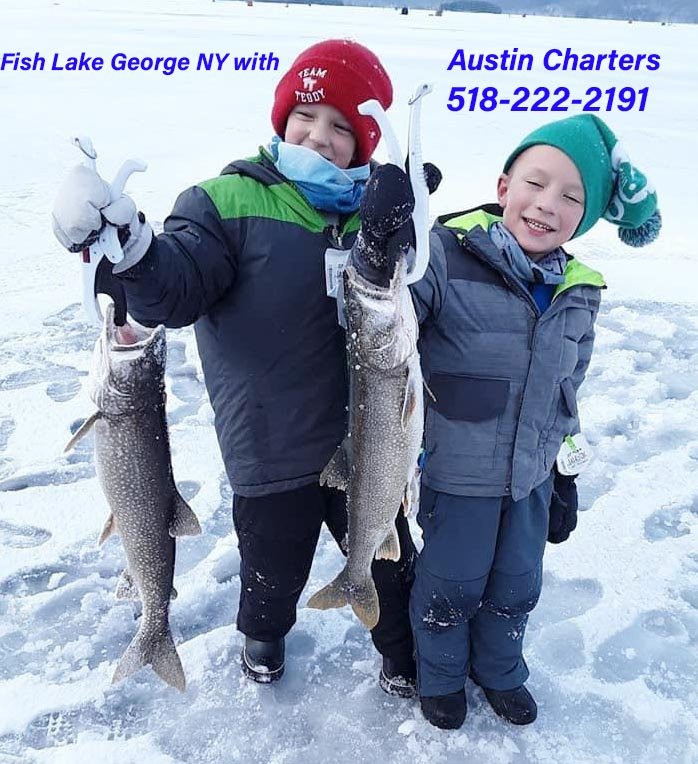
Lake George Fishing delivers premier angling experiences on the pristine waters of upstate New York. Led by licensed guides Captain Rick and Captain Scott Austin, the service specializes in pursuing Lake Trout, Salmon, and Bass across all seasons. Their modern 2022 Tritoon accommodates up to four anglers in comfort, making it ideal for families and dedicated fishing enthusiasts alike. Whether guests prefer summer open-water fishing or the unique challenge of winter ice fishing, Lake George Fishing tailors each trip to create lasting memories on one of the region's most beautiful lakes.
Justy-Joe Fishing Charters
Lake George, NY, US
5.0 (144 reviews)
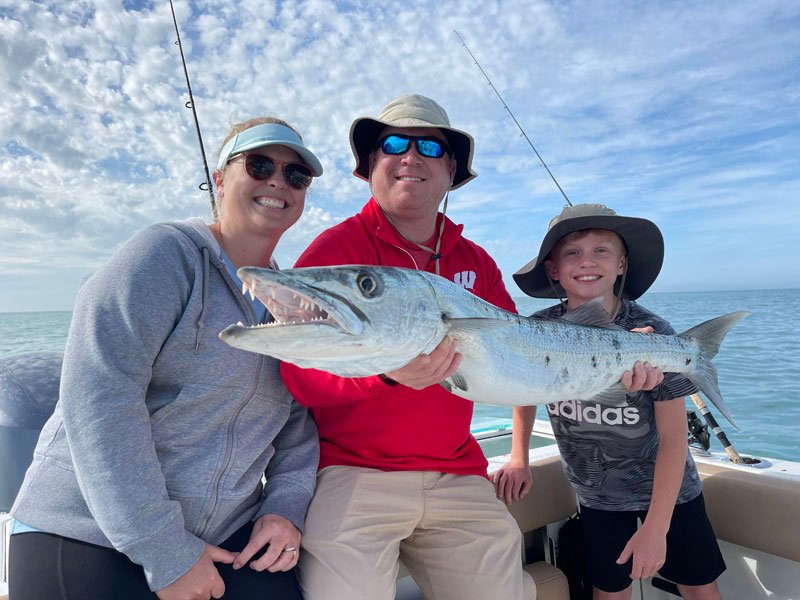
Justy-Joe Fishing Charters brings over three decades of expertise to anglers seeking unforgettable fishing experiences. Operating across two premier destinations—Lake George, New York, and Fort Myers, Florida—they offer a diverse range of fishing opportunities tailored to anglers of all skill levels and ages. Their fleet is equipped to pursue Grouper, Snapper, Barracuda, and Snook across offshore, near-shore, and back-bay environments. What sets Justy-Joe apart is their commitment to inclusivity and family-centered service. They've built a reputation for accommodating physically challenged individuals, ensuring every angler can enjoy the water comfortably. Whether seeking a peaceful bay adventure or an exciting offshore expedition, clients can expect a knowledgeable, welcoming guide who prioritizes both the catch and the overall experience.
Frequently Asked Questions
Why is the Battenkill considered the hardest trout river in New England?
The Battenkill's wild brown trout have been caught and released by generations of anglers — including graduates of the Orvis fly fishing school a quarter mile from the water. The fish are educated to a degree that most rivers can't match. Crystal-clear water and heavy pressure make every presentation critical.
What is the connection between Orvis and the Battenkill?
Charles Orvis founded the Orvis Company in Manchester, Vermont in 1856 — on the banks of the Battenkill. The flagship store, the Orvis Fly Fishing School (35,000+ graduates since 1966), and the American Museum of Fly Fishing all sit within a few hundred yards of each other and the river.
When is the Hendrickson hatch on the Battenkill?
The second week of May typically fires the main Hendrickson emergence — the Battenkill's premier spring hatch. Female Hendricksons (#12-14) and male Red Quills bring the biggest surface-feeding activity of the spring. The spinner fall at dusk can be outstanding.
Are there brook trout in the Battenkill?
Yes — the upper Battenkill above Manchester holds wild brook trout in small, intimate water. The fish average 6 to 10 inches and are the dominant species in the cold headwater sections. Below Manchester, wild brown trout take over as the primary species.
What rod should I bring for the Battenkill?
An 8.5- to 9-foot 4-weight for the main river below Manchester. A 3-weight for the brook trout water above town. Leaders of 9-12 feet tapered to 5X-6X — the same precision required on Western spring creeks. Stealth in approach matters more than casting distance.
Related Articles
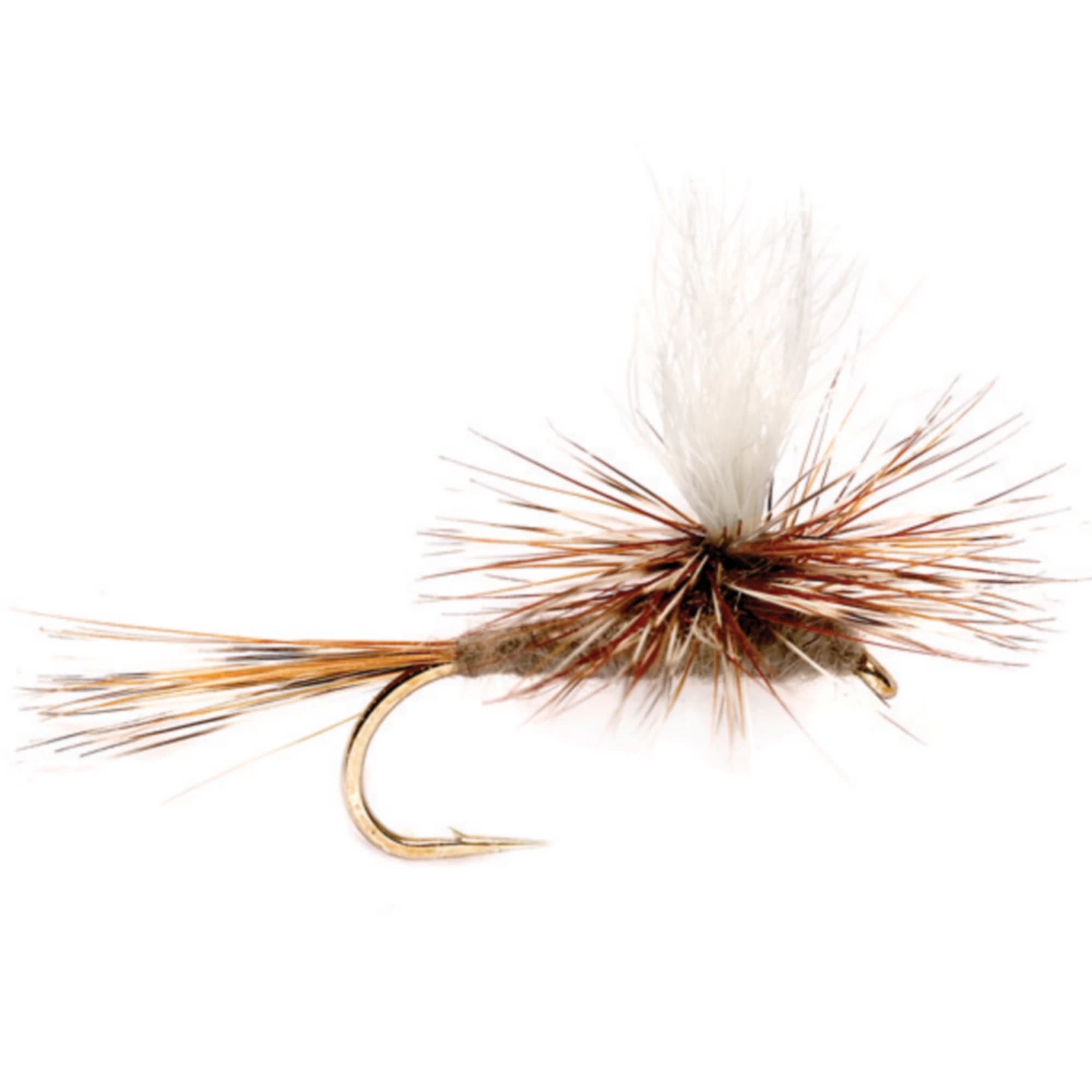
The Parachute Adams: How to Tie the One Fly Every Angler Carries and Why It Fools Everything
Monday, April 13, 2026
The Elk Hair Caddis: How to Tie the Fly That Works Everywhere, All Season, on Everything
Tuesday, April 21, 2026
Fly Fishing the Great Smoky Mountains: Native Brook Trout, Old-Growth Streams, and the Oldest Mountains on Earth
Saturday, May 2, 2026
 ™
™