
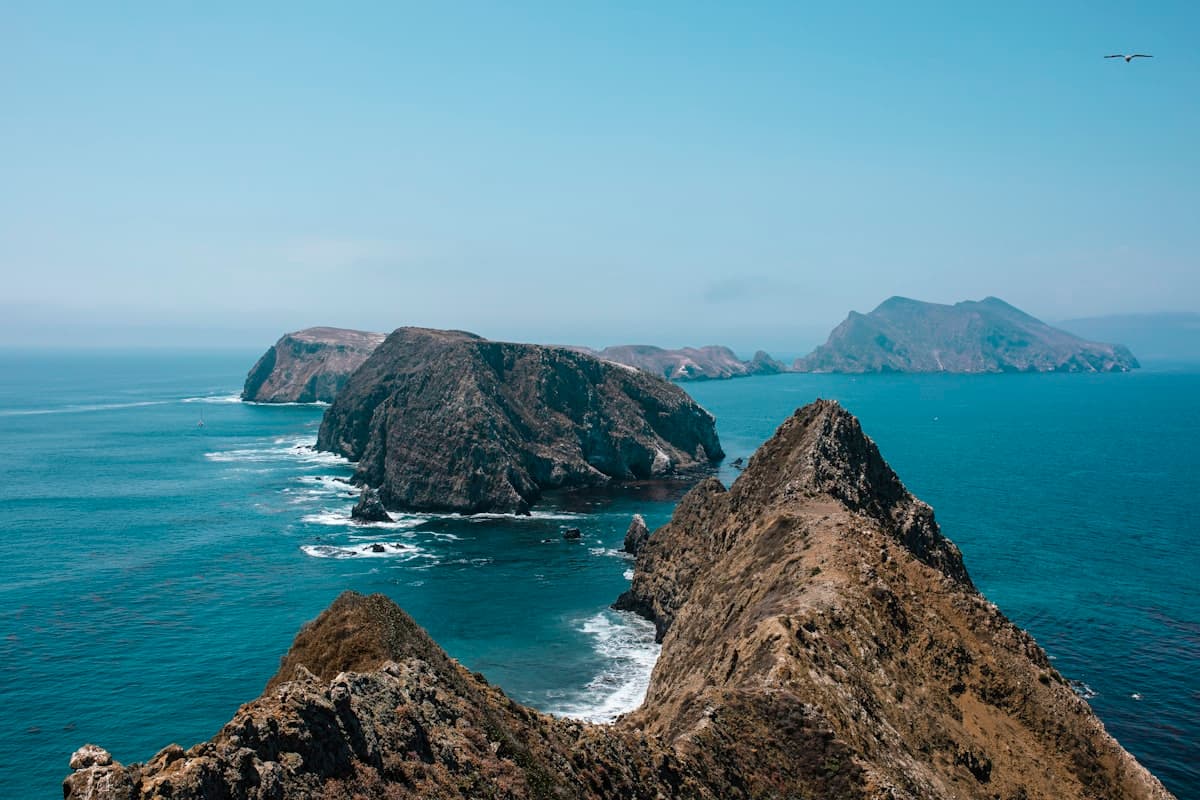
Fly Fishing Channel Islands National Park: Calico Bass, Kelp Forests, and Southern California's Wildest Saltwater
Five volcanic islands off the Southern California coast, wrapped in giant kelp forests that hold aggressive calico bass willing to crush surface flies in the kelp stringers. This is structure-oriented saltwater fly fishing in one of the most biologically rich marine ecosystems on the Pacific coast.
Channel Islands National Park is five islands sitting in the Pacific Ocean off the Ventura and Santa Barbara coast, and the fishing around them is unlike anything else in the national park system. This is not a trout park. This is not a salmon park. This is a saltwater park built on kelp — massive forests of giant kelp rising from the rocky reef bottom to the surface, creating an underwater jungle that shelters one of the most productive marine ecosystems on the planet. And the fish that owns that jungle, the one that makes fly anglers charter boats out of Ventura Harbor at 5 AM, is the calico bass.
Calico bass — technically kelp bass, Paralabrax clathratus — is the fly rod fish of the Channel Islands. They are structure-oriented predators that live inside the kelp, holding in the lanes and pockets between the stalks, ambushing sardines and anchovies that drift through the canopy. They are aggressive. They are visual. They will rocket from ten feet down to smash a popper twitched across a gap in the kelp stringers, and then immediately dive back into the structure with a bulldog stubbornness that will break your tippet if you don't turn them fast. On an 8 or 9-weight rod, a four-pound calico bass fights like it weighs twice that. A six-pounder in the kelp is a serious fish that will test your drag, your knots, and your ability to steer a hot fish away from a wall of underwater vegetation.
The setting makes it better. These islands are California's Galapagos — isolated enough that the Chumash people who lived here for 13,000 years developed a distinct island culture, wild enough that the endemic island fox exists nowhere else on Earth. Sea caves carved into volcanic rock. Sea lions hauled out on every exposed ledge. Blue whales feeding in the Santa Barbara Channel on their migration route. And underneath the surface, the kelp forests — cathedral columns of Macrocystis pyrifera growing two feet per day, reaching 150 feet from the reef floor to the surface, creating a canopy so dense it flattens the ocean swell above it.
You fish the edges of that canopy. You fish the openings. You fish the stringers where individual kelp stalks trail out from the main forest into open water, creating ambush lanes where calico bass stack up and wait. And when conditions align — clean water, moderate current, bait in the kelp — the fishing is as visual and exciting as any saltwater fly fishing in the continental United States. Forget the technical sight-casting of Puget Sound beach fishing or the slow stalking of Texas coast redfish — this is fast, aggressive, kelp-jungle hunting.
The Kelp Forest — Understanding the Structure
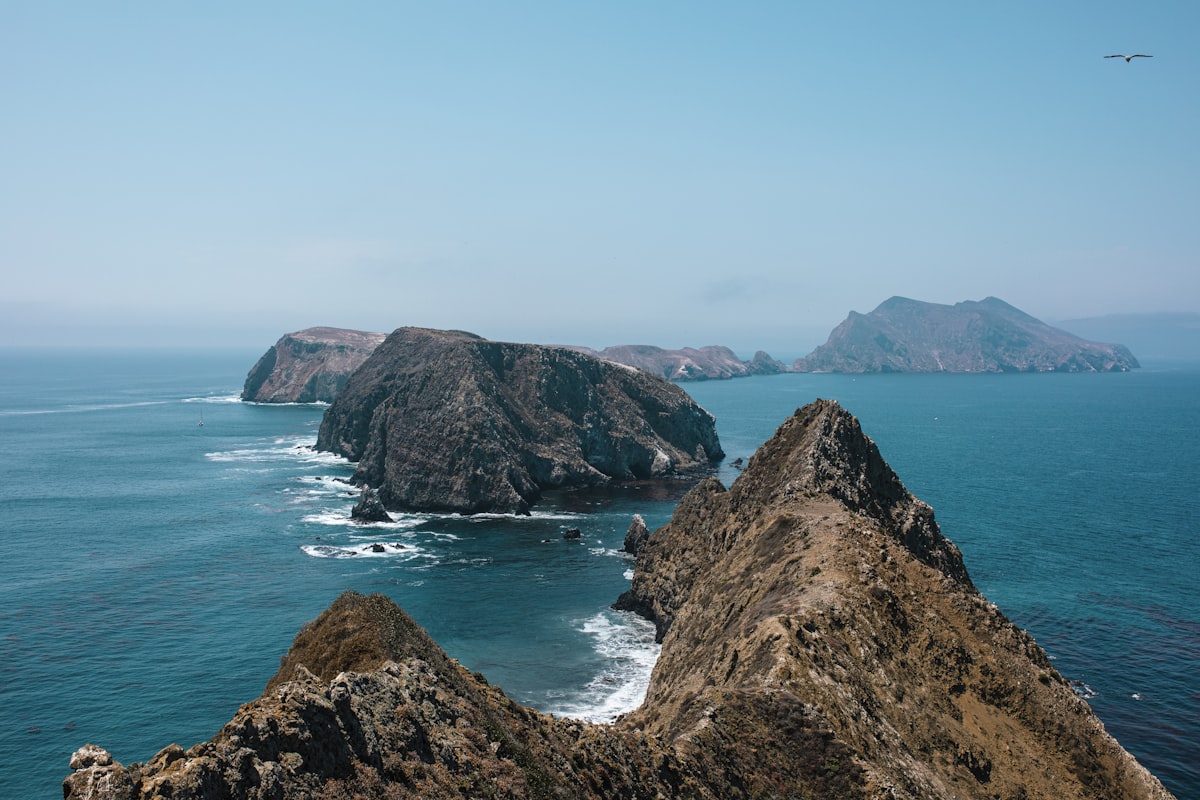
Giant kelp is the foundation of everything here. Macrocystis pyrifera is the largest algae on the planet — not a plant, technically, but a brown alga that anchors to rocky substrate with a holdfast and grows upward toward the sunlight at a rate that can exceed two feet per day under ideal conditions. A single kelp stalk can reach 150 feet. The Channel Islands National Marine Sanctuary contains roughly one-third of all the kelp forests in southern California, and these forests support over 1,000 species of marine life.
For fly anglers, the kelp forest creates structure in the open ocean the same way a logjam creates structure in a river. The dense canopy provides shade and cover. The stalks create current breaks and ambush points. Baitfish — anchovies, sardines, smelt, juvenile rockfish — concentrate in the kelp because it protects them from open-water predators. And the predators that have figured out how to hunt inside the kelp — calico bass, sheephead, barracuda — hold in the structure and feed aggressively.
The key to fishing kelp on the fly is understanding its architecture. The canopy is the floating mat of kelp fronds at the surface — thick, tangled, and nearly impossible to fish through. The midwater column is where individual stalks rise through open water, creating lanes and pockets. The edges are where the kelp forest meets open water — the transition zone where bait moves in and out, and where predators stage. The stringers are isolated kelp stalks or small clusters that extend out from the main forest into open water, often trailing with the current.
You fish the edges and the stringers. Casting into the main canopy is a fast way to lose flies. But a Clouser Minnow stripped along a kelp edge, or a popper twitched through an opening in the stringers, is going to get hit. The calicos are watching.
The Star — Calico Bass on the Fly
Calico bass are the reason fly anglers make the crossing to the Channel Islands. They are the most accessible, most abundant, and most willing fly-rod target in the kelp, and they fight with a power and tenacity that is genuinely disproportionate to their size.
A calico bass in the kelp is not a fish that runs. It is a fish that dives — straight down, straight into the structure, with a head-shaking intensity that loads your rod to the cork. The moment a calico eats, you strip-set hard and start reeling. If you give it a second to orient, it will bury itself in the kelp stalks and you will spend the next five minutes trying to pull a tangled mess of fly line, leader, and kelp fronds out of the water with no fish attached.
The topwater bite is the experience that keeps fly anglers coming back. Calico bass are surface feeders when conditions allow it. On calm mornings when bait is dimpling on the surface near the kelp edges, a popper or gurgler worked slowly across the openings will draw strikes that are visible, violent, and addictive. The fish comes from below — you see the shadow rising, the water humping, and then the surface explodes. That visual element — the sight of a predator committed to your fly before the eat — is what separates calico bass from most saltwater targets.
The Fly Box for Calicos
The kelp demands a specific approach to fly selection. Standard saltwater flies work, but weedless patterns are the difference between a productive day and a frustrating one.
Subsurface (the workhorses):
-
Clouser Minnow (#1/0-2, olive/white, chartreuse/white, brown/white) — the universal calico bass fly. The Clouser rides hook-point-up, which helps it slide over kelp fronds instead of snagging. Chartreuse-over-white imitates the juvenile mackerel and sardines that calicos eat all day. Brown-and-tan versions simulate squid, a preferred forage item around the islands. Tie them on 1/0 to 3/0 streamer hooks with varying weight — bead chain eyes for the kelp edges, medium dumbbells for the deeper lanes.
-
Lefty's Deceiver (#1/0-2/0, white, olive/white, sardine colors) — the profile fly. Deceivers push more water and create a larger silhouette than Clousers, which matters when calicos are keyed on bigger baitfish. Tie them sparse — a bulky Deceiver fouls in the kelp faster than a streamlined one.
-
EP Baitfish (#1/0-2, anchovy colors, sardine colors) — synthetic fiber flies that are durable, sink consistently, and shed water on the backcast. EP patterns in silver-and-blue or olive-and-silver match the anchovy and sardine profiles that dominate the Channel Islands forage base.
-
Bendbacks (#1/0-2, baitfish colors) — the weedless secret weapon. Bendback flies are tied on hooks with a 30-degree bend behind the eye that causes the hook point to ride up and back, making them nearly snag-proof in the kelp. If you're fishing inside the kelp stringers rather than along the edges, bendbacks are mandatory.
-
Game Changer (#1/0-2, sardine, mackerel, smelt colors) — articulated flies with a multi-jointed swimming action that drives calicos crazy. Heavy and hard to cast in wind, but when a six-pound calico inhales a Game Changer stripped through a kelp opening, the eat is unforgettable.
Surface (the thrill):
-
Poppers (#1/0-2, white, chartreuse, sardine) — foam or hard-body poppers that push water and create a commotion on the surface. Work them with short, sharp pops and long pauses in the openings between kelp stringers. The pause is when the strike comes.
-
Gurglers (#1/0-2, white, olive, chartreuse) — foam-lipped flies that create a wake and gurgle on the strip without the loud pop of a popper. Gurglers are more subtle than poppers and produce better on calm, clear days when the fish are spooky.
-
Crease Flies (#1/0-2, sardine colors) — foam-bodied baitfish imitations that float and wobble on the surface. These are the "walk-the-dog" flies of the saltwater world — strip-pause-strip and let the fly rock side to side.
The Gear for Calicos
Rod: A 9-foot 8-weight is the standard calico bass rod. It handles the wind (and there is always wind in the Santa Barbara Channel), throws weighted Clousers at the distances you need (40-60 feet), and has enough backbone to turn a fish away from the kelp on the first run. Step up to a 9-weight or 10-weight if you're throwing big Game Changers or if yellowtail and white seabass are in the mix — you want the extra power for those surprise encounters.
Line: Carry two setups. A weight-forward floating line for topwater work — poppers, gurglers, and unweighted Deceivers along the kelp edges. And a fast-sinking shooting head (Type 6 or Type 9 sink rate) for getting Clousers and EP Baitfish down into the midwater column where calicos hold during the middle of the day. The sinking line is the workhorse — calicos spend more time subsurface than on top, and you need to get your fly into their zone. An intermediate line works as a compromise if you only want to rig one rod.
Leader: Short and stout. Two and a half to four feet of 20-pound fluorocarbon is the standard calico bass leader. These fish are not leader-shy — they live in a kelp jungle and eat whatever moves — and the short leader gives you control to turn the fish before it wraps you in the kelp. For topwater work on a floating line, lengthen to six feet of 16-20 pound fluorocarbon to improve the fly's action.
Reel: A quality large-arbor reel with a smooth disc drag. Calico bass don't make hundred-yard runs, but they pull hard and fast into the structure, and a sticky drag at the wrong moment will cost you a fish. The reel also needs to handle the salt — sealed drags and corrosion-resistant components are essential. Rinse everything with fresh water at the end of every day.
The Other Players
Calico bass are the primary target, but the kelp forests and surrounding waters hold other species that will surprise you during a day on the fly.
Barracuda
California barracuda cruise the kelp edges and open water around the islands from May through October, following schools of anchovies and sardines. They are long, fast, and aggressive — a three-foot barracuda spotted cruising the kelp edge will eat a long, slender Clouser Minnow or Deceiver stripped at full speed. The technique is simple: cast ahead of the fish, strip as fast as you can, and hold on. Barracuda hit like a freight train and run hard in open water. Use a short wire bite tippet (6 inches of 30-pound titanium wire) or accept that you'll lose flies to those teeth.
Flies: Long, slender Clousers and Deceivers in silver, blue, and green (#1/0-2/0). Needlefish patterns — sparse, four to six inches long, stripped fast — are barracuda magnets. Sand lance patterns in silver also work.
Bonito
Pacific bonito are the speedsters of the Channel Islands. They are small tuna — three to eight pounds — that school in open water and along the kelp edges, feeding on anchovies and sardines with a frantic, slashing aggression that churns the surface into white water. When you find bonito busting bait on the surface, cast a small Clouser Minnow or Deceiver into the chaos and strip at maximum speed. Bonito are not selective. They eat anything that moves fast and flashes. The fight is all speed — screaming runs on the surface, multiple runs, and a heart rate on the reel that makes your backing disappear.
Flies: Small, sparse Clousers (#2-4, chartreuse/white, blue/white) stripped as fast as your hand can move. Sardina patterns. Small EP Baitfish. Anything that imitates a three-inch baitfish and can be stripped at sprint speed.
Yellowtail
California yellowtail move through the Channel Islands from late spring through fall, following warm water and bait. They are powerful, fast, and big — fish in the 15 to 30-pound range are common, with trophies over 40 pounds possible. Landing a yellowtail on a fly rod near the kelp is one of the great challenges in Pacific saltwater fly fishing. The fish hits, runs hard into the open water, then turns back toward the kelp where it will cut you off on the stalks if you can't keep it clear.
Yellowtail on the fly is an opportunistic game at the Channel Islands. You don't go out specifically targeting them on fly tackle — you go calico bass fishing and keep a heavy rod rigged in case yellowtail show up on the kelp edges or busting bait on the surface. When they do, you have one shot. A fast, accurate cast with a large Deceiver or Clouser, a fast strip, a hard eat, and then a fight that will test your 10 or 12-weight to its limits.
Rockfish and Sheephead
Various rockfish species — vermilion, copper, olive, and others — inhabit the deeper structure around the islands' rocky reefs. California sheephead, with their distinctive pink-and-black coloring and crushing jaws, hold in the kelp and on the reef edges. Both species will eat a Clouser Minnow or weighted Woolly Bugger fished deep on a sinking line. Saltwater shrimp patterns and Crazy Charlies in tan or brown also produce for sheephead, which actively hunt crustaceans along the reef. They're not primary fly-rod targets, but they fill the gaps between calico bass action and add variety to a day on the water.
White Seabass
White seabass are the trophy fish of the Channel Islands — fish to 60 pounds that move through the kelp forests in spring and early summer, following spawning squid. They are the ghosts of the kelp — big, wary, and hard to find on fly tackle. When squid are spawning in the kelp (you'll see the egg casings draped over the stalks), white seabass move in to feed, and a squid-colored fly — brown, tan, or purple Deceiver or Clouser — fished slowly through the kelp edges can draw a strike that will redefine your expectations of Channel Islands fly fishing.
White seabass on the fly is rare and difficult. But when it happens, it's a 30-plus-pound fish on an 8 or 9-weight rod in a kelp forest, and nothing else in the park compares.
The Five Islands — Where to Fish
Channel Islands National Park encompasses five islands, each with a distinct character and fishing opportunity. They are strung along the Santa Barbara Channel like a broken necklace, the closest just 11 miles from shore, the farthest over 50 miles out.
Anacapa Island — The Gateway
Anacapa is the closest island to the mainland — 11 miles from Ventura Harbor, about an hour by boat. It is actually three small islets connected by a low reef, and its rocky coastline and surrounding kelp forests make it the most accessible fishing destination in the park.
The east end of Anacapa features massive kelp beds over rocky bottom in 40 to 100 feet. Cathedral Cove and the reefs along the south side hold calico bass, sheephead, and rockfish in dense kelp. The water clarity here is frequently outstanding — 40 to 50 feet of visibility is common — which makes sight-fishing possible when calicos are feeding in the upper water column.
Anacapa's proximity to Ventura makes it the default destination for half-day and three-quarter-day trips. If you have one day to fly fish the Channel Islands, Anacapa is where you go.
Important: Anacapa Island is within a marine conservation area. Portions of the surrounding waters are no-take marine reserves where no fishing of any kind is allowed. Check the Channel Islands National Marine Sanctuary maps for current boundaries before you fish. The regulations are enforced, and the fines are severe.
Santa Cruz Island — The Giant
Santa Cruz is the largest of the Channel Islands — 96 square miles of volcanic ridges, deep canyons, and 77 miles of coastline. It is the flagship island of the park, and its size means more coastline, more kelp, and more fishing variety than any other island.
The eastern end of Santa Cruz — Scorpion Anchorage, Smugglers Cove, and the reefs of Yellowbanks — is the prime fishing water. Yellowbanks, on the southeast end past Smugglers Cove, is legendary among Southern California anglers: expansive kelp beds and reef structure that hold white seabass, yellowtail, and dense concentrations of calico bass. The kelp forest around the Sutil area on the north shore is thick and healthy, with depths under 50 feet and structure that holds calicos, white seabass, and occasional yellowtail.
Santa Cruz is also the best island for kayak fishing — a unique Channel Islands experience. Island Packers will transport you and your kayak to Scorpion Anchorage, and from there you can paddle along the coastline, casting into the kelp edges from a sit-on-top kayak. Kayak fly fishing for calico bass in the kelp around Santa Cruz Island is one of the most intimate and exciting experiences available in any national park — just you, the kayak, the kelp, and the fish, with sea lions watching from the rocks and the volcanic cliffs of the island rising above you.
Santa Rosa Island — Santa Blowsa
Santa Rosa sits west of Santa Cruz, 40 miles from the mainland. Locals call it "Santa Blowsa" for the relentless northwest winds that hammer the island, and those winds make fishing here weather-dependent. But when conditions cooperate, Santa Rosa offers some of the best fishing in the chain.
Johnson's Lee, a protected anchorage on the south side, features extensive kelp beds in 20 to 60 feet of water. Trophy calico bass and barred sand bass hold in the kelp here, and the reduced fishing pressure (fewer boats make the longer run) means bigger fish. The south side of Santa Rosa is also prime white seabass water when the squid are spawning.
San Miguel Island — The Outer Frontier
San Miguel is the outermost island — 55 miles from Ventura, exposed to the full force of the Pacific. The crossing is rough, the weather is unpredictable, and the fishing is phenomenal when you can get there. Richardson Rock, an exposed seamount off the west end, holds yellowtail, white seabass, and massive lingcod. The kelp forests on the south side shelter calico bass that see almost no fishing pressure.
San Miguel is an expedition. Multi-day charter trips are the way to access it. But the fish are bigger, the water is wilder, and the experience is as remote as Pacific coast fishing gets within sight of the California mainland.
Santa Barbara Island — The Outlier
Santa Barbara Island sits alone, 38 miles south of Ventura, separated from the other four islands. It is the smallest island in the park — one square mile of volcanic rock surrounded by deep water and kelp. Webster Point, on the island's southwest corner, features underwater pinnacles in 60 to 180 feet that hold rockfish and lingcod year-round. The kelp beds around the island hold calico bass, and the isolation means less pressure and bigger fish.
The Kayak Option
Kayak fishing is what makes the Channel Islands experience unique among saltwater national parks. Unlike Biscayne, where you need a flats skiff, or Everglades, where you need a poled skiff to access the backcountry, Channel Islands kayak fishing puts you at the kelp edge with nothing between you and the fish but a paddle and a fly rod.
The approach works like this: Island Packers or a private charter drops you and your kayak at a protected anchorage — Scorpion on Santa Cruz is the most popular. You paddle along the coastline, reading the kelp the way a trout angler reads a river. Dense canopy with no openings? Keep moving. Kelp stringers trailing out from the main forest with open water between them? Stop. Anchor the kayak (or drift if the current is mild), and start casting.
A sit-on-top fishing kayak is the right vessel — stable enough to cast from, open enough to manage fly line, and maneuverable enough to work the kelp edges. Rig one rod — the 8-weight with a sinking line and a Clouser Minnow — and keep a second rod in the rod holder with a floating line and a popper for when you see calicos busting bait on the surface.
The experience is immersive in a way that fishing from a charter boat cannot match. You are at water level. The kelp is right there — you can reach out and touch the stalks. Garibaldi flash orange in the water below you. Sea lions surface thirty feet away, snort, and disappear. And when a calico bass eats your popper six feet from the kayak, the explosion is close enough to splash your face.
Caution: Kayak fishing in the Channel Islands requires planning, fitness, and respect for the ocean. The Santa Barbara Channel can build wind chop quickly, currents around the islands are strong, and there is no quick rescue if conditions deteriorate. Stay in protected anchorages, check the marine forecast before launching, carry safety equipment (PFD, VHF radio, whistle, signaling device), and never paddle beyond your skill level. The kelp itself can tangle your rudder or paddle — know how to extract yourself.
Access — Getting to the Islands
There are no bridges to the Channel Islands. No ferries with drive-on vehicle access. Every trip begins and ends on a boat from the mainland.
From Ventura
Island Packers is the park concessionaire, operating scheduled boat service to all five islands from Ventura Harbor (1691 Spinnaker Drive, Ventura, CA 93001). Island Packers runs day trips and camping drop-offs to Anacapa and Santa Cruz year-round, with seasonal service to Santa Rosa, San Miguel, and Santa Barbara Island. Day trips to Anacapa depart early morning and return late afternoon — enough time for a full day of fly fishing the kelp.
Island Packers will carry kayaks on certain trips (check size and weight restrictions when booking). For anglers who want to combine the boat crossing with kayak fishing at the island, this is the most affordable option.
From Oxnard
Charter operations out of Channel Islands Harbor in Oxnard run half-day, three-quarter-day, full-day, and multi-day trips to the islands. These are conventional fishing boats — the clientele is primarily bait-and-jig anglers — but fly anglers can fish from the rail or the stern while the boat drifts or anchors along the kelp edges. Half-day rockfish trips run $65-85, three-quarter-day kelp trips $120-160, and multi-day overnight trips $400-600+.
Similar charter operations run out of Ventura Harbor.
Private Charters
For the best fly-fishing experience, hire a private charter that understands fly fishing. A captain who will position the boat along the kelp edges, drift at the right speed, and put you on the calico bass structure rather than anchoring over deep reef for rockfish. Private charters run $800-1,500+ per day depending on the boat and the destination island. The investment is worth it — you control the program, the captain works for you, and you spend the entire day fishing the way fly anglers fish.
The Seasonal Calendar
-
January–March: Winter fishing. Water temperatures are cool (55-60°F), calico bass hold deeper in the kelp (30-60 feet), and sinking lines are mandatory. Rockfish and lingcod are the primary targets. Weather windows are short — when the sea is calm, the fishing can be excellent, but rough crossings are common. Lingcod season opens March 1.
-
April–June: The prime window opens. Water warms into the low 60s, calico bass move into the upper water column, and the topwater bite begins. White seabass move into the kelp when squid spawn. Barracuda arrive in May. This is the best three-month stretch for fly fishing the Channel Islands — the fish are active, the weather is improving, and the kelp forests are at peak growth after the winter rains deliver nutrients.
-
July–September: Peak season. Water temperatures hit 65-70°F, yellowtail and bonito move through, and every species is active. The calico bass topwater bite is at its best on calm summer mornings. Barracuda are thick along the kelp edges. This is also the busiest period for boat traffic — book charters and Island Packers trips well in advance. Marine layer fog can delay morning departures but usually burns off by mid-morning.
-
October–November: Fall transition. Water is still warm from summer, the tourist crowds thin, and the fishing remains strong. Calico bass feed aggressively before the winter slowdown. Yellowtail linger. The seas are often calmer in fall than summer. Many experienced Channel Islands anglers consider October the best single month — warm water, calm seas, hungry fish, fewer boats.
-
December: Winter sets in. Calico bass go deep. Rockfish become the primary target. Lingcod season closes January 1 (closed January through February). The crossings get rough. But on a calm December day, the islands are empty and the kelp bass fishing in the deeper structure can produce the biggest calicos of the year.
Regulations
Fishing in the waters of Channel Islands National Park is governed by the State of California. A valid California sport fishing license is required for all anglers 16 and older, with an ocean enhancement stamp.
Marine Protected Areas are the critical regulation to understand. Thirteen marine protected areas encircle the islands — some are no-take marine reserves (no fishing of any kind), and others are marine conservation areas (limited harvest allowed). These boundaries are strictly enforced by the National Marine Sanctuary, NOAA, and California Department of Fish and Wildlife. Before every trip, consult the Channel Islands National Marine Sanctuary MPA maps and know exactly where you can and cannot fish. Possessing fishing gear that is "available for immediate use" inside a marine reserve is itself a violation — stow your gear before entering a reserve boundary.
Species-specific regulations:
- Calico bass (kelp bass): 14-inch minimum size limit. Reduced bag limits apply (check current California regulations — the limits have been tightened significantly in recent years). Calico bass are grouped with barred sand bass and spotted sand bass for bag limit purposes.
- Lingcod: Season open March 1 through December 31 (closed January-February). Minimum size 22 inches.
- Rockfish: Bag and size limits vary by species. Some rockfish are catch-and-release only. Check current California ocean sport fishing regulations.
- White seabass: One fish per day, 28-inch minimum.
- Yellowtail: 10-fish bag limit, no minimum size.
- Barracuda: 10-fish bag limit, 28-inch minimum.
Catch-and-release is the standard practice for fly anglers at the Channel Islands, particularly for calico bass. These fish grow slowly — a legal-sized 14-inch calico bass is five to six years old and has spawned multiple times. Handle them carefully, barbless hooks for easy release, and get them back in the water fast.
The Gear Checklist
Rods (Bring Two)
8-weight — the primary calico bass rod. Fast action, 9-foot. Handles Clousers, Deceivers, and topwater flies in the Channel Islands wind. This rod fishes 70% of the day.
10-weight — the heavy rod. Rigged and ready for barracuda, bonito, and the unlikely but possible yellowtail or white seabass encounter. Also useful for throwing large Game Changers and heavy sinking lines in deeper kelp.
Lines
- Weight-forward floating (8-weight) for topwater — poppers, gurglers, unweighted Deceivers
- Fast-sinking shooting head, Type 6 or Type 9 (8 or 10-weight) for subsurface — Clousers, EP Baitfish, weighted flies in the kelp column
- Intermediate line as a versatile compromise if you only bring one sinking option
Leaders
- 2.5–4 feet of 20-pound fluorocarbon for sinking-line calico bass work
- 6 feet of 16–20-pound fluorocarbon for topwater on floating line
- 6 inches of 30-pound titanium wire bite tippet for barracuda (attach with Albright knot)
Other Essentials
- Polarized sunglasses (amber or copper lenses for kelp-water visibility)
- Seasickness medication (take it before you need it — the crossing can be rough)
- Sun protection — the Southern California sun reflecting off the Pacific will cook you
- Stripping guards or fingerless gloves — fast-stripping Clousers for bonito will tear up bare fingers
- Pliers for hook removal (barbless hooks strongly recommended)
- Waterproof bag for phone and electronics
Ventura and Oxnard — The Gateway
Ventura is the staging town for Channel Islands National Park. The park's Robert J. Lagomarsino Visitor Center sits on Ventura Harbor at 1901 Spinnaker Drive — the same harbor where Island Packers departs for the islands. The town has the infrastructure anglers need: hotels within walking distance of the harbor, restaurants, tackle shops, and a working waterfront that hasn't been sanitized into a tourist mall.
Oxnard, ten minutes south, is home to Channel Islands Harbor and its charter fleet. The harbor area has additional lodging, dining, and the fleet of charter boats that run daily trips to the islands.
Both towns are approximately 60 miles northwest of Los Angeles on US-101 — close enough for a day trip from LA, but worth staying overnight to catch the early morning departures. Fly into LAX, Burbank, or Santa Barbara and drive.
The Ventura County coast offers mainland fishing between island trips — surf perch on the beaches, calico bass and halibut in the harbors, and the occasional barracuda along the jetties. It's not the islands, but it keeps the rod bent while you wait for your next crossing.
Why Channel Islands
Most national park fly fishing articles describe quiet waters — mountain streams, backcountry ponds, spring creeks flowing through meadows. Channel Islands is the opposite. This is saltwater fishing in the Pacific Ocean, 11 to 55 miles offshore, in water that ranges from calm and crystalline to rough and wind-chopped depending on the day. The fish are aggressive. The structure is kelp, not log jams. The background is volcanic cliffs, sea caves, sea lions, and an ocean that stretches to the horizon.
The calico bass is an underrated fly-rod fish. In a world that obsesses over bonefish, permit, and tarpon — the glamour species of Biscayne and the Florida Keys — or chases trevally in Hawaii — the calico bass doesn't get magazine covers. But a calico bass crushing a popper next to a kelp stringer, diving into the forest, and fighting with a stubbornness that bends your 8-weight to the grip is a legitimate fly-fishing experience. Add the setting — the islands, the kelp, the marine life, the Southern California light — and Channel Islands National Park offers something no other national park can match.
This is not contemplative fishing. This is active, visual, structure-oriented hunting in one of the richest marine ecosystems on the Pacific coast. The kelp forest is the river. The calico bass is the trout. And the Channel Islands are the destination that Southern California fly anglers have been keeping to themselves for too long.
If you're looking for a guide who knows the kelp, the islands, and where the calico bass are stacking up, find fishing guides based in Ventura, CA who can put you on the right water at the right time. The Channel Islands are close to shore but a world apart — and the fishing is worth the crossing.
Top Fishing Guides in Ventura
Calico bass ambush Clouser Minnows and Deceivers in the kelp forest edges off Anacapa and Santa Cruz Islands, with October delivering the best combination of warm water, calm seas, and topwater aggression. This is active, visual, structure-oriented saltwater fly fishing in one of the richest marine ecosystems on the Pacific coast.
True Blue Adventures
Ventura, CA, US
5.0 (88 reviews)
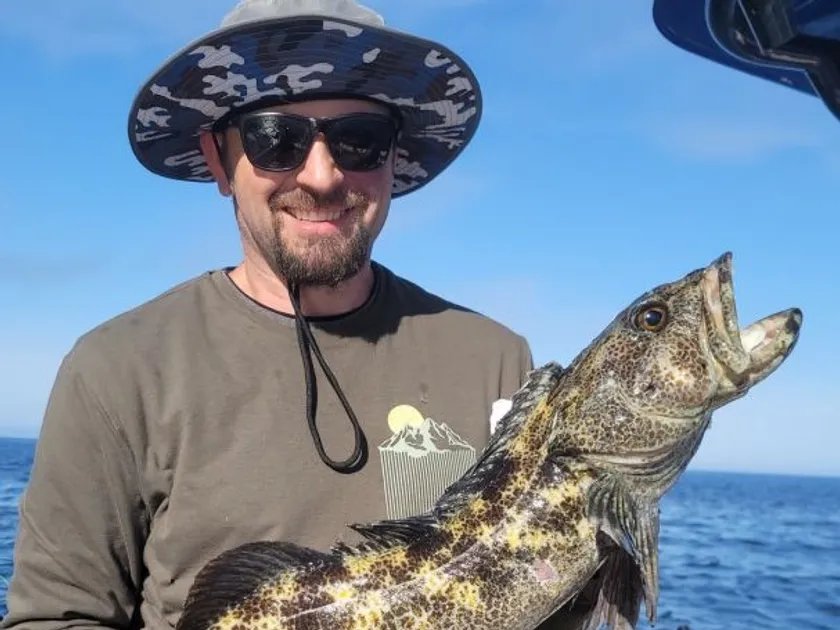
True Blue Adventures Led by Captain Darryl Spivey, True Blue Adventures offers exceptional fishing charters throughout Southern California's premier waters. Operating from Santa Barbara with access to the scenic regions around Ventura, the Catalina Islands, and San Diego, the operation specializes in deep sea, bottom fishing, and offshore trolling for species including halibut, lingcod, yellowtail, and bluefin tuna. Captain Spivey brings years of Pacific navigation experience to every charter, designing well-organized trips suited to anglers of all skill levels. Whether targeting trophy gamefish or enjoying a day on the water, guests benefit from the captain's extensive knowledge and unwavering commitment to delivering quality fishing experiences in some of Southern California's most productive waters.
FLY FISH THE SURF
Ventura, CA, US
5.0 (4 reviews)
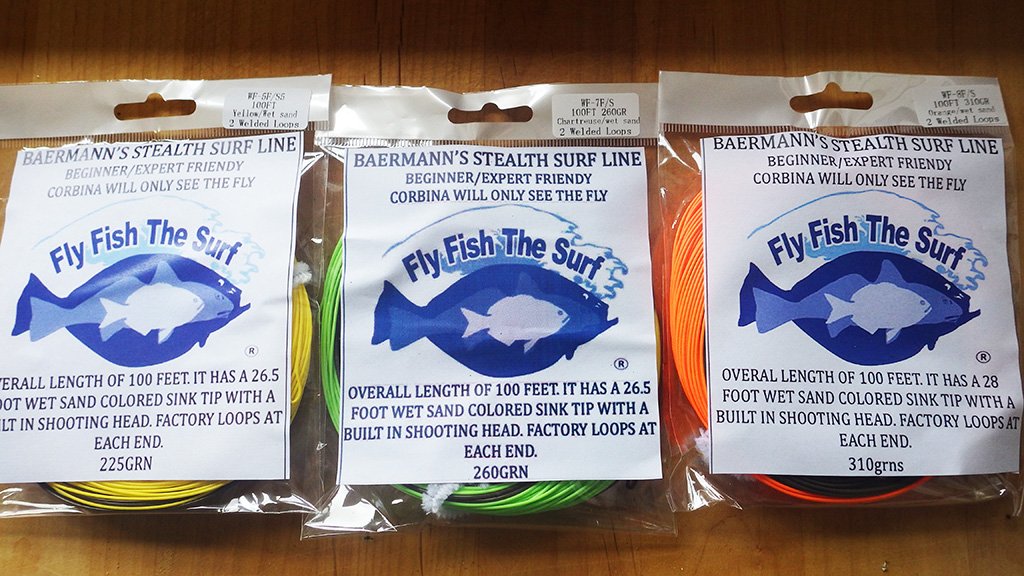
Fly Fish the Surf Fly Fish the Surf is a premier surf fly fishing guide service operating along the Southern California coast, from northern Los Angeles County through Ventura County and into southern Santa Barbara County. Led by Lee Baermann, who brings over 22 years of specialized experience to every outing, the service focuses on pursuing corbina and calico bass in dynamic coastal waters. Lee tailors each trip to match anglers' skill levels, whether they're picking up a fly rod for the first time or refining advanced techniques. All necessary equipment is provided, and guidance covers both tactical casting and the nuanced art of reading surf conditions. Beyond guided trips, Lee shares his expertise through seminars and presentations throughout Central and Southern California, helping anglers deepen their understanding of this specialized discipline.
Ventura County Sportfishing Club
Ventura, CA, US
4.6 (255 reviews)
The Ventura County Sportfishing Club (VCSC) is a non-profit organization dedicated to connecting fishing enthusiasts with exceptional saltwater experiences off the Southern California coast. Based in Ventura, VCSC specializes in targeting halibut, seabass, rockfish, and bluefin tuna through expertly-guided charter trips that cater to anglers of all skill levels. VCSC distinguishes itself through seasoned captains and crew committed to both successful fishing and genuine camaraderie on the water. Whether anglers prefer full-day excursions or immersive overnight charters, VCSC delivers quality service and memorable adventures in one of California's most productive fishing regions.
Ventura Sport Fishing
Ventura, CA, US
4.6 (255 reviews)
Ventura Sport Fishing Ventura Sport Fishing brings over 60 years of deep-sea expertise to the California coast. Operating modern, fully equipped sport boats including the Endeavor, Pacific Eagle, and Californian, they specialize in pursuing bass, rockfish, tuna, yellowtail, and sheephead in the dynamic waters surrounding the Channel Islands. Their fleet is designed for comfort and functionality, ensuring anglers can focus on what matters most—the catch. Whether anglers are just beginning their saltwater journey or bringing decades of experience, Ventura Sport Fishing welcomes all skill levels. They offer flexible trip options ranging from half-day outings to full-day and overnight excursions, allowing guests to choose the adventure that best suits their schedule and ambitions. With a commitment to memorable experiences and consistent access to productive fishing grounds, Ventura Sport Fishing stands as a premier destination for Southern California sport fishing.
Recommended Gear
Orvis Clearwater Fly Rod Outfit 8wt
Mid-tier — bonefish, redfish, baby tarpon ($400)
Sage Salt HD 8wt
Premium — purpose-built for saltwater flats ($950)
Redington Vice Combo 8wt
Entry level — starter saltwater outfit ($250)
Scientific Anglers Amplitude Bonefish Line
Hot-weather flats line ($50)
Clouser Minnow Chartreuse/White
Most versatile saltwater fly ($3)
Crazy Charlie White Size 6
The classic bonefish fly ($3)
Frequently Asked Questions
Can you fly fish in Channel Islands National Park?
Yes. The kelp forests surrounding the five Channel Islands hold calico bass (kelp bass), barracuda, bonito, rockfish, sheephead, and occasional yellowtail and white seabass. Calico bass are the primary fly-rod target — aggressive, structure-oriented predators that eat Clouser Minnows, Deceivers, and topwater poppers in the kelp edges and stringers. A California sport fishing license with ocean enhancement stamp is required.
What is the best time to fly fish Channel Islands National Park?
April through October is the prime season. Water temperatures warm into the 60s and low 70s, calico bass move into the upper water column for topwater action, and pelagic species like barracuda, bonito, and yellowtail arrive. October is considered the single best month — warm water, calm seas, aggressive fish, and fewer boats. Winter fishing (November-March) targets deeper calicos and rockfish on sinking lines.
What flies work best for calico bass in the Channel Islands?
Clouser Minnows in chartreuse/white and olive/white (#1/0-2) are the universal calico bass fly — they ride hook-point-up to avoid kelp snags. Lefty's Deceivers, EP Baitfish, and bendback patterns in baitfish colors cover subsurface fishing. For topwater, foam poppers and gurglers worked through openings in the kelp stringers draw explosive surface strikes. Weedless patterns (bendbacks, hook-point-up flies) are essential for fishing inside the kelp.
How do you get to Channel Islands National Park for fishing?
Access is by boat only from the mainland. Island Packers operates scheduled service from Ventura Harbor to all five islands. Channel Charter operations run fishing trips from Channel Islands Harbor in Oxnard and Ventura Harbor. Private fishing charters that understand fly fishing offer the best experience. Anacapa Island is the closest (11 miles, ~1 hour by boat) and most accessible for day trips.
Can you kayak fish the Channel Islands?
Yes. Kayak fishing is a unique Channel Islands experience, particularly at Santa Cruz Island's Scorpion Anchorage. Island Packers will transport kayaks on certain trips. Paddle along the coastline casting into kelp edges for calico bass from a sit-on-top kayak. This is advanced ocean kayaking — strong currents, wind, and open ocean conditions require experience, proper safety equipment (PFD, VHF radio), and respect for the marine environment.
Related Articles
Fly Fishing Puget Sound: Beach Fly Fishing for Sea-Run Cutthroat, Coho, and the Best Urban Fishery You've Never Heard Of
Thursday, December 4, 2025
Fly Fishing the Texas Coast: Sight-Casting to Redfish on the Flats, and Why It's the Best Saltwater Fly Fishing You've Never Tried
Monday, December 29, 2025
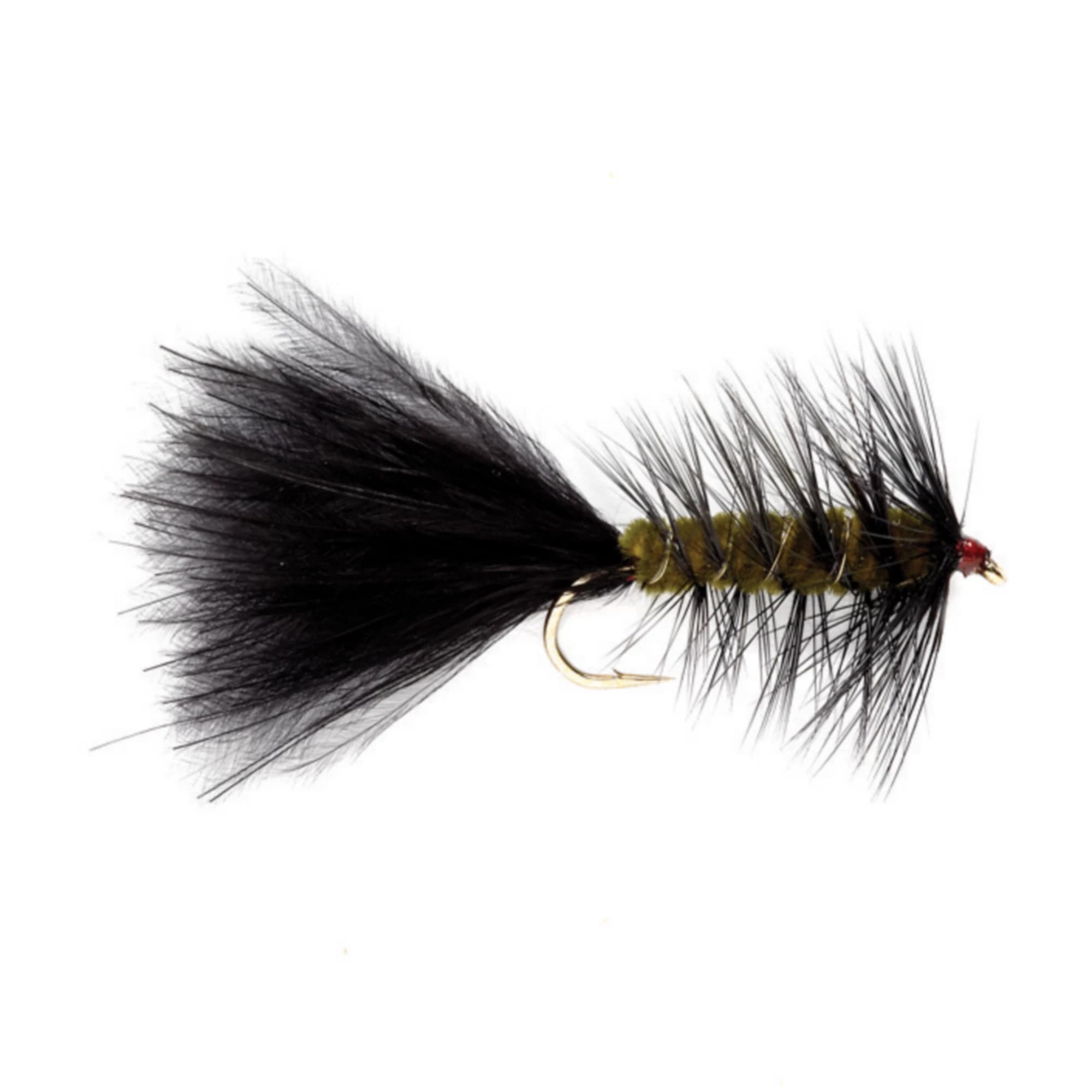
The Woolly Bugger: How to Tie the Fly That Catches Everything That Swims
Friday, April 17, 2026