Fly Fishing Virgin Islands National Park: Jacks, Barracuda, and a Fly Rod on a Caribbean Vacation
Virgin Islands National Park on St. John is not a fly-fishing destination. It is a Caribbean vacation destination where you happen to bring a fly rod. Jacks cruise every bay, barracuda patrol the reef edges, juvenile tarpon roll in the mangrove lagoons, and bonefish ghost across turtle-grass flats that most visitors walk right past on their way to the beach. Here is how to fish it — bay by bay, honestly, with the right expectations.
Let me be honest about something before we go any further. Virgin Islands National Park is not a fly-fishing destination in any meaningful sense of that phrase. It is not the Florida Keys, where the economy runs on guide boats and permit flies. It is not Biscayne National Park, where legitimate bonefish flats sit thirty minutes from Miami International Airport. It is not even Dry Tortugas, where migratory tarpon the size of grown men stage around a Civil War fortress each spring and justify chartering a boat seventy miles into the Gulf.
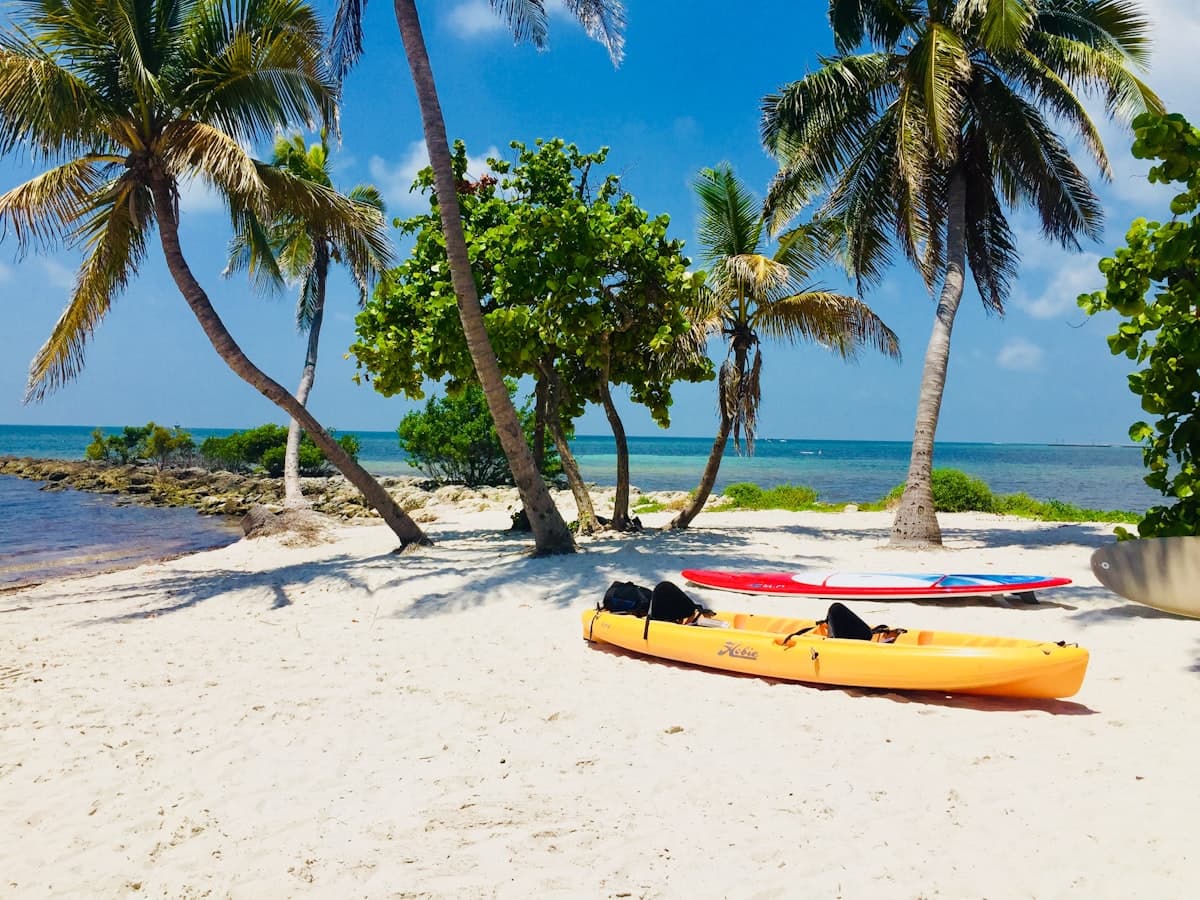
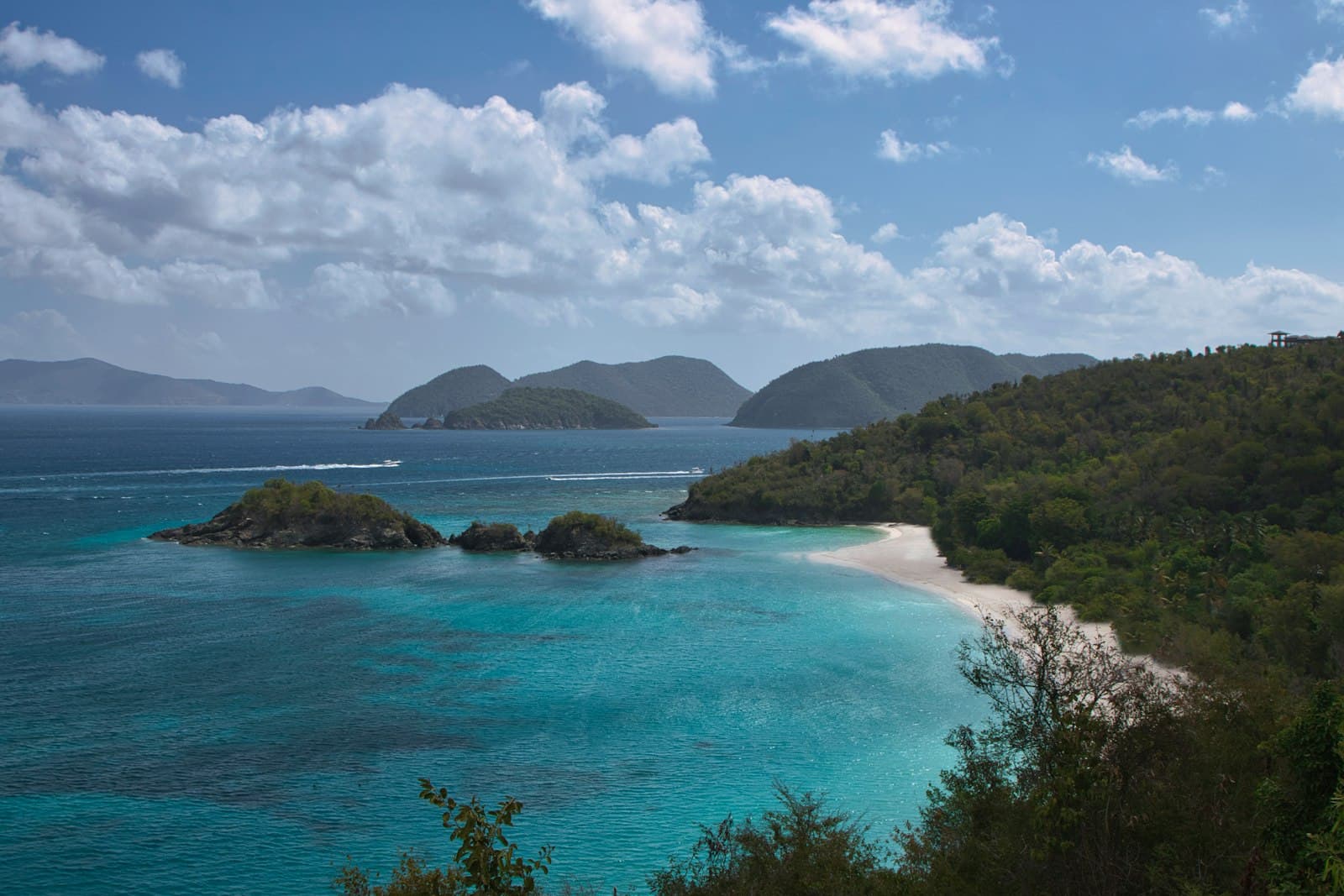
Virgin Islands National Park is a Caribbean vacation. It is white sand beaches and turquoise water and snorkeling and rum drinks and sunburn and the kind of relaxation that makes you forget what day of the week it is. Two-thirds of the island of St. John is national park land — 7,259 acres of steep volcanic hills covered in dry tropical forest, fringed by bays with water so clear you can count the spines on a sea urchin at fifteen feet. It is, by almost any measure, one of the most beautiful places in the national park system.
And if you bring a fly rod, you will catch fish.
Not trophy fish. Not the fish that make magazine covers or launch guiding careers. But real fish — jacks that hit like they are angry about something, barracuda that slash through baitfish schools against the reef edges, juvenile tarpon that roll in the mangrove lagoons at dawn, yellowtail snapper that will eat a Crazy Charlie drifted along a rocky point, and — if you are patient and lucky and willing to walk past the tourists to the far end of a bay — bonefish. Real bonefish, tailing on turtle-grass flats in water the temperature of a warm bath, in a national park where most people do not even know they exist.
This is the guide for the angler who is going to St. John anyway — for the family trip, the honeymoon, the week of doing absolutely nothing — and wants to know what to bring, where to go, and what to expect when the rest of the group is still asleep and the light is right and the water is flat and there is nobody on the beach but you and whatever is swimming in the shallows.
Getting There — Cruz Bay and the Ferry
There is no airport on St. John. You fly into Cyril E. King Airport on St. Thomas (STT), take a taxi to Red Hook on the east end of St. Thomas, and catch the passenger ferry to Cruz Bay on St. John. The ferry runs every hour, takes about twenty minutes, and costs $7 each way. Car ferries run from Red Hook as well, but most visitors rent vehicles on St. John rather than bringing one from St. Thomas — the island is small, the roads are steep and narrow, and you drive on the left (a vestige of Danish colonial rule that persists despite the islands being a U.S. territory since 1917).
Cruz Bay is the only real town on St. John. It is where the ferries dock, where the National Park Service visitor center sits, where the restaurants and bars and shops are, and where you will orient yourself before heading into the park. The visitor center is worth a stop — the rangers can tell you about current conditions, trail closures, and — if you ask — where people have been seeing fish.
From Cruz Bay, North Shore Road runs east along the coast through the heart of the park, passing the bays that are both the island's main attractions and your primary fishing water: Caneel Bay, Hawksnest Bay, Trunk Bay, Cinnamon Bay, Maho Bay, Francis Bay, and Leinster Bay. Centerline Road runs along the ridge to Coral Bay on the east side of the island, where the vibe is quieter, the development is thinner, and the south-shore bays — Reef Bay, Lameshur Bay, Salt Pond Bay — offer more solitude and different fishing.
The Honest Assessment — What You Are Working With
The species list for Virgin Islands National Park reads better on paper than it fishes in practice. Here is the truth about each one:
Jacks — crevalle jack, bar jack, horse-eye jack, blue runner — are the most reliable fly-rod target in the park. They are present in every bay, they feed aggressively, they hit flies without much persuasion, and they fight well above their weight class. A three-pound bar jack on a 7-weight in knee-deep Caribbean water is a genuinely fun fish. A ten-pound crevalle jack on the same rod is a genuinely serious fish. Jacks are the reason to bring the fly rod. They will not disappoint you.
Barracuda are everywhere. Singles and small packs cruise the reef edges, the points between bays, and the deeper water along rocky shorelines. They are not hard to find — you will see them while snorkeling, while swimming, while wading the shallows with a fly rod. Getting them to eat is another matter. Barracuda want speed and flash — a long Lefty's Deceiver or needlefish pattern stripped as fast as you can move your hand will draw strikes. A slow retrieve gets ignored. Wire tippet is mandatory — barracuda teeth sever fluorocarbon without effort.
Yellowtail snapper hold around structure — rocky points, reef edges, dock pilings, submerged boulders. They are aggressive feeders and will eat a small Crazy Charlie or shrimp pattern drifted in the current. They are not large — a two-pounder is a good one — but they are plentiful and cooperative when other species are not.
Juvenile tarpon are present in the mangrove-fringed lagoons and bays on the north shore, particularly around Francis Bay and Leinster Bay. These are small fish — one to ten pounds, occasionally larger — rolling in the shallows at dawn and dusk. They are not the hundred-pound migratory tarpon of the Dry Tortugas or the Florida Keys. They are juveniles using the mangrove nursery habitat that tarpon depend on throughout the Caribbean. But a five-pound tarpon on a 7-weight, jumping and tail-walking in a mangrove lagoon as the sun comes up over the British Virgin Islands across the channel — that is a memory worth making.
Bonefish are the species that will break your heart. They are here. They have been documented on the turtle-grass flats at Leinster Bay, in the lagoon at Reef Bay, and on scattered flats around the island. But this is not a bonefish fishery in any productive sense. The fish are few, the flats are small, the access often requires hiking, and the fish are pressured by the handful of local guides who know where they are. If you see a bonefish on a St. John flat, consider it a gift. If you catch one, you have accomplished something that most visiting anglers never will. Do not come to St. John expecting to catch bonefish. Come expecting jacks and barracuda, and let the bonefish be a surprise.
Permit are theoretically present — they have been spotted on coral rubble flats and near reef edges — but catching one on fly from shore at Virgin Islands National Park would be an achievement bordering on miraculous. File this under "things that could happen but almost certainly will not."
Leinster Bay — The Best Fly-Fishing Water in the Park
Leinster Bay, at the eastern end of the north shore road, is the closest thing to a legitimate fly-fishing flat in Virgin Islands National Park. The bay is protected from the prevailing easterly trade winds by the Mary Point peninsula, creating relatively calm water over a bottom of turtle grass, sand patches, and coral rubble. The Annaberg Sugar Plantation ruins — one of the park's most popular historical sites — sit at the western entrance to the bay, and the Leinster Bay Trail follows the shoreline east toward Waterlemon Cay.
Park at the Annaberg lot and walk the trail east. The flat extends along the south shore of the bay — shallow water over turtle grass with sandy channels between the grass beds. This is where bonefish have been reported, and this is where you have the best chance of encountering them. But even if the bones do not show, the flat holds bar jacks, yellowtail snapper, and needlefish, and barracuda patrol the deeper water along the edges.
Waterlemon Cay, the small island at the eastern end of the bay, is a popular snorkeling destination. The water between the cay and the shore is shallow — wadeable at low tide — and the current that flows through this gap concentrates baitfish and attracts jacks and barracuda. This is the single best piece of fly-fishing structure in the park. Fish the outgoing tide, when water pulling through the gap creates a current seam that predators use as an ambush lane. A Clouser Minnow in chartreuse and white, cast up-current and stripped through the seam, will find jacks.
The west side of Leinster Bay, near the Annaberg ruins, has deeper water along a rocky shoreline. This is barracuda territory. Long casts parallel to the shore with a needlefish pattern or a white Deceiver stripped fast produce follows and strikes. Early morning is best — the barracuda cruise the shallows before the snorkelers arrive and push them to deeper water.
Timing: Arrive at the Annaberg lot before 7:00 AM. The trail is short — ten minutes to the flat. Fish the last two hours of the outgoing tide for the best water movement through the Waterlemon gap. By 9:00 AM the snorkelers begin arriving and the wading pressure pushes fish off the flat.
Maho Bay — Jacks in the Shallows
Maho Bay is the gentlest beach on the north shore — a long crescent of sand with a gradual slope into calm, shallow water. It is famous for sea turtles — green turtles graze on the seagrass beds in the bay, and snorkelers come specifically to swim with them. The turtles are protected (it is a federal offense to harass, touch, or disturb them), and you will share the water with turtle-watchers throughout the day.
The fly fishing at Maho is early morning, before the beach fills. Bar jacks and blue runners work the edges of the seagrass beds at dawn, chasing small baitfish in the shallows. A Clouser Minnow or small Deceiver cast along the grass edges and stripped in short, quick pulls will draw strikes. The jacks here are not large — one to three pounds — but they are willing, and the setting is absurd: you are standing in bathwater-warm Caribbean sea, casting to fish that are finning through turtle grass while green sea turtles the size of coffee tables graze ten yards away.
The north end of Maho Bay transitions into Francis Bay, and the rocky point between the two bays holds barracuda. Wade the point at low tide and cast needlefish patterns or long Deceivers along the rocks. The barracuda here are residents — they hold in the same spots day after day, and if you find one, it will likely be there tomorrow.
Topwater flies — small poppers and gurglers — produce explosive surface strikes from jacks in the early morning at Maho. The sight of a bar jack blowing up a popper in two feet of crystal-clear water over white sand is worth getting up for.
Francis Bay — Mangroves and Tarpon
Francis Bay is where the north shore turns wild. The bay is bordered on its south side by a mangrove wetland — the Francis Bay Trail loops through the mangroves on a boardwalk — and the shallow water along the mangrove edge is the best juvenile tarpon habitat on the north shore.
The tarpon use the mangrove roots as cover, feeding on small baitfish and shrimp in the root systems and rolling in the open water of the bay at dawn and dusk. You will hear them before you see them — the distinctive gulping roll of a tarpon breathing at the surface is unmistakable once you know it. Look for the silver flash in the low-angle light.
Fish the mangrove edge on an incoming tide. The rising water pushes baitfish into the root systems and the tarpon follow. A small Clouser Minnow in chartreuse and white — sizes 2-4, lightly weighted — cast tight to the mangrove roots and stripped slowly is the play. The tarpon here are juveniles — expect fish from one to eight pounds, occasionally larger — and they will jump. Every single one of them will jump. A small tarpon hooked on a 7-weight in a mangrove lagoon at sunrise is one of the purest experiences in saltwater fly fishing.
The open water of Francis Bay also holds jacks, and the reef edge on the north side of the bay has barracuda. A morning at Francis Bay can produce three species without moving more than a hundred yards.
Access: Park at the Francis Bay parking area at the end of the road past Maho Bay. The beach is a short walk. Wade left (south) toward the mangrove edge for tarpon, or right (north) along the reef edge for barracuda and jacks.
Lameshur Bay — The South Shore and Solitude
The south shore of St. John is wilder, quieter, and less visited than the north shore. The road to Lameshur Bay is unpaved, steep, and rough — a four-wheel-drive vehicle is recommended, and after heavy rain it can be impassable. The reward for the drive is solitude. On a weekday morning, you may have the entire bay to yourself.
Greater Lameshur Bay and Little Lameshur Bay are separated by a rocky point. The bottom is a mix of coral rubble, sand, and seagrass, with deeper water along the rocky shorelines. The fishing is similar to the north-shore bays — jacks, barracuda, yellowtail snapper — but the reduced human pressure means the fish are less spooky and more willing to eat.
The rocky point between the two bays is excellent barracuda water. The current flows around the point on tidal changes, creating eddies and current seams where barracuda hold and ambush. Cast a needlefish pattern or a long white Deceiver into the current seam and strip fast. The barracuda here can be large — four-foot fish are not uncommon — and they hit with a violence that will test your wire tippet and your nerves.
The VIERS research station (Virgin Islands Environmental Resource Station) sits on the shore of Lameshur Bay. Researchers from universities across the country work here, studying the marine environment. The presence of the research station means the reefs and flats around Lameshur are among the most closely monitored in the Caribbean — and the fishing, while not managed differently from the rest of the park, benefits from the overall health of the ecosystem.
Salt Pond Bay, accessible via a short hike from the Salt Pond parking area on the south shore road, offers similar fishing with an added bonus: the rocky shoreline on the east side of the bay drops quickly into deeper water, and Clouser Minnows fished along this edge pick up larger jacks and occasional mutton snapper.
The Fly Box — What to Bring
The fly selection for Virgin Islands National Park is simple. You are fishing clear, warm, shallow saltwater for predatory species that eat baitfish, shrimp, and crabs. The flies that work in the Florida Keys, at Biscayne, and across the Caribbean work here.
Jacks and General Predators
Clouser Minnow — the single most important fly you will carry. Chartreuse and white in sizes 1/0-4, with lead eyes heavy enough to sink in the current but light enough to fish in two feet of water without snagging coral. The Clouser imitates every small baitfish in the Caribbean, it casts well in the wind, it sinks to the fish's level, and it catches everything. If you bring one fly pattern to St. John, bring Clousers.
Lefty's Deceiver — white, chartreuse/white, or all-white in sizes 1/0-2. The Deceiver pushes more water than a Clouser and has a larger profile, which draws jacks and barracuda from farther away. Strip it fast for barracuda, slower for jacks and snapper.
Saltwater topwater flies — small poppers and gurglers in sizes 2-6, white or chartreuse. Dawn and dusk only. The surface explosions from jacks on poppers in gin-clear Caribbean water are worth the entire trip.
Barracuda
Needlefish patterns — six to eight inches of synthetic fiber on a long-shank hook, in white, chartreuse, or pink. The long, slim profile imitates the needlefish and ballyhoo that barracuda eat. Strip as fast as you physically can — barracuda want speed. If you think you are stripping too fast, strip faster.
Long Deceivers in white or chartreuse — six to eight inches. The same fly you would throw at barracuda at Dry Tortugas or in the Keys. Wire tippet. No exceptions.
Tarpon (Juvenile)
Small Clouser Minnows in chartreuse/white or tan/white — sizes 2-4, lightly weighted. The juvenile tarpon in the mangrove lagoons eat small baitfish and shrimp, and a small Clouser fished slowly along the mangrove roots is the most consistent producer.
Saltwater shrimp flies in tan or pink — sizes 4-6. Shrimp are a primary food source in the mangrove ecosystem, and a realistic shrimp pattern dead-drifted or slowly stripped along the roots produces tarpon that are actively feeding rather than just cruising.
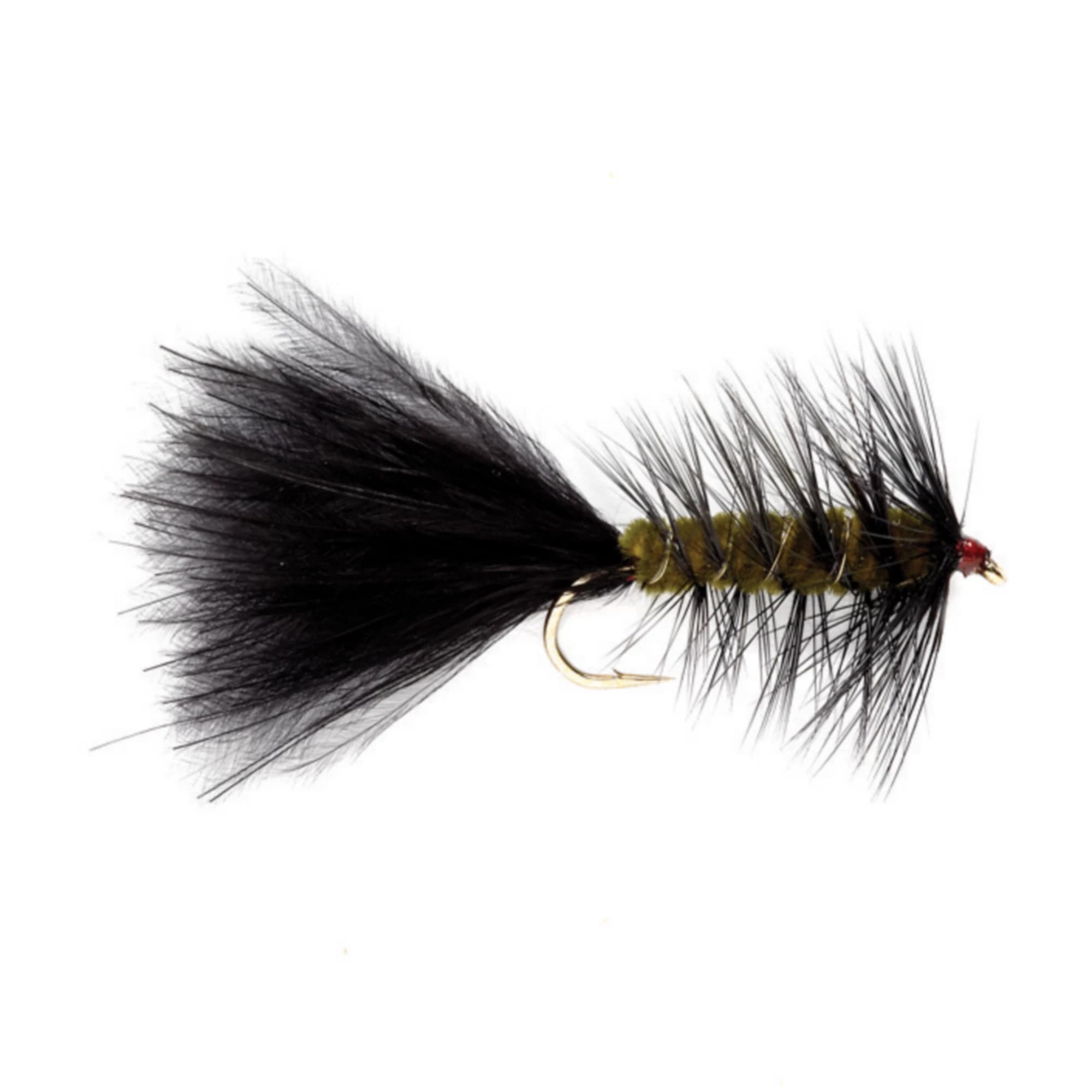
Small Woolly Buggers in black or olive — sizes 4-6. Not the classic saltwater choice, but the Bugger's marabou tail breathes and pulses in the current, and juvenile tarpon eat it. Fish it slowly with short strips and long pauses near mangrove structure.
Bonefish (If You Are Lucky)
Gotcha — the classic Bahamian bonefish fly. Pink or tan body, flash wing, bead-chain eyes. Sizes 4-6. The Gotcha and its cousin the Crazy Charlie are the foundation of any Caribbean bonefish box. Cast ahead of a tailing or cruising fish, let it sink to the bottom, and strip slowly. The bonefish either eats or it does not.
Crazy Charlie — tan, pink, or chartreuse, sizes 4-8. Charlie Smith's creation from the Bahamas, designed specifically for clear-water bonefish on turtle-grass flats. The bead-chain eyes tick along the bottom and the flash wing provides just enough visibility without spooking the fish.
Saltwater shrimp flies in tan or olive — sizes 4-6. Realistic shrimp patterns work when the fish are feeding on crustaceans in the grass. Small, sparse, natural-colored. No flash.
Snapper
Small Crazy Charlies or shrimp patterns in sizes 4-8, fished around structure — rocky points, dock pilings, reef edges. Yellowtail snapper are opportunistic feeders, and a small fly drifted in the current near structure produces consistently.
The Gear — Tropical Minimalism
You are on a Caribbean vacation. You are not going to bring a quiver of rods and a suitcase full of reels. Here is the minimum effective loadout:
One rod: 7-weight, 9 feet, fast action. The 7-weight is the Swiss Army knife of Caribbean shore fishing. It handles everything you will encounter at Virgin Islands National Park — jacks, barracuda, juvenile tarpon, bonefish, snapper. It has enough backbone to fight a ten-pound jack, enough delicacy to present a Crazy Charlie to a bonefish, and enough power to push a Deceiver into the trade winds. An 8-weight works if that is what you own. A 6-weight is light for barracuda but fine for everything else.
Reel: Any quality saltwater reel with a sealed drag and at least 100 yards of backing. You are not going to hook a fish that runs 200 yards. You are going to hook fish that make fast, powerful runs of 30 to 80 yards, and the reel needs to handle that without failing in the salt and heat.
Line: Weight-forward floating, tropical taper. Standard cold-water fly lines will turn to limp spaghetti in 85-degree Caribbean heat. Bring a line rated for warm water — the core is stiffer and the coating does not soften. If you do not own a tropical line, buy one. It is the single most important gear decision for Caribbean fly fishing.
Leaders: 9-foot tapered leaders to 12-16 pound fluorocarbon for jacks, snapper, and bonefish. Add 12 inches of #3 single-strand wire for barracuda — tie it directly to the fly with a haywire twist, and connect to the fluorocarbon tippet with an Albright knot. For tarpon, a short section of 30-pound fluorocarbon as a bite tippet handles the juvenile fish you will encounter here.
Footwear: Hard-soled wading boots or flats booties. The bottom is coral rubble, sea urchins, and turtle grass over volcanic rock. Do not wade barefoot. Do not wade in flip-flops. One step on a sea urchin or a piece of fire coral will end your fishing for the trip.
Sun protection: Long sleeves, sun gloves, buff, wide-brimmed hat, SPF 50+ reef-safe sunscreen. The USVI is at 18 degrees north latitude. The sun is directly overhead at noon. Reflected UV off the white sand and clear water hits you from every angle. This is not optional.
Regulations — What the Park Service Says
Fishing regulations at Virgin Islands National Park are straightforward but important:
No fishing license required. The US Virgin Islands do not require a recreational fishing license. This is one of the few places in the national park system where you can fish without any permit or license.
Trunk Bay and Jumbie Bay are closed to fishing. These are designated swim areas. Do not fish them. Do not even carry fishing equipment on the beach at Trunk Bay — the rangers will have a conversation with you.
No spearfishing. Spearfishing equipment must be dismantled and stowed in all National Park and National Monument waters. This includes Hawaiian slings and pole spears. Fly fishing is fine.
Tarpon and bonefish are catch and release only. Hook and line only. This aligns with your fly-fishing intentions, but it is federal regulation, not suggestion.
Nassau grouper and goliath grouper are fully protected. You cannot keep them under any circumstances. Release immediately if hooked.
Coral Reef National Monument waters — the offshore areas south of St. John — are closed to recreational fishing except by NPS permit on designated moorings. You are unlikely to encounter this restriction while shore fishing, but if you hire a boat, the boundaries matter.
Do not touch, harass, or disturb sea turtles. They will be in the water with you. They are protected under the Endangered Species Act. Keep your distance, do not cast over them, and do not let your fly line contact them.
Ciguatera warning: Large barracuda (over three feet) and certain reef fish in the Virgin Islands can carry ciguatera toxin. This is not a catch-and-release concern for fly anglers, but if you are keeping fish for food (snapper, for example), ask local knowledge about which species and sizes are safe to eat.
The Seasonal Calendar — When to Fish
Winter (December-April) — High Season, Best Fishing Conditions
The dry season. Air temperatures in the low to mid 80s. Water temperatures 78-82°F. The trade winds blow steadily from the east at 10-20 knots — enough to cool you down but not so much that casting is impossible on protected bays. This is peak tourist season on St. John, so the beaches are crowded by mid-morning, but the early morning fishing windows before 8:00 AM are reliable.
Jacks are active year-round, but winter sees the most consistent baitfish concentrations in the bays, which keeps the jacks close to shore. Barracuda are present and aggressive. Bonefish, if you find them, are most likely to be on the flats during the calmer winter conditions.
Summer (May-November) — Off-Season, More Fish, More Risk
The wet season. Temperatures climb into the upper 80s and low 90s, with afternoon rain showers that blow through fast. Humidity is high. Hurricane season runs June through November, and the Virgin Islands are squarely in the hurricane belt — do not book a trip during peak hurricane season (August-October) without trip insurance and flexibility.
The trade-off for the heat and the hurricane risk is better fishing. Juvenile tarpon are more numerous and more active in the warmer months, particularly in the mangrove lagoons at Francis Bay and Leinster Bay. The bays are less crowded with tourists, which means less wading pressure on the flats. The baitfish are larger and more concentrated, drawing bigger jacks and more barracuda to the shallows.
The summer afternoon rain showers actually improve the fishing. The runoff pushes freshwater and nutrients into the bays, stirring up baitfish and triggering feeding activity. Fish the hour after a rain shower passes — the barracuda and jacks go on a feeding tear.
How Virgin Islands National Park Fits — The Caribbean Comparison
Virgin Islands National Park is the only Caribbean national park in the system (excluding the Dry Tortugas, which is geographically Caribbean but administratively Florida). It offers a fundamentally different fly-fishing experience from every other park in this series.
The closest comparisons are the saltwater national parks of Florida. Biscayne has better bonefish and permit. Everglades has more tarpon, more snook, more redfish, and more fishable water than you could cover in a lifetime. Dry Tortugas has the tarpon migration and the fortress and the expedition-grade remoteness. The Florida Keys have the most developed saltwater fly-fishing infrastructure in the world — guides, fly shops, flats boats, decades of accumulated knowledge about tides and fish behavior.
Virgin Islands National Park has none of that infrastructure and none of that productivity. What it has is beauty. The water is clearer than anything in Florida. The coral is healthier. The bays are more dramatic — steep volcanic hillsides covered in tropical forest dropping to white sand beaches and turquoise water. The snorkeling is world-class. The hiking is excellent. The rum is cheap. And there are fish in the shallows for anyone willing to get up early and bring a fly rod.
The Hawaii bonefish and trevally fishery is perhaps the closest analog — another tropical destination where fly fishing is a secondary activity layered onto a vacation that would be worth taking even if you never picked up a rod. The trevally fishing in Hawaii is better than the jack fishing in the USVI (giant trevally are a different class of fish), and the Hawaiian bonefish are more numerous and more accessible. But the Caribbean vibe — the small-island culture, the easy pace, the trade-wind afternoons — is something St. John does better than anywhere.
Channel Islands National Park shares the remote, boat-access character (though St. John is reached by a twenty-minute ferry, not a four-hour crossing), and both parks reward the angler who brings a rod to a destination that nobody associates with fly fishing.
The bottom line: do not plan a fly-fishing trip to Virgin Islands National Park. Plan a Caribbean vacation to St. John, bring a 7-weight, stuff a box of Clousers and Deceivers and Crazy Charlies into your luggage, and get up early. The fishing will not make the highlight reel of your angling career. But the morning you spend wading a flat at Leinster Bay with the sun coming up over Tortola and a bar jack exploding on a popper in water the color of blue glass — that morning will stay with you longer than most of the technically superior fishing you have done anywhere else.
Top Fishing Guides in Cruz Bay
Wade the turtle-grass flats at Leinster Bay and Francis Bay for bar jacks, barracuda, and juvenile tarpon that eat Clousers and Crazy Charlies in Caribbean water the color of blue glass. This is vacation fly fishing — bring a 7-weight, get up early, and fish the bays before the snorkelers arrive.
Palm Tree Charters
Cruz Bay, VI, US
5.0 (38 reviews)
Palm Tree Charters Palm Tree Charters specializes in custom private fishing adventures throughout the US and British Virgin Islands, with deep expertise in the waters surrounding St. John and St. Thomas. With more than two decades of professional experience, the guide brings extensive local knowledge and a thoughtful approach to creating memorable days on the water. The operation runs a fleet of stable power catamarans designed for comfort and smooth cruising. Trips are tailored to each guest's preferences and may include snorkeling, swimming, and visits to scenic island locations alongside fishing opportunities. Whether clients seek a relaxing escape or an active exploration of island waters, Palm Tree Charters delivers a personalized experience that balances adventure with comfort.
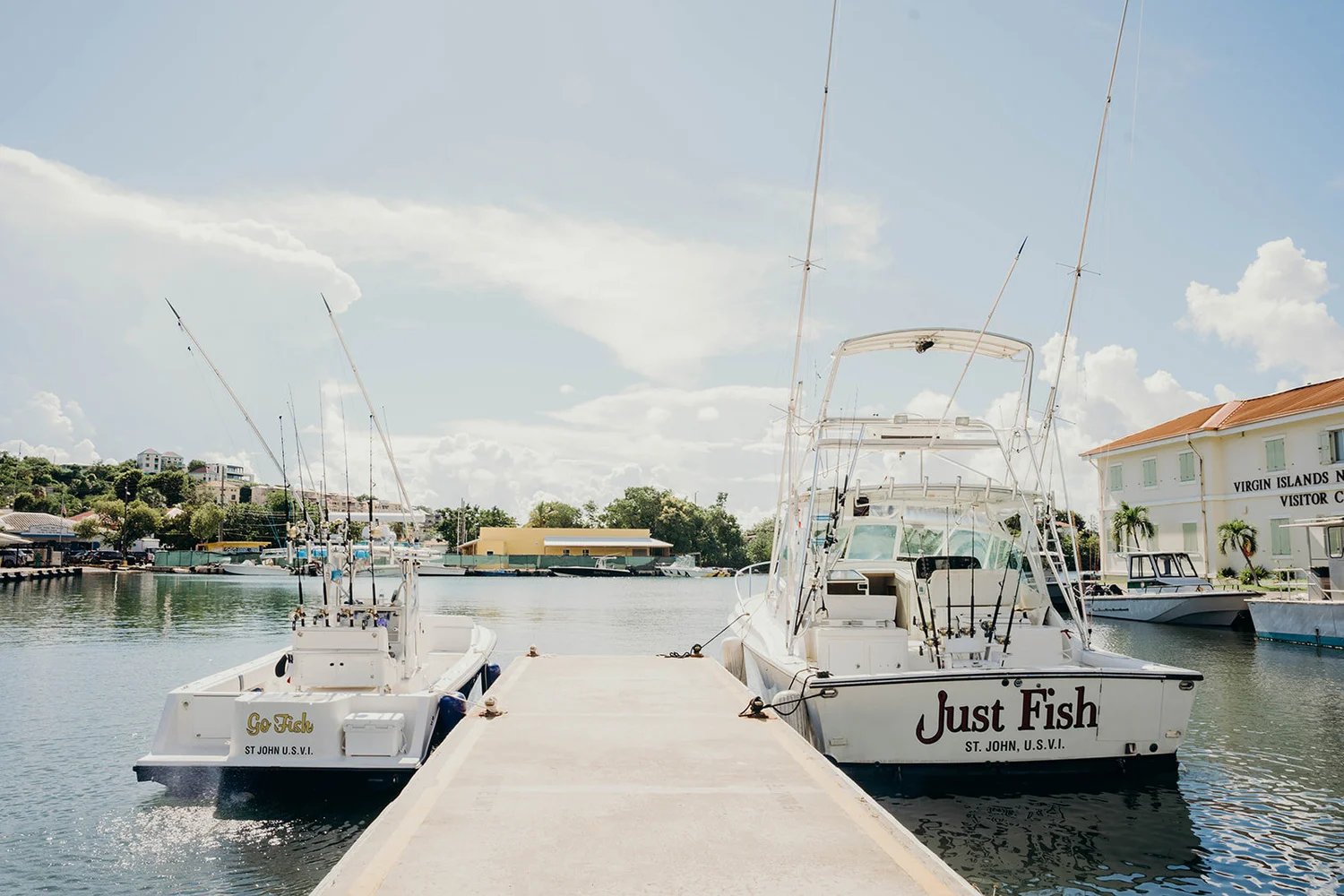
Just Fish St. John
Cruz Bay, VI, US
4.8 (56 reviews)
Just Fish St. John Just Fish St. John is a premier fishing charter service operating in the pristine waters of the Virgin Islands. Led by Captain Josh, the company specializes in both inshore and offshore fishing adventures, targeting prized big game species including Blue Marlin, White Marlin, Sailfish, Yellowfin Tuna, Mahi-Mahi, and Wahoo. Anglers of all skill levels—from first-time fishermen to experienced veterans—will find a welcoming home aboard the 42' Liberty custom express vessel. The boat features comfortable seating and top-of-the-line fishing gear, ensuring a productive and enjoyable day on the water. Whether seeking a half-day excursion or a full-day expedition, guests can expect professional guidance and an unforgettable experience in one of the Caribbean's most exceptional fishing destinations.
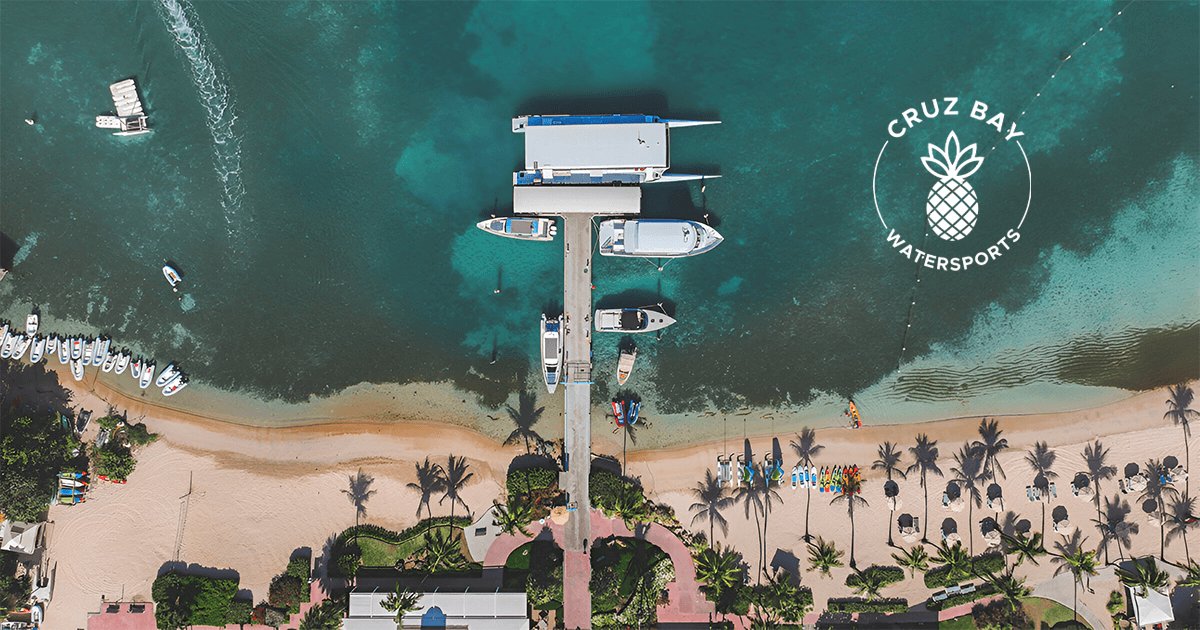
Cruz Bay Watersports
Cruz Bay, VI, US
Cruz Bay Watersports brings three decades of island expertise to the crystal-clear waters surrounding St. Thomas and St. John in the US Virgin Islands. Operating a fleet of premium vessels, including luxurious yachts and nimble Axopars, the company specializes in crafting personalized private charters tailored to each guest's vision of the perfect day on the water. Beyond fishing, Cruz Bay Watersports offers a full range of watersports experiences, from snorkeling expeditions to sunset sails throughout the USVI and BVI. Their seasoned crews combine local knowledge with attentive, personalized service, ensuring every outing captures the natural beauty and adventure the islands are known for.
Rocknrolla St John Boat Charters
Cruz Bay, USVI, US
Rocknrolla St John Boat Charters brings two decades of local expertise to private boat excursions throughout the U.S. and British Virgin Islands. The operation specializes in personalized charters designed for couples and small groups seeking intimate access to secluded, boat-only destinations around St. John and the surrounding islands. This charter service stands apart through its deep knowledge of the region and commitment to crafting tailored experiences that showcase the islands' finest waters and hidden gems. Whether guests are seeking relaxation, exploration, or adventure, Rocknrolla St John Boat Charters delivers memorable days on the water with the attention and local insight that only decades of experience can provide.
Recommended Gear
Orvis Clearwater Fly Rod Outfit 8wt
Mid-tier — bonefish, redfish, baby tarpon ($400)
Sage Salt HD 8wt
Premium — purpose-built for saltwater flats ($950)
Redington Vice Combo 8wt
Entry level — starter saltwater outfit ($250)
Scientific Anglers Amplitude Bonefish Line
Hot-weather flats line ($50)
Clouser Minnow Chartreuse/White
Most versatile saltwater fly ($3)
Crazy Charlie White Size 6
The classic bonefish fly ($3)
Frequently Asked Questions
Can you fly fish at Virgin Islands National Park?
Yes. Fly fishing is permitted throughout most of Virgin Islands National Park on St. John. No fishing license is required in the US Virgin Islands. Trunk Bay and Jumbie Bay are closed to fishing as designated swim areas. Spearfishing is prohibited in all park waters. Tarpon and bonefish are catch and release only. The best fly-fishing bays are Leinster Bay, Francis Bay, Maho Bay, and Lameshur Bay on the south shore.
What fish can you catch fly fishing on St. John, USVI?
The most reliable fly-rod targets are jacks (bar jack, crevalle jack, blue runner), barracuda, and yellowtail snapper. Juvenile tarpon are found in mangrove lagoons at Francis Bay and Leinster Bay, particularly in the warmer months. Bonefish are present on turtle-grass flats at Leinster Bay and Reef Bay but are few in number and difficult to find. Permit have been spotted but are extremely rare on fly from shore.
What flies work best for saltwater fishing at Virgin Islands National Park?
Clouser Minnows in chartreuse/white (sizes 1/0-4) are the most versatile fly for all species. Lefty's Deceivers and needlefish patterns for barracuda. Crazy Charlies and Gotcha patterns for bonefish. Small shrimp patterns and lightly weighted Clousers for juvenile tarpon near mangroves. Saltwater poppers and gurglers for surface-feeding jacks at dawn.
What gear do you need for fly fishing at Virgin Islands National Park?
A single 7-weight or 8-weight rod covers all species. Use a tropical-taper floating line rated for warm water — standard cold-water lines soften in the 85-degree Caribbean heat. Leaders tapered to 12-16 pound fluorocarbon for most species, with wire tippet for barracuda. Hard-soled wading boots are essential — the bottom is coral rubble and sea urchins. Full sun protection is mandatory at 18 degrees north latitude.
When is the best time to fly fish at Virgin Islands National Park?
Winter (December-April) offers the best overall conditions: moderate trade winds, comfortable temperatures, and calm water on protected bays. Summer (May-November) has more juvenile tarpon activity and fewer tourists but brings hurricane risk and intense heat. Regardless of season, the best fishing is early morning before 8 AM, before beach visitors arrive and push fish off the shallow flats.