
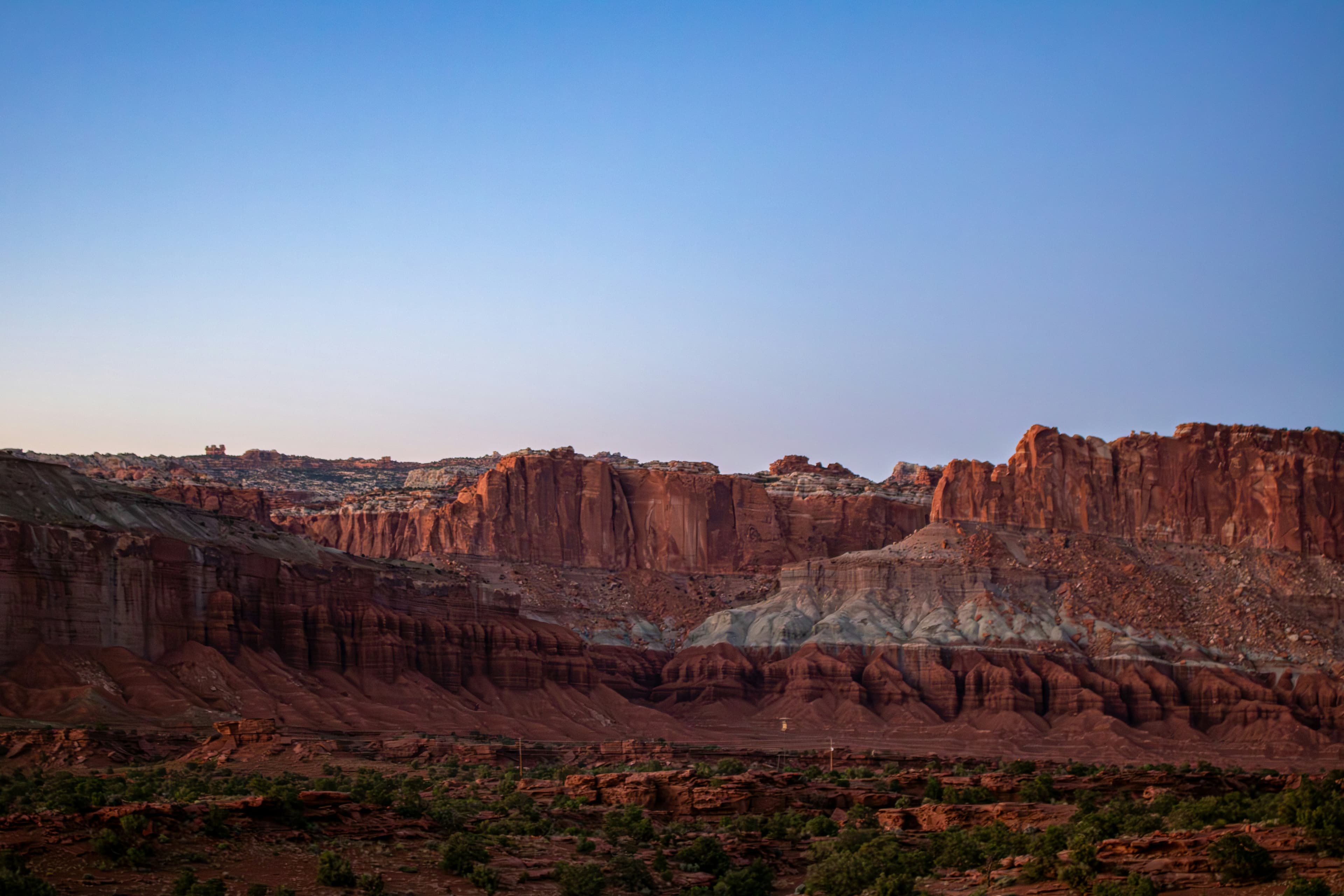
Fly Fishing Capitol Reef National Park: The Fremont River, Boulder Mountain, and the Quiet Heart of Utah's Red Rock
Capitol Reef is the least visited of Utah's Mighty Five national parks — and the Fremont River runs right through it along Highway 24, holding small wild brown trout beneath red sandstone walls. Boulder Mountain nearby has 80+ alpine lakes full of brook and cutthroat trout. Pick cherries in the Fruita orchards, then fish the river at dusk. This is the guide.

Most people drive through Capitol Reef on their way to somewhere else. They are on the loop between Bryce Canyon and Arches, or they are headed to Lake Powell, or they are doing the Mighty Five circuit and Capitol Reef is the one they know the least about. They pull off Highway 24 at the visitor center, look at the Waterpocket Fold for ten minutes, take a photo of the Fruita schoolhouse, and get back in the car. By the time they reach Hanksville an hour later, they have already forgotten the name of the park.
This is the best thing that ever happened to Capitol Reef.
The park receives roughly one million visitors per year — less than half of what Zion gets, a fraction of Arches or Bryce Canyon. On a Tuesday in May, you can drive the scenic road and see three other cars. On a Saturday in September, you can hike Grand Wash and pass six people. The campground at Fruita, one of the most beautifully situated campgrounds in the National Park system, fills up in peak season but empties quickly in shoulder months. Capitol Reef is the park that rewards people who do not need to be told where to go.
And here is what almost none of those visitors know: the Fremont River — the same river that carved the canyons they drove through to get here — holds wild brown trout. The river flows right along Highway 24 through the heart of the park, accessible to anyone willing to scramble down a bank and wade in. The fish are not large. Most are six to twelve inches. But they are wild, they are beautiful against the red Wingate sandstone, and they are yours alone. In three days of fishing the Fremont through Capitol Reef, you might not see another angler.
The Waterpocket Fold — Why This Place Exists
Before the fishing, you need to understand the geology, because the geology explains why the Fremont River is here and why the trout are the way they are.
Capitol Reef National Park exists because of the Waterpocket Fold — a nearly 100-mile wrinkle in the earth's crust where the western side of the fold was pushed roughly 7,000 feet higher than the eastern side. This happened between 50 and 70 million years ago during the Laramide orogeny, the same tectonic event that built the Rocky Mountains. The fold itself was buried under younger rock for millions of years. Then the Colorado Plateau began to rise, erosion stripped the younger layers away, and the Waterpocket Fold was exposed — nearly 200 million years of layered sedimentary rock tilted on edge like the spine of an opened book.
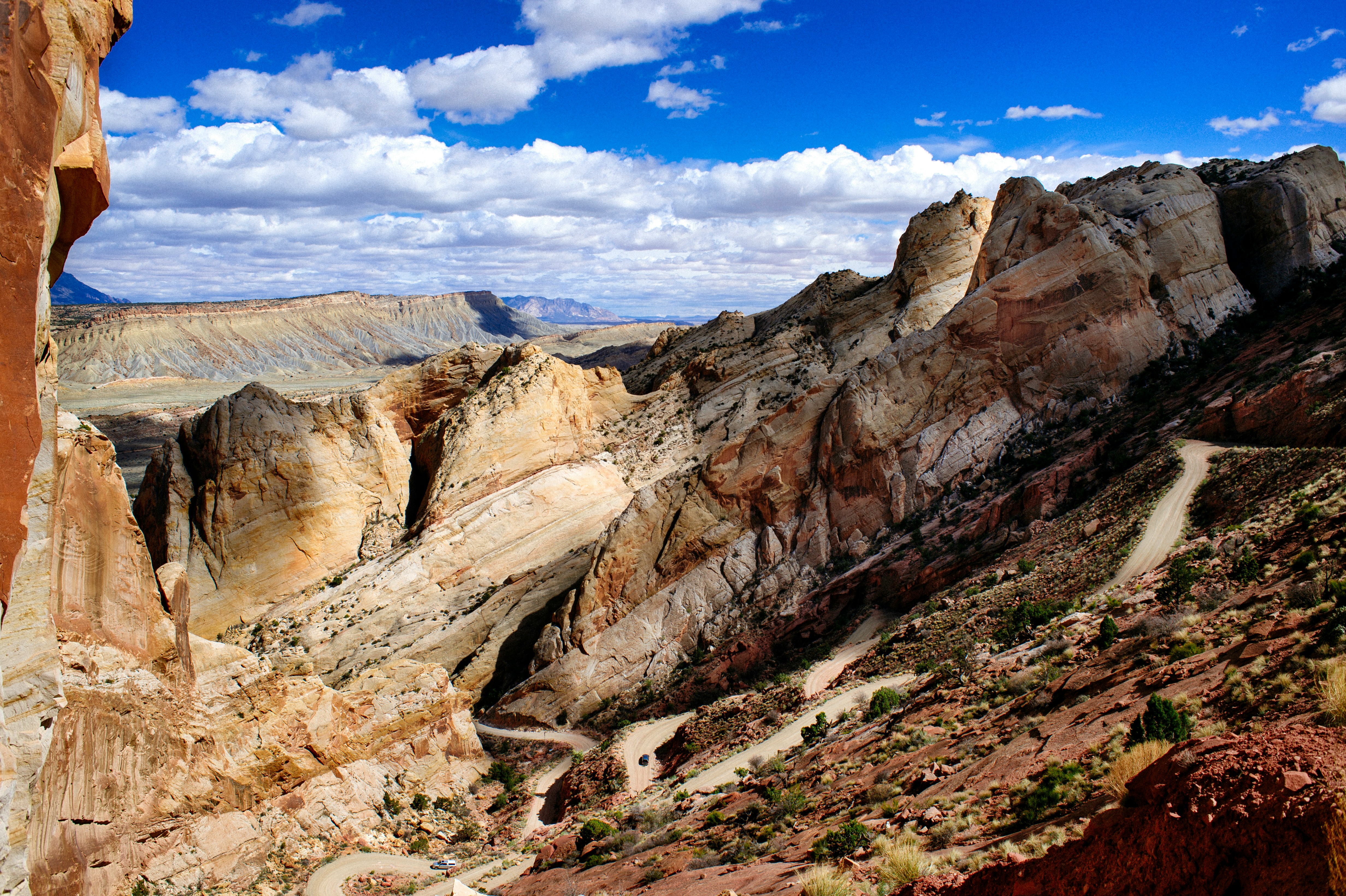
The name "Waterpocket Fold" comes from the natural sandstone basins eroded into the rock that collect rainwater — the waterpockets that sustained Fremont Culture people and later Ute and Paiute travelers. "Capitol Reef" itself is a combination of the white Navajo Sandstone domes that reminded early settlers of the U.S. Capitol building and the cliffs that formed impassable barriers — "reefs" — to east-west travel. This was one of the last regions of the contiguous United States to be mapped.
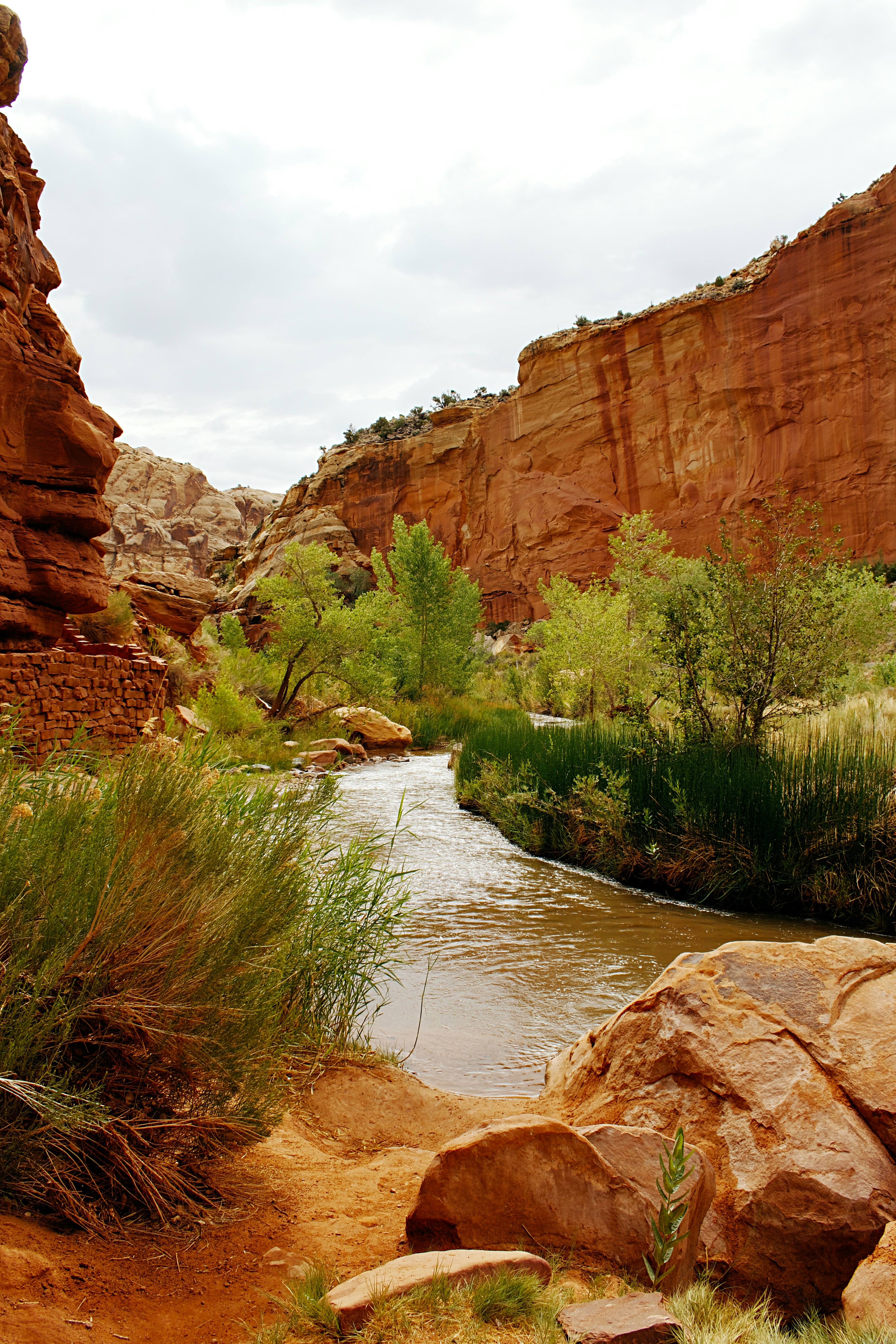
The Fremont River cuts through the Waterpocket Fold east to west, following the weakest points in the rock. The canyon it carved became the route for Highway 24, which became the reason the park has a road through it at all. Every stretch of river you fish through Capitol Reef is flowing through a gap in a hundred-million-year-old wall of sandstone. The rock above you is Wingate — deep red, vertical cliffs. The rock below that is Chinle — layered purple and grey mudstone. The cottonwoods and willows along the bank are the only green in a landscape that is otherwise red and orange and white for miles in every direction.
The Fremont River Through the Park
The Fremont River inside Capitol Reef is a small desert freestone stream — ten to twenty feet wide in most places, rarely more than knee-deep, flowing over a cobble and sand bottom between cottonwood-lined banks. It is not a blue-ribbon trout fishery. It is not going to appear on any top-ten list. What it is, is accessible, uncrowded, and set against some of the most dramatic scenery in the American West.
Brown trout are the primary gamefish within the park. They are wild, self-sustaining fish that have established themselves in the Fremont over decades. Most will be six to twelve inches, with the occasional fish pushing fourteen inches in the deeper pools and undercut banks. These are not stocked pellet-eaters — they are stream-bred fish that have survived flash floods, summer heat, and the harshness of a desert river that sometimes dries to disconnected pools. They are wary, they spook easily, and they reward stealth over brute force.
Rainbow trout are present but less common within the park boundaries. They are more abundant upstream near Torrey and in the sections where stocking supplements the population. Within Capitol Reef itself, browns dominate.
Native species you will encounter include bluehead suckers, flannelmouth suckers, speckled dace, and southern leatherside chub. The roundtail chub, once native to the Fremont, has been extirpated from park waters. Learn to identify the suckers and release them — they are Utah sensitive species. The Utah chub is also present but is non-native to the park despite being native to the state.
Access Points
The beauty of fishing the Fremont through Capitol Reef is that Highway 24 follows the river for miles. You can pull off at nearly any wide spot in the road, walk to the river, and start fishing. There is no permit, no rod fee, no shuttle system. Just a Utah fishing license and the river.
The best stretches inside the park:
- Fruita area: The river runs past the campground, the orchards, and the historic Fruita settlement. The cottonwood canopy here is dense, which creates shade and keeps water temperatures lower in summer. The pools around the orchard ditches hold fish.
- Grand Wash junction to Fruita: The river bends through several good riffles and pools along the road between the Grand Wash trailhead and the Fruita campground. Early morning, before the day-hikers arrive, is the window.
- East of the visitor center: Highway 24 follows the river east toward the park's eastern boundary. The canyon widens and narrows in sections, creating pocket water and deeper runs against the sandstone walls. This stretch sees fewer people than the Fruita area.
- The Gorge upstream of Torrey: Technically outside the park, the Fremont cuts through a narrow red rock gorge between Torrey and the park entrance. This section holds larger browns in the deeper pools and undercut banks. Access is tighter — the gorge walls close in — but the fish are worth the effort.
How to Fish It
This is small-water, stalking fishing. You are not going to stand in one spot and cast to a feeding lane for an hour. You are going to move upstream, spot a pool or a riffle, make three or four casts, and move on. Short, accurate presentations matter more than long casts. Keep your profile low. Wear earth tones. The brown trout in this river see herons and they see the shadow of the canyon wall, and they know the difference between those things and a person standing on the bank.
Rod: A 3-weight is ideal here. The river is narrow, the casts are short (fifteen to thirty feet), and the fish are small enough that a 3-weight gives them a fair fight. A 4-weight works fine. Anything heavier is overkill.
Leader: Nine feet, tapered to 5X or 6X. Fluorocarbon tippet helps in the clear water. These fish have nowhere to hide from predators except by being cautious, and they are cautious.
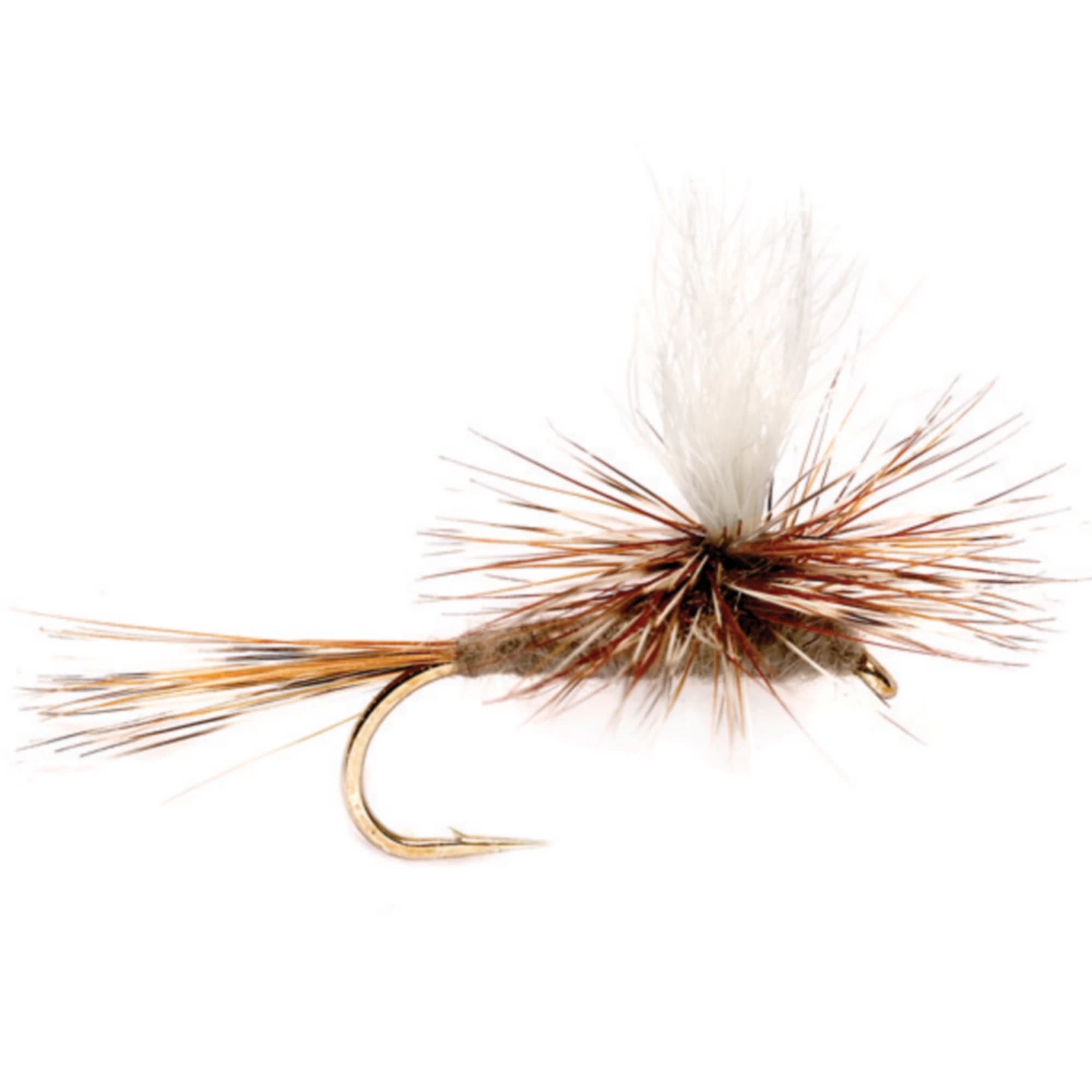
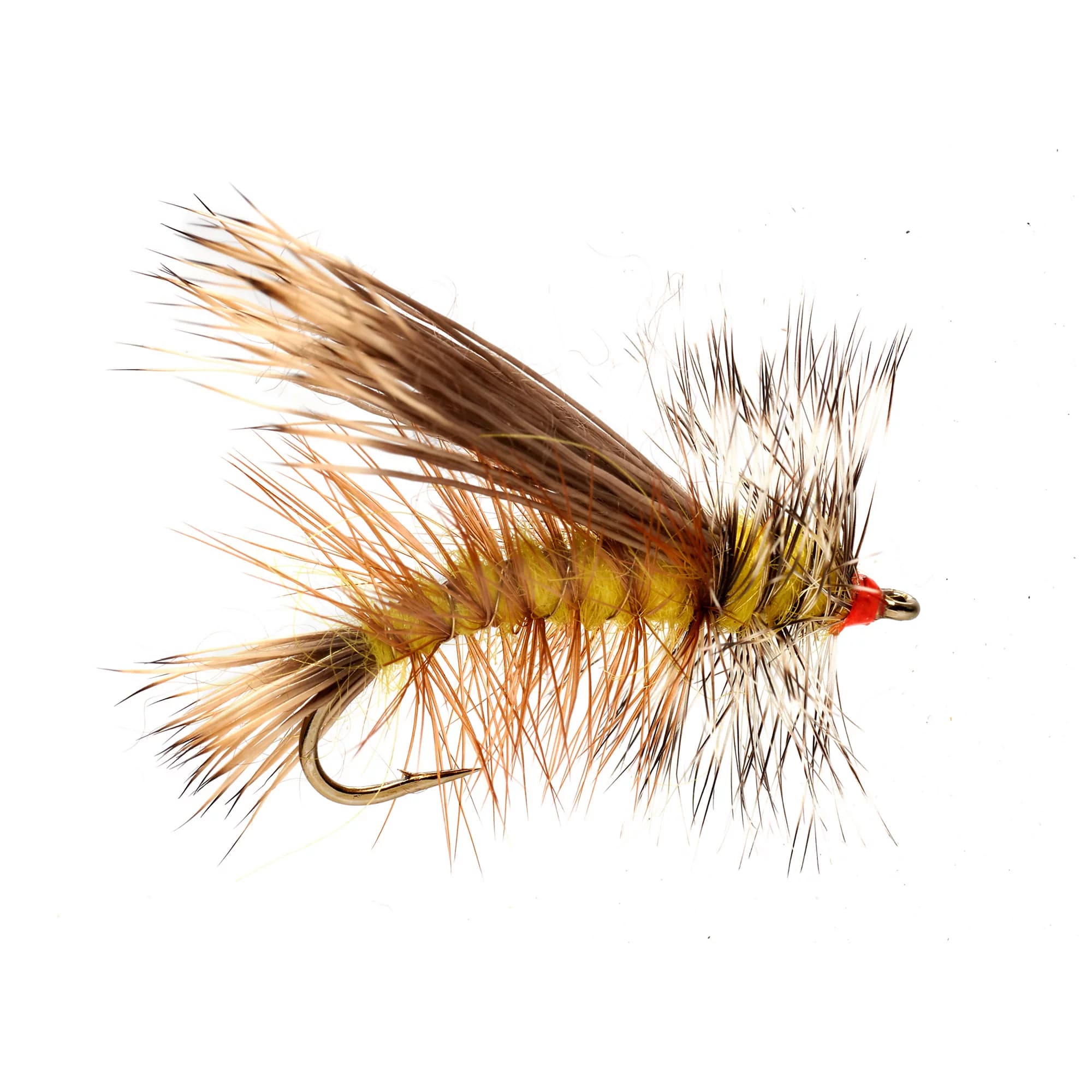
Dry flies: Elk Hair Caddis (#14-18) is the single most important fly on the Fremont. Caddis are the dominant hatch through the warmer months. Parachute Adams (#14-18) covers the general mayfly activity. Stimulators (#14-16) work as attractor dries in the riffles. Small foam hoppers, ants, and beetles are critical from July through September — terrestrials are a massive food source in the desert where grasshoppers, ants, and beetles fall into the water constantly. A Chubby Chernobyl (#12-14) with a nymph dropper is the go-to prospecting rig.
Nymphs: Pheasant Tail (#16-20) is the workhorse subsurface pattern. Hare's Ear (#16-18) covers the broader nymph spectrum. Prince Nymph (#16) is an attractor that works in the faster pocket water. Copper John (#16-18) gets down quick in the deeper slots. Tight-line nymphing through the pocket water is effective — the river has enough gradient and structure to make Euro-style nymphing productive even in this small water.
Streamers: Small Woolly Buggers (#10-12, olive and black) stripped through the deeper pools will move the largest fish. A Muddler Minnow (#10-12) pushed through the undercuts at dusk is the best shot at a fourteen-inch brown. A San Juan Worm (#14) drifted through the soft water after a rainstorm is almost unfairly effective.
Midges and BWOs: Griffith's Gnat (#18-22) and Zebra Midges (#18-22) are essential for the colder months and for early morning fishing when midge activity precedes the caddis. Blue Winged Olives hatch from spring through fall, and a Comparadun (#18-20) in olive is the right match.
Sulphur Creek and Pleasant Creek
The Fremont is not the only fishable water in the park. Sulphur Creek enters the Fremont near the visitor center and holds small trout in its upper reaches. The creek is better known as a canyoneering route — the Sulphur Creek hike is a slot-canyon scramble that involves wading and swimming through narrows — but above the narrows, the creek has enough flow to support fish. It is tiny water, and the fishing is opportunistic rather than planned.
Pleasant Creek flows into the Fremont from the south, originating on Boulder Mountain and cutting through the park's southern section. The upper reaches of Pleasant Creek, near the campground on Boulder Mountain, are stocked with rainbow trout and also hold wild brook trout. Within the park, Pleasant Creek becomes intermittent in drier years, but in good water years it holds small trout in the pools where the creek crosses the South Draw Road.
Neither Sulphur Creek nor Pleasant Creek is a destination fishery. They are bonuses — places to explore with a rod if you are spending multiple days in the park and want to see water that almost nobody fishes.
The Fruita Orchards — The Part Nobody Else Has
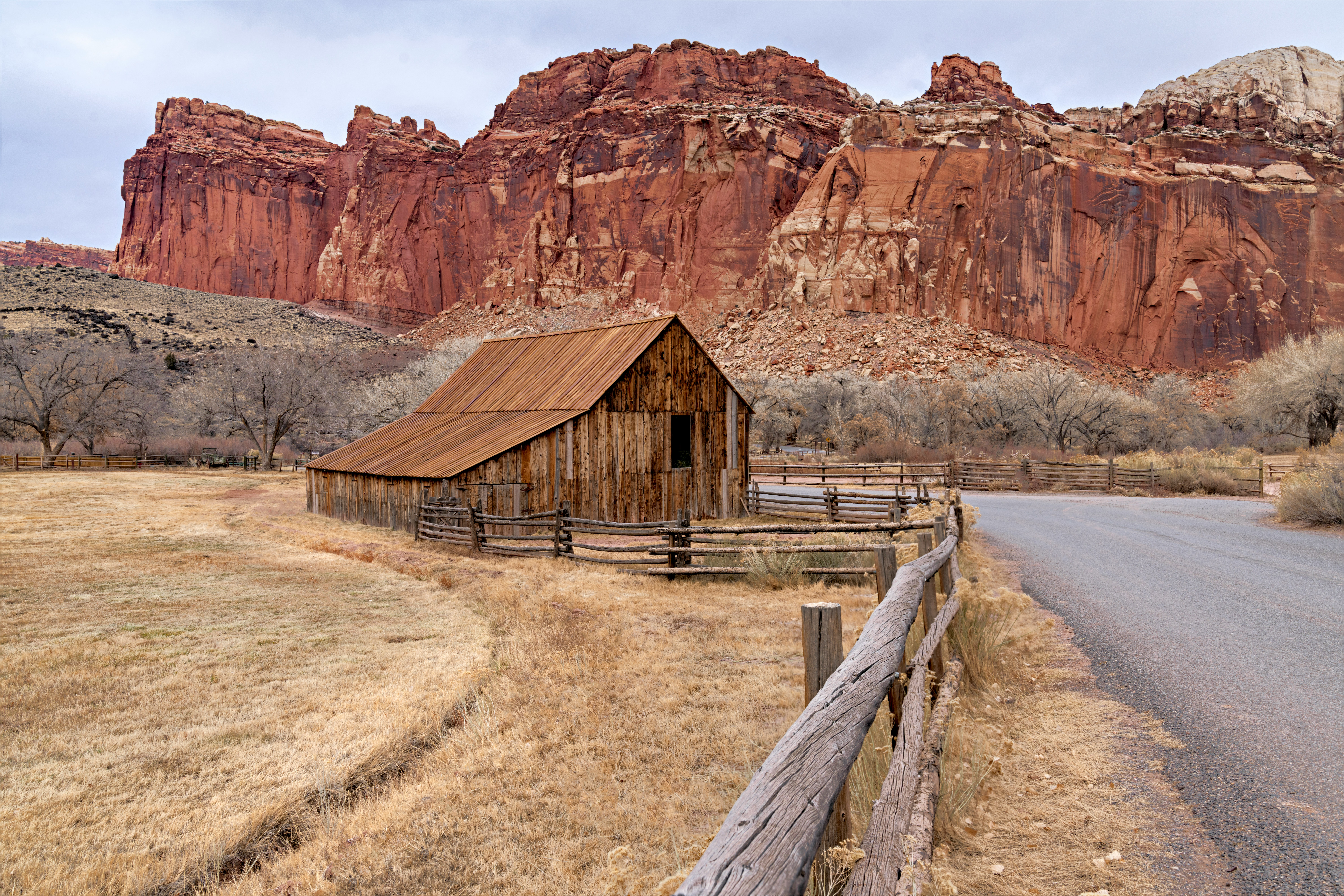
Here is the detail that separates Capitol Reef from every other national park in the system: the orchards. Capitol Reef preserves roughly 2,500 fruit trees — cherries, apricots, peaches, apples, pears, and plums — planted by Mormon settlers who established the community of Fruita in the 1880s along the banks of the Fremont River. The original settlement was called Junction. It was renamed Fruita in 1902 because the fruit was what the place was known for. Neighboring communities came to depend on Fruita's production.
The National Park Service acquired the orchards in the 1960s and has maintained them ever since using the same heritage techniques as the pioneers — flood irrigation from ditches dug in the 1880s that still carry water from the Fremont to the tree roots. When the fruit is ripe, visitors can pick it themselves and pay a small per-pound fee at an honor-system collection box. This is the only national park in the country where you can legally pick fruit from trees that have been in continuous production for over a century.
The cherry harvest comes in June. Apricots follow in late June and July. Peaches and pears arrive in August and September. Apples close out the season in September and October. The harvest schedule overlaps almost perfectly with the best fishing on the Fremont.
A morning picking cherries in the Fruita orchards followed by an evening fishing the Fremont through the same stretch of valley is an experience that does not exist anywhere else. The orchard irrigation ditches flow back to the river, and the trout hold in the soft water where the ditch water enters the main current. The cottonwood shade over the orchards keeps the air cool even when the desert sun pushes into the nineties.
Boulder Mountain — The Real Fly-Fishing Destination
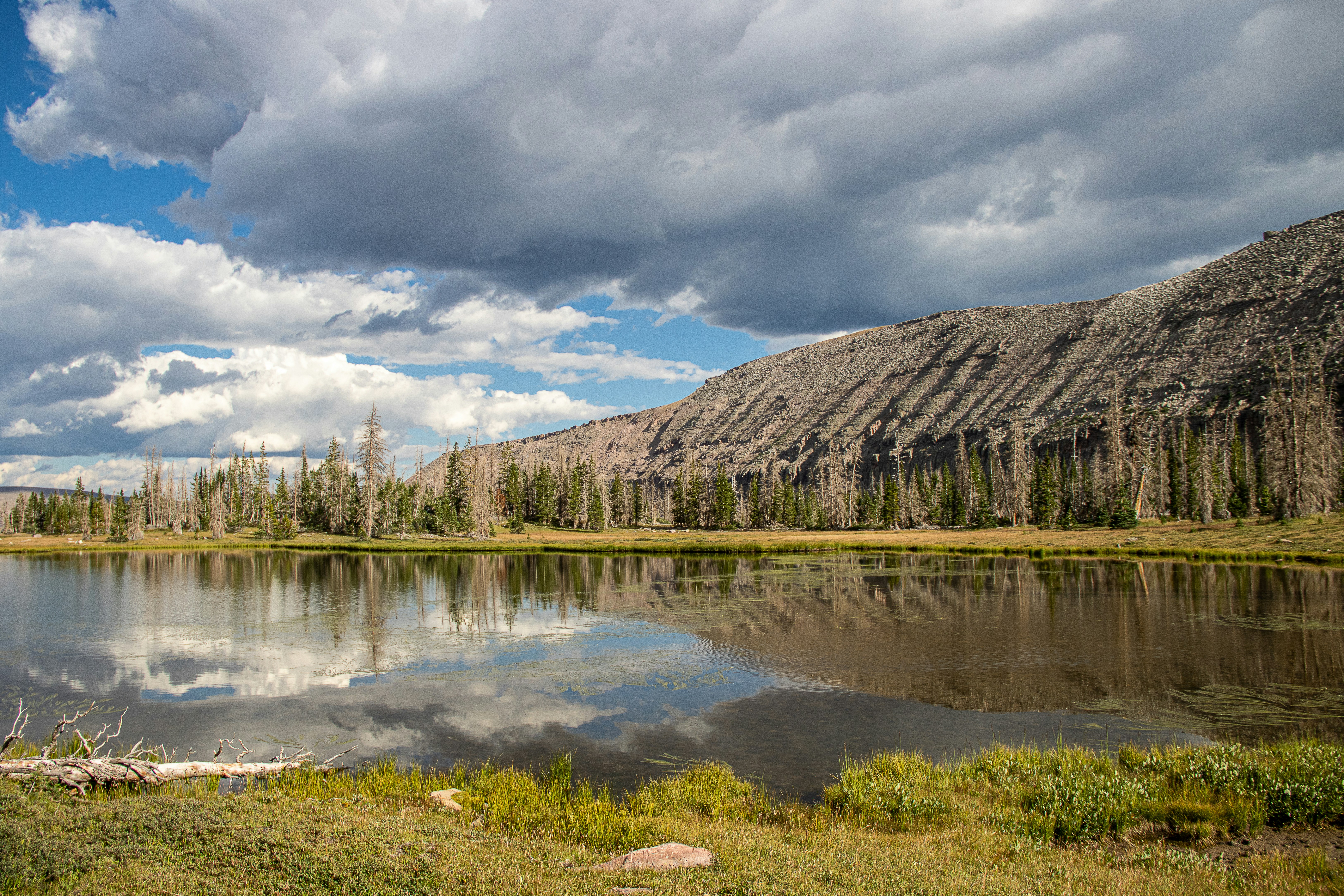
If Capitol Reef is where you go for the scenery that happens to have fish, Boulder Mountain is where you go for the fishing that happens to have scenery. This 11,317-foot plateau rises south of Torrey and Highway 12, heavily forested with spruce and aspen, and it contains more than 80 fishable lakes, ponds, and reservoirs scattered across its top. It is designated a Blue Ribbon Fishery by the State of Utah — the highest classification for fishing quality.
Boulder Mountain is the second-greatest concentration of high-alpine trout lakes in Utah, behind only the Uinta Mountains in the northern part of the state. The lakes hold brook trout primarily, along with Colorado River cutthroat trout (the native species), rainbow trout, tiger trout (a brook-brown hybrid), splake, and in some waters, Arctic grayling. The state record brook trout — 7 pounds, 8 ounces — came from Boulder Mountain waters in 1971. Thirty-five percent of the lakes are managed specifically for trophy brook trout.
How to Fish Boulder Mountain
The lakes range from roadside pull-offs to backcountry hikes of one to five miles. A 4WD vehicle is strongly recommended — many of the access roads are rough Forest Service tracks that deteriorate in wet weather. The fishing season runs from late June through October, depending on elevation and snowpack. Some of the highest lakes do not thaw until July.
Stillwater techniques dominate here. This is lake fishing, and the approach is different from the Fremont River's pocket-water game:
- Woolly Buggers (#8-12, olive, black, and brown) stripped slowly through the shallows are the all-purpose brook trout pattern. Cast parallel to shore, let the fly sink, and strip in short pulls. Brook trout are aggressive and will chase.
- Chironomid patterns (#16-20) fished under an indicator in the morning and evening are deadly when the fish are feeding on midge larvae in the upper water column.
- Callibaetis mayfly imitations (#14-16) — both dries and nymphs — match the primary mayfly hatch on the mountain lakes. The Callibaetis hatch comes in waves from July through September.
- Damselfly nymphs (#10-12, olive) stripped slowly near weed beds produce some of the largest fish. Brook trout and cutthroat key on damselfly nymphs during their migration to shore for emergence.
Rod: A 4-weight or 5-weight with a floating line and a long (12-foot) leader covers most situations. Bring a sink-tip line or sinking leader for the deeper lakes.
The combination of Capitol Reef and Boulder Mountain is the real play here. Fish the Fremont in the morning when the light is soft and the desert is cool. Drive up Highway 12 to Boulder Mountain in the afternoon. Fish an alpine lake until the sun drops behind the plateau. Come back down to Torrey for dinner at the Rim Rock. This is a fishing trip that moves between desert and alpine in the same day — red rock canyons at 5,500 feet in the morning, spruce forest at 10,000 feet in the afternoon.
The Seasonal Calendar
March–April: The Fremont comes alive as snowmelt from Thousand Lakes Mountain and Boulder Mountain raises water levels. The water is cold and often turbid. Midges and early BWOs are the hatches. Nymphing with Zebra Midges and Pheasant Tails is the most productive approach. Boulder Mountain is still under snow.
May–June: The prime window opens. Caddis hatches build through May, and by June the evening caddis activity on the Fremont can be outstanding. Stonefly activity picks up — including a salmonfly hatch in June that lasts roughly two weeks on the upper Fremont. The cherry orchards ripen. Water levels are high but fishable. Boulder Mountain lakes begin to thaw at lower elevations.
July–August: Terrestrial season. Hoppers, ants, and beetles dominate the trout diet as the desert heats up and insects are everywhere. The dry-dropper rig — a Chubby Chernobyl or foam hopper on top, a Copper John or Pheasant Tail below — is the most effective setup. Trico hatches appear on the Fremont with clouds of tiny spinners on the water in the early morning. Watch water temperatures — the Fremont can warm into the mid-sixties on hot afternoons, and the fish move to shaded pools and spring-fed inputs. Flash flood season begins. Monsoon thunderstorms in July and August can produce sudden, violent floods in the canyon. Check the NWS forecast before fishing. If the sky darkens upstream, get to high ground. Boulder Mountain lakes are at peak fishing.
September–October: The finest weeks of the year. Summer heat breaks, the cottonwoods along the Fremont turn gold, BWO hatches strengthen, and the brown trout begin pre-spawn feeding. The crowds — what crowds Capitol Reef has — thin further. Apple and pear harvest in the Fruita orchards. The upper Fremont through the gorge above Torrey holds the largest browns of the year. Boulder Mountain aspen turn yellow against the dark spruce. This is when south-central Utah is at its absolute best.
November–February: The Fremont is fishable year-round, but winter fishing is slow and cold. Midges are the only significant hatch. The fish hold in the deepest pools and are sluggish. Griffith's Gnats on the surface and Zebra Midges subsurface are the winter patterns. Boulder Mountain is closed by snow. Torrey is very quiet. The solitude is absolute.
Flash Floods and Desert Safety
Capitol Reef is desert canyon country, and flash floods are the most serious hazard for anglers. The Fremont River drains a large watershed, and thunderstorms miles upstream — storms you may not be able to see from the canyon floor — can send a wall of water down the river with little warning.
Rules for fishing in Capitol Reef:
- Check the National Weather Service flash flood forecast every morning before you fish
- Do not fish in the Narrows section of Sulphur Creek or any slot-canyon drainage during monsoon season (July–September)
- Watch the water. If it suddenly turns from clear to muddy brown, or if you hear a low rumbling from upstream, move to high ground immediately
- If the sky darkens to the west or north, stop fishing and get above the high-water line
- The Fremont can rise from ankle-deep to chest-deep in minutes during a flash event
- Carry a PLB or satellite communicator. Cell service is unreliable to nonexistent through much of the park
Summer heat is the other concern. Torrey sits at 6,800 feet and temperatures are moderate, but the canyon floor inside the park can exceed 100°F in July and August. Carry more water than you think you need. Fish the edges of the day — dawn and dusk — and spend the hot afternoon hours in the shade or on Boulder Mountain where the elevation keeps temperatures in the seventies.
Regulations and Licenses
Utah requires a fishing license for anyone 12 and older. Non-resident licenses are available online through the Utah Division of Wildlife Resources as one-day, seven-day, or annual options. The seven-day license is the best value for a multi-day Capitol Reef trip.
Inside the park: Fishing is permitted year-round in all park waters with a valid Utah license. Utah state fishing regulations apply — there are no special park-specific rules beyond the standard state regs. Artificial flies, lures, and bait are all permitted on most waters. The general trout limit is four fish per day.
Boulder Mountain: Some lakes have special regulations — trophy management rules, slot limits, or gear restrictions. Check the current Utah fishing guidebook or the DWR website for the specific lake you plan to fish. Regulations can change year to year as the state adjusts its management strategy.
The Gateway — Torrey
Torrey is the gateway town to Capitol Reef, sitting eight miles west of the park entrance at 6,800 feet. It is a town of a few hundred year-round residents stretched along Highway 24 and Highway 12, with the services a traveling angler needs and none of the pretension that gateway towns sometimes develop.
The local fly-fishing outfitter operates out of Torrey, offering guided trips on the Fremont (including access to private water that holds larger fish), Boulder Mountain lake trips, fly-fishing instruction, and a small fly shop. They know the hatches, they know the access, and they know which Boulder Mountain lakes are fishing well on any given week. If you have limited time, a guided day on private water above the park will produce better fish than DIY on the public sections — browns in the fourteen-to-eighteen-inch range on private stretches versus the six-to-twelve-inch fish in the park.
Find a fishing guide near Torrey for local knowledge on the Fremont River and Boulder Mountain — conditions change week to week, and a guide who knows which Boulder Mountain lakes are currently producing can save you a day of exploration.
Lodging: Capitol Reef Resort has cabins and Conestoga wagon glamping. Cougar Ridge Lodge is the high-end option. Broken Spur Inn has straightforward rooms with a steakhouse attached. The Fruita Campground inside the park is first-come, first-served and fills early in peak season — arrive by midday or earlier for a site.
Food: Rim Rock Restaurant serves Utah trout and has views of the reef from the dining room. Hunt & Gather does farm-to-table with local game and stone fruit from the surrounding valley. Capitol Reef Cafe is the morning coffee stop. The dining scene is small but better than you would expect for a town this size in a place this remote.
The Honest Assessment
Capitol Reef is not the Green River. It is not going to give you twenty-inch browns on a nymphing rig through a world-class tailwater. The Green River is three hours northeast and is one of the finest trout fisheries in North America. If you want trophy trout in Utah, that is where you go.
Capitol Reef is not Zion, which has its own small-stream trout fishing in the Virgin River but wraps it in a more dramatic (and more crowded) canyon. It is not Bryce Canyon, which has hoodoos but no fishable water inside the park. It is not Canyonlands, which offers warmwater fishing in the desert but a different species entirely. It is not Great Basin across the Nevada border, which has Bonneville cutthroat in high-desert solitude. And the Grand Canyon, five hours south, is a different universe of scale and commitment.
What Capitol Reef gives you is something none of those places can: the combination of solitude, red rock, fruit orchards, and wild trout in a setting that feels like it was built for you alone. You fish a river that flows through a hundred-million-year-old fold in the earth's crust. You pick apricots from trees that Mormon pioneers planted in the 1880s. You drive thirty minutes and fish an alpine lake at 10,000 feet where the brook trout have never seen a fly pattern they did not try to eat. And you do all of this without standing in line, without fighting for a parking spot, and without hearing another reel sing on the water.
The fish are small. The water is thin. The desert is harsh and the flash floods are real. Capitol Reef is not a place that makes it easy. But it is a place that makes it worth it — and the million visitors who drive through on their way to Arches will never know what they missed at the pullout by the orchard, where the Fremont bends through a cottonwood grove and a six-inch brown trout rises to a #16 Elk Hair Caddis in the last light of the day, with nobody else around for miles.
Top Fishing Guides in Torrey
The Fremont River winds through Capitol Reef's Waterpocket Fold holding wild brown trout that rise to Elk Hair Caddis in cottonwood-shaded pools, and Boulder Mountain's alpine lakes at 10,000 feet are stacked with brook trout that eat anything with a hook. Solitude is guaranteed — most visitors drive right past the fishing.
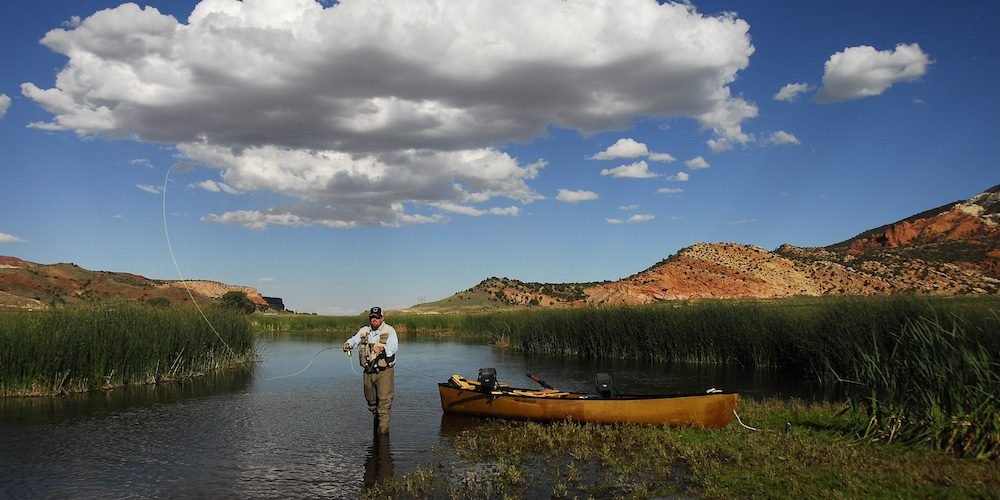
Capitol Reef Outfitters
Torrey, UT, US
4.7 (60 reviews)
Capitol Reef Outfitters brings over 25 years of fly fishing expertise to Utah's most iconic landscapes. Specializing in the pristine waters of Capitol Reef and Bryce Canyon, they guide anglers to premier destinations including the Fremont River and high mountain lakes, where productive fishing meets breathtaking scenery. The outfitter welcomes both beginners and seasoned fly fishers with flexible trip options ranging from half-day excursions to full-day adventures. All necessary gear is provided, and anglers have the opportunity to fish private waters for a more exclusive experience. Capitol Reef Outfitters' combination of deep local knowledge, quality equipment, and personalized service makes them an exceptional choice for anyone seeking a genuine fly fishing adventure in the Utah backcountry.
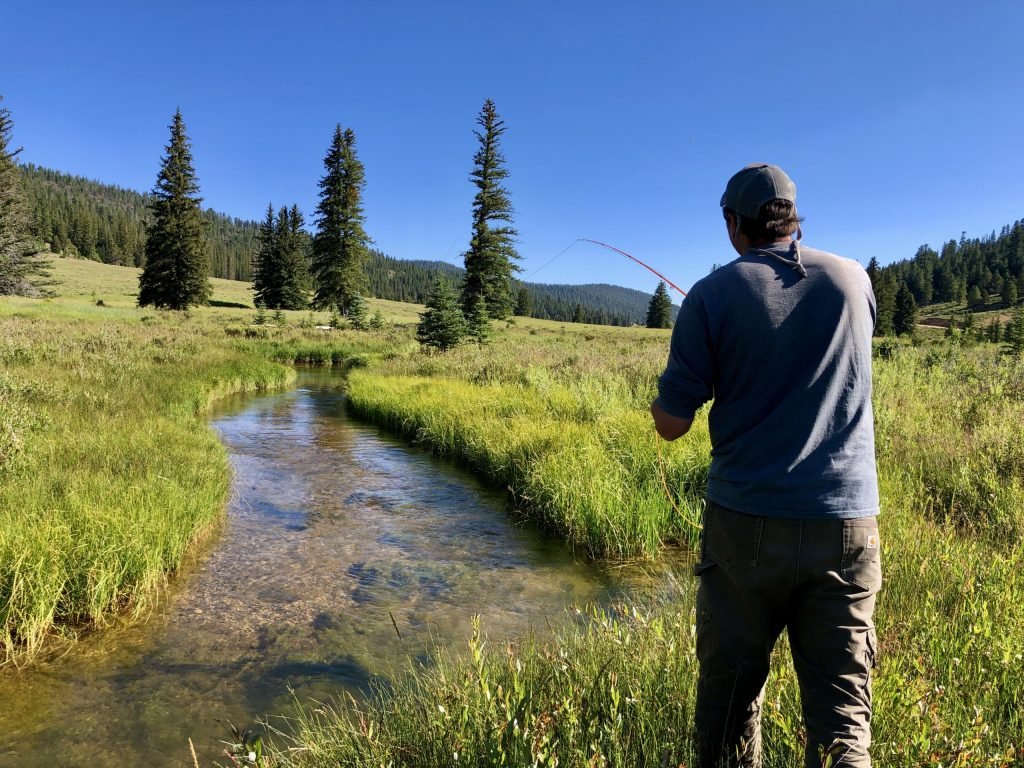
Fremont River Guides
Torrey, UT, US
Fremont River Guides has been a trusted fly fishing outfitter on Boulder Mountain since 2001, specializing in trophy trout fishing across more than 50 pristine lakes and hidden canyon streams. Based in the Escalante and Boulder, Utah region, the guide service is known for consistently connecting anglers with impressive 20-inch browns and tiger trout in some of the area's most stunning landscapes. The operation caters to all skill levels, from newcomers to seasoned fly fishers, offering flexible trip styles that include full-day excursions and overnight backpacking adventures. Whether anglers seek accessible day trips or remote wilderness experiences, Fremont River Guides provides the expertise and local knowledge to create memorable fly fishing journeys in this exceptional Utah fishery.
Frequently Asked Questions
Can you fish inside Capitol Reef National Park?
Yes. Fishing is allowed year-round in all park waters with a valid Utah fishing license. The Fremont River, which flows through the park along Highway 24, holds wild brown trout and some rainbow trout. Sulphur Creek and Pleasant Creek also hold small trout. Utah state fishing regulations apply with no additional park-specific restrictions.
What fish species are in the Fremont River at Capitol Reef?
The Fremont River at Capitol Reef holds wild brown trout as the primary gamefish, with some rainbow trout. Most browns are 6 to 12 inches. Native species include bluehead suckers, flannelmouth suckers (both Utah sensitive species — release immediately), speckled dace, and southern leatherside chub. Utah chub and redside shiner are also present as non-native species.
When is the best time to fish at Capitol Reef?
September through October is the prime window — heat breaks, brown trout feed aggressively before spawn, BWO hatches strengthen, and the cottonwoods turn gold. May through June is the second-best window with strong caddis and stonefly hatches. Avoid July through August monsoon season when flash floods are a serious hazard and afternoon water temperatures can stress fish.
What flies work best on the Fremont River?
Elk Hair Caddis (#14-18) is the most important dry fly. Parachute Adams (#14-18), Stimulators (#14-16), and foam terrestrials (hoppers, ants, beetles) round out the dry fly box. Pheasant Tail (#16-20) and Hare's Ear (#16-18) are the essential nymphs. Small Woolly Buggers (#10-12) work in the deeper pools. A 3-weight rod with 5X-6X tippet is ideal for this small water.
How does Boulder Mountain fishing compare to the Fremont River?
Boulder Mountain, a 30-minute drive south of Torrey on Highway 12, has 80+ alpine lakes with brook trout, cutthroat trout, tiger trout, and grayling. It is designated a Blue Ribbon Fishery. The fishing is stillwater — Woolly Buggers, chironomids, Callibaetis, and damselfly nymphs. Fish average larger than the Fremont River browns. Many anglers combine both: Fremont River in the morning, Boulder Mountain lake in the afternoon.
Related Articles
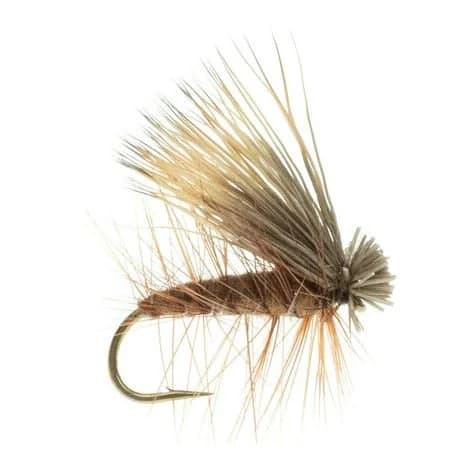
The Elk Hair Caddis: How to Tie the Fly That Works Everywhere, All Season, on Everything
Tuesday, April 21, 2026
The Parachute Adams: How to Tie the One Fly Every Angler Carries and Why It Fools Everything
Monday, April 13, 2026
The Stimulator: The Stonefly-Caddis-Hopper-Attractor That Floats Through Anything
Thursday, March 12, 2026
 ™
™