
Fly Fishing Isle Royale National Park: Backpacking, Brook Trout, and the Most Remote Island in the Great Lakes
Isle Royale is a 45-mile-long island in the middle of Lake Superior — no roads, no cars, no cell service. You take a ferry from Houghton or Copper Harbor, hike between inland lakes with a pack rod, and catch brook trout on dry flies while moose browse the shoreline. This is wilderness fishing without flying to Alaska.

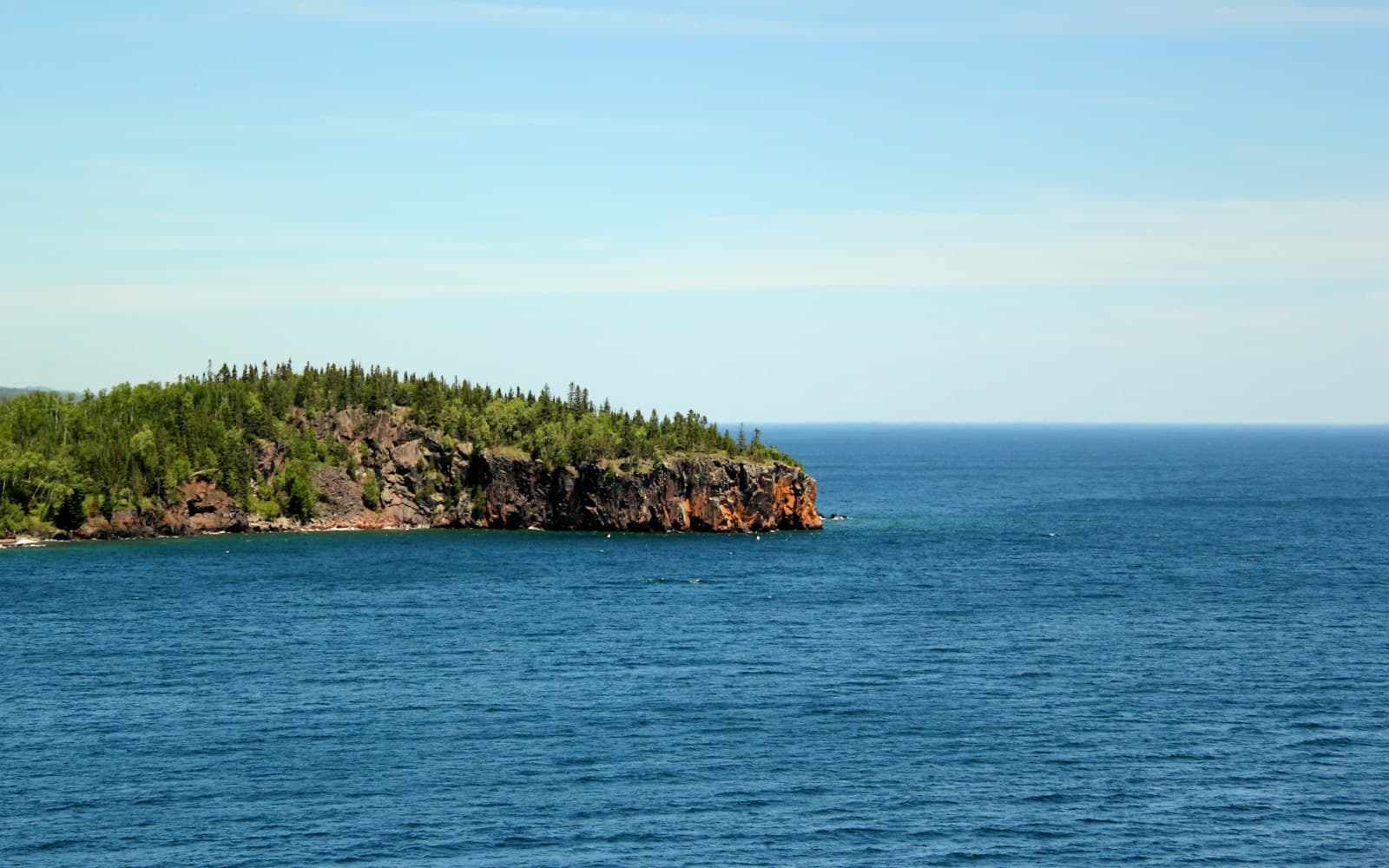
Isle Royale is the national park that most people have never heard of, and that's the whole point. A 45-mile-long archipelago of forested rock sitting in the cold center of Lake Superior, closer to the Canadian shore than to Michigan's Upper Peninsula, Isle Royale receives fewer visitors in an entire year than Yellowstone sees in a single July afternoon. The island has no roads. No cars. No cell towers. No bridges to the mainland. You reach it by a six-hour ferry ride from Houghton, a three-and-a-half-hour crossing from Copper Harbor, or a forty-five-minute seaplane flight that drops you on a lake so quiet you can hear the floats settle into the water after the engine shuts off.
The fishing here is not the reason most people visit — the hiking is. Isle Royale has 165 miles of trail winding through boreal forest of spruce and birch, along ridgelines with views of Lake Superior stretching to every horizon, and past inland lakes that sit in the island's bedrock like pools of dark glass. But for the angler who packs a four-piece rod in the top of a backpack and carries a small fly box alongside the trail mix and camp stove, Isle Royale offers something almost impossible to find in the lower 48: brook trout water that has never been stocked, never been pressured, and never been written up in a magazine.
The brook trout in Isle Royale's streams and inland lakes are wild fish — descendants of populations that colonized these waters after the last ice age. The island's northern pike and walleye share those inland lakes. And along the rocky shoreline of Lake Superior itself, coaster brook trout — the lake-run strain that once filled every tributary of the Great Lakes before logging and overfishing wiped them out — still hold in the bays and harbors of the island, feeding in the cold, clear shallows and running into streams to spawn each fall.
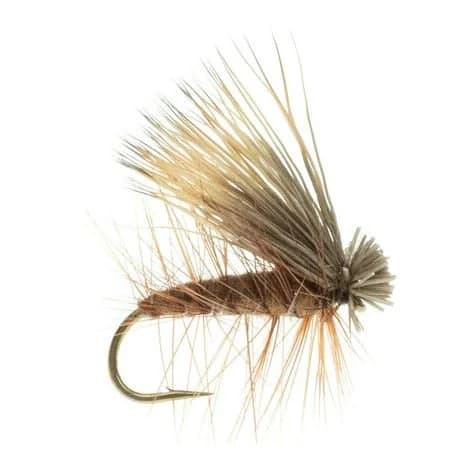
This is not technical fishing. The brook trout are not selective. The water is not crowded. There is no hatch chart to memorize, no specific fly that outperforms another on a given afternoon. You hike to a lake, rig up, cast a Royal Wulff or an Elk Hair Caddis against the shoreline, and watch a brightly colored fish rise through dark water to eat it. Then you break down the rod, shoulder the pack, and hike to the next lake.
Getting There — Ferries, Seaplanes, and the Crossing
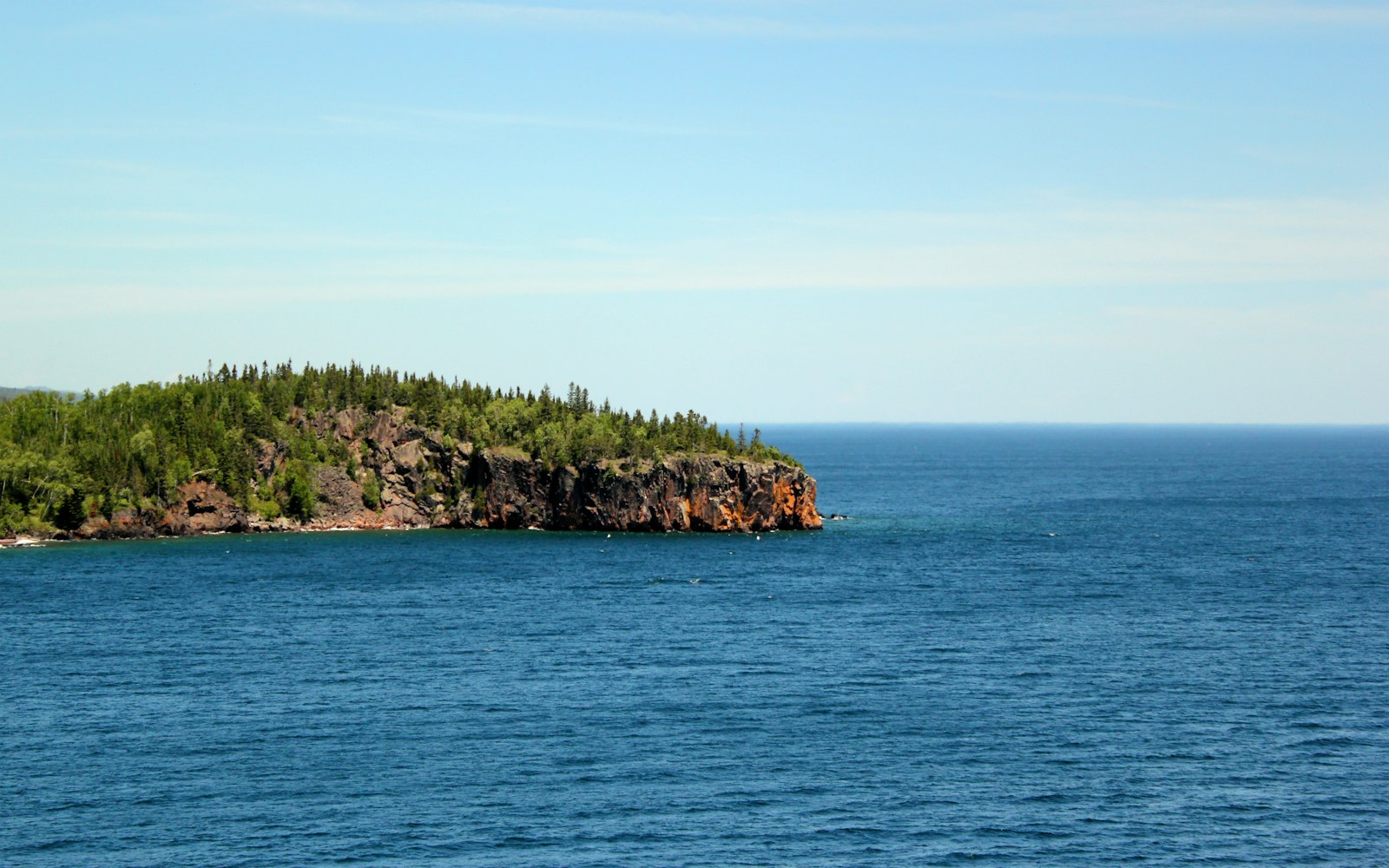
Reaching Isle Royale is itself an act of commitment. The island sits roughly 50 miles from Michigan's Keweenaw Peninsula and 18 miles from the Minnesota-Ontario border. There is no quick way to get there, and the crossing — particularly on the longer ferry routes — serves as a kind of decompression chamber between the mainland world and the island's silence.
From Houghton, Michigan: The NPS ferry Ranger III makes the crossing to Rock Harbor on the island's northeast end. The trip takes six hours each way. The Ranger III runs Tuesdays and Fridays from Houghton to Rock Harbor, returning Wednesdays and Saturdays. One trip per month diverts to Windigo on the island's southwest end. The ferry carries passengers and canoes but not vehicles — there are no vehicles on Isle Royale.
From Copper Harbor, Michigan: The Isle Royale Queen IV makes a three-and-a-half-hour crossing to Rock Harbor only. This is the faster Michigan-side option but only serves the east end of the island.
From Grand Portage, Minnesota: The Sea Hunter III crosses to Windigo in ninety minutes — the fastest boat option. The Voyageur II serves both Windigo and Rock Harbor from Grand Portage, with the Rock Harbor run taking roughly five hours.
By seaplane: Isle Royale Seaplanes operates from Hancock, Michigan (adjacent to Houghton) with forty-five-minute flights to either Rock Harbor or Windigo. The seaplane is the fastest and most expensive option, and it lets you see the island from above — the long spine of forested ridgeline, the inland lakes catching afternoon light, the rocky shoreline dropping into water so deep it turns black.
Once you arrive at either Rock Harbor or Windigo, you are on foot. Everything you need for your trip goes on your back. The two entry points have small lodge facilities and camp stores with limited supplies, but once you step onto the trail system, you carry your food, shelter, water filter, and fishing gear between designated backcountry campgrounds spaced four to eight miles apart.
The Island — Wolves, Moose, and Boreal Silence
Isle Royale is 45 miles long and nine miles wide at its broadest point. The island is 99 percent designated wilderness. The interior is a series of parallel ridges running the length of the island — ancient layers of basalt and sandstone tilted by geologic forces — with valleys between them holding the inland lakes and streams that matter to anglers.
The island is famous in ecology for the wolf-moose study that has run continuously since 1958, the longest predator-prey study in the world. As of recent counts, roughly 37 wolves and 500 moose share the island. You will see moose. They browse the shoreline vegetation at dawn, wade into lakes to feed on aquatic plants, and stand in the trail staring at you with the calm indifference of an animal that has never been hunted. The wolves are harder to spot — you'll hear them at night, howling from the ridgelines, and you might find tracks on the trail in the morning.
The boreal forest here — dense spruce, paper birch, balsam fir, and thimbleberry undergrowth — gives the island the feel of northern Ontario or the Boundary Waters, not Michigan. The air smells like spruce resin and cold water. Loons call from every lake at dusk. The stars at night, with no light pollution within 50 miles, are overwhelming.
This is the context for the fishing. Isle Royale is not a fishing destination where you drive to a river, catch fish, and drive home. It is a wilderness backpacking trip where you happen to carry a fly rod.
The Inland Lakes — Brook Trout, Pike, and Dark Water
The interior of Isle Royale holds more than 40 named lakes, many of them connected by short streams and beaver ponds. These lakes are the primary fly-fishing opportunity on the island, and the species mix varies from lake to lake.
Brook Trout
The brook trout in Isle Royale's inland waters are the prize for fly anglers. Hidden Lake and its tributary streams hold a catch-and-release-only brook trout fishery — these are protected fish in water that the NPS manages specifically for their preservation. The brookies here are not large by any standard — most are six to ten inches, with an occasional fish pushing twelve — but they are wild, beautifully colored, and willing. They eat dry flies with the confidence of fish that rarely see an angler.
Brook trout also inhabit some of the streams connecting inland lakes, particularly the beaver ponds and small tributaries that flow through the spruce forest. These are tiny-water fish — you're crouching behind beaver dams, roll-casting into pools the size of a dining table, and pulling out bright brook trout that flash orange and red when they turn in the dark water.
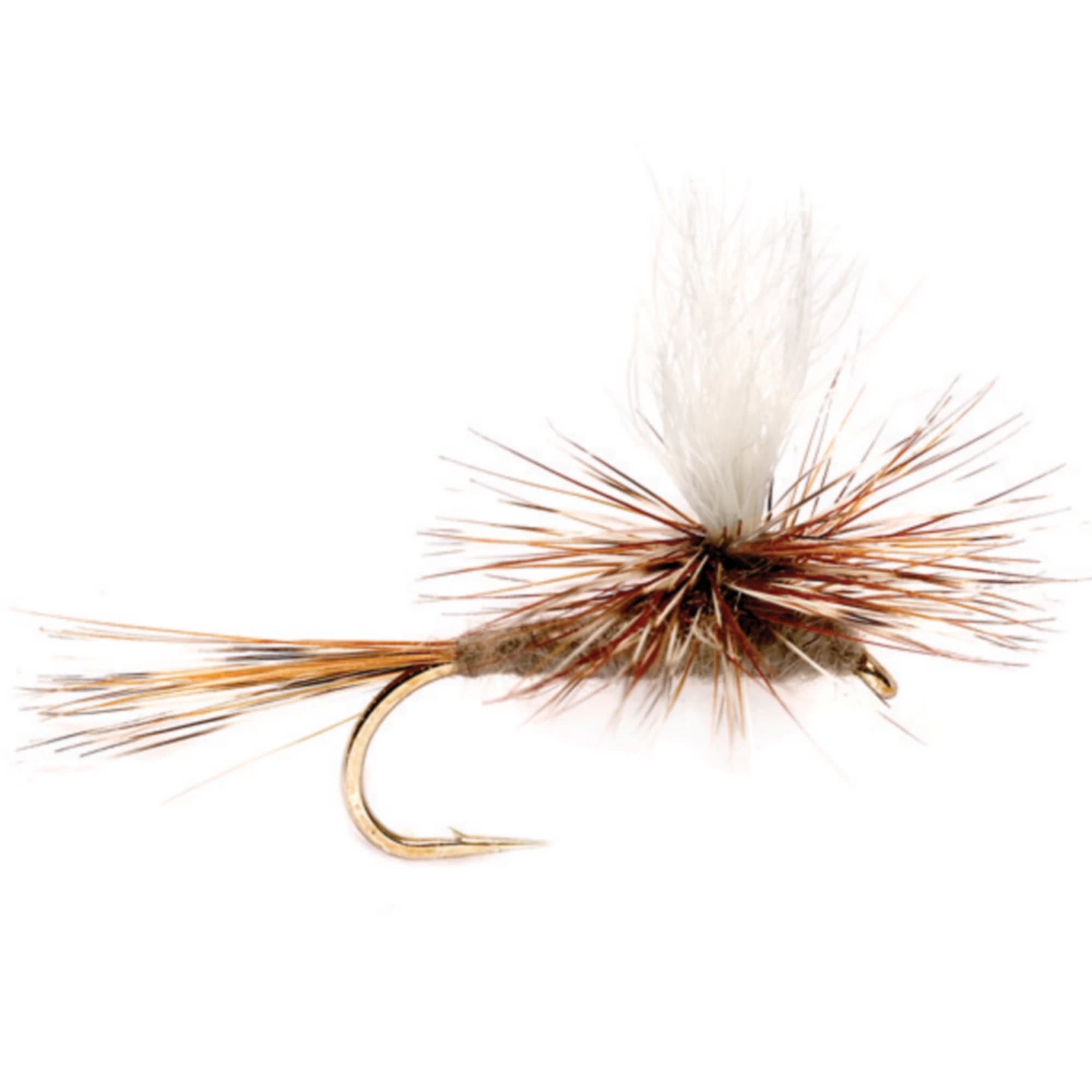
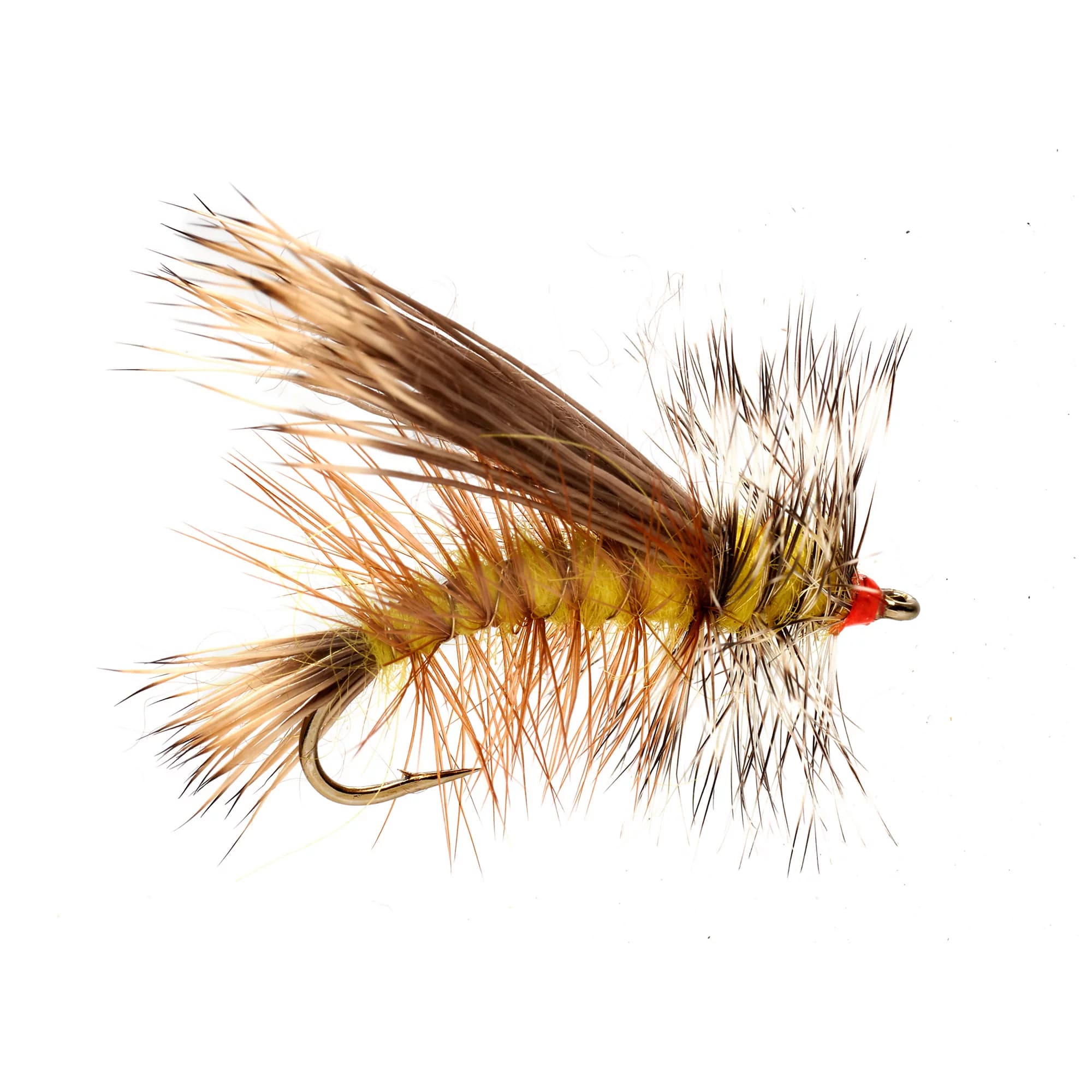
Flies for inland brookies: Keep it simple. A Parachute Adams in #12-16 covers most dry-fly situations. A Royal Wulff in #10-14 is the classic brook trout attractor — visible, buoyant, and effective. Elk Hair Caddis in #12-16 work everywhere caddisflies are present, which is most of the island's streams. A Stimulator in #10-12 serves as both a stonefly imitation and a general attractor on faster water. For subsurface fishing, small Woolly Buggers in #10-12 (black or olive) stripped slowly through the deeper pools will move fish. The Mickey Finn — a classic red-and-yellow bucktail streamer — is a brook trout magnet on waters like these. Hornbergs, Muddler Minnows, and Black Ghost streamers all work in the connecting streams where brookies hold in deeper runs.
These fish are not selective. They have not been educated by catch-and-release pressure. If your fly lands close to a brook trout and drifts naturally, the fish will eat it. The challenge on Isle Royale is not matching a hatch — it's reaching the water in the first place.
Northern Pike
Northern pike are the dominant predator in many of Isle Royale's larger inland lakes, including Lake Richie, Chickenbone Lake, and others. Pike here hold in the shallow, weedy bays and along weed edges, ambushing yellow perch and smaller fish. For fly anglers willing to carry a heavier rod (a 7-weight or 8-weight serves double duty), pike fishing on the inland lakes can be outstanding.
Flies for pike: Large streamers in #2-2/0 — Lefty's Deceivers in chartreuse or white, bunny leeches in black or olive, and big articulated pike flies with flashy materials. Strip them fast through the weed edges. Pike on Isle Royale are aggressive and not subtle — the strike is a violent grab followed by a headshake that tests your leader. Use a wire or heavy fluorocarbon bite tippet.
Walleye and Yellow Perch
Walleye inhabit some of Isle Royale's inland lakes and are managed under park regulations with a 15-inch minimum and a combined daily limit of five with northern pike (no more than two pike). Yellow perch are widespread in the interior lakes — they're not a fly-rod target for most anglers, but they'll eat small nymphs and streamers, and they're excellent eating if you're keeping fish for a backcountry dinner.
Siskiwit Lake — The Inland Sea
Siskiwit Lake deserves special mention. It's the largest inland lake on Isle Royale — roughly seven miles long — and it holds lake trout. This is the only interior lake on the island with a lake trout population, and the fish can grow large. The lake trout season runs April 16 through October 31, with a 15-inch minimum and a three-fish daily limit (only one over 34 inches).
Fly fishing for lake trout in Siskiwit Lake is possible but requires commitment. You need a sink-tip or full-sinking line and large streamers — Zonkers, big Woolly Buggers in #4-6, and rabbit-strip leeches in dark colors. Lake trout cruise the shallower areas near inlet and outlet streams, especially in early summer after ice-out, and can sometimes be taken by stripping streamers along the rocky drop-offs. The rest of the time, they're deep — 30 feet or more — and beyond practical fly-fishing range.
The Lake Superior Shoreline — Coaster Brook Trout
The shoreline fishing on Isle Royale is where the brook trout story becomes something larger. Coaster brook trout — the lake-run strain that historically inhabited tributaries all around Lake Superior — have been reduced to a handful of remnant populations. Isle Royale harbors one of the most significant remaining populations of coasters in the Great Lakes.
Coasters are brook trout that are born in streams, migrate to Lake Superior where they spend several years feeding and growing, and then return to their natal streams to spawn in October and November. They average 15 to 18 inches and can exceed 20 inches — substantially larger than inland brook trout, with a silver-sided, sea-run appearance that distinguishes them from their stream-dwelling cousins.
All coaster brook trout caught in Isle Royale waters must be released immediately. This is not a catch-and-keep fishery. The coaster population is still recovering, and the NPS manages it as strictly catch-and-release in all park waters, including Lake Superior and all tributaries.
Coasters have been documented in Rock Harbor, Tobin Harbor, Siskiwit Bay, Todd Harbor, and Washington Harbor. They feed in the nearshore shallows of Lake Superior — over rocky substrate in two to six feet of clear, cold water. The fishing is sight-fishing when conditions cooperate: you walk the rocky shoreline, scanning the clear water for the dark shapes of fish holding behind boulders or cruising the shallows.
Flies for coasters: Streamers that imitate the small baitfish coasters feed on — lake chub, slimy sculpin, and smelt. Muddler Minnows in #4-8 are the classic choice. Woolly Buggers in black or olive. Zonkers in natural colors. Small Clousers in white or silver. A sink-tip line helps get the fly down in the wave action along the rocky shore. A 5-weight or 6-weight rod handles coasters comfortably.
For fishing Lake Superior (as opposed to the inland lakes), a Michigan fishing license is required for all anglers 17 and older.
The Streams — Washington Creek and the Backcountry Tributaries
Isle Royale's streams are small — most are narrow enough to jump across — but a few are large enough to fly fish, at least with compact casting techniques.
Washington Creek flows into Washington Harbor near the Windigo entry point. The stretch between the campground and the bridge is fishable with roll casts and drop casts under overhanging vegetation. Washington Creek is a coaster brook trout spawning stream, with peak activity from August through October. In summer, small brook trout hold in the pools and pocket water.
Big Siskiwit River drains Siskiwit Lake into Siskiwit Bay and is another stream accessible to fly anglers willing to work tight quarters. The river holds brook trout in its deeper pools and runs, and lake trout occasionally move into the lower reaches where the river meets the lake.
The backcountry tributaries — the small streams flowing into inland lakes, often running through beaver pond complexes — are where the intimate brook trout fishing happens. These streams don't have names on most maps. You find them by hiking the trail, hearing water, and following a game trail or moose path through the spruce to a beaver pond where brook trout dimple the surface in the evening. Pack a 7-foot 3-weight or a collapsible tenkara rod for this kind of fishing. You don't need distance — you need stealth and a short, accurate cast into a small window between branches.
The Fly Box for Isle Royale
Pack light. You're carrying everything on your back, and the fishing here doesn't reward a complex selection. The brook trout are aggressive, the pike eat anything that moves, and the coasters respond to standard streamer patterns. One small fly box covers it.
Dry flies (brook trout priority):
- Parachute Adams #12-16 — the universal dry fly, visible and effective
- Royal Wulff #10-14 — the classic brook trout fly, period
- Elk Hair Caddis #12-16 (tan, olive) — caddis are everywhere on the island
- Stimulator #10-12 (orange, yellow) — for the faster connecting streams
- Griffith's Gnat #16-18 — for calm evenings on the inland lakes
- Chubby Chernobyl #10-12 — terrestrial attractor for midsummer
Nymphs (secondary):
- Hare's Ear #12-16 — the all-purpose subsurface option
- Pheasant Tail #14-18 — for the slower pools
- Copper John #14-16 — when you need to get down in current
- Prince Nymph #12-14 — beadhead, versatile
- San Juan Worm #10-12 (red) — always works in the small streams
Streamers (brook trout, coasters, pike):
- Woolly Bugger #6-12 (black, olive) — the fly that works everywhere
- Mickey Finn #6-10 — the classic brook trout streamer, red and yellow bucktail
- Muddler Minnow #4-8 — sculpin imitation for coasters and lake trout
- Hornberg #8-10 — wet or dry, a brook trout staple
- Black Ghost #6-10 — traditional dark streamer for brook trout
- Lefty's Deceiver #1/0-2 (white, chartreuse) — pike duty
Gear for the Backcountry
Rods
Weight matters when you're carrying everything. A four-piece travel rod in a hard tube is the right format — it straps to the outside of a pack or slides alongside the frame.
Primary: 8.5- to 9-foot 4-weight or 5-weight — handles inland brook trout on dries, coasters on streamers, and has enough backbone for the occasional pike if you're careful. This is the one rod that covers 90 percent of the fishing.
Optional second rod: A 7-foot 3-weight for the tight backcountry streams and beaver ponds, or a 9-foot 7-weight if you're specifically targeting pike in the larger inland lakes. A tenkara rod (collapsible to 20 inches) is an excellent lightweight option for the small stream brook trout — no reel, no line management, just a rod, a length of line, and a dry fly.
Lines, Leaders, and Tippet
Weight-forward floating line covers the dry-fly and nymph fishing. If you're planning to fish for coasters along the Lake Superior shoreline or lake trout in Siskiwit Lake, bring a sink-tip line or a sinking leader for your 5-weight. Leaders tapered to 4X or 5X handle everything in the inland waters — these fish are not leader-shy. Bring 3X for streamers and pike.
Wading
The inland lakes are fishable from shore or by wading wet. Water temperatures in the interior lakes range from the mid-50s to the low 60s in summer — cold but tolerable for wet wading in neoprene socks and wading shoes. Carrying full waders on a backpacking trip adds significant weight. Most anglers wade wet or fish from the bank.
Lake Superior is a different story. The water temperature rarely exceeds 50 degrees along the Isle Royale shoreline, even in August. If you plan to wade the shallows for coasters, lightweight waders or at minimum neoprene pants are worth the pack weight.
Other Essentials
- Water filter: Required. All water on Isle Royale must be filtered or treated.
- Bear canister or hang bag: Required for food storage in the backcountry.
- Mosquito protection: June and early July bring serious mosquitoes and black flies. Head net, long sleeves, and DEET or picaridin are not optional.
- Backcountry permit: Required for all overnight stays. Available at the Rock Harbor or Windigo ranger stations upon arrival or reserved in advance through Recreation.gov.
The Season — Ice-Out to Closing Day
Isle Royale National Park is open mid-April through October 31, though ferry service typically doesn't begin until mid-May or June depending on ice conditions on Lake Superior.
June: The island is just waking up from winter. Ice may linger on some inland lakes into early June. When it clears, the brook trout feed aggressively after months under ice. This is prime time for dry-fly fishing on the inland lakes — the fish are hungry and the hatches are beginning. The downside: mosquitoes and black flies are at their worst. Expect to fish in a head net.
July: Peak season. The trails are at their best, the inland lakes are warm enough for comfortable wet wading, and the brook trout are active throughout the day. Caddisflies and mayflies hatch on the lakes and streams. This is the best month for combining hiking and fishing — long days, warm enough temperatures for comfortable camping, and consistent surface feeding. The mosquitoes ease by mid-July.
August: The coaster brook trout begin staging near their spawning streams in the Lake Superior bays. Terrestrial patterns — ants, beetles, and grasshoppers — produce on the inland waters. The weather is stable, the bugs are manageable, and the backcountry campgrounds are at their quietest. Late August is many anglers' favorite window.
September: The island begins its slow shutdown. Coaster brook trout are actively spawning in the tributary streams — they are catch-and-release only and should be handled with extreme care (or not fished for at all during active spawning). The inland brook trout feed heavily as water temperatures cool. Fall colors arrive on the birch and thimbleberry. The loons are louder. The ferries run less frequently. By late September, you might have the trail to yourself.
October: The park closes October 31. Weather is unpredictable — snow is possible, and Lake Superior storms can delay or cancel ferry crossings. The fishing can be excellent in the cold water, but the logistics become uncertain. This is not a month for casual planning.
Regulations
Isle Royale's fishing regulations split between Lake Superior and the inland waters, and anglers need to understand both:
Lake Superior (including all bays and harbors):
- Michigan fishing license required for anglers 17 and older
- Coaster brook trout: catch and release only, all sizes
- Bait restricted to fish caught within park waters during the current visit
- No transporting bait to the park
Inland lakes and streams:
- No fishing license required
- Artificial lures only — no live bait of any kind (this prevents introduction of invasive species)
- Barbless hooks only
- Brook trout (Hidden Lake and tributaries): catch and release only, last Saturday in April through Labor Day
- Lake trout (Siskiwit Lake): 15-inch minimum, three-fish daily limit, April 16 to October 31
- Northern pike: maximum 30 inches, five combined daily limit with walleye (no more than two pike), May 15 to October 31
- Walleye: 15-inch minimum, five combined daily limit with pike, May 15 to October 31
- Yellow perch: no size restrictions, recommended daily limit of ten, April 16 to October 31
Critical rule: When moving between Lake Superior and inland waters, anglers must change fishing line spools and thoroughly clean all gear to prevent the transfer of aquatic invasive species between water systems. This is a park requirement, not a suggestion.
Planning a Fishing Backpacking Trip
The typical Isle Royale trip runs three to five days for first-timers and up to ten days for experienced backpackers covering the full island traverse. For anglers, the key planning decision is which end of the island to enter and which lakes to target.
Rock Harbor (east end): More facilities, closer to Tobin Harbor and the eastern inland lakes. Good access to Lake Richie (pike), Chickenbone Lake (pike, perch), and the McCargoe Cove area. Rock Harbor and Tobin Harbor offer coaster brook trout shoreline fishing within walking distance of the entry point.
Windigo (west end): Closer to Washington Creek (brook trout, coasters), Lake Desor, Siskiwit Lake (lake trout), and the wilder western portion of the island. Windigo feels more remote than Rock Harbor and receives fewer visitors.
The island traverse: Hiking from Windigo to Rock Harbor (or vice versa) covers roughly 45 miles on the Greenstone Ridge Trail, the island's backbone route. Allow four to six days. Side trips to inland lakes for fishing add mileage and time but offer the chance to fish multiple water types in a single trip.
Canoe/kayak option: Some anglers bring a canoe or kayak on the ferry and paddle the island's interior lake chain, portaging between lakes. This is the most efficient way to access multiple fishing lakes but adds significant complexity and gear weight.
If you're looking for a guide to help plan your Isle Royale trip or need to arrange boat transportation in the Keweenaw Peninsula area, find fishing guides based in Houghton, MI who know these waters and the logistics of reaching the island.
Why Isle Royale
Isle Royale is not a productive fishery by any measure that matters to anglers who count fish. The brook trout are small. The pike are not record-class. The coasters are catch-and-release only. You can't drive to the water, and you can't carry a cooler of fish back to the truck. The logistics are complicated, the weather is uncertain, and the ferry schedule dictates your plans in ways that no mainland destination does.
But Isle Royale offers something that almost no other place in the lower 48 can match: the experience of fishing water where the loudest sound is a loon calling from the next lake over, where moose tracks outnumber boot prints on the trail, where wolves howl from the ridgeline at dusk, and where the brook trout rising to your fly in a beaver pond at sunset are the same wild fish that have lived in this water since the glaciers retreated.
The Great Smoky Mountains and Shenandoah offer small-stream brook trout fishing in the East. Glacier and Denali offer wilderness fishing in bigger settings. Voyageurs, the closest national park comparison in the Great Lakes region, offers more accessible water and bigger fish. But none of them require you to earn the fishing the way Isle Royale does — by committing to days on the trail, carrying your shelter and food, and accepting that the fish are a bonus woven into something larger.
The island closes on October 31 each year. The last ferry leaves, the seaplane makes its final flight, and Isle Royale goes silent for the winter. The moose stay. The wolves stay. The brook trout hold in the dark water beneath the ice, waiting for spring, the same as they have for thousands of years. When the ferries resume and the trails reopen, the fishing will be exactly as you left it — unchanged, unhurried, and entirely wild.
Top Fishing Guides in Houghton
Isle Royale's inland streams hold wild brook trout that have never seen a hatchery truck, and the nearshore shallows of Lake Superior harbor coaster brook trout — the lake-run strain that feeds in the cold water around the island. You earn every fish here with days on the trail and gear on your back.
Breakaway Classic Adventures
Houghton, NY, US
Breakaway Classic Adventures offers guided fly fishing expeditions on the Moisie River, one of Québec's premier Atlantic salmon destinations. Known for wild salmon averaging 15 pounds, this renowned water attracts anglers seeking genuine trophy opportunities in a pristine wilderness setting. The operation caters to both newcomers and experienced fly fishers with a straightforward, hands-on approach focused on results. Trips range from three to seven days, with accommodations, meals, and all necessary fishing gear included. Anglers can expect no-frills guidance from guides committed to maximizing time on the water and helping clients connect with these powerful fish. Whether planning a quick getaway or an extended expedition, visitors will find the combination of world-class salmon fishing and classic river hospitality that has made the Moisie a bucket-list destination for serious fly fishers.
Connor Baccus Guide Service
Houghton, MI, US
Connor Baccus Guide Service specializes in guided fishing experiences throughout Michigan's beautiful Keweenaw Peninsula. Captain Connor focuses on Smallmouth Bass, Walleye, and Crappie, taking anglers out on the pristine waters around Houghton, Lac La Belle, and Copper Harbor. His deep familiarity with these local waters ensures productive days on the water. Whether you're an experienced angler or picking up a rod for the first time, Captain Baccus tailors each trip to match your skill level and goals. Known for his extensive local knowledge and welcoming approach, he creates fishing adventures that are both successful and genuinely enjoyable.
Hook & Heuver
Houghton, MI, US
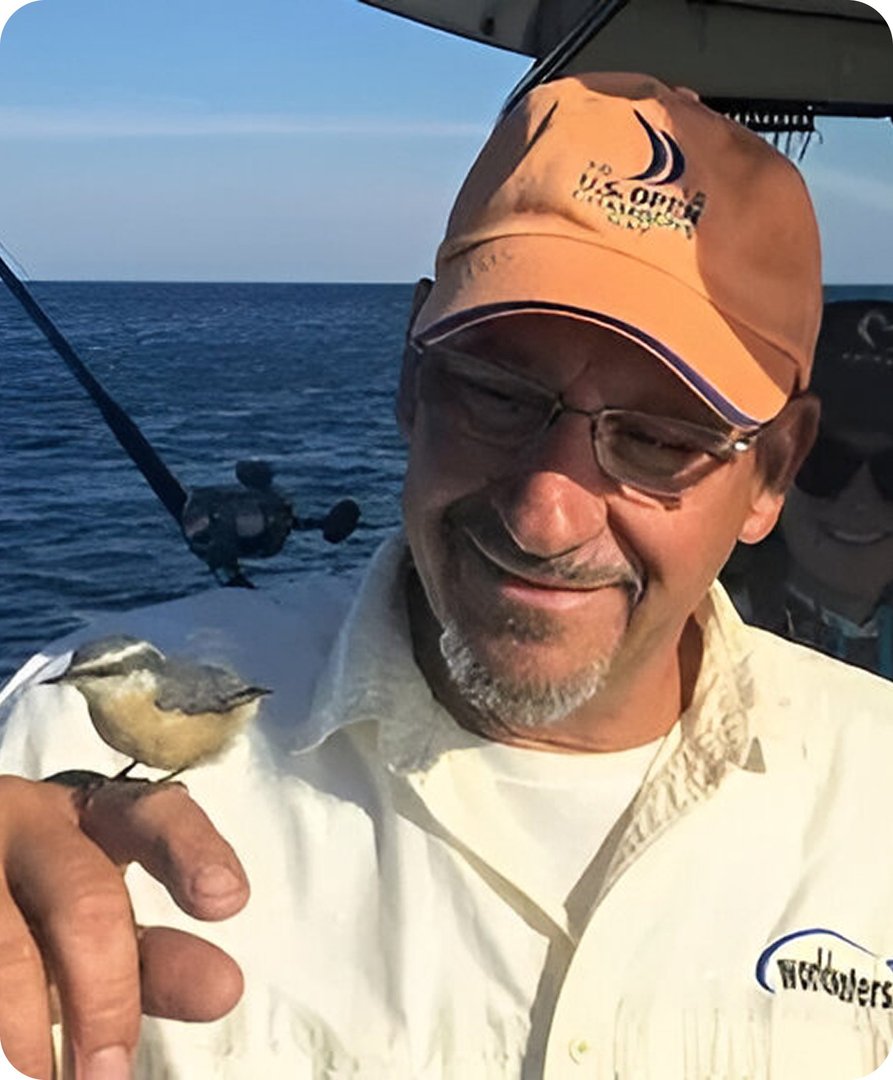
Hook & Heuver specializes in guided fishing adventures throughout Michigan's Northwestern Upper Peninsula, operating across pristine inland waters and the nearshore regions of Lake Superior. Led by Captain Jim LaBeske, a U.S. Coast Guard-licensed captain with over 50 years of deep local knowledge, the service brings unmatched expertise and familiarity to every outing. Whether targeting multiple species or pursuing specific catches, Hook & Heuver welcomes anglers of all skill levels—from first-timers to seasoned fishermen. The operation emphasizes sustainable practices, including Catch, Photograph, Release methods that honor the region's natural resources. Backed by a strong network of local guides and a genuine commitment to customer satisfaction, Hook & Heuver creates the kind of memorable experiences that keep anglers returning to these exceptional waters.
Frequently Asked Questions
How do you get to Isle Royale National Park for fishing?
Isle Royale is accessible only by ferry or seaplane — there are no roads to the island. The NPS Ranger III ferry runs from Houghton, MI to Rock Harbor (6 hours). The Isle Royale Queen IV runs from Copper Harbor, MI to Rock Harbor (3.5 hours). Ferries from Grand Portage, MN serve Windigo and Rock Harbor. Isle Royale Seaplanes offers 45-minute flights from Hancock, MI. No vehicles are allowed on the island.
What fish species can you catch at Isle Royale National Park?
Inland lakes hold northern pike, walleye, yellow perch, and lake trout (Siskiwit Lake only). Brook trout inhabit streams and some inland waters. Coaster brook trout — the lake-run strain — feed in the nearshore shallows of Lake Superior around the island. Coaster brook trout are catch-and-release only in all park waters.
Do you need a fishing license for Isle Royale?
For inland lakes and streams, no fishing license is required, but you must use only artificial lures with barbless hooks. For fishing in Lake Superior (including bays and harbors), a Michigan fishing license is required for anglers 17 and older. Live bait is prohibited in all interior waters.
What flies work best for brook trout at Isle Royale?
Isle Royale brook trout are not selective — they respond to standard attractor patterns. Royal Wulff, Parachute Adams, and Elk Hair Caddis in #12-16 cover dry-fly fishing. Small Woolly Buggers (#10-12), Mickey Finn, Muddler Minnow, and Black Ghost streamers work in the deeper pools and connecting streams. Pack light — one small fly box is plenty for a backpacking trip.
When is the best time to fish Isle Royale National Park?
July and August are the best months for combining fishing and backpacking. The inland lakes are accessible, brook trout feed actively on the surface, and mosquitoes ease by mid-July. Late August brings coaster staging in the bays. The park is open mid-April through October 31, but ferry service typically begins in mid-May or June depending on Lake Superior ice conditions.
Related Articles
The Elk Hair Caddis: How to Tie the Fly That Works Everywhere, All Season, on Everything
Tuesday, April 21, 2026
The Parachute Adams: How to Tie the One Fly Every Angler Carries and Why It Fools Everything
Monday, April 13, 2026
The Stimulator: The Stonefly-Caddis-Hopper-Attractor That Floats Through Anything
Thursday, March 12, 2026
 ™
™