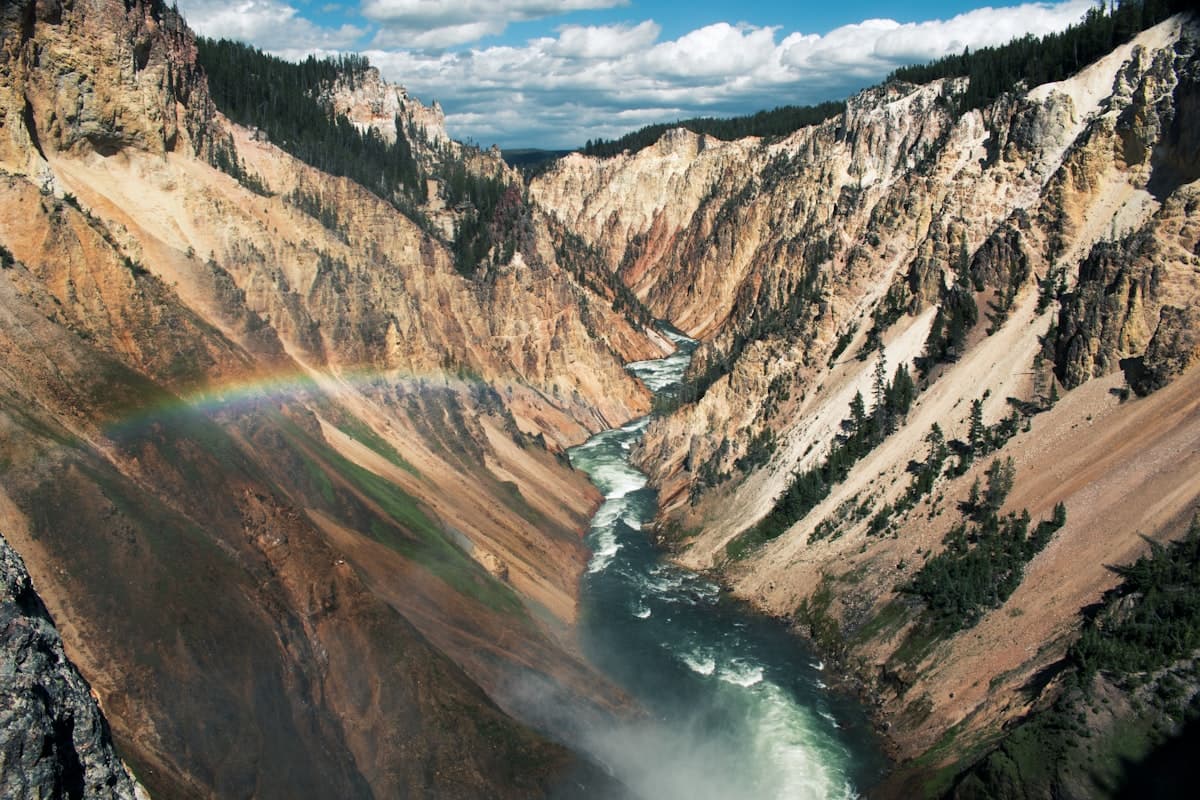
Fly Fishing Hawaii Volcanoes National Park: Trevally, Lava Shelves, and Casting on the Edge of Creation
Hawaii Volcanoes National Park puts you on the youngest coastline on earth — black lava rock still warm from Kilauea, crashing Pacific surf, and predatory trevally hunting the reef shelves at dawn. Here is the volcanic coast, the fly box, and the most primal shore fishing in the national park system.
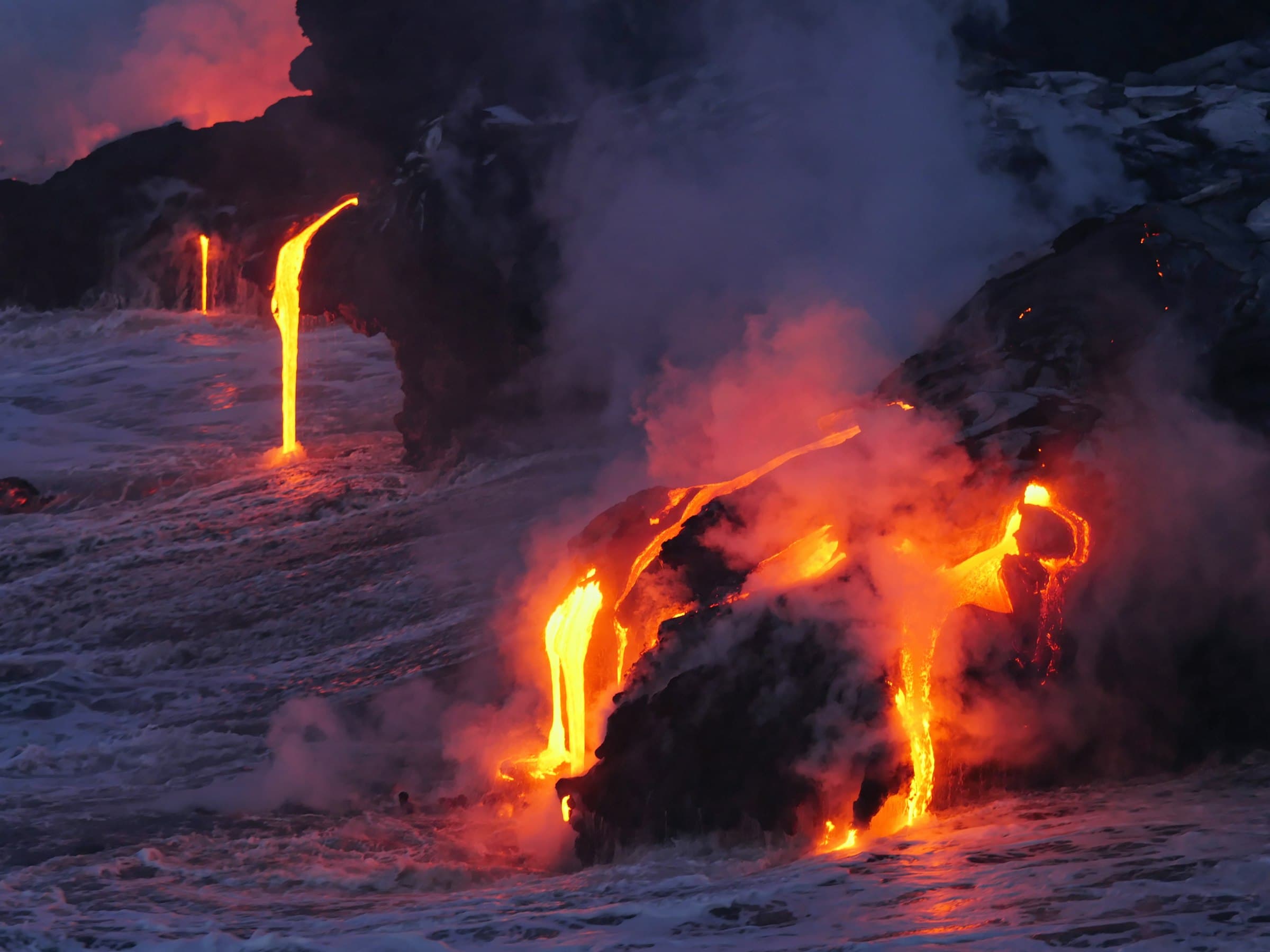
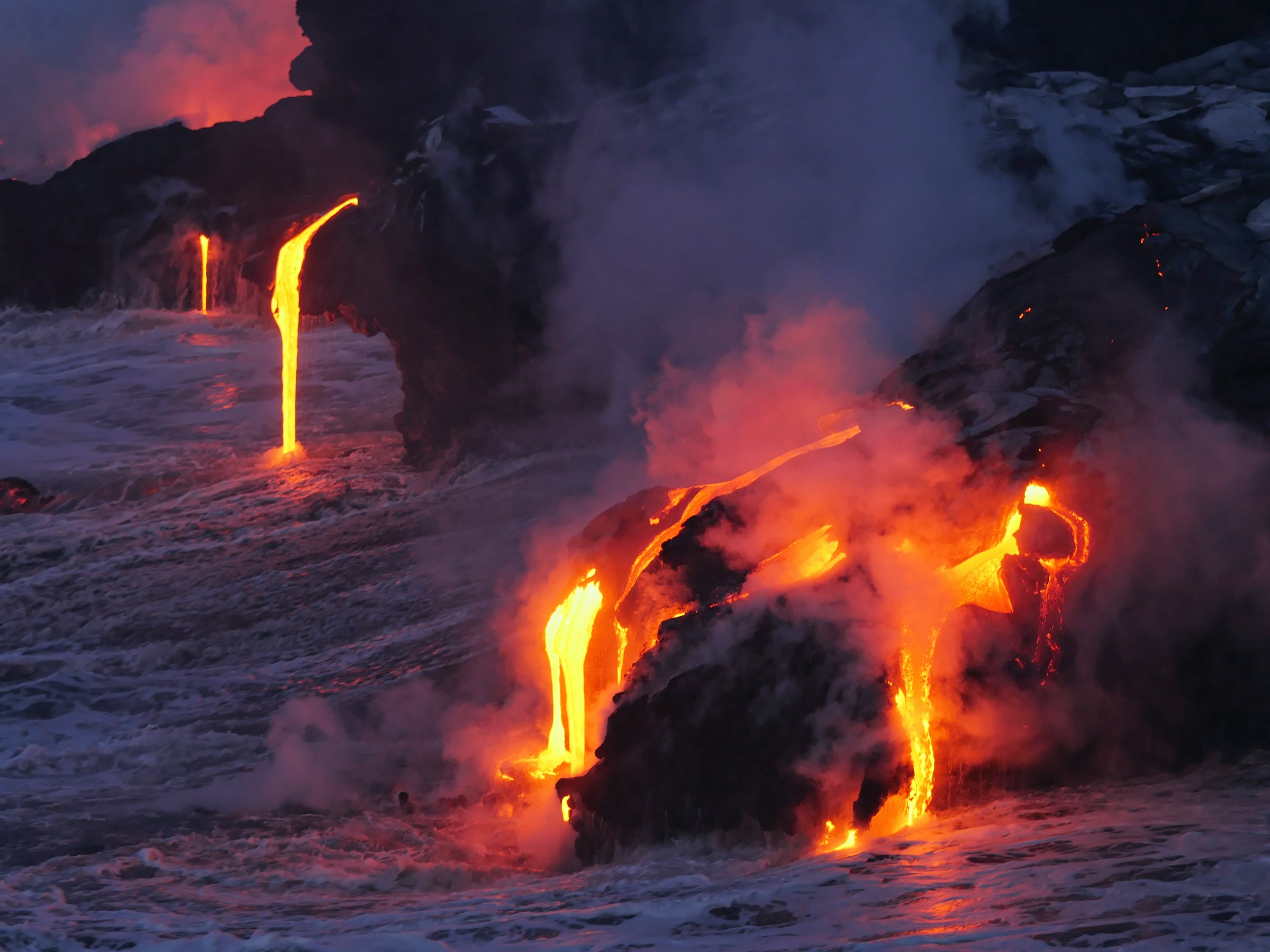
The ground you are standing on did not exist a geological heartbeat ago. Kilauea has been building this coastline for decades — molten basalt pouring from the rift zone, flowing downhill through ohia forest and across the coastal plain, dropping off lava cliffs into the Pacific where it explodes into steam and new black rock. The island is growing. The coast is moving seaward. And in the whitewater where that fresh rock meets the ocean, giant trevally — ulua, the apex predator of Hawaiian reef systems — hunt the turbulent edges where baitfish get disoriented by surge and current.
This is not trout water. This is not even conventional saltwater fly fishing in the way you would practice it on a Florida flat or a Bahamian bonefish lodge. This is shore casting from volcanic rock into the open Pacific, targeting fish that can weigh over a hundred pounds with jaws designed to crush crabs and coral, in water that is simultaneously beautiful and dangerous. The rock is sharp enough to cut through wading boots. The surf can sweep you off a ledge without warning. The fish, when you hook one, will try to drag you into the reef.
Nobody else in the national park system offers this. Yellowstone has geothermal features, but the fishing is cold-water trout in mountain streams. Lassen Volcanic has hot springs and a volcanic peak, but the fishing is planted rainbows in alpine lakes. Hawaii Volcanoes is the only park where the volcano is actively building the shoreline you fish from — where the geology and the angling are the same story told in different languages. One language is basalt and steam. The other is a ten-weight rod and a Clouser Minnow the size of your thumb.
The Volcanic Coast — Chain of Craters to the Sea
Chain of Craters Road drops 3,700 feet in nineteen miles, descending from the Kilauea caldera rim through a landscape of pit craters, lava tubes, and frozen rivers of pahoehoe and aa down to the Pacific coast. The road ends where a 2003 lava flow buried it — just stops, with a barricade and a wall of black rock where the pavement used to continue toward Kalapana. From that dead end, you can see the Holei Sea Arch, a natural rock bridge carved by wave action into the lava cliff, and miles of raw volcanic coastline stretching in both directions.
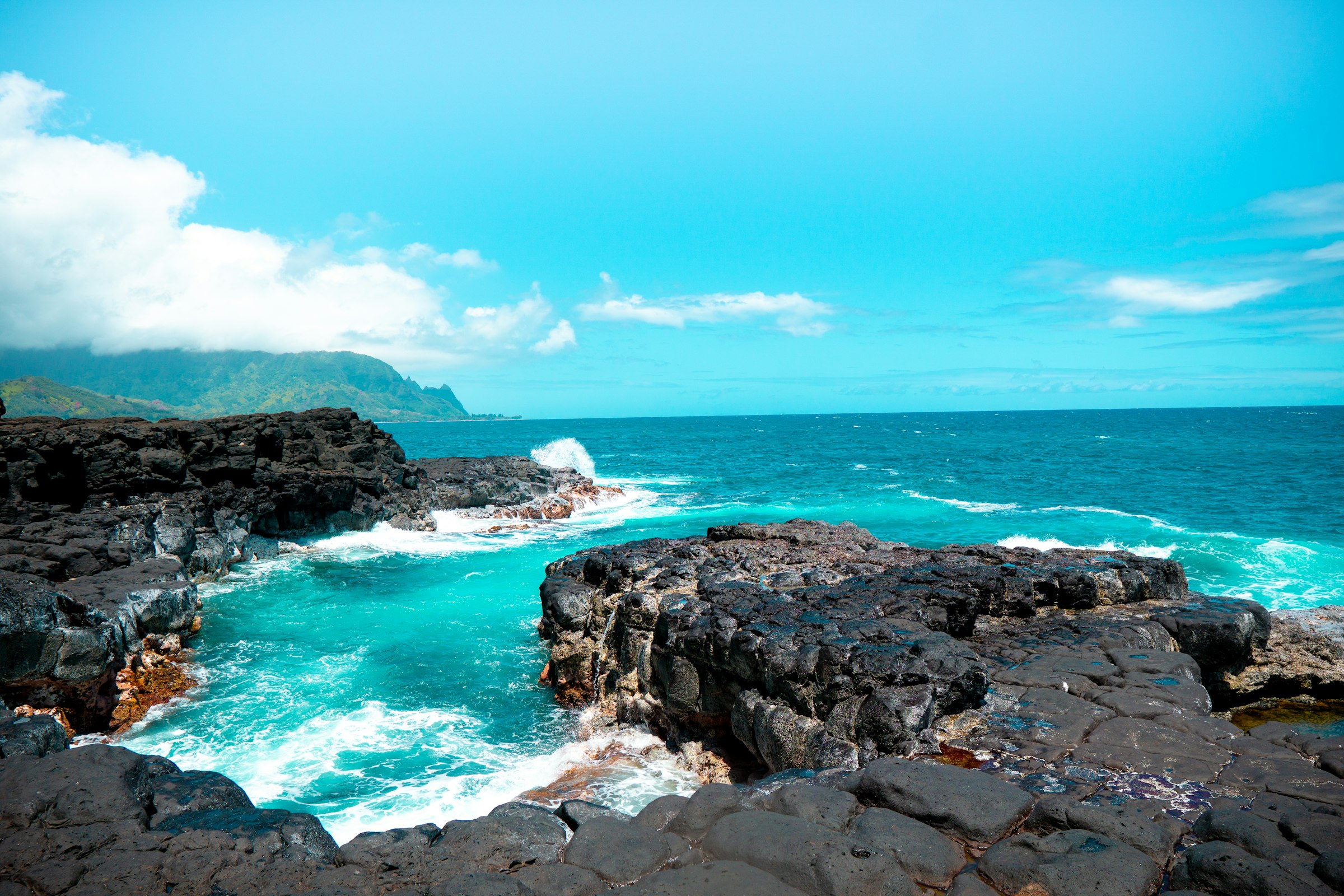
This coastal section of the park is where the fishing happens. The shoreline is not sand. There are no beaches in the mainland sense. The coast is a series of lava benches, sea cliffs, tidal shelves, and collapsed lava tubes where the Pacific punches into the rock with force that you can feel in your chest. The rock is black, porous, and textured — pahoehoe flows have ropy, undulating surfaces that provide surprisingly good footing when dry, while aa flows are jagged fields of broken clinker that will destroy boots and skin with equal indifference.
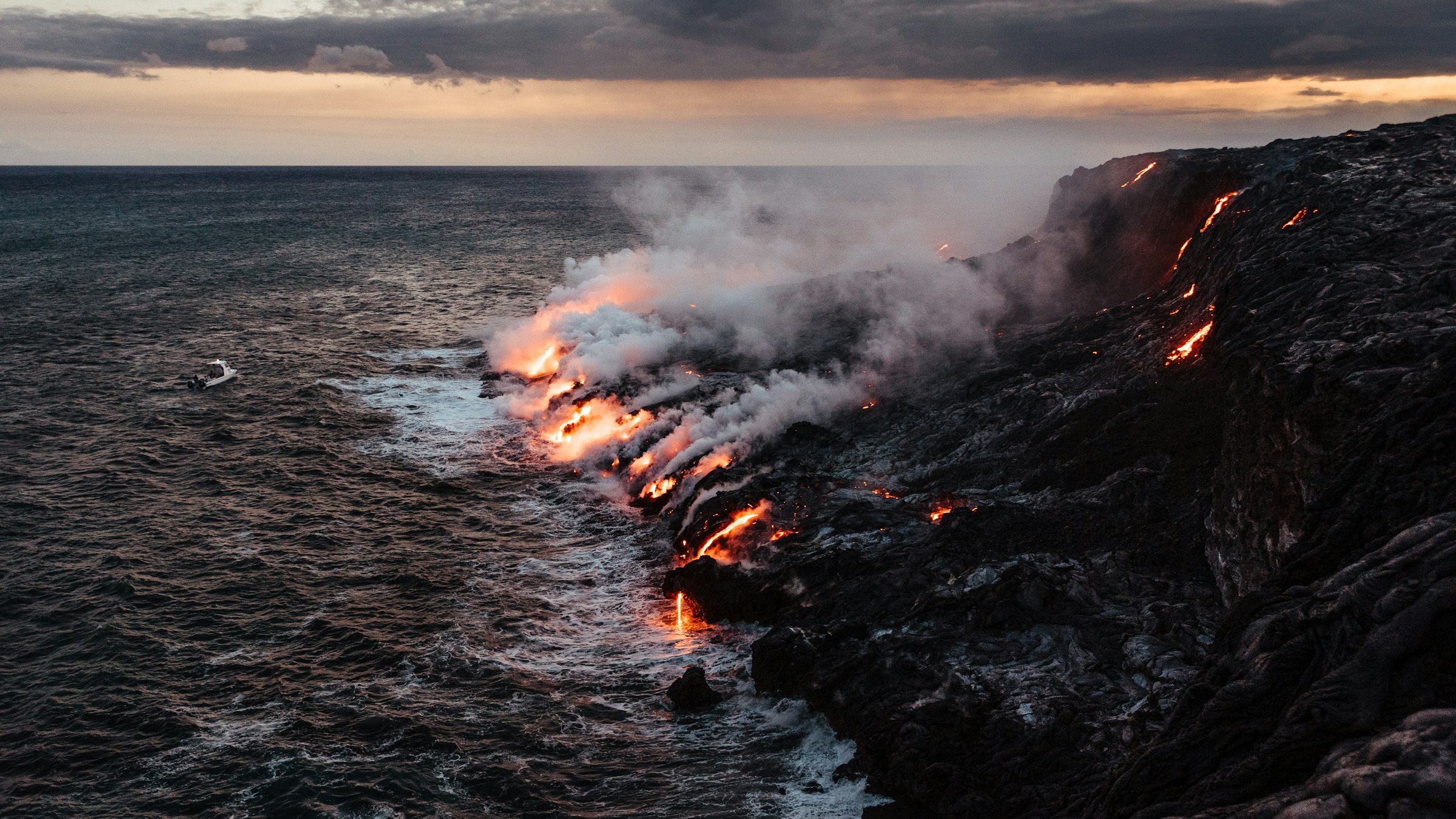
The fishing spots are the lava benches — flat or gently sloping shelves of pahoehoe that extend into the ocean, creating platforms from which you can cast into deep water. Some of these benches are only a few feet above the waterline. Others sit ten or fifteen feet above the surf. The best spots are where the bench drops off sharply into deeper water — three to six feet of depth within casting range — because that is where the trevally patrol.
A critical safety note: lava benches can collapse. The rock is young, unsupported in places, and undermined by wave action. Benches that look solid may have hollow cavities beneath them. If a bench collapses while you are standing on it, you are in the ocean in a surge zone against sharp rock. People have died this way. Stay well back from the edge of any bench that shows cracks, fresh breaks, or sounds hollow when you step on it. If the surf is high — stay off the benches entirely.
The Puna Coast Trail
The Puna Coast Trail runs roughly six and a half miles from the end of Chain of Craters Road southwest to the backcountry campsite at Apua Point. This trail traverses the coastal lava fields, crossing flows from different decades — you walk on rock that erupted in the 1970s next to rock from the 1990s, and you can see the difference in texture and weathering. The trail passes several points where lava shelves and benches provide access to fishable water.
Apua Point itself is a traditional Hawaiian fishing area with a small backcountry campsite. Camping here requires a free backcountry permit from the park's visitor center. The campsite puts you on the coast for dawn and dusk fishing — the two windows that matter most for trevally — without the hour-plus walk in darkness.
Further along the coast, the trail extends to Halape and Keauhou — remote backcountry areas with historic fishing significance. These are multi-day backpacking destinations. Halape has a small sand beach and brackish pool, and the coastal fishing there includes bonefish on the limited sandy flats in addition to the trevally along the rocky margins.
The Fish — Predators of the Reef
Ulua and Papio — Giant Trevally
The giant trevally — called ulua when mature, papio when juvenile — is the fish that defines Hawaiian shore fishing. This is the largest member of the jack family in Hawaiian waters, with adult ulua commonly exceeding forty pounds and trophy fish pushing past a hundred. They are built for power: deep-bodied, thick through the shoulders, with a forked tail designed for burst speed and a mouth that opens wide enough to engulf a fish half their length.
On a fly rod from shore, you are not realistically targeting the hundred-pound adults. Those fish are the domain of conventional ulua anglers who fish heavy rods with large live baits and circle hooks, anchored into the rock with rod holders bolted to the lava. What you are targeting with a fly rod is papio — juvenile giant trevally in the five-to-fifteen-pound range — and the occasional adult ulua in the twenty-to-thirty-pound class that comes within casting range of the lava shelves.
Even at ten pounds, a papio on a fly rod is a fight that redefines your understanding of the word. These fish do not make long runs like bonefish. They make short, violent, powerful surges directly into the reef structure — into the coral heads, the lava shelves, the crevices where they know the leader will break. A ten-pound papio on an eight-weight will put you into your backing in seconds and then turn and dive for the nearest cut in the rock. You will lose most of the fish you hook. That is the game.
The key to hooking trevally from the lava coast is timing. They feed most aggressively at dawn and dusk, when the light is low and the baitfish are active along the reef edges. Incoming tides are critical — as the water rises over the shallow reef shelves, it pushes small fish, shrimp, and crabs into the surge zone, and the trevally follow. The first two hours of an incoming tide at first light is the prime window. If you are going to fish the volcanic coast, be on the rock before the sun comes up.
Omilu — Bluefin Trevally
The bluefin trevally — omilu in Hawaiian — is smaller than the giant trevally but more commonly encountered on the fly. Omilu average one to five pounds, with large fish reaching eight to ten pounds. They are beautifully marked — blue-green with electric blue fins and small blue spots along the body — and they are fast. Painfully fast.
Omilu respond to speed. Where a papio might take a Clouser Minnow on a moderate strip, omilu want it moving. Strip as fast as you can — two-hand strips, hauling the fly through the water like a panicked baitfish — and they will chase it. If an omilu follows but does not commit, strip faster. They eat on the acceleration, not the pause. A five-pound omilu on a fast strip is a hookup that nearly pulls the rod out of your hand.
Omilu are found at almost every spot along the volcanic coast where there is reef structure and moving water. They are the most reliable trevally species on a fly rod — you will encounter them before you encounter papio, and they provide the practice you need for the bigger fish.
Other Species
Moi (Pacific threadfin) — a traditional Hawaiian food fish that feeds in the sandy shallows and surge zones. Moi are rarely targeted on the fly, but they will take small shrimp patterns (#6-8) drifted in the turbulent wash. They are more common near the few sandy areas along the coast, and catching one on a fly rod is a genuine achievement.
Barracuda (kaku) — present along the reef edges, especially near deeper drop-offs. Great barracuda can exceed forty inches and hit a fast-stripped Deceiver with startling violence. Wire tippet is mandatory if you are targeting them — their teeth will cut fluorocarbon like thread. Do not eat barracuda from nearshore waters due to ciguatera risk.
Bonefish (oio) — present but limited on the Big Island. The Kona Coast and Kohala Coast have better bonefish flats than the volcanic south coast. However, the sandy areas near Halape and some of the backcountry beaches hold small schools of bonefish that can be sight-fished on a low incoming tide. Our comprehensive Hawaii bonefish and trevally guide covers the broader Big Island bonefish fishery in detail — the volcanic coast is not the primary bonefish destination, but it is worth prospecting if you are already camped at Halape.
Needlefish (aha) — abundant along the surface in the nearshore zone. They hit fast-stripped streamers aggressively and fight with acrobatic jumps. Not a target species for most anglers, but they are the first fish you will see and often the first you will hook.
Reef fish — various species including goatfish, hawkfish, and small grouper (peacock roi) hold in the reef structure. They will take small Clouser Minnows and shrimp patterns fished slowly along the bottom. They are not the reason you are here, but they are part of the ecosystem you are fishing in.
The Fly Box — Volcanic Coast Patterns
The fly box for the Hawaii Volcanoes coast is a saltwater predator box. Nothing delicate. Nothing small. These fish eat baitfish and crustaceans in turbulent water, and the flies need to be visible, durable, and large enough to interest a fish with a mouth the size of your fist.
Streamers — The Workhorses
- Clouser Minnow (#1/0-2/0, blue/white, chartreuse/white, all white) — the most important fly in the box. The Clouser's weighted eyes get it down into the strike zone quickly, the bucktail breathes and pulses in the current, and the hook-point-up design reduces snags on the lava bottom. Blue over white is the standard Hawaiian baitfish imitation. Chartreuse over white is the dirty-water and low-light option. Tie them heavy — large dumbbell eyes, 60-pound wire weed guards if you want to fish them close to structure without losing every third cast.
- Lefty's Deceiver (#1/0-3/0, blue/white, chartreuse/white, all black) — the longer profile imitates the needlefish and halfbeaks that trevally eat along the reef edges. The Deceiver casts better than the Clouser in wind — and it is always windy on the volcanic coast — because the saddle hackle tail does not catch air the way bucktail does. Fish it on a fast strip.
- EP Baitfish (#1/0-2/0, silver/white, blue/white) — synthetic fiber baitfish patterns that are nearly indestructible. Trevally teeth shred natural materials. EP fibers survive multiple fish. The translucent body catches light in a way that natural bucktail cannot.
Topwater — Dawn and Dusk Predator Flies
- Miyawaki Beach Popper (#2-1/0, white, chartreuse) — a foam-bodied popper designed specifically for shore fishing. The foam body is durable enough to survive the reef and the teeth, and the cupped face pushes water and makes noise that draws trevally from distance. Fish it with hard pops and long pauses at first light.
- Crease Fly (#1/0-2/0, silver, blue) — a folded-foam surface fly that creates a V-wake when stripped. Less splash than a popper, more movement than a Gurgler. Effective when the trevally are feeding on the surface but rejecting the louder popper presentations.
- Saltwater topwater patterns — any durable surface fly in blue/white or silver that can survive the reef and the fish. Gurglers, sliders, and foam-head Deceivers all work.
Bonefish and Reef Patterns
- Crazy Charlie (#4-8, tan, pink, chartreuse) — for the limited bonefish opportunities at Halape and other backcountry beaches with sandy bottoms. Standard bonefish pattern that works globally.
- Christmas Island Special (#4-6, orange, tan) — another bonefish pattern with a heavier body that sinks faster in the surge. Named for its effectiveness in Pacific island fisheries, which makes it appropriate here.
- Saltwater shrimp patterns (#4-8, tan, olive, pink) — for moi, bonefish, and reef fish in the shallower areas. Small EP Shrimp and Avalon-style shrimp patterns in natural colors.
- Sand lance patterns (#2-4) — the slender profile works for imitating the small baitfish that school along the reef edges.
Bendbacks — The Reef-Fishing Solution
Bendback flies — any pattern tied on a hook bent at a 30-degree angle behind the eye, so the hook point rides up and back — are essential for fishing the volcanic coast. The lava bottom is a fly graveyard. Standard hook-point-down flies hang up on every cast. Bendbacks and Clousers (which ride hook-point-up by design) are the only patterns that survive repeated contact with the reef. Tie your Deceivers and EP Baitfish on bendback hooks if you want to keep them.
The Gear — Built for Power and Salt
Rod
A 9-foot 10-weight is the workhorse rod for the volcanic coast. The 10-weight handles the large flies, punches through the trade winds that blow fifteen to twenty-five knots along the coast on most days, and provides enough backbone to turn a papio away from the reef structure when it makes its first run. You need to stop these fish or they will reef you.
Bring an 8-weight as a second rod for omilu, reef fish, and bonefish prospecting. The 8-weight is more pleasant to cast all day and handles the smaller Clousers and shrimp patterns. But if a twenty-pound papio shows up while you are holding the 8-weight, you are undergunned.
If you are specifically targeting larger ulua from the shore — fish over twenty pounds — a 12-weight is appropriate. This is not finesse fishing. A twenty-pound trevally hooked from a lava shelf ten feet above the water, with coral heads below and surge pushing the fish sideways, requires hardware that can apply maximum pressure immediately.
Reel
A large-arbor saltwater reel with a sealed drag system and at least 200 yards of 30-pound gel-spun backing. Trevally make short, explosive runs, not long bonefish-style sprints, but the initial surge is violent enough to test any drag system. The reel must handle saltwater immersion — you will get splashed, and salt spray coats everything on the volcanic coast.
Line
Weight-forward floating line with a tropical taper — designed for warm water that softens standard fly lines into limp noodles. A short-head, aggressive-taper saltwater line that loads fast and turns over big flies in wind is essential. An intermediate line is useful for getting Clousers deeper along the reef edges when the tide is higher and the fish are holding in four to six feet of water.
Leader
9-foot leaders tapered to 20-pound fluorocarbon for trevally. These fish are not leader-shy — they are hunting in turbulent, churning water where visibility is limited by surge and foam. The heavy tippet lets you apply maximum pressure when the fish turns for the reef. Drop to 12-15-pound fluorocarbon for bonefish and omilu in calmer water. Add 15-20 pounds of wire for barracuda.
Footwear
This is the most important gear decision on the volcanic coast. The lava rock ranges from sandpaper-rough pahoehoe (good traction when dry, lethal when wet) to razor-sharp aa (will cut through cheap boots in minutes). Felt-soled tabi boots — the Japanese-style split-toe wading boots that Hawaiian shore fishermen have used for generations — provide the best grip on wet lava. Standard felt-bottom wading boots work but lack the ankle flexibility. Do not fish from lava rock in sandals, water shoes, or bare feet. The rock will cut you, and the cuts will get infected in the tropical humidity.
Timing — Tides, Light, and the Volcanic Clock
The Tide Window
The incoming tide is everything on the volcanic coast. As water rises over the shallow reef shelves, it floods the areas where small fish, shrimp, and crabs have been hiding in tidal pools and crevices. These prey animals get pushed out of their shelter and into open water. The trevally know this. They stage in the deeper water just off the reef edge, and as the tide comes in, they move onto the flooded shelves to hunt.
The prime window is the first two hours of an incoming tide at dawn. Set your alarm for the tide tables, not the sunrise. If the incoming tide coincides with first light — the thirty minutes before sunrise through the first hour after — you have the best possible conditions. The fish are hungry from an overnight fast, the baitfish are active and visible, and the low light reduces the fish's ability to see your leader and detect the fly as artificial.
The second-best window is the last two hours of light on an incoming evening tide. The dusk bite can be even more aggressive than the morning, but you lose it faster as darkness falls and you cannot see the water.
Moon Phase
New and full moons produce the strongest tides — the highest highs and the lowest lows. These extreme tides push more water over the reef shelves, bring more baitfish into the surge zone, and pull more predators into casting range. The two or three days around a new or full moon are prime time. Quarter moons produce smaller tidal swings and less dramatic feeding activity.
Seasonal Patterns
The volcanic coast fishes year-round — water temperatures stay between 74 and 82 degrees in every month, and trevally do not have the seasonal shutdown that cold-water species experience. That said, there are patterns:
- Summer (May–September): Larger trevally move closer to shore. The summer months produce the biggest papio and occasional ulua on the reef shelves. Trade winds are steady and strong — expect fifteen to twenty-five knots most afternoons. Fish the mornings when the wind is lighter.
- Winter (October–April): South swells can make the volcanic coast unfishable for days at a time. When the surf is up — six feet or more — stay off the lava benches entirely. Between swells, the fishing can be excellent. Winter is prime for moi in the surge zones.
- Year-round: Omilu are present and catchable in every month. They are the most consistent species on the coast.
The Broader Volcanic Coast — Beyond the Park
Punaluu Black Sand Beach
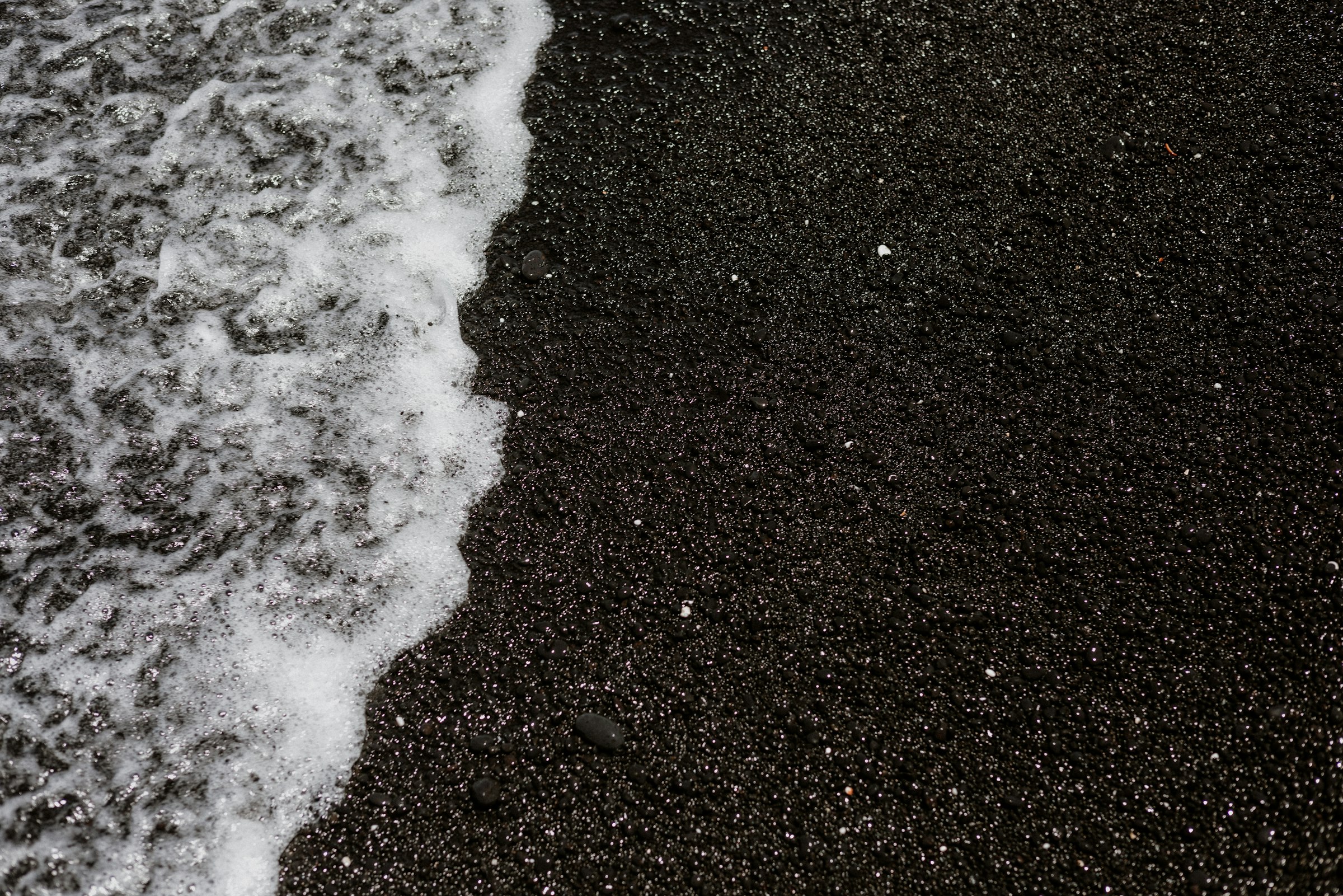
Punaluu Black Sand Beach sits roughly thirty miles south of the park boundary along Highway 11, between Pahala and Naalehu on the Ka'u coast. This is the Big Island's most famous black sand beach — volcanic sand ground from basalt by wave action over centuries — and it has been a fishing village since ancient Hawaiian times.
The beach itself is a mix of black sand and lava rock, with reef structure close to shore that holds papio, omilu, and reef fish. The lava rock points on either end of the beach provide platforms for fly casting into deeper water. Sea turtles haul out on the black sand here — give them space and do not disturb them. Punaluu has parking, restrooms, and a campground, making it a more accessible base for volcanic coast fishing than the backcountry camps inside the park.
South Point — Ka Lae
Ka Lae — South Point — is the southernmost point in the United States, roughly forty miles west of the park along the Ka'u coast. The fishing here is legendary. A confluence of ocean currents just offshore creates a nutrient upwelling that attracts baitfish, which attracts predators. Ulua fishermen have drilled holes into the lava cliffs here for rod holders, and conventional anglers camp for days waiting for the big fish.
For fly anglers, South Point is challenging — the cliffs are high, the currents are strong, and the wind blows hard. But the concentration of fish is unmatched anywhere on the Big Island coast. If you can find a lower shelf with safe access and a dawn incoming tide, the papio fishing at South Point can be extraordinary.
The Kalapana Coast
East of the park, the Kalapana coast was buried by lava flows in 1990. The town of Kalapana — once a fishing village with one of the Big Island's most popular black sand beaches — disappeared under seventy-five feet of basalt. New black sand beaches are forming as the ocean grinds the young lava into sand. The coast here is raw, new, and sparsely visited. Shore access requires walking across hardened lava fields, but the fishing along the new rock shelves can be productive for papio and omilu.
Regulations and Access
Fishing within Hawaii Volcanoes National Park is subject to specific regulations. The Kalapana extension area of the park grants exclusive fishing privileges to Native Hawaiian residents of adjacent villages and visitors under their guidance. Other coastal areas of the park may have different access rules — check with the park ranger station at the Kilauea Visitor Center before fishing inside park boundaries. Regulations can change based on volcanic activity, cultural resource protections, and coastal safety conditions.
Outside the park boundaries — at Punaluu, South Point, Kalapana, and other Big Island coastal access points — no license is required for recreational saltwater shore fishing in Hawaii. You can fish from any publicly accessible shoreline without a state permit. There are, however, species-specific regulations:
- Ulua (giant trevally): No minimum size limit, but the cultural and conservation value of large ulua is significant. Most fly anglers practice catch-and-release for all trevally.
- Moi (Pacific threadfin): Minimum size 11 inches. Bag limit applies. Check current Hawaii Division of Aquatic Resources regulations.
- Bonefish (oio): Catch and release is strongly encouraged.
- General: Some coastal areas are designated as Marine Life Conservation Districts or Fisheries Management Areas with additional restrictions. Check the Hawaii DLNR regulated areas map for the specific stretch of coast you plan to fish.
The Volcano — Why This Fishing Is Different
Kilauea has erupted dozens of times since 2018, when a major eruption on the lower East Rift Zone sent rivers of lava into the ocean at three separate entry points, creating acres of new land and destroying hundreds of homes in the Leilani Estates subdivision. The summit caldera of Halemaʻumaʻu — visible from the Crater Rim Drive overlook — has been erupting episodically since December 2024, with lava fountains and lake activity confined to the crater.
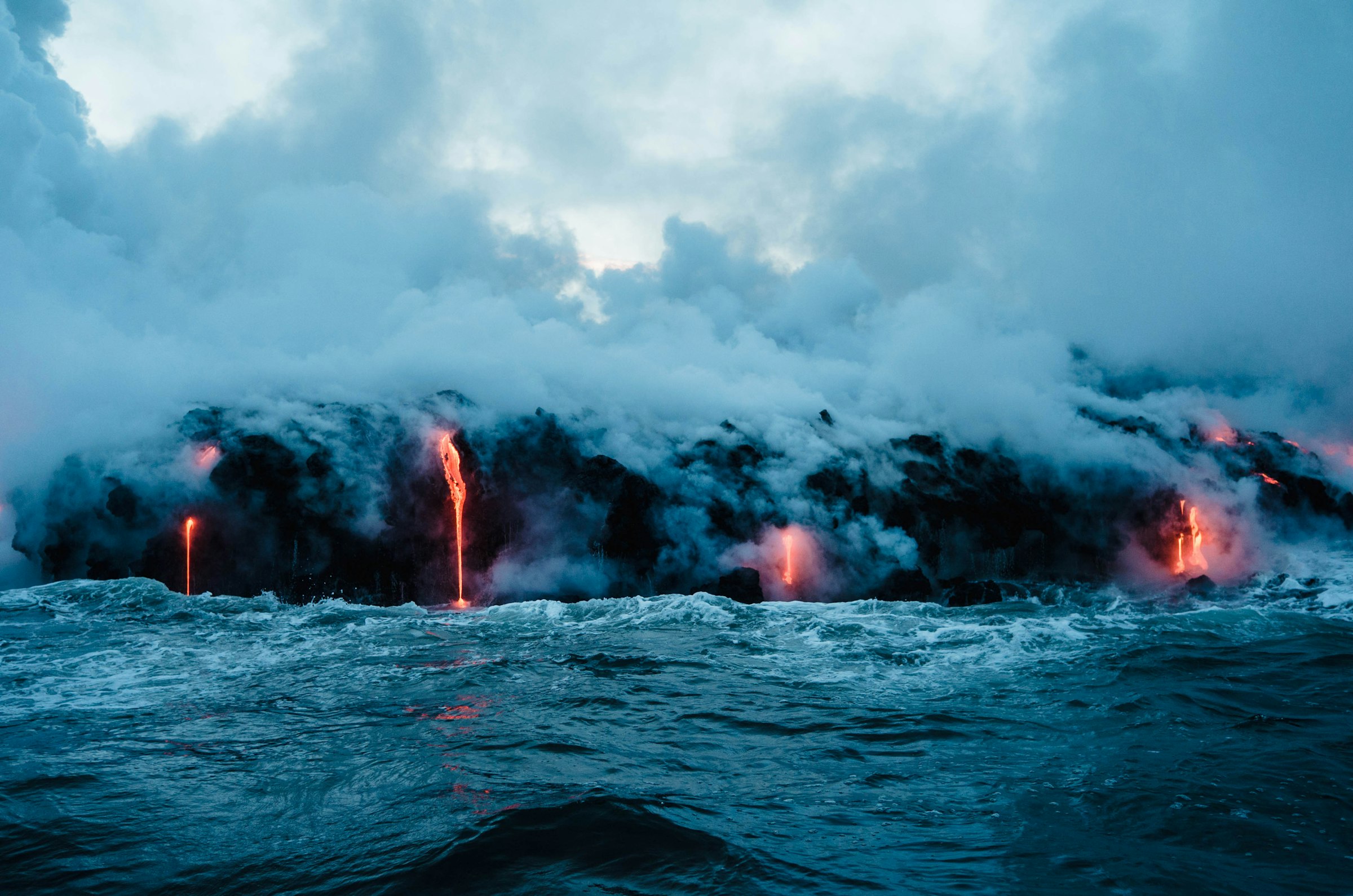
The connection between the volcano and the fishing is not metaphorical. When lava enters the ocean, it creates a phenomenon called laze — lava haze — a toxic plume of hydrochloric acid and volcanic glass particles. The ocean entry zones are deadly and off-limits. But the geological process that makes them dangerous is the same process that created the coastline you are fishing from. Every lava bench, every sea cliff, every reef shelf on the volcanic coast was created by an eruption. Some of this rock is decades old. Some of it is centuries old. All of it was once molten.
The fish do not care about the geology. But you should. Standing on rock that was liquid within living memory, casting into water where the island is still growing, with the glow of an active summit eruption visible on the clouds at night — this is fishing in a context that no other destination on earth can provide. The Dry Tortugas give you remote saltwater in a national park. Biscayne gives you flats fishing in a tropical park. The Virgin Islands give you Caribbean reef fishing. The Channel Islands give you Pacific kelp forest fishing. None of them give you this — a volcano and a predator and the edge of creation, all in the same cast.
Planning the Trip
Getting There
Fly into Hilo International Airport (ITO) on the east side of the Big Island — it is the closest airport to Hawaii Volcanoes National Park, roughly thirty miles and forty-five minutes by car. Kona International Airport (KOA) on the west side is the other option, roughly two and a half hours from the park but closer to the Kohala Coast bonefish flats covered in our Hawaii bonefish and trevally guide.
A rental car is mandatory. There is no public transportation to the park or to any of the coastal fishing access points.
Where to Stay
Volcano Village — the small community at the park entrance — has vacation rentals, bed-and-breakfasts, and the Volcano House hotel inside the park on the caldera rim. Staying in Volcano puts you thirty to forty-five minutes from the coast via Chain of Craters Road.
Pahala or Naalehu — small towns on Highway 11 south of the park — put you closer to Punaluu Black Sand Beach and the Ka'u coast fishing.
Hilo — a full-service town with hotels, restaurants, and fishing supply stores. Hilo's bayfront is also worth prospecting with a fly rod — papio and omilu cruise the breakwater.
Combining Fishing Destinations
The Big Island is large enough that a fishing-focused trip should cover multiple coastlines. Spend two or three days on the volcanic south coast — the park, Punaluu, and South Point — then drive to the Kona and Kohala coasts for the bonefish flats and the clearer-water trevally fishing described in our Hawaii bonefish and trevally guide. The contrast between the black lava coast of the south and the white coral flats of the west is dramatic, and the fly-fishing opportunities are complementary rather than redundant.
The Everglades is the closest comparison in the national park system for predator-focused saltwater fly fishing — different species, different water, but the same intensity and the same emphasis on understanding tides, structure, and the feeding behavior of large, powerful fish.
Why Hawaii Volcanoes
Most people visit Hawaii Volcanoes National Park to see the volcano. They drive Crater Rim Drive, look into Halemaʻumaʻu, walk through the Thurston Lava Tube, and drive down Chain of Craters Road to the coast. They take pictures of the Holei Sea Arch and drive back up to Volcano Village for dinner. The fishing never occurs to them.
That is your advantage. The volcanic coast is empty at dawn. The surf is crashing, the trade winds are just beginning to build, and the sky is turning orange over Mauna Kea to the north. You are standing on black rock that Kilauea built, wearing felt-soled tabi boots and holding a ten-weight loaded with a blue-and-white Clouser. The incoming tide is pushing water over the reef shelf in front of you. Something is feeding in the whitewater — you can see the boils, the flashes of silver and blue as omilu slash through a school of baitfish pinned against the lava.
You cast. You strip fast — two-hand strips, hauling the fly through the surge like a panicked baitfish trying to escape. The hit comes on the acceleration. The rod bends into the cork and the reel screams and the fish turns for the reef and you hold on with everything the ten-weight has. The volcano is erupting behind you. The ocean is building new land in front of you. And somewhere in the whitewater, a fish that has been hunting this reef since before the rock was cold is trying to break you off.
That is Hawaii Volcanoes. Pack the Clousers, the Deceivers, and the poppers. Bring the heavy rod and the tabi boots. Fly into Hilo and drive south to the volcano. Fish the dawn tide on the lava coast, hike the crater rim at midday, and watch the summit glow at night. There is no other place like this in the national park system. There is no other place like this on earth.
Top Fishing Guides in Kailua Kona
Papio and omilu trevally slash through baitfish in the whitewater over volcanic lava shelves, hitting blue-and-white Clousers on fast two-hand strips. Shore fly fishing the Big Island's Kilauea coast on an incoming tide with a 10-weight is unlike anything else in the national park system — raw, volcanic, and explosive.
Sea Baby III
Kailua Kona, HI, US
5.0 (156 reviews)
Sea Baby III Sea Baby III operates as a premier big game fishing charter along the legendary Kona Coast of Hawaii's Big Island. The operation specializes in pursuing Blue Marlin, Striped Marlin, Ahi, Ono, Mahi Mahi, Spearfish, and Yellowfin and Skipjack Tuna—offering anglers diverse opportunities in some of the world's most productive waters. The custom-built 35' Funai Sportfisher combines comfort with capability, enabling the crew to access prime fishing grounds efficiently while maintaining a pleasant experience throughout the day. The experienced team brings genuine dedication to creating memorable adventures, backed by an impressive track record that includes Blue Marlin exceeding 1,195 pounds.

Ms. Conduct Sport Fishing
Kailua Kona, HI, US
4.8 (21 reviews)
Ms. Conduct Sport Fishing Ms. Conduct Sport Fishing brings over three decades of expertise to the legendary waters off Kailua-Kona, Hawaii. Their professional crew specializes in pursuing marlin, ahi, mahi mahi, and ono, guiding both seasoned anglers and enthusiastic newcomers to unforgettable catches in the Big Island's premier fishing grounds. The intimate 6-passenger sportfishing vessel provides the perfect balance of comfort and accessibility, allowing guests to focus on the experience rather than the crowds. Ms. Conduct offers flexible trip options ranging from half-day to full-day charters, complete with all necessary tackle and equipment. For those seeking variety, their distinctive fish and snorkel combination tours blend world-class sport fishing with underwater exploration—ideal for families looking to experience Hawaii's vibrant marine ecosystem together.
Kona Family Fishing
Kailua Kona, HI, US
Kona Family Fishing brings the magic of Hawaii's waters to families of all ages. Based in Kona on the Big Island, this charter service specializes in creating unforgettable experiences tailored specifically for young anglers and their families. Each outing combines fishing with complementary activities like snorkeling and wildlife encounters, offering something for everyone aboard. The team prioritizes safety and comfort above all, operating a well-maintained fleet and staffing trips with experienced captains and crews who embody genuine Hawaiian hospitality. Whether families seek short, adventure-packed outings designed for children or intimate whale watching excursions, Kona Family Fishing crafts personalized trips that balance excitement with relaxation in one of the world's most stunning fishing destinations.
Recommended Gear
Orvis Clearwater Fly Rod Outfit 8wt
Mid-tier — bonefish, redfish, baby tarpon ($400)
Sage Salt HD 8wt
Premium — purpose-built for saltwater flats ($950)
Redington Vice Combo 8wt
Entry level — starter saltwater outfit ($250)
Scientific Anglers Amplitude Bonefish Line
Hot-weather flats line ($50)
Clouser Minnow Chartreuse/White
Most versatile saltwater fly ($3)
Crazy Charlie White Size 6
The classic bonefish fly ($3)
Frequently Asked Questions
Can you fly fish at Hawaii Volcanoes National Park?
Shore fishing along the volcanic coast near the park is possible, but fishing within park boundaries is subject to specific regulations. The Kalapana extension area grants exclusive fishing privileges to Native Hawaiian residents and their guests. Check with the park ranger station for current access rules. Nearby areas outside the park — Punaluu Black Sand Beach, South Point, and the Kalapana coast — offer unrestricted shore fishing with no license required.
What fish can you catch from shore near Hawaii Volcanoes National Park?
The primary fly-rod targets are papio (juvenile giant trevally, 5-15 pounds), omilu (bluefin trevally, 1-5 pounds), and occasional adult ulua (giant trevally, 20+ pounds). Other species include moi (Pacific threadfin), barracuda, bonefish on limited sandy flats, needlefish, and various reef fish. Trevally are the apex predators of the reef system and the primary target.
What flies work for trevally on the Big Island volcanic coast?
Clouser Minnows in blue/white and chartreuse/white (#1/0-2/0) are the most important flies. Lefty's Deceivers, EP Baitfish patterns, and foam poppers like the Miyawaki Beach Popper round out the box. For omilu, strip the fly as fast as possible — they eat on the acceleration. For bonefish on sandy flats, use Crazy Charlies and shrimp patterns in sizes 4-8.
When is the best time to fish the volcanic coast of the Big Island?
The first two hours of an incoming tide at dawn is the prime window. Trevally feed most aggressively in low light when incoming tides push baitfish over the reef shelves. New and full moons produce stronger tides and better fishing. Summer months (May-September) bring larger trevally closer to shore. The coast fishes year-round in water temperatures of 74-82 degrees.
Do you need a fishing license for shore fishing in Hawaii?
No. Hawaii does not require a license for recreational saltwater shore fishing. You can fish from any publicly accessible shoreline on the Big Island without a state permit. However, there are species-specific size and bag limits, and some coastal areas are designated as Marine Life Conservation Districts with additional restrictions. Check current Hawaii DLNR regulations for the specific area you plan to fish.