
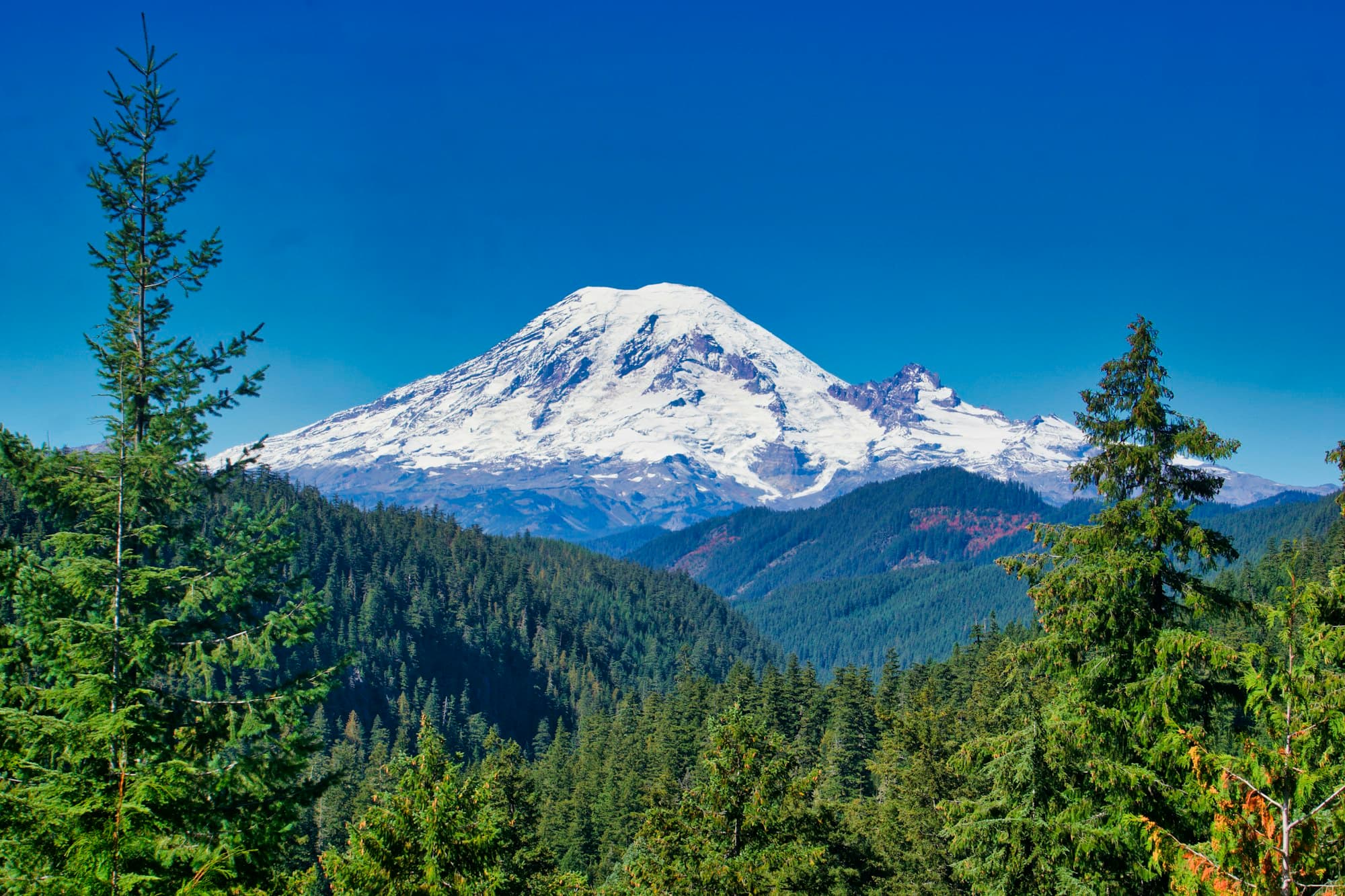
Fly Fishing Mount Rainier National Park: Glacier Silt, Clear Streams, and Wild Cutthroat Under the Volcano
Mount Rainier is a hiking destination where fly fishing is the quiet bonus. Most rivers run milky with glacial silt, but the Ohanapecosh flows clear through old-growth forest, holding native coastal cutthroat that eat attractor dries without hesitation. Here's how to fish the mountain that defines the Pacific Northwest skyline.
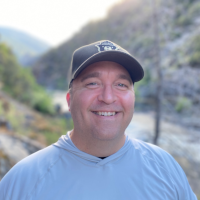
Mount Rainier is 14,411 feet of glaciated stratovolcano, and on a clear day it dominates the skyline from Seattle to Portland. People who live in the Pacific Northwest don't call it Mount Rainier. They call it "the Mountain," and when it's visible on a winter morning — white and enormous above the dark treeline — someone in every office and coffee shop will say "the Mountain is out." It's the defining landmark of the region, and it draws over two million visitors a year to its national park.
Almost none of them bring a fly rod.
That's not because the fishing is bad. It's because Mount Rainier is so overwhelmingly a hiking and wildflower destination that the fishing never makes the brochure. The wildflower meadows at Paradise and Sunrise — lupine, Indian paintbrush, avalanche lily, bear grass — are among the most spectacular in North America, blooming in a compressed riot between late July and mid-August when the snowpack finally retreats above 6,000 feet. The Wonderland Trail, a 93-mile loop circumnavigating the mountain, is one of the most coveted backpacking permits in the country. People plan their Rainier trips around flowers and trails, not fish.
But the fish are there. And if you know which waters to look for — and more importantly, which to avoid — you can have a day of small-stream cutthroat fishing in old-growth forest with the biggest glaciated peak in the Lower 48 hanging over your shoulder. It won't be the most productive day of trout fishing you've ever had. But it might be the most beautiful.
The Glacial Silt Problem
Here's the thing most people don't realize about Rainier until they see it: the mountain has 25 named glaciers and over 36 square miles of permanent ice. That's more glacial ice than any peak in the contiguous United States. And glaciers grind rock into powder — glacial flour, it's called — and that powder washes into every river that drains the mountain's flanks.
The White River, flowing off the massive Emmons Glacier on the northeast side, is milky turquoise year-round. It's beautiful to look at, and it's absolutely unfishable. You can't see a fly on the surface, and the fish can't see food in the water column. The Nisqually River, draining the south side through the park's main entrance at Longmire, runs the same glacial grey. The Puyallup, the Carbon, the Tahoma Creek drainage — all glacier-fed, all carrying enough suspended sediment to make fly fishing pointless.
This is the fundamental challenge of fishing Mount Rainier: the park holds six major river systems, and most of them are too silty to fish during the summer melt season. The glaciers that make the mountain magnificent also make most of its water opaque.
But not all of it.
The Ohanapecosh — Rainier's Fishable River
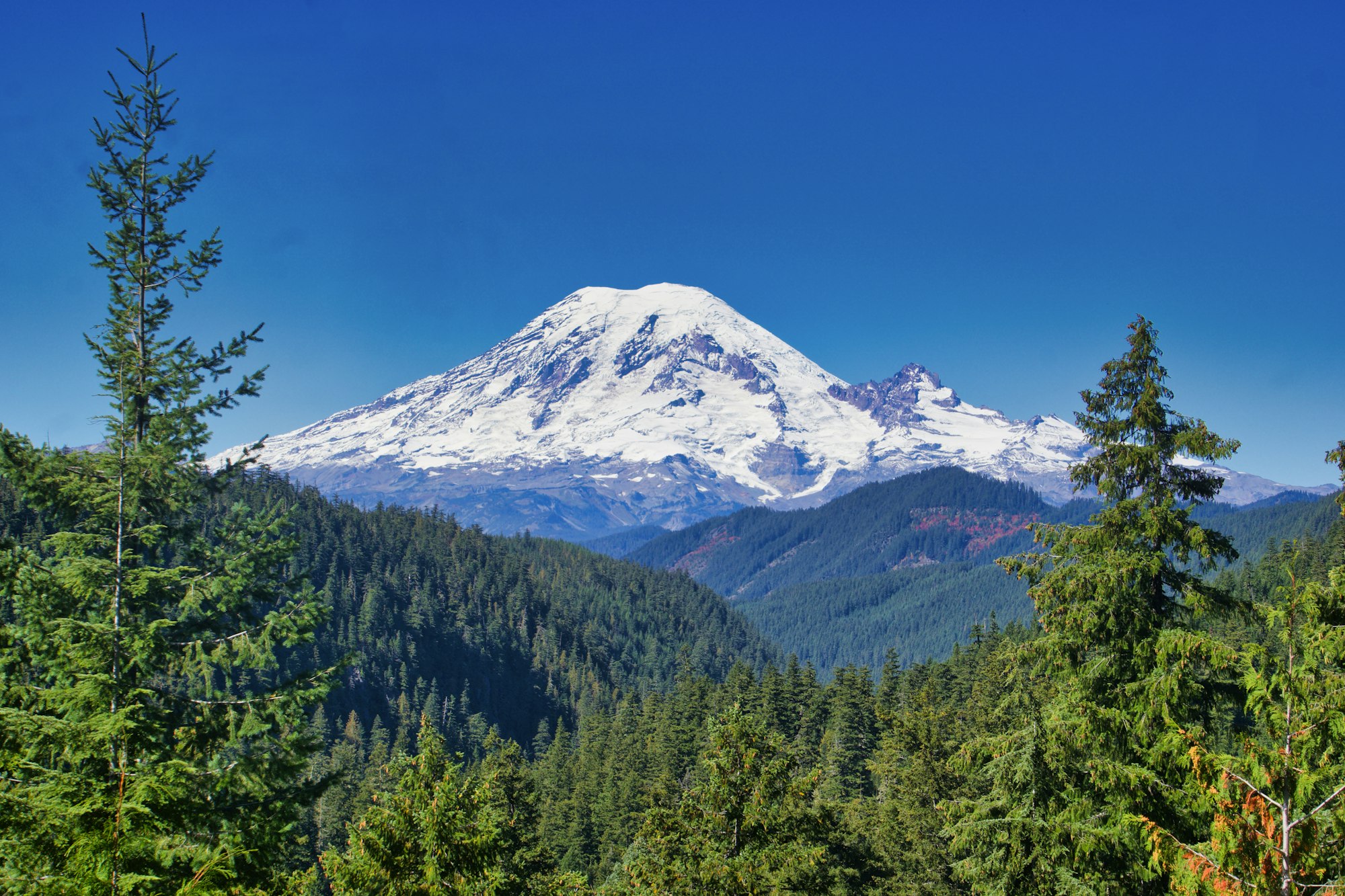
The Ohanapecosh River enters the park from the southeast, and it's the exception that makes Rainier fishing worthwhile. Unlike the Nisqually and White rivers, the Ohanapecosh isn't glacier-fed — it originates from snowmelt and springs on the east side of the Cowlitz Divide, well away from the glacial systems. The water runs clear, with a faint green tinge, through corridors of old-growth Douglas fir, western red cedar, and western hemlock. Some of these trees are 500 to 1,000 years old, and the forest floor is carpeted in moss and fern. It's one of the most beautiful stream settings in Washington.
The Ohanapecosh is a modest stream — maybe 20 to 40 feet wide in most stretches, with a mix of riffles, runs, pocket water behind boulders, and the occasional deeper pool. The fish are native coastal cutthroat trout (Oncorhynchus clarkii clarkii), with some rainbow trout and non-native brook trout mixed in. Don't come expecting size. A 9-inch cutthroat is a good fish on the Ohanapecosh, and a 12-inch fish is the catch of the day. These are small, wild, pretty trout in a spectacular setting — and they eat dry flies without much persuading.
The best access is near the Ohanapecosh Campground in the park's southeast corner, where a bridge crosses the river and trails follow the bank. Getting to the water often means bushwhacking through dense understory or scrambling down steep banks — this isn't a manicured access situation. Wear felt-soled wading boots or cleated rubber soles on the slippery river rocks, and expect to work for your access points.
What Works on the Ohanapecosh
These cutthroat are not picky. They live in cold, nutrient-limited water with a short growing season, and they eat what comes by. Attractor dry flies in #12-16 are the move:
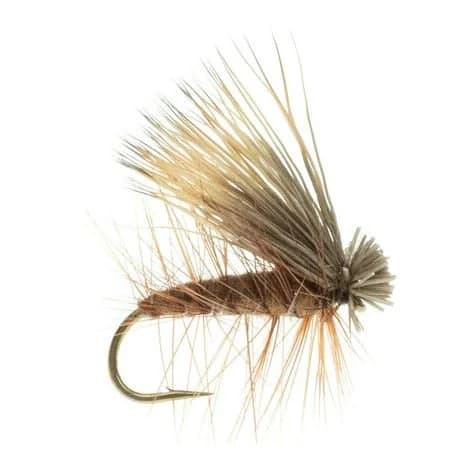
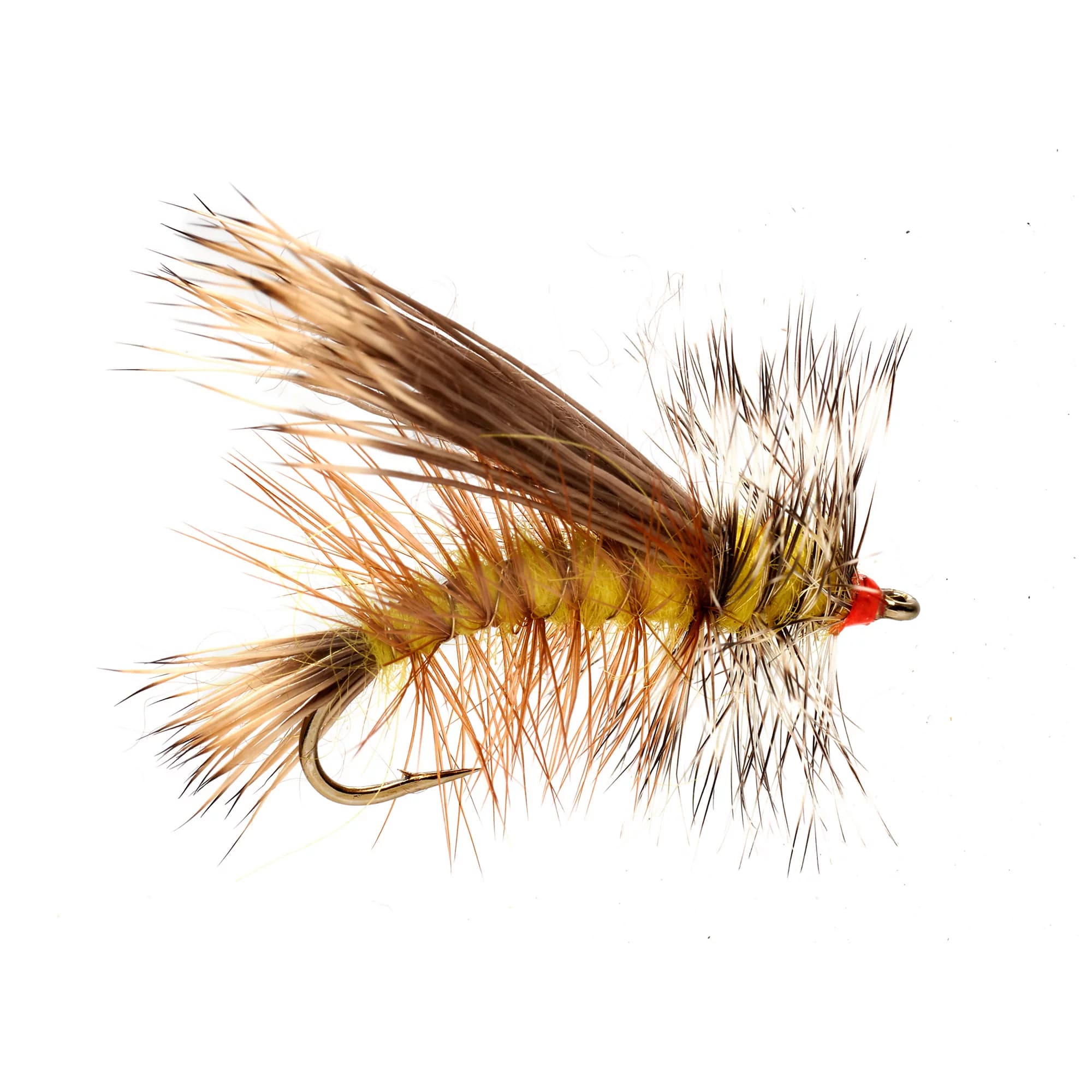
Dry flies: Elk Hair Caddis (#14-16) is the single best fly for the Ohanapecosh — caddis are the dominant insect in Cascade streams and the fish key on them from June through September. Stimulators (#12-14, orange or yellow) work as both stonefly and searching patterns. A Parachute Adams (#14-16) will take fish when nothing specific is hatching. Royal Wulff (#12-14) — the classic attractor — is arguably overkill for fish this willing, but there's something satisfying about a wild cutthroat eating a Royal Wulff against a backdrop of old-growth forest. A Chubby Chernobyl (#12-14) works as a hopper-dropper anchor during the warm months — suspend a Zebra Midge or Copper John 18 inches below it.
Nymphs: A Pheasant Tail (#14-16) or Hare's Ear (#12-14) fished under an indicator through the deeper runs will pick up fish that aren't looking up. Prince Nymphs (#12-14) and Copper Johns (#14-16) work in the faster pocket water.
The October Caddis: If you're in the park in late September or October, the Ohanapecosh gets a hatch of giant October Caddis — big orange-bodied insects that bring the largest cutthroat to the surface. An orange Stimulator in #8-10 is the match. The stream season in the Ohanapecosh watershed runs through October 31, so you can catch this hatch legally.
The Ohanapecosh is fly-fishing-only water. Artificial flies and lures only, single-point barbless hooks, and all native species must be released. Non-native brook trout may be kept with no limit — the park actively encourages removing them to protect native cutthroat.
The Carbon River and Mowich Lake
The northwest corner of the park offers a different fishing experience. The Carbon River itself carries glacial silt from the Carbon Glacier, but Mowich Lake — the park's largest and deepest lake at 4,929 feet — sits in a glacial cirque with remarkably clear water and trout that cruise the shoreline.
Mowich Lake holds brook trout and kokanee salmon, both non-native. The kokanee are the landlocked form of sockeye salmon, stocked decades ago, and they turn a dramatic red during their fall spawning run. The brook trout average small — 8 to 10 inches — but they're aggressive and willing to eat a Woolly Bugger (#8-10, black or olive) stripped along the drop-off, or chironomid patterns fished under an indicator in the mornings.
Getting to Mowich Lake requires driving 13 miles of unpaved road from Highway 165, and the road typically doesn't open until late June or early July depending on snowpack. The remote access keeps pressure low. A float tube would be ideal here but requires carrying it in — there's no boat ramp, and motorized boats are prohibited. Most anglers fish from shore, casting Woolly Buggers, small Muddler Minnows, or damselfly nymphs along the shallow edges.
The Carbon River and Mowich watersheds close to fishing on Labor Day — earlier than the Ohanapecosh — because the White, Carbon, Mowich, West Fork, and Huckleberry watersheds protect spawning runs of threatened bull trout and Puget Sound steelhead.
The Alpine Lakes — Backcountry Bonus
Mount Rainier holds approximately 382 lakes and ponds, and about 35 of them still support self-sustaining populations of trout — remnants of a massive stocking program that put over nine million fish into park waters between 1915 and 1972. The park stopped stocking over fifty years ago, but some of those planted populations survived and reproduced.
The fishable alpine lakes are accessed by trail — typically 3 to 8 miles with significant elevation gain. Sunrise Lake, Louise Lake, Bench Lake, and Snow Lake are among the more accessible options with reproducing trout populations. These are small lakes in alpine meadows or subalpine forest, most of them above 4,500 feet, ice-free only from July through October.
Alpine lake fishing at Rainier follows the universal high-altitude stillwater playbook: chironomids in the morning, damselfly nymphs along weed beds if they exist, Callibaetis if there's a hatch, and small Woolly Buggers or balanced leeches as searching patterns. A Griffith's Gnat (#18-20) or Zebra Midge (#18-20) fished in the surface film during a midge hatch can be surprisingly productive. The fish in these lakes don't see many flies — they're opportunistic and often aggressive.
Lake regulations differ from streams: multipoint and treble hooks are allowed (though barbless single hooks are still better practice), and there are no daily or annual catch limits on non-native species. All native fish must still be released. A few lakes are closed entirely — Tipsoo Lake, Shadow Lake, and Reflection Lake are closed to protect riparian vegetation, and Frozen Lake is closed as a water supply.
The Gear
Rainier fishing is minimalist. You're hiking first and fishing second, so everything needs to fit in or on a backpack.
Rod: A 4-piece 9-foot 4-weight is the right tool. Light enough for the small cutthroat in the streams, enough backbone for casting small streamers on the alpine lakes. If you're committed to the lakes and plan to fish chironomids deep, a 5-weight gives you better indicator control in wind.
Leaders: 9-foot tapered to 5X for the streams. The Ohanapecosh cutthroat aren't leader-shy — 4X would work fine — but 5X gives you a more natural drift on the riffles. For the lakes, go to 12-foot leaders tapered to 5X or 6X for midge and chironomid fishing.
Line: Weight-forward floating. You won't need a sinking line or sink-tip anywhere in the park. An intermediate line on the lakes would be nice but isn't worth carrying if you're hiking in.
The essentials you'll forget: Polarized sunglasses are critical for spotting fish in the Ohanapecosh's clear water. A collapsible wading staff helps on the river's rounded, slippery rocks. And bring a rain jacket regardless of the forecast — Rainier generates its own weather, and afternoon thunderstorms roll in fast.
The Season — Short and Sweet
The fishing window at Rainier is compressed. Streams open the first Saturday in June, but realistically the high-country roads (Sunrise, Mowich Lake Road) don't open until late June or early July depending on snowpack. The alpine lakes may still have ice into early July. The practical fishing season is July through September — three months.
Within that window, August is the sweet spot. The wildflower meadows are at peak bloom. The alpine lakes are ice-free and warming. The Ohanapecosh is running at manageable flows. The weather is the most stable it'll be all year (though "stable" at Rainier is relative — the mountain makes its own clouds). And the cutthroat have been feeding for two months and are at their most active.
September brings smaller crowds, cooler air, and the beginning of the October Caddis hatch on the Ohanapecosh. The Carbon and Mowich watersheds close on Labor Day, but the Ohanapecosh stays open through October 31. Late September and early October, when the vine maples are turning along the river and the crowds have evaporated, might be the most pleasant fishing of the year.
No License Required — But Know the Rules
One genuinely unusual thing about fishing Mount Rainier: you don't need a Washington state fishing license. The park operates under its own regulations, and no state license is required (though you do need a state catch record card if you're targeting salmon or steelhead, which you won't be).
The key regulations:
- Streams: Artificial flies and lures only. Single-point barbless hooks. Catch and release all native species (cutthroat, rainbow, bull trout, whitefish). Non-native brook trout and kokanee may be kept, no limit.
- Lakes: Open year-round (except closed waters). No daily or annual catch limits. Multipoint hooks allowed.
- Closed waters: Fryingpan Creek (bull trout protection), Tipsoo Lake, Shadow Lake, Reflection Lake (riparian protection), Frozen Lake (water supply), Klickitat Creek above Sunrise Road, portions of Laughingwater and Edith creeks.
- No lead tackle of any kind — lead is prohibited throughout the park.
The Bigger Picture — Rainier in Washington's Fishing Map
Mount Rainier sits at a geographic crossroads for Washington fly fishing. The Yakima River — the state's best year-round trout stream, with wild rainbow trout and prolific hatches — is about two hours east over Chinook Pass (when it's open) or via I-90 and Highway 97. The Snoqualmie River is ninety minutes north. Puget Sound's beaches are two hours west. The Skykomish River is accessible from the north via Highway 2.
The point is this: a week based out of Ashford or Packwood — the small gateway towns on Rainier's south and southeast sides — gives you access to world-class hiking and wildflower viewing at the park, small-stream cutthroat fishing on the Ohanapecosh, and day-trip access to legitimate destination fisheries in every direction. The Olympic National Park rivers are three hours west. North Cascades is four hours north. Glacier National Park is a long day's drive east, and Crater Lake is five hours south through Oregon.
Rainier isn't a fishing destination. It's a destination where fishing is part of the experience — a rod in the backpack, a few flies in the vest pocket, and a willingness to scramble down to the river when the trail crosses clear water. The cutthroat won't be large. The rivers won't be famous. But the mountain will be out, the old-growth forest will smell like cedar and damp earth, and a wild coastal cutthroat eating an Elk Hair Caddis off the surface of the Ohanapecosh — with 14,411 feet of glaciated volcano hanging in the sky above the canopy — is a moment worth traveling for.
If you want local knowledge for the Ohanapecosh or the alpine lakes, look for fishing guides near Ashford or guides near Enumclaw — the small-town outfitters who know which lakes are fishing well and which access trails are clear of snow.
Top Fishing Guides Nearby
Wild coastal cutthroat sip Elk Hair Caddis on the Ohanapecosh beneath 14,411 feet of glaciated volcano, and the alpine lakes above treeline hold small rainbows and brookies that see almost no pressure. This is backpack-rod fishing at its finest — the mountain is the destination, the trout are the bonus.
Rip Some Lips Guide Service
Salkum, WA, US
5.0 (364 reviews)
Rip Some Lips Guide Service brings years of professional expertise to salmon and steelhead fishing throughout Western Washington. Their seasoned guides specialize in drift and jet boat techniques on renowned rivers including the Cowlitz, Humptulips, and Chehalis, offering anglers access to some of the region's most productive waters. The service welcomes fishermen and women of all skill levels, tailoring each outing with personalized instruction and proven tactics designed for success. Whether pursuing a focused half-day adventure or committing to a full-day expedition, clients benefit from guides who prioritize both the quality of the experience and the quality of the catch.
Native Trout Fly Fishing
Puget Sound, WA, US
4.9 (156 reviews)
Native Trout Fly Fishing specializes in fly fishing the pristine waters of the Puget Sound region south of Seattle, focusing on coastal cutthroat and salmon species. The guide brings years of local expertise to waters that remain beautifully underexplored, offering anglers access to exceptional fishing opportunities most overlook. Each trip is tailored to the angler's experience level, with an emphasis on understanding tidal patterns and mastering effective fly fishing techniques. Whether you're new to the sport or a seasoned caster, this guide provides both practical instruction and deep knowledge of local conditions, ensuring every outing is educational and productive.
Chucks Outdoor Adventures
Chehalis, WA, US
1.0 (1 reviews)
Chucks Outdoor Adventures Chucks Outdoor Adventures offers premier fishing charters on Washington's scenic Chehalis River, specializing in salmon, sturgeon, and trout. Captain Chuck and his experienced team craft full-day trips suited to all skill levels, from first-time anglers to seasoned fishermen. Their deep knowledge of local waters and commitment to expert guidance ensure productive days on the water. Anglers can expect not only excellent fishing opportunities but also the natural beauty of the Chehalis River valley. Whether seeking trophy catches or a peaceful day pursuing local species, guests will find knowledgeable instruction, quality service, and the kind of personalized attention that makes for unforgettable fishing experiences.
Washington State Fishing Guides
Olympia, WA, US
4.7 (21 reviews)
Washington State Fishing Guides specializes in expertly guided fishing experiences across some of the Pacific Northwest's most productive waters. From the Columbia River's renowned stretches between Buoy 10 and Hanford Reach to the pristine coastal fisheries of Willapa and Hoh, their guides bring deep local knowledge and a passion for connecting anglers with steelhead and salmon. The team takes pride in tailoring each outing to match their clients' skill levels and schedules, offering flexible trip formats from morning and afternoon sessions to full-day adventures. Whether you're an experienced angler or exploring these waters for the first time, their knowledgeable guides are committed to creating memorable experiences on the water that go beyond the catch itself.
Linehan Outfitting Co.
Des Moines, WA, US
5.0 (91 reviews)
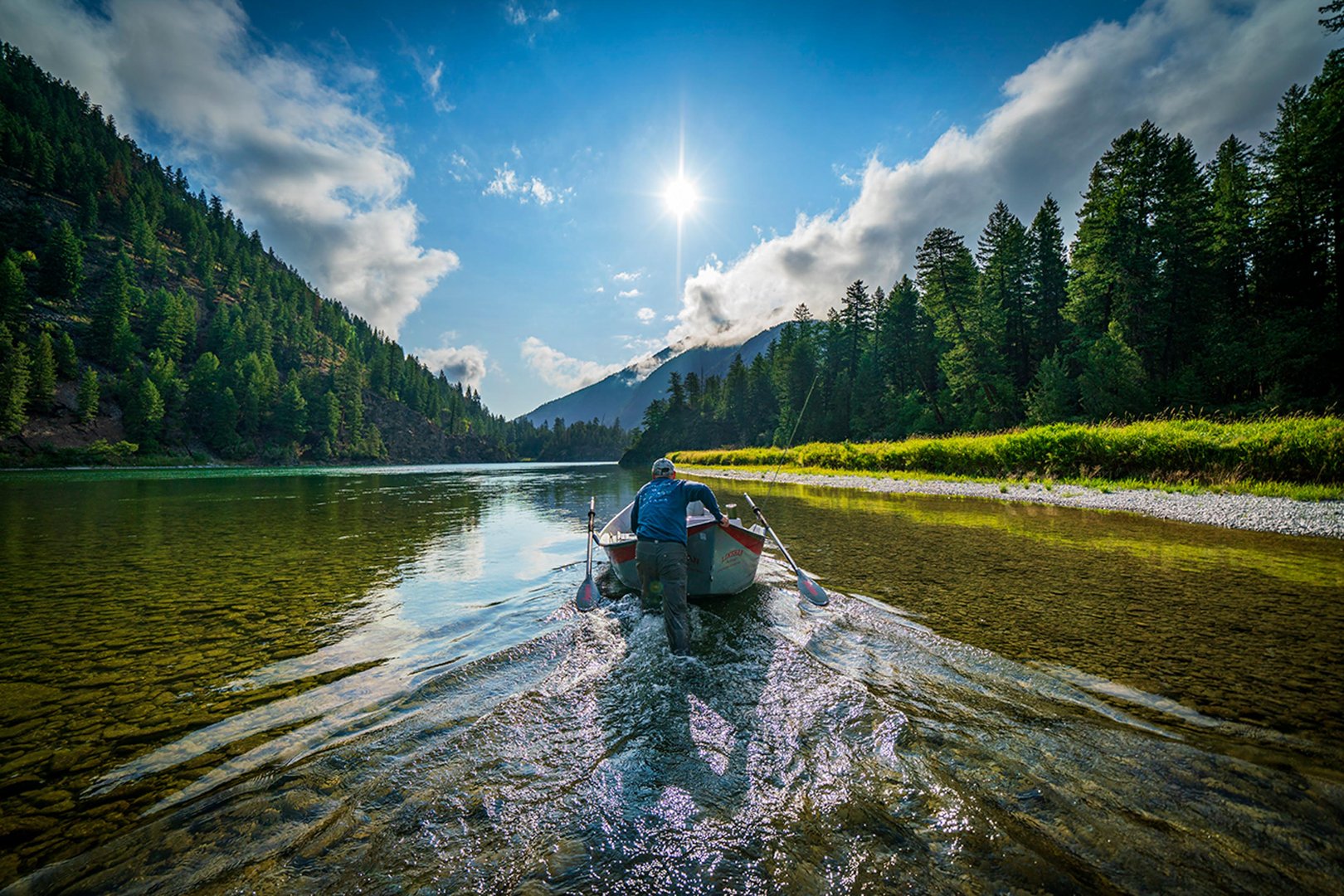
Linehan Outfitting Co. Linehan Outfitting Co. brings decades of expertise to fly fishing in Montana's remote Yaak region. Tim and Joanne Linehan guide anglers through wild trout waters on the Kootenai and Yaak rivers, targeting brown trout, brook trout, cutthroat trout, and rainbow trout. Their intimate knowledge of these pristine, uncrowded rivers ensures memorable days on the water for anglers of all skill levels. Guests enjoy comfortable home bases at the Kootenai River Lodge or secluded cabins nestled in the woods, allowing for full immersion in the region's natural beauty. Beyond fly fishing, Linehan Outfitting Co. also offers hunting expeditions for wingshooters and big-game hunters, making it an ideal destination for outdoor enthusiasts seeking diverse adventures in one of the West's most untamed landscapes.
South Sound Skiffs
Tacoma, WA, US
South Sound Skiffs offers guided saltwater fly fishing adventures throughout the pristine waters of South Puget Sound, Washington. Their experienced captains specialize in pursuing searun cutthroat trout, resident coho, and chinook salmon in a remarkably less-pressured environment. With expert knowledge of the region's intricate waterways, the guides provide instruction tailored to anglers of varying skill levels while navigating to where aggressive fish are actively feeding. Year-round fishing opportunities make South Sound Skiffs an exceptional destination, with peak seasons arriving in winter and spring when cutthroat and coho salmon are most abundant. Whether seeking a challenging day on the water or a peaceful immersion in one of the Pacific Northwest's most beautiful settings, clients experience the combination of technical fly-fishing expertise and intimate knowledge of South Puget Sound's productive fishery.
Frequently Asked Questions
Do you need a fishing license for Mount Rainier National Park?
No. A Washington state fishing license is not required to fish inside Mount Rainier National Park. The park operates under its own federal regulations. However, a state catch record card is required if targeting salmon or steelhead. All streams are artificial flies and lures only with single-point barbless hooks.
What fish are in Mount Rainier National Park?
Native coastal cutthroat trout are the primary gamefish, found in the Ohanapecosh River and some alpine lakes. Rainbow trout are native to all park watersheds. Non-native brook trout and kokanee salmon are in many lakes and streams. Bull trout (threatened) inhabit the White and Carbon river systems. Mountain whitefish occur in the Carbon and Puyallup drainages.
Why are most Mount Rainier rivers unfishable?
Mount Rainier has 25 named glaciers that grind rock into fine powder called glacial flour. This sediment turns most rivers — including the White, Nisqually, Puyallup, and Carbon — milky white during summer melt. The Ohanapecosh River is the main exception because it originates from snowmelt and springs, not glaciers, so it runs clear year-round.
What flies work best for Mount Rainier cutthroat trout?
Elk Hair Caddis (#14-16) is the top fly — caddis are the dominant insect in Cascade streams. Stimulators (#12-14), Parachute Adams (#14-16), and Royal Wulff (#12-14) all work as attractor dries. For nymphs, Pheasant Tails and Hare's Ears in #12-16 cover most situations. In late September, the October Caddis hatch brings bigger fish up on orange Stimulators (#8-10).
When is the best time to fly fish Mount Rainier National Park?
August is the best month — alpine lakes are ice-free, the Ohanapecosh is at ideal flows, wildflower meadows are at peak bloom, and the weather is most stable. The practical season runs July through September. The Ohanapecosh stays open through October 31 for the October Caddis hatch. High-country roads typically don't open until late June or early July.
Related Articles
Fly Fishing the White River: The Biggest Brown Trout in America, the Shad Kill, and the Dam That Controls Everything
Sunday, December 14, 2025
The Elk Hair Caddis: How to Tie the Fly That Works Everywhere, All Season, on Everything
Tuesday, April 21, 2026
The Stimulator: The Stonefly-Caddis-Hopper-Attractor That Floats Through Anything
Thursday, March 12, 2026
 ™
™