
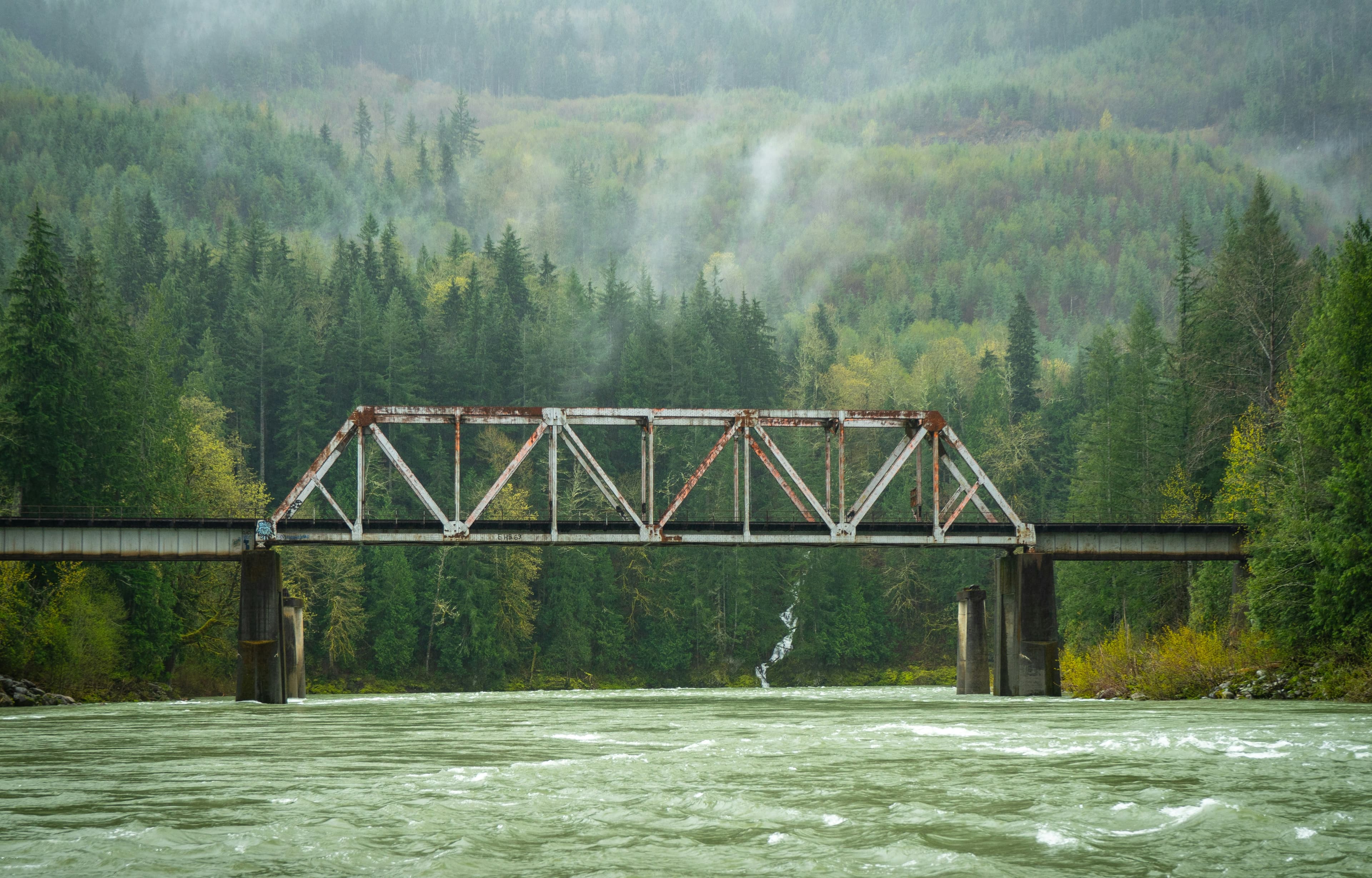
Fly Fishing the Skykomish River: Steelhead, Salmon, Spey Rods, and Seattle's Backyard Big-Fish River
The Skykomish is the closest serious steelhead and salmon river to Seattle — an hour on Highway 2 puts you in classic swinging water between Gold Bar and Sultan. Winter steelhead, summer steelhead, coho, chum, pinks, sea-run cutthroat, and a fly named after the river.

The Skykomish is the river that turns Seattle fly anglers into steelhead junkies. An hour east on Highway 2 — past the strip malls of Monroe and into the narrowing valley where the Cascades start pressing in — the Sky opens up into the kind of water that makes you pull over, stare at a tailout, and start planning a return trip with your spey rod. It's not backcountry wilderness fishing. It's not a secret. It's a working river in a working valley, and it has been producing steelhead, salmon, and heartbreak for fly anglers since long before the phrase "Pacific Northwest steelhead culture" existed.
The river starts where the North Fork and South Fork merge about a mile west of Index — a tiny former mining town tucked under granite walls that look more like Yosemite than western Washington. From that confluence, the mainstem flows west through Gold Bar, Startup, and Sultan before joining the Snoqualmie River at Monroe to form the Snohomish, which drains into Puget Sound. Highway 2 — the Stevens Pass Highway — parallels the river for most of this run, which means access is straightforward but also means you'll share the water with gear anglers, pontoon boaters, and the occasional raft full of tourists who booked a float trip.
What makes the Sky different from the east-side trout rivers — the Yakima, the Methow — is fundamental. This is a west-side rain-and-snowmelt river. It runs green and cold out of the Cascades, swells with every atmospheric river that hits the coast, and drops fish-green clarity in the windows between storms. You don't plan a Skykomish trip two weeks out and expect the conditions to hold. You watch the gauge, you watch the weather, and you go when the river says go.
The River in Two Halves
The Skykomish fishes as two distinct rivers, and understanding the divide is the first step to fishing it well.
Below Gold Bar — the swinging water. From Big Eddy downstream through Sultan to Monroe, the river widens and slows. Long gravel runs, smooth tailouts, broad riffles that transition into walking-speed current — this is textbook two-handed water. The runs are wide enough that a full spey cast covers productive water without wading past your knees. The gravel bars are clean and spacious. On a winter morning when the river is at 3,000 cfs and dropping, this lower section is as good as swinging water gets in the Puget Sound basin. This is where most fly anglers fish the Sky, and for good reason.
Above Gold Bar — the canyon. Upstream from Big Eddy toward Index and the forks, the valley tightens. The river speeds up. Boulders the size of cars break the current into deep pockets and short, violent runs. The gradient steepens, the wading gets harder, and the water character shifts from classic swing runs to chunky pocket water that rewards a different approach. Fewer fly anglers work this upper section, partly because the access is tighter and partly because the water demands more effort for each fish contacted. But the fish are there — steelhead push into this upper water, especially as seasons progress, and the solitude can be worth the tradeoff.
The North Fork and South Fork above Index are a different world entirely. The North Fork is accessed primarily by the Index-Galina Road, which follows the river upstream for about six miles before the road closes to vehicles — beyond that, you're on foot in country that borders the Wild Sky Wilderness. The South Fork follows Highway 2 upstream from Index toward the town of Skykomish and the pass. Both forks hold resident trout, Dolly Varden, and the occasional steelhead that has pushed deep into the system. Access is limited, the terrain is rugged, and the fishing is more about exploration than productivity. But the scenery — old-growth forest, glacier-carved valleys, water so clear you can count the cobbles at six feet — is some of the most dramatic in Washington.
What Swims Here
The Skykomish is an anadromous river first. The resident fish are a bonus, but the runs of ocean-going fish are what define this system.
Winter Steelhead
The main event. Hatchery winter steelhead begin showing in December, with numbers building through January and peaking in late January through February. Wild winter steelhead — larger, more chrome, and catch-and-release only — overlap with the hatchery fish but tend to arrive later, with some wild fish still moving through in March and even early April. A hatchery winter steelhead from the Sky averages 7 to 10 pounds. The wild fish average bigger, with occasional specimens pushing past 15.
Winter steelhead are the reason the spey rod was invented, or at least the reason most Northwest anglers buy one. You're swinging flies through cold water, often in the rain, often in marginal visibility, covering water methodically and waiting for the grab. Some days you'll fish six hours and touch nothing. Other days a hot fish will slam a swung intruder in a tailout you've walked past a hundred times. The ratio of effort to reward is brutal, and that's the point. Winter steelheading on the Sky is not a casual pursuit — it's a commitment.
Summer Steelhead
Hatchery summer steelhead enter the system starting in June, with the fishery typically opening June 1 in the upper river (Big Eddy to the forks) and slightly later downstream. Summer fish are smaller than winter fish on average — 5 to 8 pounds — but they fight harder pound-for-pound in the warmer water, and the fishing conditions are dramatically more pleasant. Clear water, long days, evening light on the river. Summer steelheading on the Sky is the accessible version of the winter game, and it's a legitimate fishery in its own right.
The summer run has been variable in recent years. WDFW manages the season closely, and emergency closures are common if returns fall short of projections. Check the regulations before every trip — the season dates and gear restrictions can change mid-season based on fish counts at the hatchery.
Coho Salmon
Silvers arrive in September and push through November. The Sky gets a solid coho run, and they're aggressive fish that will chase a swung fly with genuine intent. Coho on a spey rod in the lower river — swinging bunny leeches or egg patterns through the tailouts below Sultan — is some of the most fun you can have on the Sky. The fish aren't huge (6 to 12 pounds), but they eat with conviction and fight with more energy than their reputation suggests.
Chum Salmon
Chum salmon enter the Skykomish in late October and build to a peak around Thanksgiving. These are big, powerful fish — 8 to 15 pounds of raw aggression — and they will eat flies. Chartreuse-and-white Clouser Minnows, cerise egg patterns, and San Juan Worms in bright colors all produce. Chum aren't glamorous, and their flesh isn't prized, but hooking a 12-pound chum on an 8-weight in fast current will recalibrate your understanding of what a salmon can do to a fly reel. The Skykomish's chum runs have been the focus of a major restoration effort — a collaborative broodstock program between WDFW, the Tulalip Tribes, local guides, and anglers has been rebuilding chum populations in the system's tributaries.
Pink Salmon
On odd years (2025, 2027, etc.), pink salmon flood the Sky in August and September. The run can be enormous — tens of thousands of fish stacking in the pools and riffles from Monroe to Index. Pinks are small (3 to 6 pounds) and not challenging to catch, but they're a blast on a 5- or 6-weight rod with small pink or chartreuse flies. The pink runs draw huge crowds to the river, and the access points get packed. If you're a fly angler looking for solitude, skip the pink circus. If you want to catch a lot of fish and don't mind company, it's hard to beat.
Chinook Salmon
The Sky has a remnant Chinook run — Puget Sound Chinook are federally listed as threatened, and the Skykomish's kings are part of that listing. The fishery is heavily restricted and often closed entirely. When it opens, it's typically hatchery-only retention with barbless hooks and strict quotas that WDFW monitors in-season. Do not plan a trip around Chinook unless you have confirmed the season is open through the WDFW emergency regulations page.
Sea-Run Cutthroat
Sea-run cutthroat enter the Sky in late summer and fall, following the salmon runs upstream. These are small fish — 12 to 16 inches — but they're beautiful, aggressive, and a welcome change of pace from the heavy-tackle steelhead and salmon game. A 5-weight rod, a floating line, and a small Woolly Bugger or Muddler Minnow swung through the soft water behind gravel bars will find them. Sea-run cutthroat are catch-and-release only throughout the Puget Sound region. The fish eat Chum Fry patterns in the spring when juvenile salmon are migrating downstream — a crossover fishery that bridges the gap between the salmon seasons.
Bull Trout and Dolly Varden
Bull trout and Dolly Varden inhabit the Skykomish system, particularly in the North Fork and its tributaries where cold, clean water provides critical spawning habitat. The North Fork's bull trout population is one of the healthiest in the Puget Sound basin. Bull trout are federally listed as threatened — do not target them, and release any that you hook immediately without removing them from the water. Distinguish them from Dolly Varden (which are not listed) by the absence of spots on the dorsal fin and the presence of larger, more irregular spots on the body. In practice, if you're unsure, treat it as a bull trout and release it.
The Fly Box
The Skykomish demands a steelhead and salmon fly box. This isn't a dry-fly river. You'll carry some dries for the cutthroat fishing and maybe the odd summer steelhead surface grab, but the core of the fishing is subsurface — swung flies, dead-drifted eggs, stripped leeches.
Steelhead — Swung Flies
The swing game is the soul of Skykomish fly fishing. These are the patterns that have been moving fish in this system for decades:
Intruders — The modern standard for winter steelhead. Ostrich herl, marabou, and flash on a shank, fished on a Skagit head with a sinking tip. Carry them in black/blue for clear water, purple for normal flows, and pink or orange when the river has color. Size 2-1/0. The intruder's oversized profile pushes water and triggers the lateral line even when visibility is measured in inches — critical on a rain-swollen west-side river.
Skykomish Sunrise — The fly that carries this river's name. Created by George McLeod in 1936 after his father asked him to tie a fly with the colors of a sunrise over the Cascades — red, yellow, and white. George christened it with three winter steelhead from a single pool near Monroe, including a 17-pounder. The pattern went on to produce a world-record steelhead of 29.2 pounds. It's not just history — the Skykomish Sunrise still catches fish, and tying one on when you're fishing its home water feels right.
Hoh Bo Spey — A Pacific Northwest spey fly built for exactly this kind of water. Rabbit strip and marabou on a long shank, designed to breathe and pulse in the current. Black, purple, and olive are the standard colors.
Classic Steelhead Wet Flies — The General Practitioner, Skunk, Purple Peril, and Polar Shrimp all have history on the Sky. Fished on a floating line with a long leader in low, clear summer conditions, traditional wets can be devastatingly effective — and the visual eat of a steelhead taking a waking wet fly in a slick tailout is the peak experience in Northwest fly fishing.
Marabou Spiders — A Puget Sound steelhead staple that doesn't get enough attention outside the region. Sparse marabou collar, small body, light wire hook. Fished on a floating line, the spider swims just under the surface with a pulsing silhouette that drives summer steelhead crazy. Black, purple, and orange are the standard colors. Not fancy, but deadly.
Bunny Leech — Rabbit strip leeches in black, purple, and olive. The rabbit breathes in the current and looks alive even when the fly is just hanging in the swing. Simple to tie, durable, and effective from December through March.
MOAL Leech — A Scott Howell contribution to the steelhead canon. Stands for "Mother of All Leeches." A weighted bunny strip fly designed to get deep and stay deep in heavy winter flows.
Salmon Flies
Egg Patterns — Glo Bugs, Estaz eggs, and yarn eggs in chartreuse, cerise, peach, and orange. Dead-drifted under an indicator through chum and coho holding water, egg patterns are the most consistent salmon-season producers on the Sky. Not glamorous, but when a 10-pound chum inhales a chartreuse Glo Bug and heads downstream, you'll forget about glamour.
Clouser Minnow — Chartreuse-and-white in sizes 2-6 for coho and chum. Strip it through the runs or swing it on a sink tip.
Pink Comets and Pink Clousers — For the odd-year pink salmon runs. Small, bright, and simple. Size 6-8.
Woolly Bugger — Black, olive, and purple in sizes 4-8. The all-purpose pattern that catches everything that swims in the Sky, from cutthroat to coho.
Trout and Cutthroat Flies
Elk Hair Caddis #14-16 — Summer evenings on the lower forks when caddis are coming off.
Parachute Adams #14-18 — General mayfly searching pattern for the resident trout in the forks.
Pheasant Tail Nymph #14-18 — Dead-drifted in the pocket water above Index.
Hare's Ear #12-16 — Nymph fishing in the deeper runs of the upper river.
Prince Nymph #14-16 — Attractor nymph for the faster pocket water in the canyon section.
Stimulator #10-14 — Stonefly imitation for the boulder-strewn upper river in summer.
Copper John #14-18 — Heavy nymph that gets down fast in the churning pocket water above Gold Bar.
Chum Fry — Small baitfish pattern for sea-run cutthroat chasing juvenile salmon in spring.
Muddler Minnow #6-10 — Sculpin imitation for the bigger resident trout and cutthroat. Strip it along undercut banks.
Gear for the Sky
The Spey Rod Question
The Skykomish is a spey river. You can fish it with a single-hand rod — and for summer steelhead, cutthroat, and salmon, a 7- or 8-weight single-hander is fine — but the winter steelhead game and the lower river's broad runs are built for two-handed rods. If you don't own a spey rod and you're serious about fishing the Sky for winter steelhead, this river will be the one that makes you buy one.
Winter steelhead: 13- to 14-foot spey rod in 7- or 8-weight. Skagit head with interchangeable sink tips (Type 3 for normal flows, Type 6 for high water). This setup lets you cast big intruders and bunny leeches in the heavy winter flows without fighting the rod all day.
Summer steelhead: 12- to 13-foot switch rod or light spey in 6- or 7-weight. Skagit or Scandi head depending on fly size. Summer fish eat smaller flies in clearer water, and a lighter rod makes the swing more fun.
Salmon: 8- or 9-weight, either single-hand or spey. Skagit head with medium-fast sink tip for swinging streamers through chum and coho water.
Trout and cutthroat: 9-foot 5-weight single-hand. Floating line. The same rod you'd fish on the Yakima or the Methow.
Wading
The Sky is a wading river for most fly anglers. Studded boots or cleats on felt soles — the river cobble is slick, and the current pushes harder than it looks, especially in the lower river where the gravel shelves drop off quickly into deeper runs. A wading staff isn't optional in winter. The water is cold enough that a fall means a serious safety situation.
Drift boats and pontoon boats access the lower river floats (Big Eddy to Sultan, Sultan to Monroe), but the majority of fly anglers on the Sky are wade fishing from the gravel bars and access points along Highway 2. Find a guide for a float trip →
Access Points
The Skykomish's Highway 2 corridor makes access relatively simple, but knowing the specific launch points and walk-in spots saves time:
Big Eddy (Gold Bar) — WDFW access on the east side of Gold Bar. Boat launch and bank fishing. The eddy itself holds fish in the slow, deep water behind the gravel bar. One of the most popular spots on the river — arrive early in winter.
High Bridge (Gold Bar) — Just east of town. Primarily a raft and drift boat launch, but walk-in bank access to a section of good steelhead water. The river above High Bridge enters the canyon section with faster, boulder-strewn runs.
Reiter Ponds — WDFW hatchery access between Gold Bar and Index. Bank fishing around the hatchery outflow, where returning steelhead stage in the adjacent river. Can be crowded during peak returns.
Al Borlin Park (Monroe) — Take-out for the lower float. Bank access to the lower river near the Snoqualmie confluence. Wider, slower water with long, gentle runs.
Sportsman's Park (Sultan) — WDFW-managed access with parking and facilities. Bank fishing and boat take-out. The Sultan River confluence creates a natural holding area for migrating fish.
Lewis Street Bridge (Monroe) — Boat ramp below the bridge. Deep, slow water. The lowest practical fly-fishing access before the river merges with the Snoqualmie.
Reading the Gauge
More than any other variable — more than the fly pattern, the rod choice, the time of day — the river level determines whether your Skykomish trip will be productive or a scenic walk in the rain. The Sky is a flashy river. It rises fast with rain and snowmelt, blows out into chocolate milk, and drops back to fishable condition within two to four days if the rain stops.
The USGS gauge at Gold Bar is your bible. Learn these numbers:
Below 2,000 cfs — Low and clear. Summer conditions. Good for trout and cutthroat on light tackle. Summer steelhead in the upper river. Fish early and late to avoid spooking fish in the gin-clear water.
2,000 to 4,000 cfs — The sweet spot for steelhead swinging. Enough color to give the fish confidence, enough flow to fill the runs, low enough to wade safely. This is when the Sky fishes at its best.
4,000 to 6,000 cfs — High but fishable. Focus on the softer inside seams and the tailouts. Bigger flies, heavier tips. Wading is limited to the shallower bars.
Above 6,000 cfs — Blown out. Stay home. Watch the gauge. The river will drop — it always does — and when it hits 4,000 on the way down, get in the truck.
The drop is better than the rise. Fish move and eat more aggressively on a falling river. A river that hit 8,000 cfs yesterday and is at 4,500 today and still dropping is a better bet than a river that's been sitting at 3,500 for a week.
The Seasonal Calendar
The Skykomish runs on a different clock than the east-side trout streams. There's no single "best time" — the best time depends on what you're after.
June through August: Summer steelhead (when WDFW opens the season), resident trout in the forks, pink salmon on odd years (August-September). The river is low and clear. Light tackle, smaller flies, early mornings. The Puget Sound beaches fish well during the same period if you want to mix saltwater into the trip.
September through November: Coho (September-November), chum (late October-December), sea-run cutthroat (August-November). The salmon seasons bring life back to the river after the low-water summer lull. Rain starts in earnest, and the gauge becomes your daily companion.
December through February: Winter steelhead. The heart of the Skykomish year. Dark mornings, cold rain, Skagit heads, and the chance at a chrome-bright wild fish that just left the salt. This is what the river is famous for, and what keeps fly anglers coming back through decades of blank days.
March through May: Late wild winter steelhead (catch and release). The river starts to swell with snowmelt. Fishing pressure drops. The Sky in March, when a late wild fish grabs your fly in a run that's been empty all winter, is one of the great moments in Northwest fly fishing.
The Skykomish and Conservation
The Skykomish is not a pristine wilderness fishery. It's a river that has been logged, mined, dammed (the South Fork has a diversion dam at Sunset Falls), and developed. The wild winter steelhead run that once numbered over 10,000 fish in the Snohomish basin now hovers around 1,000. Chinook are ESA-listed. Bull trout are threatened. The river's history is a compressed version of the broader Pacific Northwest salmon story — abundance, exploitation, decline, and the slow, expensive, uncertain work of restoration.
But the restoration work is happening. Northwest River Restoration runs habitat projects throughout the system. The Tulalip Tribes, WDFW, and local fishing guides have partnered on a chum salmon broodstock program that is rebuilding spawning populations in the tributaries. The Wild Sky Wilderness, designated in 2008, protects 106,000 acres of the North Fork drainage — some of the most critical bull trout and salmon spawning habitat in the Puget Sound basin. The North Fork's cold, clean water, sheltered by old-growth forest, remains one of the best strongholds for native fish in western Washington.
As an angler, your role is simple: follow the regulations exactly, handle wild fish with care (barbless hooks, no removal from water, quick release), and support the organizations doing the restoration work. The Olympic Peninsula steelhead rivers face the same pressures at a larger scale — the conservation challenges on the Sky are part of a region-wide reckoning with what it takes to maintain wild fish runs alongside human development.
Why the Sky
There are prettier steelhead rivers in Washington. The Olympic Peninsula rivers — the Hoh, the Sol Duc, the Queets — are wilder, more remote, and more photogenic. There are better trout rivers — the Yakima and the Methow offer more consistent dry-fly fishing with bigger trout. The Puget Sound saltwater beaches have their own appeal, and the alpine lakes in North Cascades National Park offer backcountry solitude that the Highway 2 corridor can't match.
But the Skykomish has something none of those fisheries can offer: proximity. An hour from downtown Seattle, you're standing in a tailout at first light, Skagit line loading the rod, an intruder swinging through the bucket at the end of a gravel bar, rain tapping the hood of your jacket. You drove Highway 2 in the dark, rigged in the parking lot at Big Eddy while your coffee cooled, and you'll be back at your desk by noon if the fishing doesn't hold you. The Sky is the steelhead river that fits into a life — not a destination trip, but a Tuesday-morning-before-work obsession that builds over years into the kind of deep river knowledge that only comes from fishing the same water through hundreds of different conditions.
The Sky is also the river where Seattle's fly-fishing culture lives. The city's anchor fly shops run guided trips on the Sky more than any other river. The spey-casting clinics, the steelhead fly-swap nights, the pre-dawn carpools from Capitol Hill — the Skykomish is woven into the social fabric of Northwest fly fishing in a way that more remote rivers can't replicate. When a Seattle fly angler says "the river," there's a decent chance they mean the Sky.
The Skykomish Sunrise was tied in 1936 and still catches steelhead on its home water. That's 90 years of fly anglers standing in the same runs, making the same casts, feeling the same grab. The river hasn't gotten easier. The fish haven't gotten more cooperative. But the Sky keeps pulling anglers back — through blown-out winters and dead-low summers, through regulation changes and run declines, through the long, fishless days that make the good ones burn bright enough to carry you through to the next trip.
If you're in Seattle and you own a fly rod, the Skykomish isn't optional. It's where you learn what Northwest fly fishing actually is.
Looking for a guide in Gold Bar?
We don't have specific guides listed in Gold Baryet, but we're growing fast.
Browse All GuidesFrequently Asked Questions
What fish can you catch fly fishing on the Skykomish River?
Winter steelhead (December-March), summer steelhead (June-September), coho salmon (September-November), chum salmon (October-December), pink salmon on odd years (August-September), Chinook (limited seasons), sea-run cutthroat (August-November), resident trout, and bull trout (protected — must release).
How far is the Skykomish River from Seattle?
About one hour east via Highway 2 (Stevens Pass Highway). Gold Bar is roughly 50 miles from downtown Seattle. The river parallels Highway 2 from Monroe through Sultan, Gold Bar, and Index, making access straightforward from the Seattle metro area.
What flies work best for Skykomish River steelhead?
For winter steelhead, intruders (black/blue, purple, pink/orange), bunny leeches, Hoh Bo Spey flies, and the classic Skykomish Sunrise. For summer steelhead, marabou spiders, traditional wet flies, and smaller intruders on floating or intermediate lines. Egg patterns and Woolly Buggers work year-round.
Do I need a spey rod to fly fish the Skykomish?
A spey rod is strongly recommended for winter steelhead — a 13-14 foot 7-8 weight with a Skagit head and sink tips is the standard setup. For summer steelhead, a switch rod or light spey works well. Single-hand rods (7-8 weight) are fine for salmon, and a 5-weight covers trout and sea-run cutthroat.
What is the best water level for fishing the Skykomish River?
The sweet spot for steelhead swinging is 2,000 to 4,000 cfs on the USGS Gold Bar gauge. Below 2,000 is low and clear — better for trout and summer steelhead. Above 6,000 cfs the river is blown out. Fish the river on a falling gauge after rain for the best results.
Related Articles
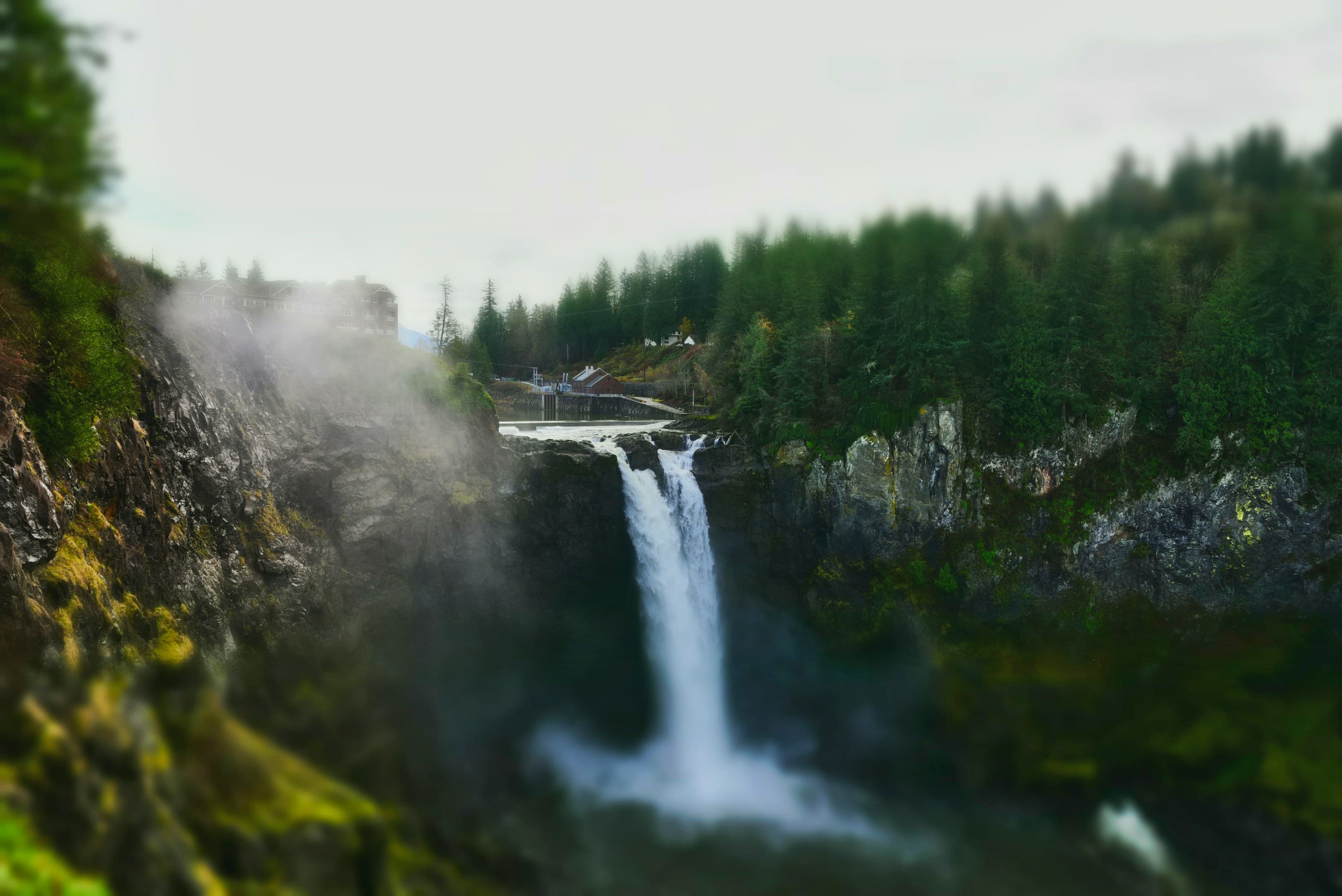
Fly Fishing the Snoqualmie River: Seattle's Backyard Trout Stream and the River You Should Already Be Fishing
Sunday, June 15, 2025
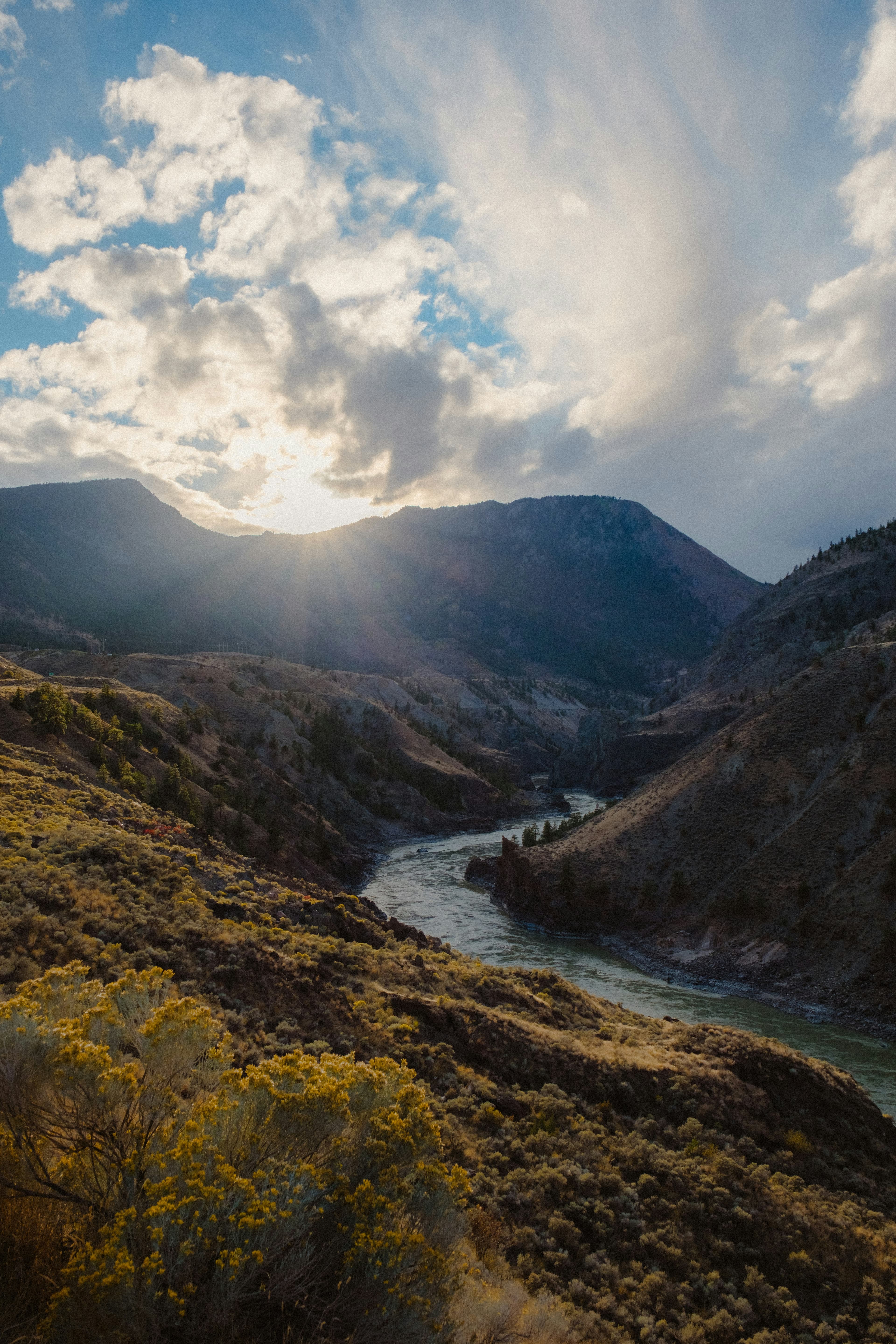
Fly Fishing the Yakima River: Washington's Only Blue Ribbon Trout Stream, 78 Miles of Dry-Fly Heaven
Sunday, July 6, 2025
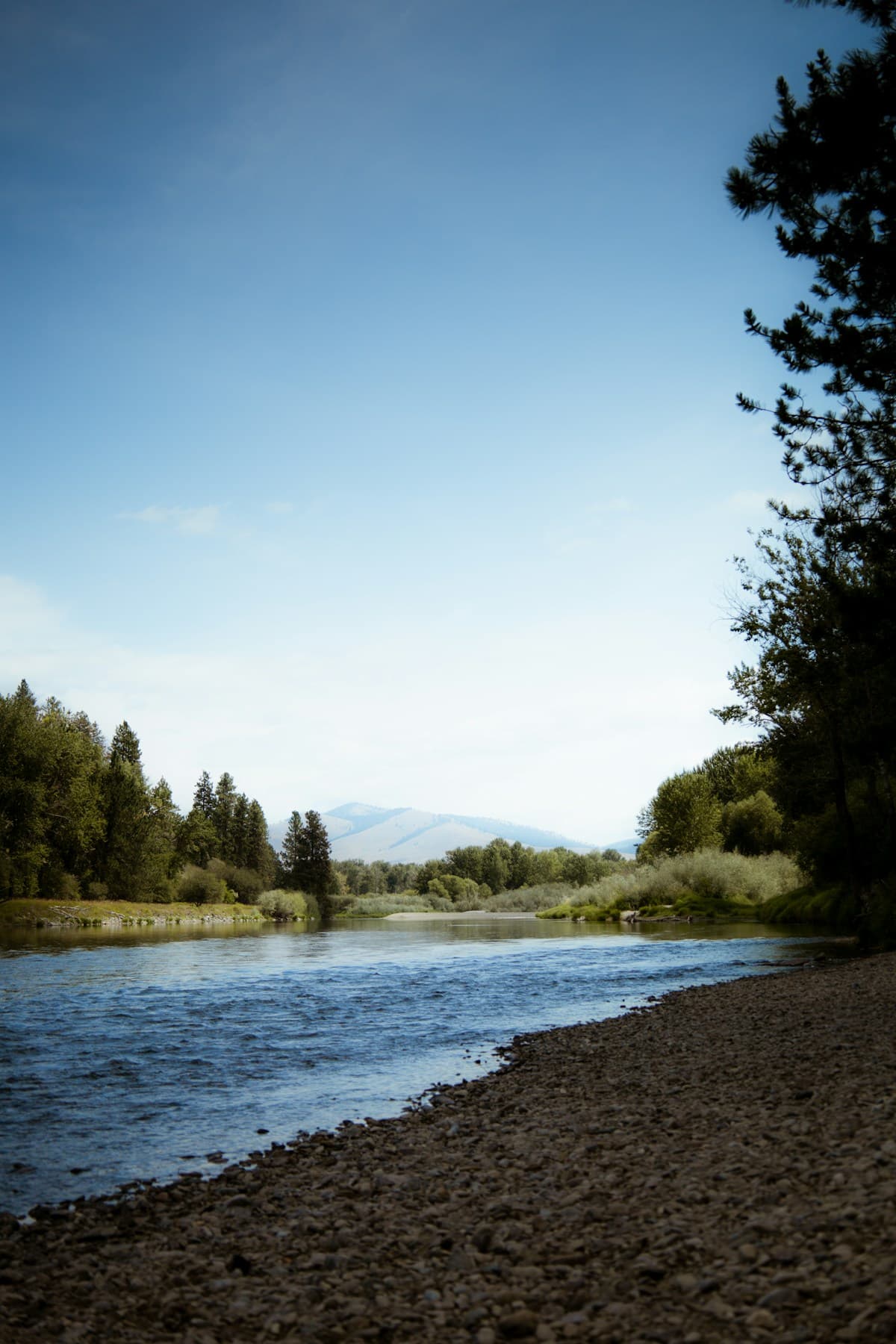
Fly Fishing the Methow River: Wild Trout, Western Town Vibes, and Washington's Best Dry-Side Water
Monday, June 30, 2025
 ™
™