
Fly Fishing the Snoqualmie River: Seattle's Backyard Trout Stream and the River You Should Already Be Fishing
The Snoqualmie River is 30 minutes from downtown Seattle — three forks of native cutthroat and rainbow trout above a 268-foot waterfall, plus salmon and sea-run cutthroat below it. It's not famous. It's better than that — it's close, it's open, and it's yours.
There's a river 30 minutes from downtown Seattle that most fly anglers in the city have never fished. They'll drive three hours to the Yakima for trout, or an hour to the Skykomish for steelhead, or five hours to the Methow for a weekend trip. They'll plan elaborate outings to the Olympic Peninsula or the alpine lakes in North Cascades National Park. And that's fine — those are all excellent fisheries. But they'll drive past the Snoqualmie River on the way to every one of them and never stop.
The Snoqualmie isn't on anyone's destination list. No fly-fishing magazine has written a 4,000-word cover story about it. Nobody plans a week-long trip to North Bend to fish the forks. The trout are small — 8 to 12 inches on a good day, with the occasional 14-incher that feels like a trophy. The hatches are modest. The access is sometimes a scramble. And that's exactly what makes it valuable: the Snoqualmie is the river you fish on a Tuesday evening after work, the river you explore on a Saturday morning when you don't feel like sitting in traffic on I-90 past Cle Elum, the river that's always there when the big-name waters are blown out, crowded, or just too far away.
If you live in the Seattle metro area and you own a fly rod, the Snoqualmie should be the first river you learn.
The Falls Change Everything
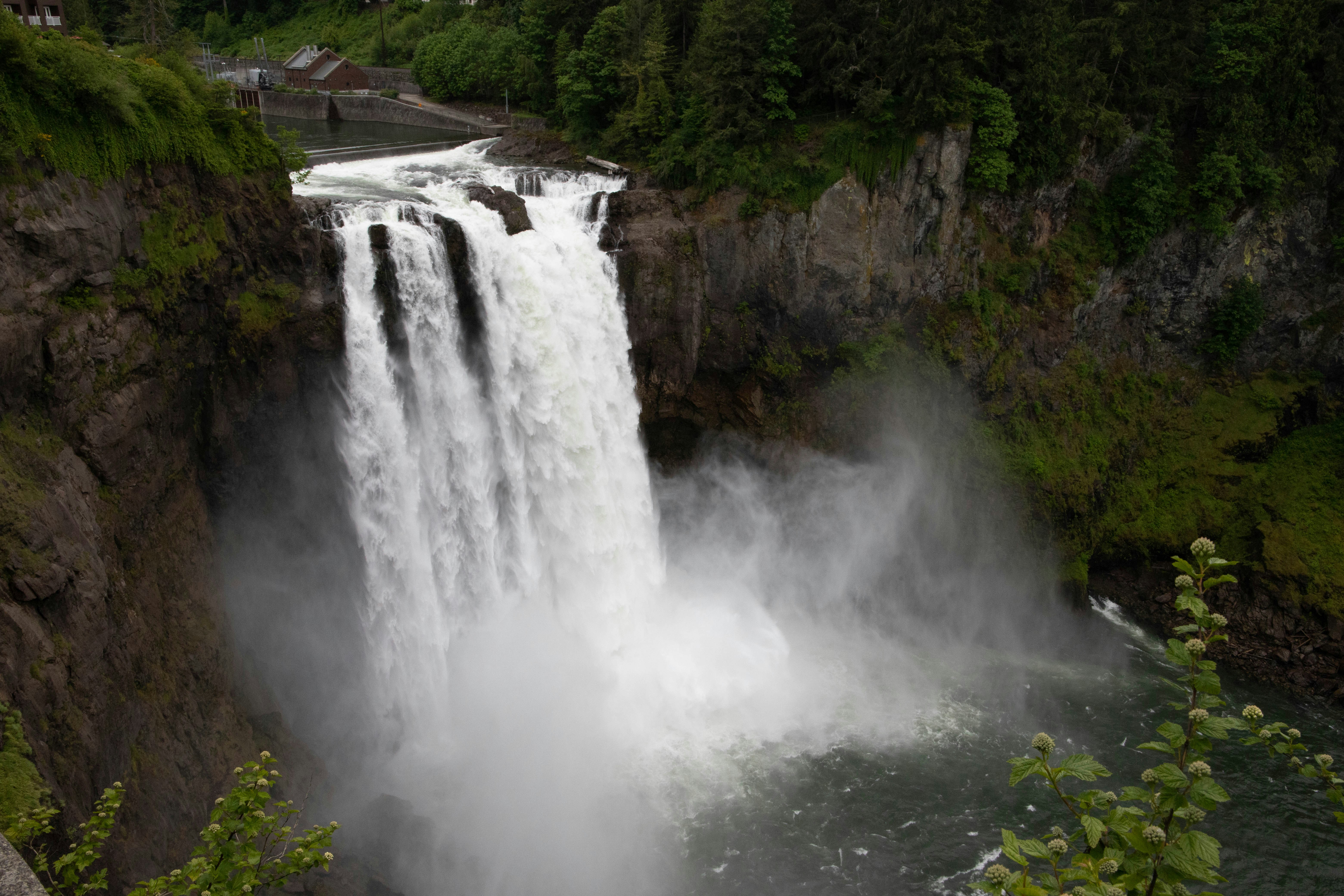
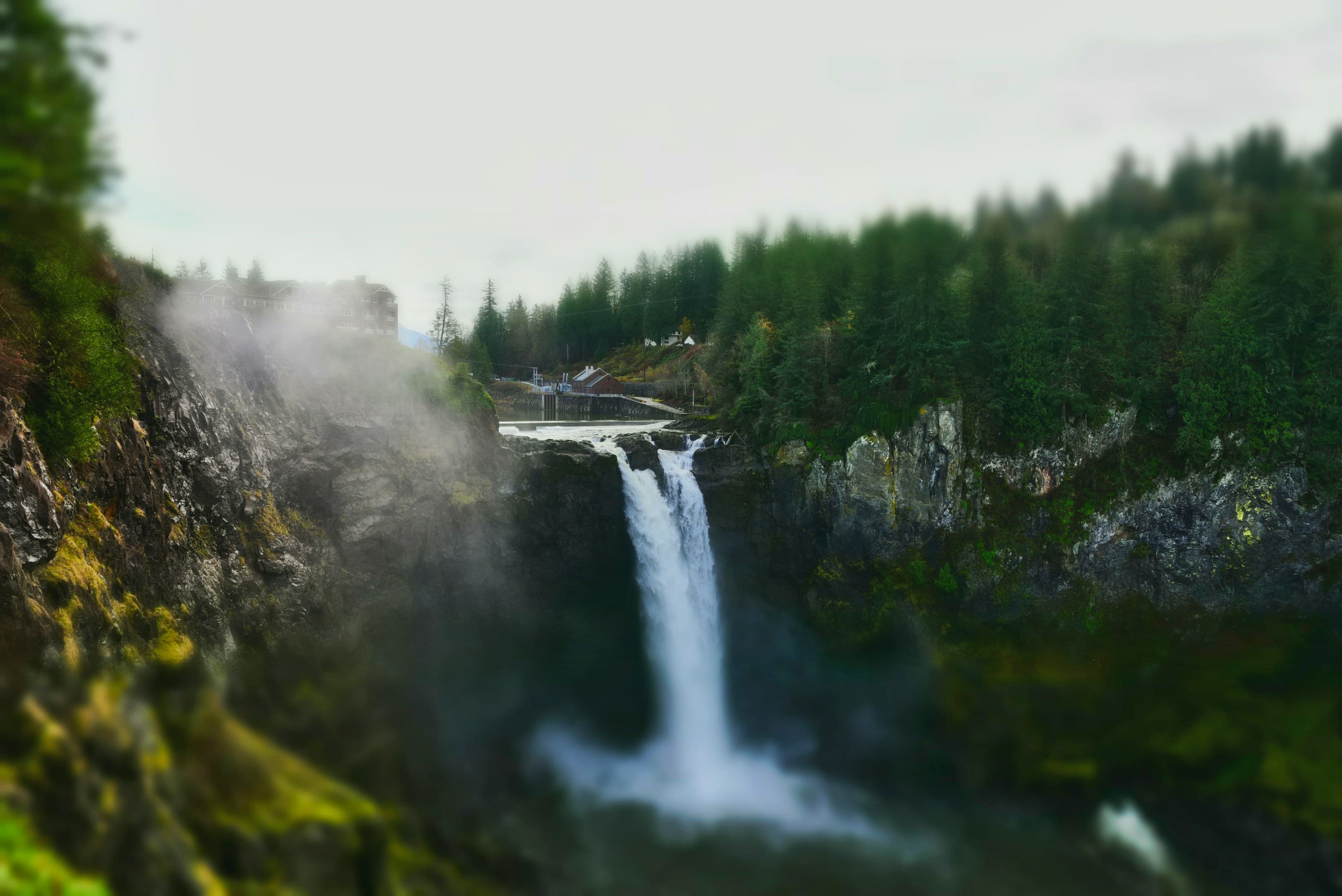
Snoqualmie Falls is the single most important fact about this river system. The 268-foot cascade — taller than Niagara, famous from Twin Peaks, visible from a parking lot that draws a million tourists a year — isn't just scenery. It's a biological barrier. No anadromous fish can pass above the falls. No salmon, no steelhead, no sea-run cutthroat can reach the upper river. The falls have been there for roughly 10,000 years, since the last ice age carved the Snoqualmie Valley, and for all that time the fish above the falls have been on their own.
This means the Snoqualmie is really two rivers.
Above the falls — the three forks and their tributaries — is a resident trout fishery. Native westslope cutthroat, rainbow trout, and rainbow-cutthroat hybrids live in boulder-strewn mountain creeks that drain the western Cascades. No hatchery plants. No anadromous genetics mixing in. Just wild trout that have been doing their thing in these cold, clear streams for millennia. The South Fork also holds eastern brook trout in its upper reaches — a non-native species, but one that's been established long enough to feel like part of the furniture.
Below the falls — the mainstem from Fall City through Carnation to the confluence with the Skykomish at Monroe — is an anadromous river. Coho salmon, pink salmon (odd years), a few chinook and chum, winter steelhead, and one of the best sea-run cutthroat runs in the Puget Sound basin all pass through this lower river. The mainstem below the falls is broader, slower, warmer — a valley river winding through dairy farms and small towns. It's a completely different fishery from the mountain forks above, and it deserves its own approach.
For the fly angler who lives near North Bend, this split is a gift. Two rivers in one. Mountain trout in the morning, sea-run cutthroat in the evening. A 3-weight fiberglass rod on the Middle Fork at 10 a.m., a 5-weight with a Woolly Bugger in the mainstem glides near Fall City at 6 p.m. All within 20 minutes of your front door.
Three Forks, Three Personalities
The North, Middle, and South Forks of the Snoqualmie converge at the Three Forks Natural Area just east of North Bend. From that confluence, the river flows northwest through the Snoqualmie Valley, over the falls, and into the lowland mainstem. Each fork has its own character, its own access, and its own fishing.
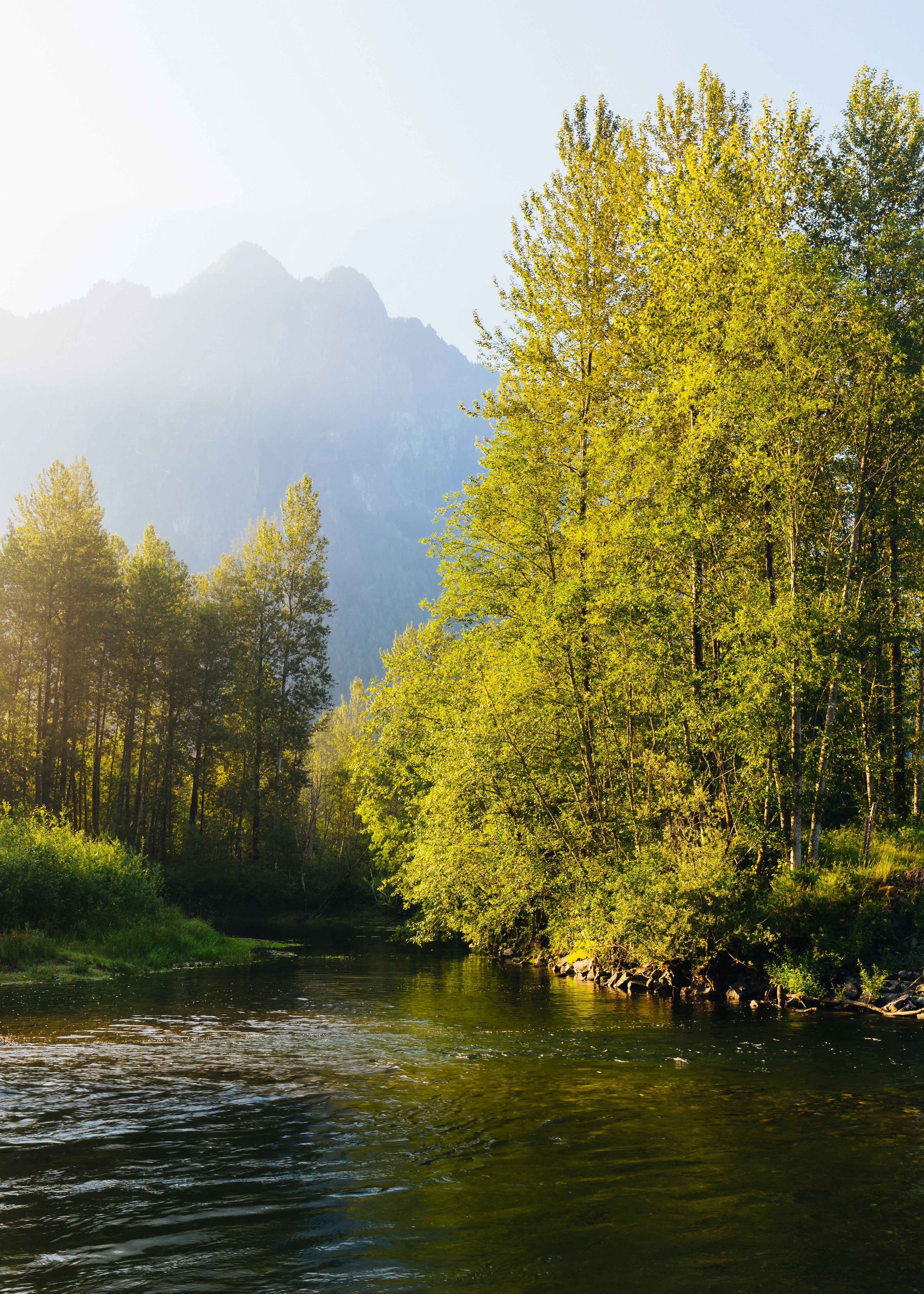 Photo: The Snoqualmie River near North Bend — cottonwoods catching morning light, Cascade peaks rising through the haze, the kind of evening-after-work water that defines this fishery
The Middle Fork — The Main Event
The Middle Fork is the largest of the three forks, the most popular with fly anglers, and the one that holds the biggest trout. It drains the western slopes of the Cascades north of I-90, flowing through the Mt. Baker-Snoqualmie National Forest for most of its length. The Middle Fork is a federally designated Wild and Scenic River, and it earns the title — old-growth forest, granite boulders, deep green pools, and water so clear that you can see every cobble on the bottom at four feet.
Access runs along Middle Fork Road, which parallels the river from North Bend upstream. Trailheads at Mailbox Peak, Granite Creek, the Pratt River, and the Middle Fork Campground provide access points. Past the campground, the road turns to gravel and crosses the Taylor River before reaching the Dingford Creek Trailhead, where vehicle access ends. Above Dingford, you're on foot.
The Middle Fork is open year-round and managed under catch-and-release, selective gear rules — single barbless hooks, artificial flies or lures only, up to three flies. All trout must be released. This management creates the best trout fishing in the Snoqualmie system. Fish average 8 to 10 inches, but the Middle Fork produces more fish over 12 inches than either of the other forks, and 14-inch rainbows and cutthroat are caught regularly in the deeper pools and boulder gardens. The hybrid rainbow-cutthroat trout that this fork is known for can push even bigger.
The trade-off is access. The lower Middle Fork near North Bend flows through private property, so your best public access starts upstream at the forest boundary. The further you hike, the less pressure you encounter and the better the fishing gets. This is the fork that rewards effort — a two-mile walk past the obvious pullouts puts you in water that might not see another angler all week.
The gear: A 7- to 8-foot rod in 2- or 3-weight is ideal. Fiberglass or bamboo if you have it — the short casts, tight quarters, and small fish reward a rod with feel and forgiveness over power. Floating line, 9-foot leader tapered to 5X or 6X. You're rarely casting more than 25 feet, and most presentations are roll casts, bow-and-arrow casts, or dapping around boulders and logjams.
The South Fork — Easy Access, Quick Recovery
The South Fork is the smallest fork but the most accessible. It parallels I-90 for much of its course, with multiple access points at Washington State Parks and USFS trailheads between North Bend and Snoqualmie Pass. If you're driving back from skiing or hiking at the pass and want to stop for an hour of fishing, the South Fork is right there.
The South Fork clears faster than the other forks after rain and snowmelt because of its smaller watershed, which means it's often the first fork that's fishable in spring and the quickest to recover after a summer thunderstorm. The fish are smaller on average than the Middle Fork — mostly 7 to 9 inches — but they're willing. This is a great fork for a new fly angler to learn on: accessible water, cooperative fish, and forgiving mistakes.
The upper South Fork, above the town of Snoqualmie Pass, holds the Snoqualmie system's population of eastern brook trout — small, colorful fish in the most remote tributaries. Brook trout fishing in these headwater streams is a backpacking trip, not an after-work outing, but it's worth it if you like tiny rods and wild places.
The South Fork season runs from late May through October (check WDFW for exact dates). Standard selective gear rules apply — barbless, single hook, catch and release for trout.
The North Fork — The Wild Card
The North Fork is the most remote and least-fished of the three forks. Access is limited to the North Fork Road, a dirt road that can be rough, and public access near the Three Forks Natural Area where you can walk several miles of river. Much of the North Fork flows through Campbell Global (a timber company) land, which may require a separate access permit.
The North Fork clears quickly after rain — faster than the Middle Fork — and holds native rainbow and cutthroat in the same size range as the other forks. The remoteness means less pressure, but also less information. The North Fork is the fork you explore when you've fished the Middle and South Forks enough to want something new. Bring a sense of adventure, a good pair of boots, and low expectations for the road.
Season runs from late May through October, same as the South Fork.
What They Eat — Hatches and Fly Patterns
The Snoqualmie forks don't have the prolific insect life of a spring creek or a tailwater. These are freestone mountain streams with cold water, fast currents, and a modest but dependable bug population. The fish here are opportunistic — they don't get picky because they can't afford to. A reasonably close imitation, presented without drag, will catch fish most days.
The Seasonal Bug Calendar
-
March through May: March browns (#12-16) are the first significant hatch, starting mid-March on warmer days. Midges (#16-20) are present through April. As the water warms in May, the first caddis start appearing. A Parachute Adams in #14 will cover most early-season situations.
-
Late May through July: Caddis dominate. Tan and olive caddis (#12-16) blanket the riffles in the evening, and an Elk Hair Caddis in the right size is the single most important dry fly on the Snoqualmie. Stoneflies (#6-16) emerge from mid-May through mid-July — the bigger golden stones in the faster boulder water, smaller yellow sallies in the slower runs. A Stimulator in #10-12 handles the stonefly activity. Pale Morning Duns (#12-16) appear from June through mid-August on the Middle Fork — fish a Comparadun or a Parachute Adams to the risers.
-
July through September: Terrestrial season. Grasshoppers, beetles, and ants fall off the bankside vegetation and the trout know it. A Chubby Chernobyl (#10-12) as an attractor-hopper pattern, or a smaller foam beetle or ant in #14-18, fished tight to the bank, will draw strikes from trout that ignore everything else. This is the most fun fishing on the Snoqualmie — sight-casting a grasshopper pattern to the undercut bank on a warm August evening. Blue-winged olives (#16-18) overlap in the later weeks.
-
October through February: The forks that remain open (Middle Fork year-round, others catch-and-release selective gear from November) slow down. Midges (#16-22) and small BWOs are the main surface activity. Griffith's Gnats and Zebra Midges are the winter staples. Nymphing becomes the primary technique as surface activity drops off.
The Fly Box
You don't need three hundred patterns for the Snoqualmie. These will cover the forks all season:
Dry flies: Elk Hair Caddis (#12-16, tan and olive) — the number-one fly on this river. Parachute Adams (#14-18) — the universal mayfly match. Stimulator (#10-14) — stoneflies and general attractor. Chubby Chernobyl (#10-12) — hopper season and indicator dry for a dropper rig. Royal Wulff (#12-16) — high-floating attractor in fast pocket water. Humpy (#12-16) — turbulent water where visibility matters. Comparadun (#14-18, olive and PMD) — for the more selective Middle Fork fish during PMD hatches. Griffith's Gnat (#18-22) — winter midge clusters.
Nymphs: Pheasant Tail (#14-18) — the do-everything nymph. Hare's Ear (#12-16) — slightly buggier, slightly bigger, covers stonefly and mayfly nymph duty. Prince Nymph (#14-16) — attractor nymph that works in every riffle. Copper John (#14-18) — heavy, sinks fast, gets into the pockets where trout hide behind boulders. Zebra Midge (#18-22) — dead-drifted in the slower pools, especially in winter. San Juan Worm (#12-14, red or pink) — after rain, when the water has a touch of color. Pat's Rubber Legs (#8-10) — big stonefly nymph for the faster runs.
Streamers: Woolly Bugger (#8-10, black and olive) — streamer fishing on the forks is underrated. The bigger cutthroat and rainbows will chase a bugger stripped through the deeper pools. Muddler Minnow (#8-10) — sculpin imitation for the boulder-strewn runs where larger trout hold. A small conehead Zonker (#8) in olive is worth carrying for the Middle Fork's deeper pools.
The Hopper-Dropper Rig
This is the Snoqualmie's bread-and-butter setup from July through September: a Chubby Chernobyl or Stimulator on top with a Pheasant Tail or Copper John dropped 18 inches below on 5X tippet. The dry fly acts as both an attractor and a strike indicator. Trout either eat the dry (great) or eat the nymph and the dry fly dips (also great). This rig covers the most water with the least fuss, and on the Snoqualmie forks — where the fish aren't large enough to demand precision matching — it's the most productive approach for a day of exploring new water.
Below the Falls — A Different River
The mainstem Snoqualmie below the falls is a valley river. Broad, slow, meandering through farmland and small towns — Fall City, Carnation, and Duvall — on its way to the Skykomish confluence at Monroe. The water is warmer, slower, and muddier than the forks. This is not mountain trout fishing. This is lowland river fishing, and the target species are different.
Sea-Run Cutthroat
The Snoqualmie's sea-run cutthroat fishery is one of the best in the Puget Sound basin. These fish — coastal cutthroat that spend part of their lives in saltwater and return to freshwater to spawn — enter the river in late summer and push upstream through fall. They average 12 to 16 inches, with occasional fish over 18 inches, and they're aggressive feeders that eat Woolly Buggers, Muddler Minnows, small Clouser Minnows, and baitfish patterns stripped through the slow eddies and glides.
Sea-run cutthroat fishing peaks from August through November. A 5-weight rod, floating line, and a sink-tip leader or light sinking line to get the fly down in the deeper glides is the standard setup. The fish stack up in the slower water behind gravel bars, in the eddies along undercut banks, and in the slick tailouts of the deeper pools. If you enjoy the Puget Sound beach fishery for sea-run cutthroat, the Snoqualmie's lower river is the freshwater continuation of that same pursuit.
Sea-run cutthroat are catch-and-release only throughout the Puget Sound region. Barbless hooks. Handle them briefly if at all. These fish are a conservation priority.
Salmon Below the Falls
Coho and pink salmon (odd years) run the mainstem from August through November. A few chinook and chum enter the system as well. Salmon fishing below the falls is more of a gear fishery than a fly fishery — the water is big and deep enough that conventional tackle has a significant advantage — but fly anglers can connect with coho by swinging small Clouser Minnows and streamers through the holding water near Tolt-MacDonald Park in Carnation and the access points along David Powell Road near Fall City.
Check WDFW regulations carefully before targeting salmon. Seasons, species restrictions, and gear rules change annually and are subject to emergency closures. The Snoqualmie is part of the Snohomish River basin, and wild chinook protection drives many of the season adjustments.
Access Points Worth Knowing
Three Forks Natural Area — Where the three forks converge near North Bend. Gravel bars, easy wading, and the option to walk upstream on whichever fork looks best. Park at the Three Forks trailhead and explore. This is the starting point for learning the river.
Middle Fork Road — Multiple pullouts and trailheads from the forest boundary upstream. Mailbox Peak trailhead is the first major parking area; Middle Fork Campground is where the pavement ends. The further you drive, the fewer anglers you'll encounter.
South Fork at I-90 — Exit 34 (Edgewick Road) or Exit 38 (SE Homestead Valley Road) for walk-in access to the South Fork. Quick stops on the way home from the pass.
Snoqualmie Falls Park — Not primarily a fishing access, but you can hike to the river below the falls. The pool below the falls is closed to fishing, but downstream toward Fall City the water opens up for sea-run cutthroat and salmon.
Fall City Riverfront — Small-town access to the mainstem below the falls. Quiet water, undercut banks, and good sea-run cutthroat habitat from August through November.
Tolt-MacDonald Park (Carnation) — Where the Tolt River enters the Snoqualmie. Excellent bank access for salmon season, and the confluence zone holds sea-run cutthroat in fall.
Chinook Bend Natural Area — Downstream from Carnation, with bank access to wide, slow mainstem water. Good for swinging streamers for sea-runs.
The Tuesday Evening Version
Here's the real value proposition of the Snoqualmie for anyone who lives east of Seattle — Issaquah, Sammamish, North Bend, Snoqualmie, Fall City.
Leave work at 5. You're at the Three Forks Natural Area by 5:30. Rig a 3-weight with a Stimulator and a Pheasant Tail dropper. Walk 15 minutes up the Middle Fork, casting into every run and pocket that looks good. The fish aren't big, but they're wild, they eat dry flies, and the setting — old-growth forest, granite boulders, Mount Si looming over the valley — is as good as anything on a destination river. Fish for two hours. Drive home. Eat dinner. This is what a home river gives you that no destination trip can: frequency. You fish the Snoqualmie fifty times a year instead of fishing the Yakima or the Methow five times. And fifty days on the water teaches you more about fly fishing than five ever will.
The Snoqualmie is the river where you learn to read water — not from a book, but from repetition. You learn which boulders hold fish in June but not in August. You learn that the run below the big logjam on the Middle Fork produces cutthroat on overcast days but nothing on bluebird afternoons. You learn that after two days of rain, the South Fork clears first, and that the pocket water on the North Fork fishes better in the evening when the light is off the water. This knowledge accumulates over years, and it only comes from a river you can visit constantly.
Regulations — Read These Before You Go
WDFW manages the Snoqualmie forks and mainstem under different rules depending on the section and season. Always check the current regulations at wdfw.wa.gov before fishing — emergency closures and rule changes happen frequently.
Middle Fork: Open year-round. Catch and release. Selective gear rules (single barbless hook, artificial flies or lures only). Up to three flies allowed.
North Fork and South Fork: Generally open from the Saturday before Memorial Day through October 31 for trout retention, then catch-and-release selective gear from November 1 through the first Saturday in June. Exact dates vary by year.
Mainstem above the falls to the forks: Same as the North and South Fork rules — summer trout season with a winter catch-and-release selective gear period.
Mainstem below Snoqualmie Falls: Complex and species-dependent. Salmon seasons are set annually by WDFW and the Tulalip Tribes. Trout are generally catch-and-release. Specific closures apply near the base of the falls and during certain periods in November. The regulations for this section change more frequently than the forks — check before every trip.
A Washington State freshwater fishing license is required. A catch record card may be required for salmon or steelhead (check current regs). No Discover Pass is needed for the USFS access points on the Middle Fork, but state park access on the South Fork may require one.
The Snoqualmie and the Rest of the Region
The Snoqualmie fills a specific niche in a Seattle fly angler's rotation. It's not a replacement for the big rivers — the Yakima is still the best dry-fly trout river in western Washington, the Skykomish is still the closest real steelhead water, the Methow is still worth the drive for wild trout in stunning scenery, and the Olympic Peninsula is still the place for serious winter steelhead.
But the Snoqualmie is the river between the trips. It's the river you fish when you have two hours, not two days. It's where you take a friend who's never held a fly rod and let them catch a cutthroat on a dry fly without worrying about matching a PMD hatch to the right stage of emerger. It's where you test a new rod, work on your roll cast, or tie on a pattern you just finished at the vise — maybe a Hare's Ear variation or a Prince Nymph with a different bead color — and see if the fish agree.
The Puget Sound beaches offer a similar "close to home" convenience for saltwater fly fishing, and in September and October the sea-run cutthroat move between the Sound and rivers like the Snoqualmie, connecting both fisheries. If you're chasing sea-runs on the beach in August and want to follow them inland, the Snoqualmie's lower river is where they go.
Why You Haven't Fished It Yet (And Why You Should)
The Snoqualmie doesn't get attention because it's not extreme in any direction. The trout aren't big enough to brag about. The hatches aren't dense enough to make magazine covers. The scenery, while genuinely beautiful, competes with every other Cascade river for the same adjectives. There's no signature fly, no famous pool, no guide service running a hundred float trips a year.
But the Snoqualmie has something that the famous rivers don't: it's there. It's there on a random Wednesday in June when you feel like casting for an hour. It's there on a rainy October Saturday when the Yakima is a three-hour drive you don't feel like making. It's there at 6 a.m. on a summer morning before work, when the light hits the cottonwoods along the Middle Fork and a cutthroat sips your Elk Hair Caddis out of a slick behind a boulder and the whole world, for a moment, is just you and a small wild trout in a cold mountain stream 30 minutes from a city of four million people.
That's not a destination trip. That's a home river. And a home river, fished often and fished honestly, will teach you more about fly fishing than any bucket-list expedition ever will.
The Snoqualmie is waiting. It's been there the whole time.
| Search Seattle-area guides →
Top Fishing Guides Nearby
The South Fork Snoqualmie above the falls holds wild cutthroat and rainbow trout that rise to Elk Hair Caddis and small BWOs in pocket water shaded by old-growth cedar, just 30 minutes from Seattle. Guides fish the Middle Fork's roadless canyon for anglers who want genuine solitude without the drive to the Cascades.
Intrepid Anglers
Fall City, WA, US
4.9 (156 reviews)
Intrepid Anglers With over four decades of expertise, Intrepid Anglers brings deep knowledge and genuine passion to guided fishing throughout the Great Pacific Northwest. Specializing in Steelhead, Trout, and Salmon, the team welcomes anglers of all skill levels—from beginners to seasoned veterans—across pristine freshwater and saltwater environments. Operating a fleet of four specially designed boats, Intrepid Anglers offers personalized trips throughout Seattle, Puget Sound, and the Olympic Peninsula. Each adventure is outfitted with high-quality fly and light tackle gear, ensuring guests have everything needed for a memorable day on the water. Whether targeting migratory runs or exploring scenic coastal waters, every trip reflects a commitment to exceptional service and authentic Pacific Northwest fishing.
Roam Charters
Kirkland, WA, US
4.6 (228 reviews)
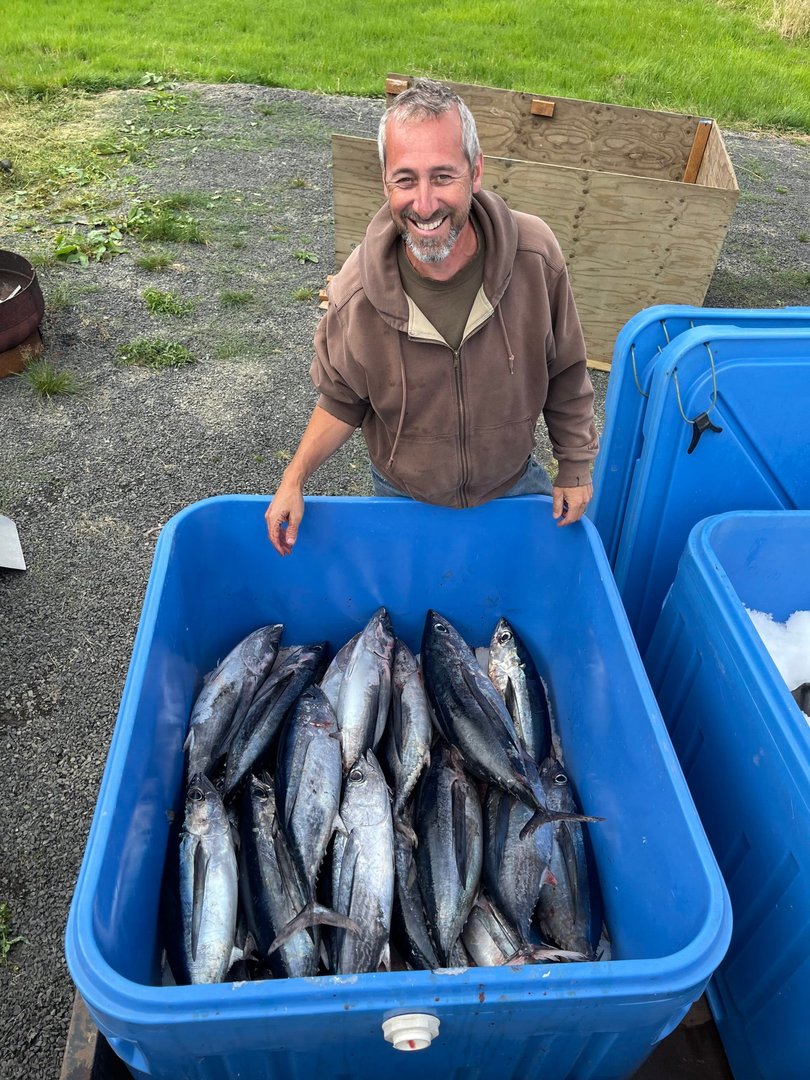
Roam specializes in albacore tuna fishing off the Washington coast near Ilwaco, offering intimate charters designed for a premium experience on the water. Each trip is limited to six anglers maximum, ensuring personalized attention from experienced captains with deep knowledge of local waters and conditions. The operation provides a fully outfitted experience, with all necessary gear and tackle included. Roam targets albacore during peak season from late summer through early fall, when fast-paced action is at its best. Whether visiting anglers are seasoned fishermen or newcomers to saltwater fishing, Roam's knowledgeable team focuses on delivering an outstanding day that matches every skill level.
Linehan Outfitting Co.
Des Moines, WA, US
5.0 (91 reviews)
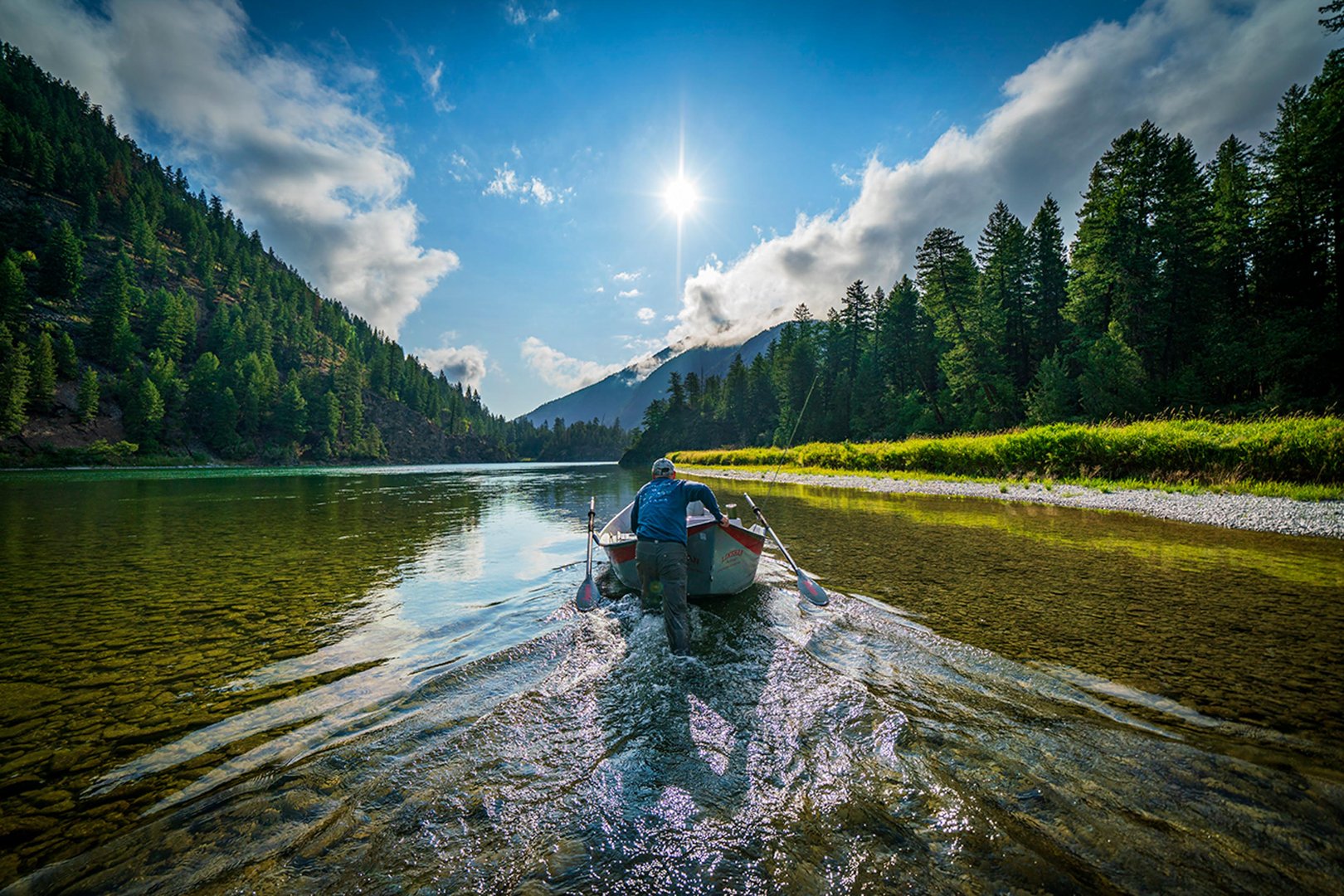
Linehan Outfitting Co. Linehan Outfitting Co. brings decades of expertise to fly fishing in Montana's remote Yaak region. Tim and Joanne Linehan guide anglers through wild trout waters on the Kootenai and Yaak rivers, targeting brown trout, brook trout, cutthroat trout, and rainbow trout. Their intimate knowledge of these pristine, uncrowded rivers ensures memorable days on the water for anglers of all skill levels. Guests enjoy comfortable home bases at the Kootenai River Lodge or secluded cabins nestled in the woods, allowing for full immersion in the region's natural beauty. Beyond fly fishing, Linehan Outfitting Co. also offers hunting expeditions for wingshooters and big-game hunters, making it an ideal destination for outdoor enthusiasts seeking diverse adventures in one of the West's most untamed landscapes.
Fishpnw
Seattle, WA, US
5.0 (119 reviews)
Fishpnw is a professional, licensed fishing guide service based in the Seattle area, offering year-round charter opportunities in the Pacific Northwest's most productive waters. Their experienced guides specialize in pursuing a diverse range of species—salmon, bottomfish, crab, shrimp, and squid—ensuring anglers have varied and rewarding experiences throughout the seasons. The operation distinguishes itself through knowledgeable, attentive guides and well-maintained, fully equipped boats designed for comfort and success. Whether welcoming first-time anglers or accommodating seasoned fishermen, Fishpnw tailors each trip to match individual skill levels, interests, and schedules, creating memorable experiences on the water.
Twin J Charters
Seattle, WA, US
5.0 (21 reviews)
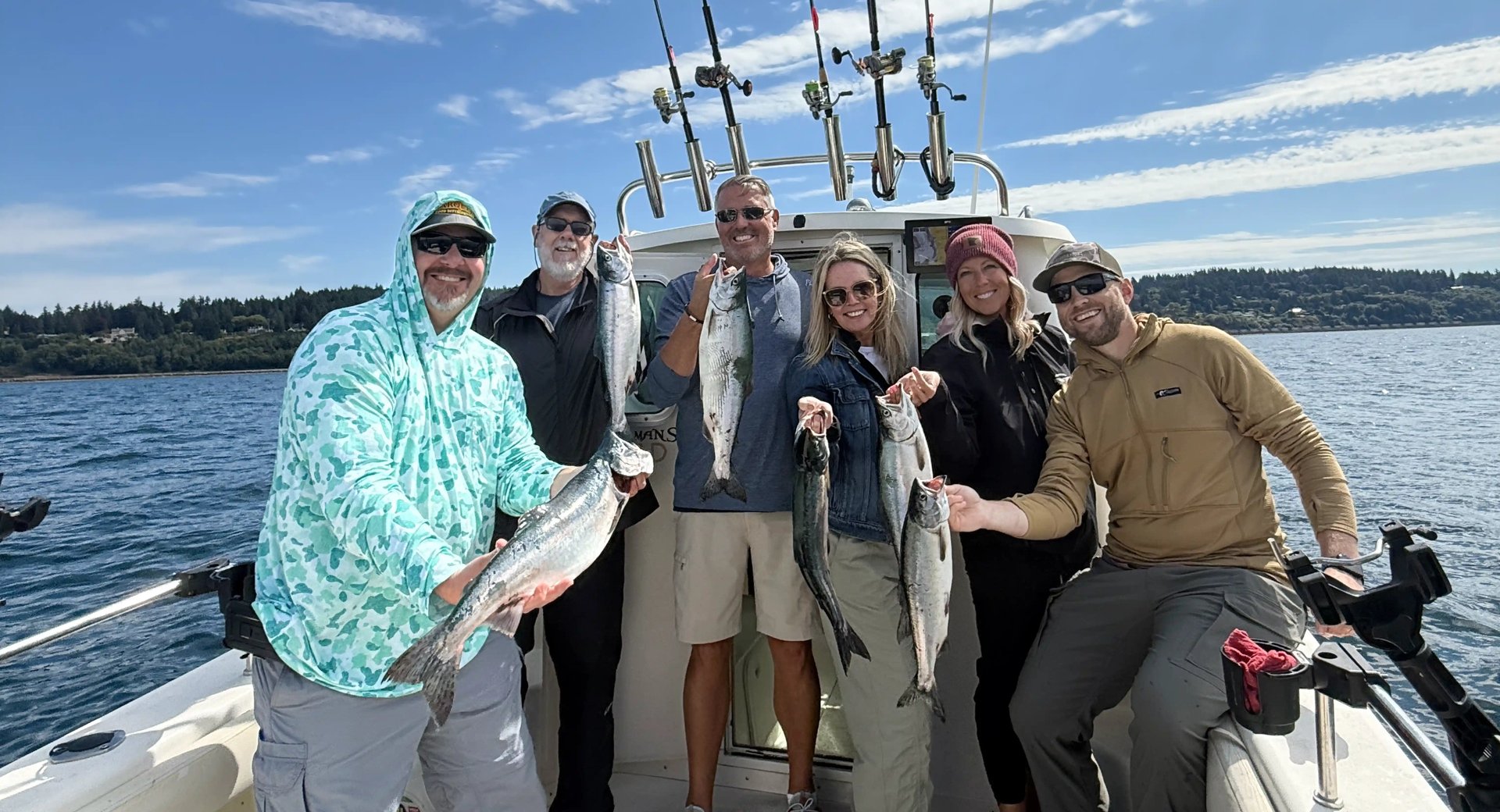
Twin J Charters brings expert guidance to the premier fishing grounds of Puget Sound near Seattle. Specializing in salmon, lingcod, and Dungeness crab, the charter welcomes both experienced anglers and newcomers with equal enthusiasm. Their knowledgeable crew handles all gear and logistics, allowing guests to focus on the experience itself. The operation offers both shared and private trip options, making it easy to customize an outing that fits any preference or group size. Twin J Charters is dedicated to creating memorable days on the water, combining local expertise with genuine hospitality. Whether pursuing a personal best or simply enjoying a day in one of the Pacific Northwest's most beautiful marine environments, guests can expect attentive service and genuine support from start to finish.
Triad River Tours
Seattle, WA, US
4.5 (8 reviews)
Triad River Tours specializes in fly fishing instruction on the pristine waters of the North Cascades near Seattle. Whether stepping into the sport for the first time or refining existing skills, clients receive personalized guidance tailored to their experience level. The program covers essential fundamentals—casting techniques, fly pattern selection, and equipment knowledge—while fostering a deeper connection to the surrounding landscape. Led by a guide with a lifelong dedication to fly fishing, Triad River Tours takes a thoughtful, holistic approach to instruction. All necessary gear is provided, allowing participants to focus entirely on learning and enjoying the experience. Each lesson is adapted to the individual, ensuring that every angler gains confidence and competence on the water.
Frequently Asked Questions
What fish can you catch in the Snoqualmie River?
Above Snoqualmie Falls: native westslope cutthroat trout, rainbow trout, rainbow-cutthroat hybrids, and eastern brook trout in the South Fork headwaters. Below the falls: sea-run cutthroat (August-November), coho salmon, pink salmon (odd years), some chinook and chum, and occasional winter steelhead.
How far is the Snoqualmie River from Seattle?
About 30 minutes east of downtown Seattle via I-90. North Bend and the Three Forks Natural Area are roughly 30 miles from the city. The Middle Fork and South Fork are accessible within 30 to 90 minutes depending on how far upstream you drive.
What flies work best on the Snoqualmie River?
Elk Hair Caddis (#12-16) is the top dry fly. Parachute Adams (#14-18) and Stimulators (#10-14) cover mayfly and stonefly hatches. Pheasant Tail and Hare's Ear nymphs (#14-18) are the subsurface staples. In summer, hopper-dropper rigs with a Chubby Chernobyl and a Copper John or Pheasant Tail dropper are the most productive setup.
Is the Snoqualmie River catch and release?
The Middle Fork is catch-and-release year-round with selective gear rules (single barbless hook, artificial only). The North and South Forks have a summer trout season with possible retention, then switch to catch-and-release selective gear from November through late May. Regulations change annually — always check WDFW before fishing.
Can fish pass above Snoqualmie Falls?
No. Snoqualmie Falls is a 268-foot natural barrier that prevents all anadromous fish (salmon, steelhead, sea-run cutthroat) from reaching the upper river. The three forks above the falls contain only resident trout species — native cutthroat, rainbow, and brook trout. Below the falls, the river supports runs of salmon and sea-run cutthroat.
Related Articles
Fly Fishing the Yakima River: Washington's Only Blue Ribbon Trout Stream, 78 Miles of Dry-Fly Heaven
Sunday, July 6, 2025
Fly Fishing the Skykomish River: Steelhead, Salmon, Spey Rods, and Seattle's Backyard Big-Fish River
Saturday, June 21, 2025
Fly Fishing the Methow River: Wild Trout, Western Town Vibes, and Washington's Best Dry-Side Water
Monday, June 30, 2025
 ™
™