
Fly Fishing Kobuk Valley National Park: Sheefish, Arctic Sand Dunes, and the River at the Edge of the World
Kobuk Valley National Park has no roads, no trails, and no facilities. What it has is the Kobuk River — 347 miles of arctic water holding sheefish that fight like tarpon and exist almost nowhere else in North America — plus 25 square miles of sand dunes above the Arctic Circle. Here is how to fly fish the most surreal landscape in the national park system.

There is a place above the Arctic Circle where sand dunes rise a hundred feet out of the tundra, caribou herds half a million strong cross a river twice a year, and a fish most anglers have never heard of — a predatory whitefish that grows to sixty pounds and jumps like a tarpon when hooked — prowls the current waiting to crush a streamer. That place is Kobuk Valley National Park, and it is one of the least visited units in the entire national park system. Fewer than fifteen thousand people set foot here in a typical year. Most of them are there for the caribou. Almost none of them bring a fly rod.
That is a mistake.
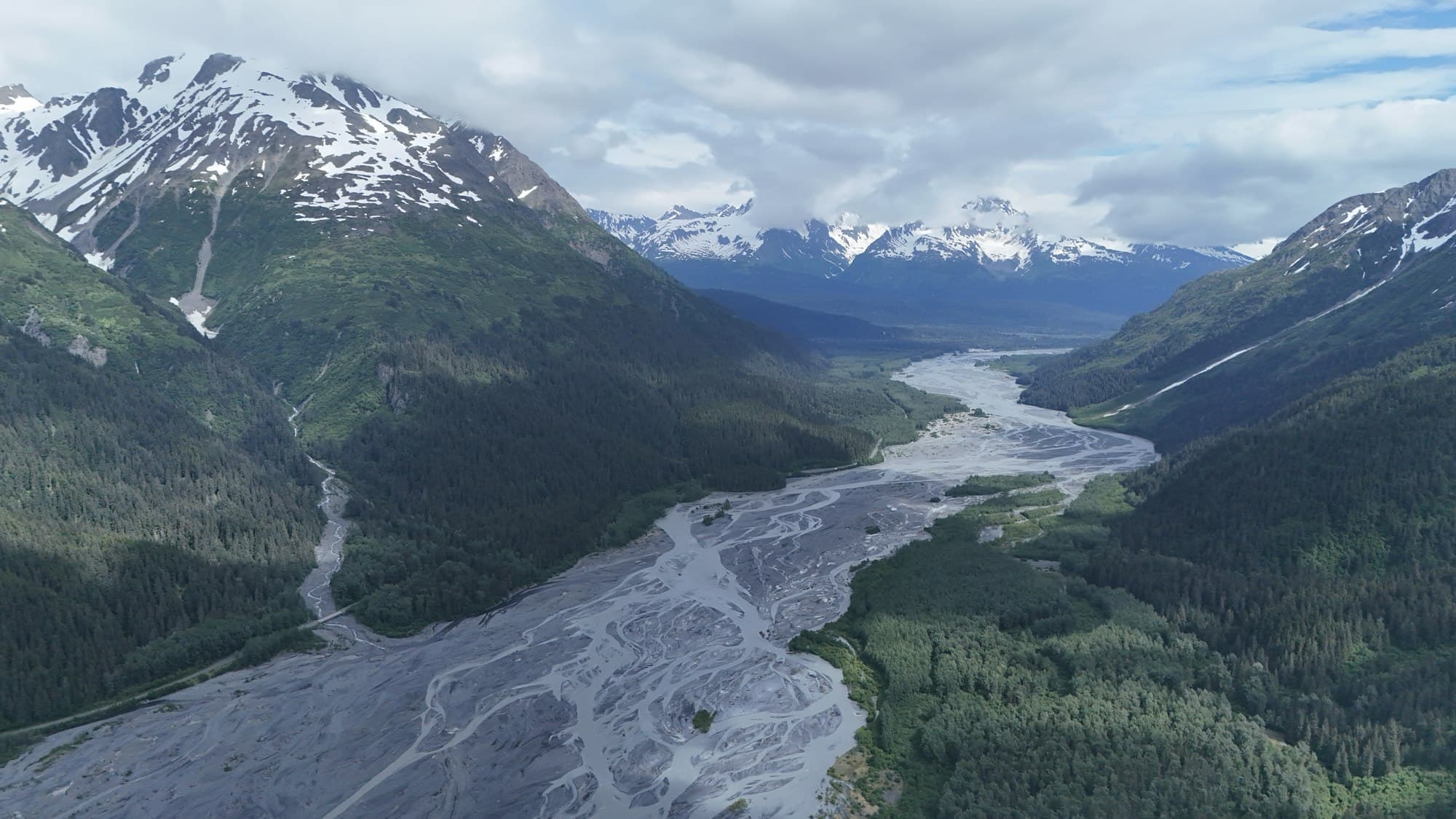
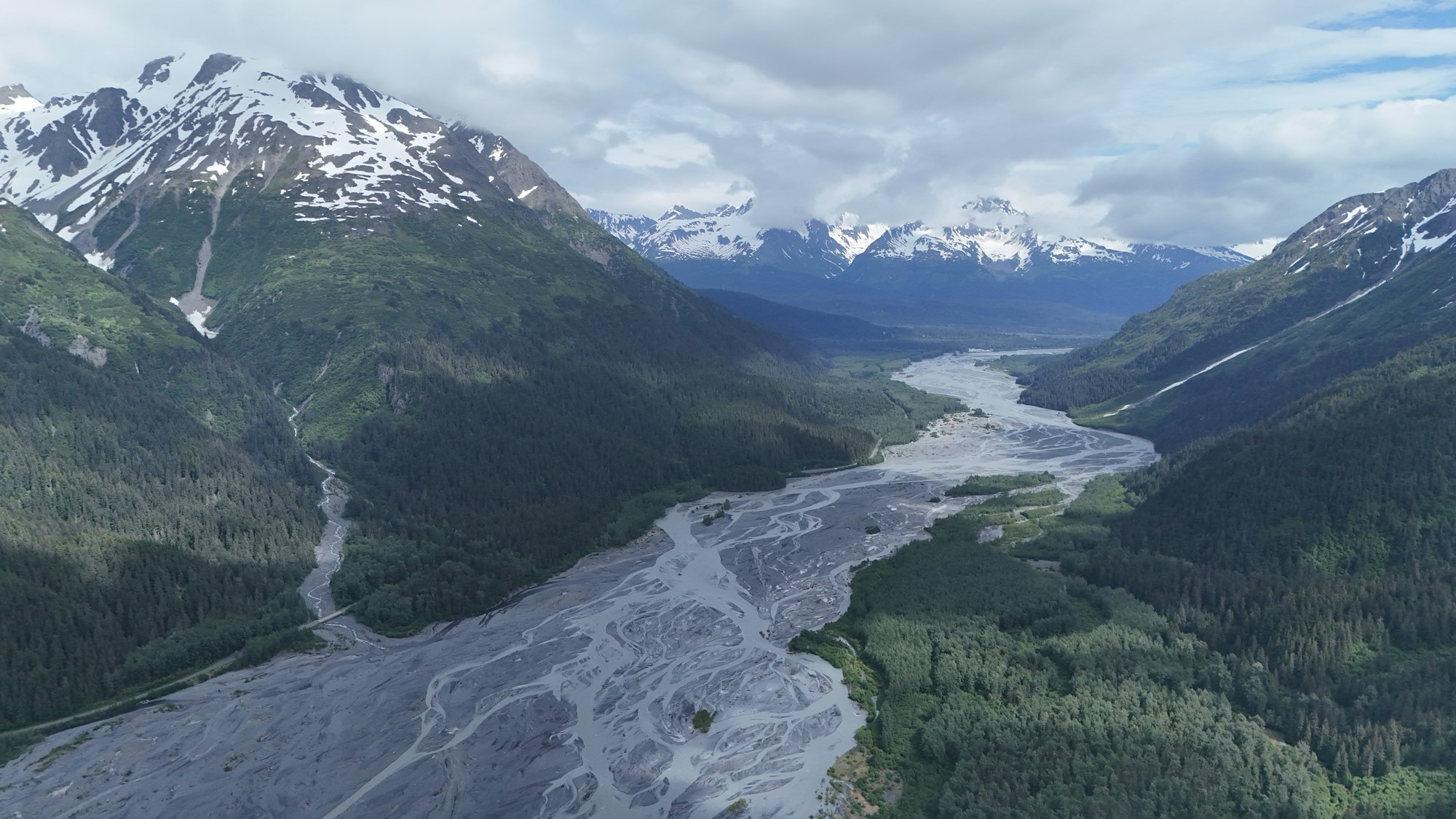
The Kobuk River flows 347 miles from the Endicott Mountains of the Brooks Range west through the park and on to Kotzebue Sound on the Chukchi Sea. Sixty-one of those miles run through Kobuk Valley National Park itself, but the fishable water extends far beyond the park boundaries in both directions. The river is wide, slow, braided in places, deep and steady in others — a major arctic drainage carrying snowmelt and glacial water through boreal forest and open tundra. It is not technical water. It is not pretty in the way a spring creek is pretty. It is big, silty, cold, and absolutely loaded with fish.
The star of the show is the sheefish — Stenodus leucichthys — also called the inconnu, which is French for "unknown," a name European explorers gave it because they had never seen anything like it. The sheefish is the largest member of the whitefish family, a predator that feeds almost exclusively on other fish once it reaches adulthood, an ambush hunter that holds in current seams and tributary mouths waiting for salmon smolt, whitefish fry, and anything else small enough to eat. They grow to sixty pounds in the Kobuk-Selawik drainage. The average fish runs fifteen to twenty-five pounds. When hooked, they run hard and they jump — full, silver, airborne leaps that make you question whether you are actually above the Arctic Circle or somehow got transported to a tarpon flat in the Florida Keys.
Except you are not in the Keys. You are not even at Yellowstone, where the fishing is legendary but the parking lots are full. You are standing on a gravel bar thirty-five miles above the Arctic Circle, the sun is circling the horizon at midnight because it does not set in June, there are grizzly bear tracks in the sand ten yards from your tent, and the nearest road is a bush plane flight away. This is Kobuk Valley.
The Sheefish — The Greatest Sportfish You Have Never Heard Of
The sheefish is almost unknown outside of Alaska and a handful of drainages in northwestern Canada. In North America, significant populations exist in exactly four river systems: the Kobuk-Selawik, the Yukon, the Kuskokwim, and the Mackenzie in Canada's Northwest Territories. That is it. The Kobuk-Selawik population is the most accessible to sport anglers and produces the largest fish — the current state record was caught in the Kobuk drainage, and fish over thirty pounds are taken every season.
The life history of the sheefish reads like science fiction. They are broadcast spawners — females scatter 100,000 to 400,000 eggs over gravel beds in tributary rivers, spawning in water temperatures between 33 and 42 degrees Fahrenheit. They mature slowly — males at six to nine years, females at seven to twelve. Most individuals spawn only every two or more years. And they migrate — some populations travel over a thousand miles in a single summer, moving from estuaries and brackish bays up into the headwater tributaries where they were born.
In the Kobuk system, the migration begins in late June. Sheefish move upriver from Hotham Inlet and Kotzebue Sound, traveling more than three hundred miles to spawning grounds in the southern tributaries of the Kobuk. The fish arrive in the lower river first — fishing is good near the villages of Noorvik and Kiana in July — and push steadily upstream through the summer, reaching the upper Kobuk above the village of Kobuk by mid-August. Spawning occurs in September and early October in the Pah River, the Black River, and the Pick River, all southern tributaries within or near the park boundaries.
This migration is what you are fishing. A sheefish moving upriver is an active, aggressive predator. It is feeding constantly, ambushing smaller fish at tributary mouths and in current seams along the main river. It is not sulking on the bottom waiting to be spooked. It is hunting. And when it sees a large streamer fly stripped through its field of vision, it reacts the way any predator reacts to fleeing prey — it chases and it eats.
Flies for Sheefish
There is no dedicated sheefish fly pattern, and you do not need one. These fish are opportunistic predators that will chase any large, visible fly that looks like it is trying to escape. The key is size, visibility, and speed.
Clouser Minnow — the single most effective sheefish fly. Chartreuse and white in sizes 2 to 2/0, with heavy lead eyes to get the fly down into the current where sheefish hold along the bottom. The Clouser's jigging action imitates a fleeing baitfish, and the combination of flash and movement triggers strikes from fish that are already in hunting mode. Olive and white is the second color. Carry both.
Lefty's Deceiver — white, chartreuse/white, or all-white in sizes 1/0 to 2/0. The Deceiver pushes more water and has a larger profile than the Clouser, which matters when you are trying to attract a predator in a wide, silty river with limited visibility. Strip it fast. Sheefish want speed — a fly moving at medium to fast retrieve speed triggers the predatory response. If you think you are stripping fast enough, strip faster.
Woolly Bugger — black, olive, or white in sizes 2 to 6, heavily weighted with a bead head or lead wraps. The Bugger is the backup plan — less visible than a Clouser or Deceiver in silty water, but the marabou tail pulses and breathes in the current, and sheefish eat it. Fish it deep with a slow retrieve punctuated by sharp strips.
Bunny Leeches — large rabbit-strip leeches in black, purple, or olive, sizes 1/0 to 2. These are big, heavy, water-pushing flies that are impossible to miss in murky water. They also double as pike flies when you find the northern pike that inhabit every oxbow and side channel on the Kobuk.
Gear for Sheefish
Rod: An 8-weight is the minimum. A 9-weight is better if you are specifically targeting sheefish over twenty pounds. These fish make fast, powerful runs and jump, and you need a rod with enough backbone to turn them before they reach structure or the main current. A fast-action rod is essential — you are casting large, wind-resistant flies into arctic wind on a wide river. Delicacy is not the point.
Reel: Large arbor with a sealed, smooth drag and at least 150 yards of backing. Sheefish run. A twenty-five-pound fish that decides to go downstream in the Kobuk's current will test your drag system. This is not a creek reel.
Line: Weight-forward floating line for shallower runs and tributary mouths. Bring a 200- to 300-grain sink-tip line for getting streamers down in the deeper main channel where sheefish hold along the bottom. The sink tip is critical — sheefish tend to ambush from the bottom, and if your fly is riding three feet above their heads, they will not move for it.
Leader: Short and heavy — four to six feet of straight 15- to 20-pound fluorocarbon. There is no reason for a tapered leader when you are throwing 2/0 streamers into silty water. The fish cannot see your tippet and you need the abrasion resistance against their bony mouths and the river's gravel bottom.
The Rest of the River — The Other Species
The sheefish is the reason you fly to Kotzebue and charter a bush plane into the Kobuk Valley. But the river holds five other species worth targeting, and on any given day, you will catch several of them.
Chum Salmon
Chum salmon return to Kotzebue Sound rivers beginning in mid-July and run through August. The Kobuk receives substantial runs of chum salmon — tens of thousands of fish pushing upriver to spawn in the tributaries. Fresh chums in the lower river are chrome-bright, ten to fifteen pounds, and they fight with a dogged, head-shaking power that tests your backing. As they move upriver and approach spawning, they develop the characteristic purple-green bars on their flanks and become less willing to eat, but fresh fish in the lower river are aggressive.
Flies for chums: Sparse marabou streamers in chartreuse or pink, sizes 2-4. Egg-Sucking Leeches in purple or black. Clouser Minnows in chartreuse and white. Egg patterns — Glo Bugs in pink, peach, and orange — work when the fish are staging in pools near tributaries. A San Juan Worm in red or pink (#8-10) fished along the bottom also produces when conventional streamers are refused. A 7- or 8-weight rod handles chums adequately, though fresh fish in heavy current will make a 7-weight feel undersized.
Arctic Grayling
The arctic grayling is the most abundant gamefish in the Kobuk drainage, and it is the most fun fish in the river on a dry fly. Grayling hold in every clear tributary, every riffle, every gravel-bottomed run where the water clears enough for them to see the surface. They rise freely to attractor dries, and in the clear tributaries of the Kobuk, they will eat with the kind of reckless enthusiasm that fish in pressured water have long since abandoned.
This is the same grayling fishing you find at Gates of the Arctic — the sister park to the east, also in the Brooks Range, and similar to the grayling water at Denali farther south. The fish have the same oversized dorsal fin that flashes purple and blue in the sunlight, the same willingness to rise from three feet of water to slam a dry fly, and the same fight that is disproportionate to their size. A twelve-inch grayling on a 4-weight in a clear arctic creek is one of the purest dry-fly experiences in North America.
Flies for grayling: Attractor dries are the game. Royal Wulff (#12-16) — the classic. Stimulator (#10-14) — especially effective in riffled water. Elk Hair Caddis (#14-18) — the all-purpose dry that works everywhere grayling live. Parachute Adams (#14-18) — for flatter water where a low-riding fly drifts more naturally. Black Gnat (#14-16) — a sleeper pattern that outperforms everything else on certain days. Humpy (#12-16) — high-floating, visible, effective. Griffith's Gnat (#18-20) — when midges are on the water, which happens more often than you would expect above the Arctic Circle.
Gear for grayling: Bring a second rod — a 4-weight or 5-weight, 9 feet. The grayling rod. When you pull off the main river into a clear tributary to fish for grayling, you want a lighter rod that lets you feel the fish. The 8-weight you are using for sheefish turns a grayling fight into a drag-and-lift exercise. The 4-weight makes it a sport.
Arctic Char and Dolly Varden
Arctic char and Dolly Varden (closely related salmonids that are nearly impossible to distinguish in the field) inhabit the deeper pools and colder tributaries throughout the Kobuk system. Char in this drainage run two to five pounds, occasionally larger, and they are stunningly beautiful — orange and red flanks with cream-colored spots that glow against the dark water of the deeper pools.
Flies for char: Small streamers — Woolly Buggers (#6-8, olive or black), Dolly Llama in pink and white or chartreuse and white, Muddler Minnow (#6-8) fished deep as a sculpin imitation. Bead-head nymphs like the Prince Nymph (#10-14), Hare's Ear (#12-16), and Pheasant Tail (#14-18). Egg patterns in pink and peach during salmon spawning, when char gorge on drifting eggs behind spawning chums. Flesh flies in pale pink — strips of rotting salmon flesh that drift downstream are a primary fall food source, and a fly that imitates this is deadly.
Northern Pike
The Kobuk's oxbow lakes, sloughs, and slow-water side channels hold northern pike — aggressive, toothy predators that ambush prey from cover in weedy, still water. Pike in the Kobuk system average three to eight pounds, with fish over fifteen pounds present. They are not the reason you came — for dedicated pike fishing, the lakes at Voyageurs National Park are more productive — but they are an entertaining diversion when the main river is blown out or you want a change of pace.
Flies for pike: Big bunny leeches — rabbit-strip streamers in chartreuse, white, or black, sizes 1/0 to 3/0. Lefty's Deceivers in yellow or chartreuse. Anything large, flashy, and fished with an erratic, pause-and-strip retrieve that triggers the pike's ambush instinct. A wire bite tippet is mandatory — pike teeth sever fluorocarbon and mono without effort. Use your 8-weight sheefish rod and a short, heavy leader with twelve inches of single-strand wire.
Burbot
Burbot — the only freshwater cod in North America — inhabit the deeper pools and slower stretches of the Kobuk. They are not a fly-rod target in any practical sense, but you will encounter them. If you hook one on a deeply fished Woolly Bugger or San Juan Worm, you will feel a heavy, sluggish pull that makes you think you have snagged the bottom until the bottom starts moving.
The Great Kobuk Sand Dunes — Fishing in the Surreal
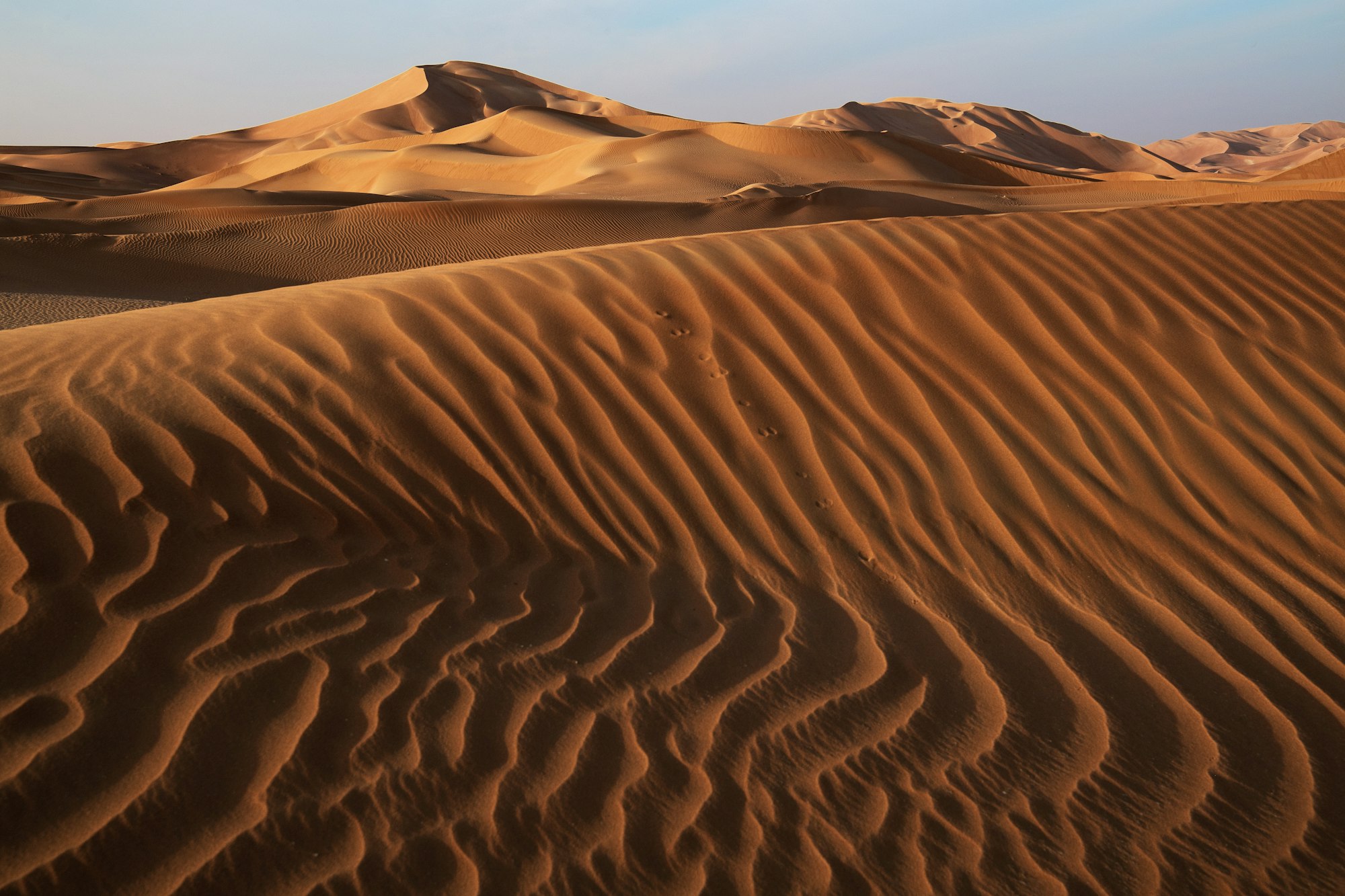
Two miles south of the Kobuk River, near the eastern boundary of the park, twenty-five square miles of sand dunes rise from the tundra like a hallucination. The Great Kobuk Sand Dunes are the largest active sand dunes in the Arctic — individual dunes reaching a hundred feet high, with wind-sculpted ridgelines and ripple patterns that look identical to the Sahara. Except the Sahara does not have caribou tracks crossing it, and the Sahara does not have a river full of sheefish running along its northern edge.
The dunes were formed during the last Ice Age, twenty-eight thousand years ago, when glaciers grinding through the Brooks Range produced enormous quantities of fine sand that wind deposited in the sheltered Kobuk Valley. The dunes originally covered two hundred thousand acres. Vegetation has reclaimed most of that — today, roughly sixteen thousand acres of active sand remain, still shifting with the wind, still growing and moving across the tundra floor.
Summer temperatures on the dunes can reach one hundred degrees Fahrenheit. This is the Arctic Circle. That fact — hundred-degree sand dunes above the Arctic Circle, surrounded by permafrost tundra and boreal forest, two miles from a river where sheefish are chasing baitfish — is the kind of geographic absurdity that makes Kobuk Valley unlike any other national park in the system.
You cannot fish the dunes themselves, but you can hike to them on a layover day during your float trip. The two-to-three-mile tundra walk from the river to the dunes is unmaintained — no trail, no boardwalk, no signs. You navigate by sight across open tundra, crossing tussocks and wet ground, watching for grizzly bears, until the sand appears ahead of you like a mirage. Then you walk barefoot across dunes that feel like the desert, except the horizon is tundra and mountains, and the light is the endless, angled light of the midnight sun.
The fishing connection is the Kobuk River itself. The stretch of river adjacent to the dunes — roughly between the villages of Ambler and Kiana — is prime sheefish water. The river here is wide and deep, with long, steady runs and well-defined current seams where sheefish hold and hunt. Float this section in late July through August and you are fishing the sheefish migration while camping within hiking distance of one of the most otherworldly landscapes on earth.
The Caribou — Half a Million Animals Crossing Your River
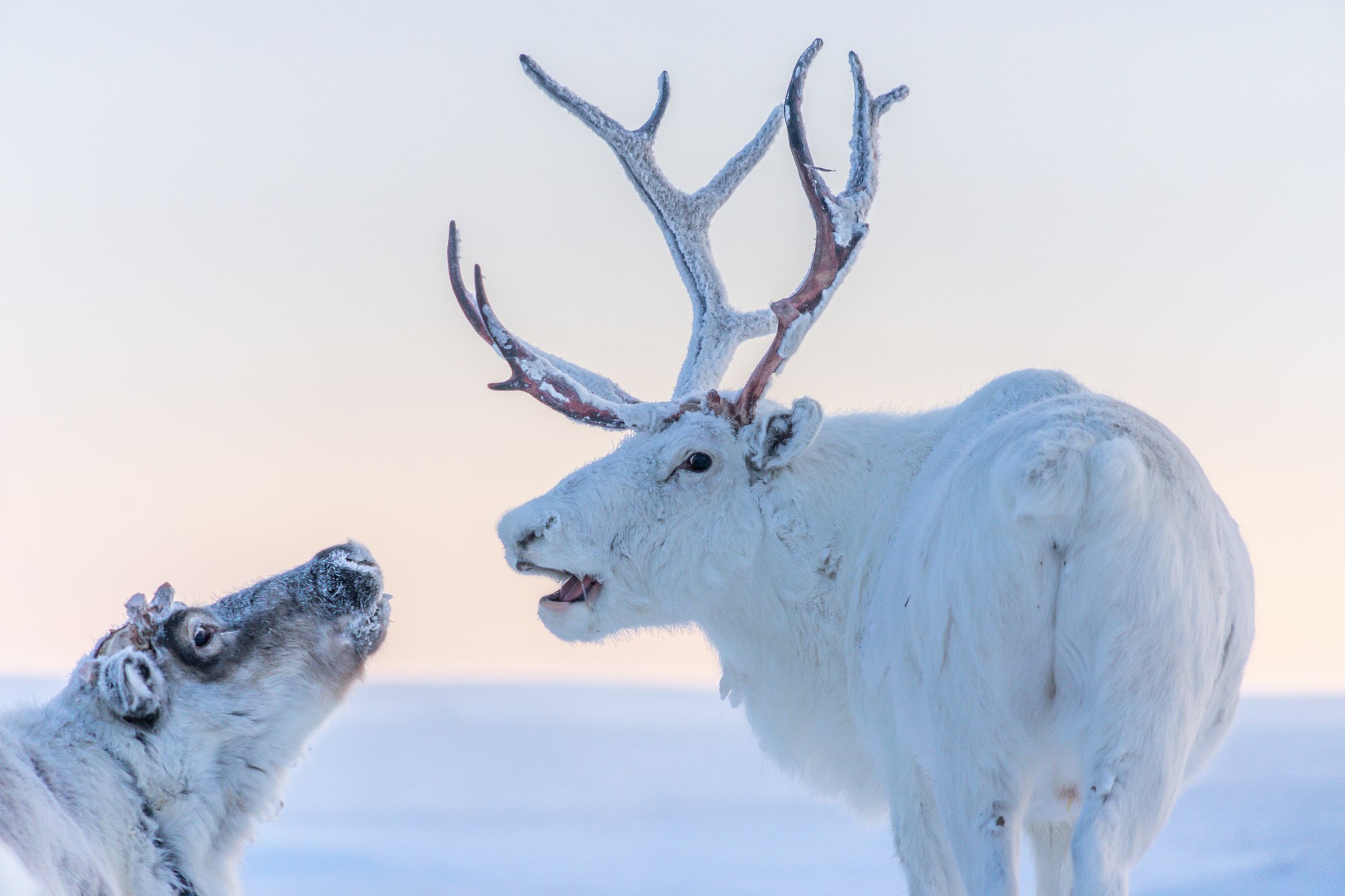
The Western Arctic Caribou Herd — one of the largest caribou herds remaining in North America, numbering close to half a million animals — crosses the Kobuk River twice each year. The northward migration in spring and the southward migration in fall funnel through Kobuk Valley, and the river crossings are one of the great wildlife spectacles on the planet. Thousands of caribou enter the water at once, swimming across the current in a mass of antlers and splashing and snorting, while calves struggle to keep up and grizzly bears patrol the banks waiting for stragglers.
Onion Portage — Paatitaaq in Inupiaq — is the most famous crossing point, an archaeological site within the park where caribou have crossed the Kobuk for at least eight thousand years. Humans have hunted them here for just as long. The archaeological record at Onion Portage is one of the most important in the North American Arctic, documenting continuous human occupation across millennia, all centered on the caribou crossing the river at this one narrow point.
The fall migration — late August through September — overlaps with the prime sheefish fishing season. If your timing is right, you will be floating the Kobuk, casting streamers to sheefish in the current, while caribou cross the river a hundred yards upstream. This is not a nature documentary. This is a Tuesday in Kobuk Valley.
Getting There — Bush Planes and the Edge of the Map
There are no roads to Kobuk Valley National Park. There is no road within a hundred miles of Kobuk Valley National Park. The park has no visitor center, no ranger station you can drive to, no maintained campgrounds, no facilities of any kind.
Kotzebue is the primary staging point. Kotzebue is an Inupiaq community of roughly three thousand people, located on a spit of land jutting into Kotzebue Sound on the Chukchi Sea coast. You reach Kotzebue by commercial flight from Anchorage — Alaska Airlines operates daily service, roughly ninety minutes. From Kotzebue, you charter a bush plane into the park. Several air taxi operators serve the area and are authorized to fly into the park. Expect to pay six hundred to eight hundred dollars per hour for charter flights, and your float trip will require two flights — one to the put-in point upriver, and a second pickup at the take-out.
Bettles — the same tiny village that serves as the staging point for Gates of the Arctic — provides access to the upper Kobuk River, which originates in the Endicott Mountains east of the park. Float trips starting from Walker Lake (accessed from Bettles) travel the length of the upper Kobuk through or near Gates of the Arctic before entering Kobuk Valley downstream. This extended route — 115 miles from Walker Lake to the village of Kobuk — takes five to eight days and combines fishing in both parks on a single trip.
Ambler and Kiana are Inupiaq villages along the Kobuk River within the general park area. Both have small airstrips accessible by bush plane and serve as put-in or take-out points for float trips through the park. Some guided fishing operations are based in these villages and offer day trips or multi-day camping expeditions.
Tundra-tire planes land directly on gravel bars and sand dunes. Floatplanes land on the Kobuk River and its larger tributaries. Your pilot will determine the landing method based on water levels, wind conditions, and the specific section of river you are accessing. This is not a shuttle service — it is expedition logistics, and you need to coordinate your flights well in advance.
The Float Trip — Seven to Fourteen Days on the Kobuk
The way you fish Kobuk Valley is the same way you fish Gates of the Arctic — on a multi-day float trip. There is no day-trip option. There are no drive-up access points. You fly to the river, you float the river, you fish the river, and a bush plane picks you up at the end.
Trip Planning
Duration: Seven to fourteen days is the standard range. A seven-day trip covers roughly fifty to seventy miles of river and gives you time to fish productively while building in layover days for hiking (the dunes, the tundra, the tributary valleys) and waiting out weather. A fourteen-day trip extends the float to cover the full run of the Kobuk through the park and beyond, with more time to explore side channels, tributary fishing for grayling and char, and the sand dunes.
Vessel: The Kobuk is a wide, slow-moving river with occasional braided channels and a few class II-III rapids in the upper canyon section above the park. Collapsible canoes, inflatable kayaks, and small rafts all work well on the lower, slower water through the park. Rafts provide more gear capacity for longer trips. The upper section from Walker Lake has some technical water that requires paddling experience.
Camping: Gravel bars are your campsite. You pitch your tent on sand and gravel, cook on a camp stove, filter river water, and hang food or use bear canisters. There are no established campsites, no fire rings, no pit toilets. You pack out everything. Leave no trace is not a suggestion — it is the law and the ethic that keeps this place what it is.
Weather: Arctic weather is unpredictable. Summer temperatures range from 40 to 80 degrees Fahrenheit, with occasional spikes above 90 on the sand dunes. Rain, wind, and cold snaps can occur at any time. Pack layers, waterproof everything, and bring a tent that can handle sustained wind. Snow is possible in August at higher elevations. The midnight sun means you can fish at any hour from late June through mid-July — the sun does not set, it simply circles the horizon, casting long golden light across the water at 2:00 AM.
Guided vs. Self-Guided: Several outfitters run guided float trips on the Kobuk, operating out of Fairbanks, Kotzebue, and Ambler. A guided trip is strongly recommended for first-time visitors. The logistics are complex, the environment is unforgiving, and an experienced guide who knows the river, the fish movements, and the bush-plane operators eliminates the kind of mistakes that strand people in the wilderness. Self-guided trips are possible for experienced wilderness travelers, but you must be comfortable with total self-sufficiency, bear country protocols, and the reality that help is a satellite phone call and a plane flight away.
The Seasonal Calendar — When to Fish the Kobuk
Late June to Mid-July — Early Season, Midnight Sun
The river opens from ice sometime in early to mid-June, depending on the year. By late June, the upper river is fishable. This is grayling and pike season — sheefish have not yet arrived in the upper river, and chum salmon are still in the ocean. The midnight sun is at its peak — twenty-four hours of daylight, with the sun circling above the horizon in an endless golden twilight.
Grayling fishing in the clear tributaries is spectacular during this window. The fish are aggressive after the long arctic winter, rising freely to attractor dries — Elk Hair Caddis, Stimulators, Parachute Adams. Pike in the oxbow lakes and sloughs are active, hunting in the warm shallows. Arctic char and Dolly Varden hold in the deeper pools.
Mid-July to August — Prime Time, Sheefish and Chums
This is when the Kobuk comes alive. Sheefish are moving upriver in numbers, chum salmon enter the drainage, and all species are active and feeding. The lower river (Noorvik to Kiana) sees the first sheefish in July. By mid-August, the fish are in the upper river near the village of Kobuk and into the park.
This is the window you plan your trip around. A float starting in the last week of July or first two weeks of August puts you on the river during peak sheefish migration, with chum salmon in the mix and grayling still rising in the tributaries. The caribou migration may overlap in late August, depending on the year.
September — Spawning, Caribou, and the End of Season
Sheefish reach their spawning tributaries — the Pah, Black, and Pick rivers — in September. The fish become less aggressive as they approach spawning, but the concentration of fish in these tributaries can be remarkable. Chum salmon are on their spawning beds, their bodies breaking down, providing a nutrient pulse that feeds everything in the river — char gorge on eggs behind the spawning salmon, grayling pick up drifting eggs and nymphs, and the entire food web shifts into high gear.
The caribou migration is in full swing. Temperatures drop. The first dustings of snow appear on the peaks. The tundra turns red and gold. By late September, the window closes — ice begins forming on the tributaries, bush planes become less willing to fly as weather deteriorates, and the arctic winter announces itself with finality.
The Fly Box — The Complete Kobuk Valley Kit
Sheefish and Pike (8- or 9-weight rod)
- Clouser Minnow (#2-2/0, chartreuse/white and olive/white) — the primary sheefish fly
- Lefty's Deceiver (#1/0-2/0, white and chartreuse/white) — for larger profile in silty water
- Woolly Bugger (#2-6, black, olive, white, heavily weighted) — the all-around subsurface fly
- Bunny Leeches (#1/0-2, black, purple, chartreuse) — big water, big flies, big fish
- Muddler Minnow (#2-6) — fished deep as a sculpin imitation in the main river
- Hare's Ear Nymph (#8-12) — weighted, fished deep as a general attractor nymph for sheefish holding water
Chum Salmon (7- or 8-weight rod)
- Sparse marabou streamers (#2-4, chartreuse, pink, purple)
- Egg-Sucking Leeches (#4-6, purple/pink, black/pink)
- Clouser Minnow (#2-4, chartreuse/white)
- Glo Bugs (#6-8, pink, peach, orange) — for staging fish near tributary mouths
Arctic Char and Dolly Varden (5- or 6-weight rod)
- Woolly Bugger (#6-8, olive, black)
- Dolly Llama (#4-6, pink/white, chartreuse/white)
- Prince Nymph (#10-14)
- Hare's Ear Nymph (#12-16)
- Pheasant Tail Nymph (#14-18)
- Egg patterns (#6-10, pink, peach) — essential during salmon spawning
- Flesh flies (#6-8, pale pink) — dead-drifted in the fall
Arctic Grayling (4- or 5-weight rod)
- Elk Hair Caddis (#14-18)
- Parachute Adams (#14-18)
- Stimulator (#10-14, yellow or orange)
- Royal Wulff (#12-16)
- Black Gnat (#14-16)
- Humpy (#12-16)
- Griffith's Gnat (#18-20) — for midge activity
- Chubby Chernobyl (#10-12) — as a hopper-dropper indicator fly
- Copper John (#14-18) — dropped below a dry
- Pheasant Tail Nymph (#14-18) — the universal subsurface pattern
Regulations and Ethics
Fishing in Kobuk Valley National Park requires a valid Alaska sport fishing license, available online from the Alaska Department of Fish and Game. No special park permit is required for fishing.
Alaska state fishing regulations for the Northwest Arctic management area govern species-specific bag limits, gear restrictions, and season dates. These regulations change annually — check current regulations before your trip. General guidance: sheefish and chum salmon have specific bag and possession limits that are strictly enforced even in this remote setting. Grayling, pike, and char have more generous limits but practice catch and release on all species — the fish populations here are healthy because the pressure is almost nonexistent, and keeping that balance matters.
Subsistence fishing: Local Inupiaq communities along the Kobuk have subsistence fishing rights that predate the park and are protected by federal law. You may encounter set nets in the river — these are subsistence nets, legally placed, and you should give them a wide berth. Do not approach, touch, or interfere with subsistence fishing equipment. The relationship between the Inupiaq communities and the fish in this river extends back eight thousand years, and your sport fishing is a guest activity in a landscape that is their home.
Bear protocol: Grizzly bears are common along the Kobuk and its tributaries, particularly during salmon runs when they congregate near spawning areas. Carry bear spray and know how to use it. Use bear-resistant food containers. Cook at least two hundred yards from your tent. Keep a clean camp. If you encounter a bear on the river while fishing, give it space and be prepared to reel up and move. The bears were here first, and they will be here long after you leave.
How Kobuk Valley Fits — The National Park Comparison
Kobuk Valley National Park is the companion piece to Gates of the Arctic. Both are in the Brooks Range. Both are above the Arctic Circle. Both have no roads, no facilities, and no development. Both require bush planes to access. Both offer float-trip fishing in rivers that hold grayling, char, and Dolly Varden in numbers and sizes that pressured fisheries cannot match.
The difference is the sheefish. Gates of the Arctic has sheefish in its larger river systems — the Noatak, the Kobuk headwaters — but the Kobuk Valley is where the sheefish migration concentrates. The Kobuk River through the park and downstream to Noorvik is the premier sheefish fishery in Alaska, and therefore in North America, and therefore in the world. If you want to catch a sheefish on a fly, the Kobuk is the river.
The other difference is the sand dunes. No other national park has twenty-five square miles of active sand dunes above the Arctic Circle. Denali has the mountain. Katmai has the bears and the sockeye runs. Lake Clark has the volcanic landscape and the silver salmon. Wrangell-St. Elias has the sheer size and the glaciers. Kobuk Valley has a landscape that makes you question whether the bush pilot dropped you on the right planet.
The Alaska parks together form the most formidable fly-fishing circuit in the national park system. Kenai Fjords offers saltwater possibilities. Glacier Bay has its tidewater frontier. But for the fly angler working through them all, Kobuk Valley is the expedition — the deepest commitment, the most remote access, the most unusual species, and the most surreal scenery. It shares the Brooks Range DNA of Gates of the Arctic but adds the sheefish as a primary target and the sand dunes as a visual anchor that nothing else in the national park system can match. This is not a park where you drive in for an afternoon of fishing. This is a park where you fly in, float for a week, cast streamers to a fish that most of the fly-fishing world does not know exists, watch caribou herds cross the river you are standing in, and hike across sand dunes that have no business being above the Arctic Circle.
The Kobuk is the edge of the map. Bring your 8-weight, bring your Clousers, bring your sense of wonder, and be prepared for a fishing experience that has no equivalent anywhere in the lower forty-eight.
Looking for a guide in Kotzebue?
We don't have specific guides listed in Kotzebueyet, but we're growing fast.
Browse All GuidesFrequently Asked Questions
Can you fly fish at Kobuk Valley National Park?
Yes. Fly fishing is permitted throughout Kobuk Valley National Park with a valid Alaska sport fishing license. The Kobuk River flows sixty-one miles through the park and holds sheefish (inconnu), chum salmon, arctic grayling, arctic char, Dolly Varden, northern pike, and burbot. There are no roads or facilities — access is by bush plane from Kotzebue or Bettles, and fishing is done during multi-day float trips on the river.
What is a sheefish and where can you catch one on fly?
The sheefish (also called inconnu) is the largest member of the whitefish family, growing to sixty pounds in the Kobuk River system. It is a predatory fish that feeds on other fish, fights hard, and jumps when hooked. The Kobuk River is the premier sheefish fishery in North America. Target them with large Clouser Minnows and Lefty's Deceivers in chartreuse and white on an 8- or 9-weight rod with a sink-tip line. Peak season is mid-July through August.
What flies work best for fishing the Kobuk River?
For sheefish: Clouser Minnows and Lefty's Deceivers in chartreuse/white (sizes 2-2/0) fished fast on sink-tip lines. For chum salmon: sparse marabou streamers and egg patterns. For arctic grayling: attractor dries like Elk Hair Caddis, Parachute Adams, Stimulators, and Royal Wulffs in sizes 12-18. For arctic char: small Woolly Buggers, Prince Nymphs, and egg patterns during salmon spawning.
How do you get to Kobuk Valley National Park for fishing?
Fly commercially from Anchorage to Kotzebue (Alaska Airlines, ninety minutes), then charter a bush plane into the park. Air taxi operators in Kotzebue fly anglers to put-in points on the Kobuk River. Alternatively, fly to Bettles and charter into the upper Kobuk near Walker Lake for an extended float. There are no roads within a hundred miles of the park. Expect charter costs of six hundred to eight hundred dollars per hour.
When is the best time to fly fish Kobuk Valley National Park?
Mid-July through August is prime time. Sheefish migrate upriver from late June through September, with the best fly fishing in the park section from mid-July to mid-August. Chum salmon enter the river in mid-July. Arctic grayling are active from late June through September. The fall caribou migration may overlap with late-season fishing in late August and September.
Related Articles
Fly Fishing the Florida Keys: Tarpon, Permit, Bonefish, and the Flats That Invented Saltwater Fly Fishing
Friday, January 2, 2026
Fly Fishing Yellowstone National Park: Cutthroat in the Meadows, Wolves on the Ridge, and the Strangest Trout Stream on Earth
Monday, December 22, 2025
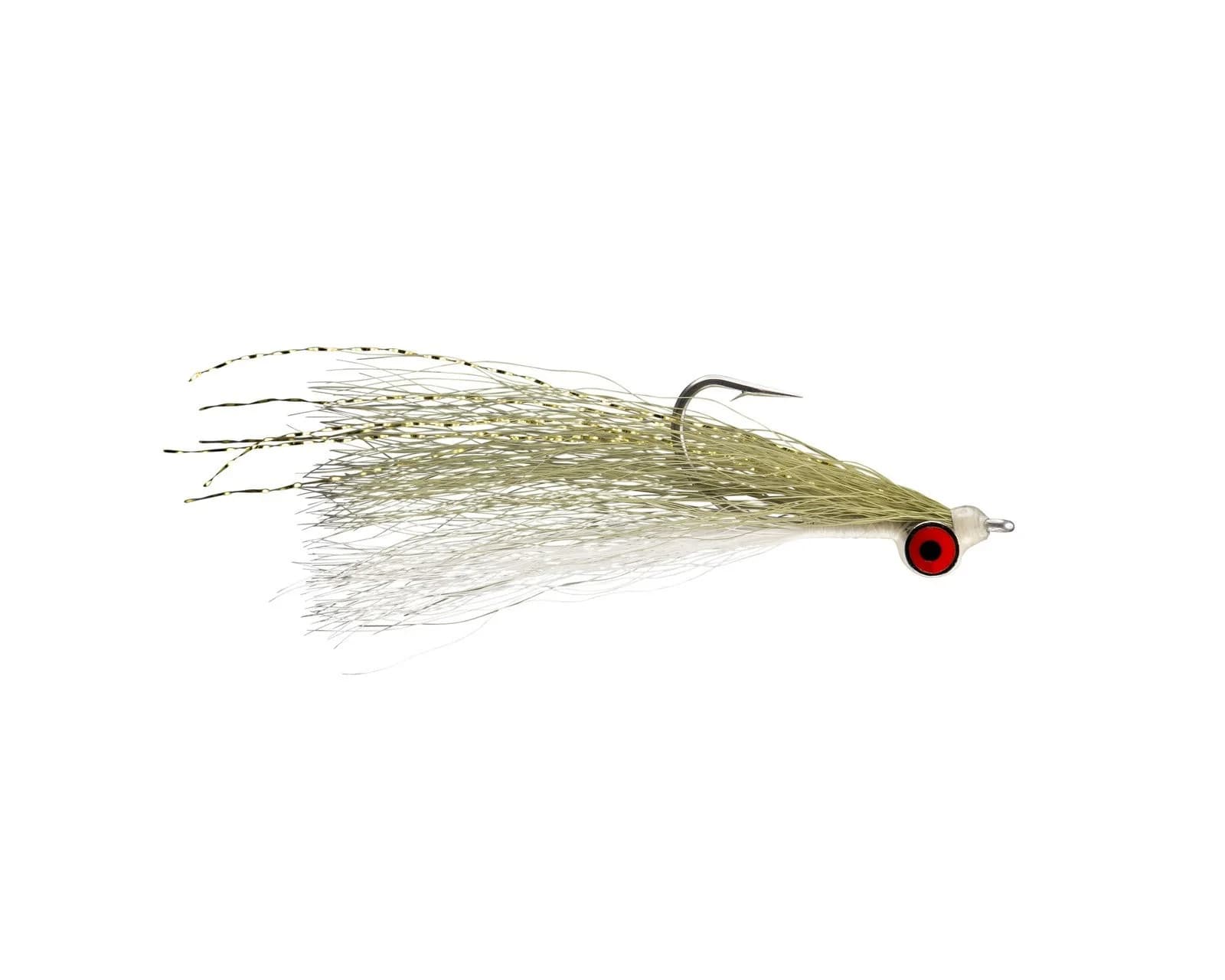
The Clouser Minnow: How to Tie the Fly That Catches Everything With Fins, From Bonefish to Bass to Stripers
Friday, November 28, 2025
 ™
™