
Fly Fishing Mammoth Cave National Park: Smallmouth Bass, Musky, and the Green River Flowing Over the World's Longest Cave
Four hundred and twenty-six miles of cave passage run beneath your feet, but the fishing is on top. The Green River winds through Mammoth Cave National Park in a limestone gorge lined with sycamores, holding smallmouth bass that crush poppers against bluff walls and muskellunge that haunt the deepest pools. No license required. Bring a canoe.
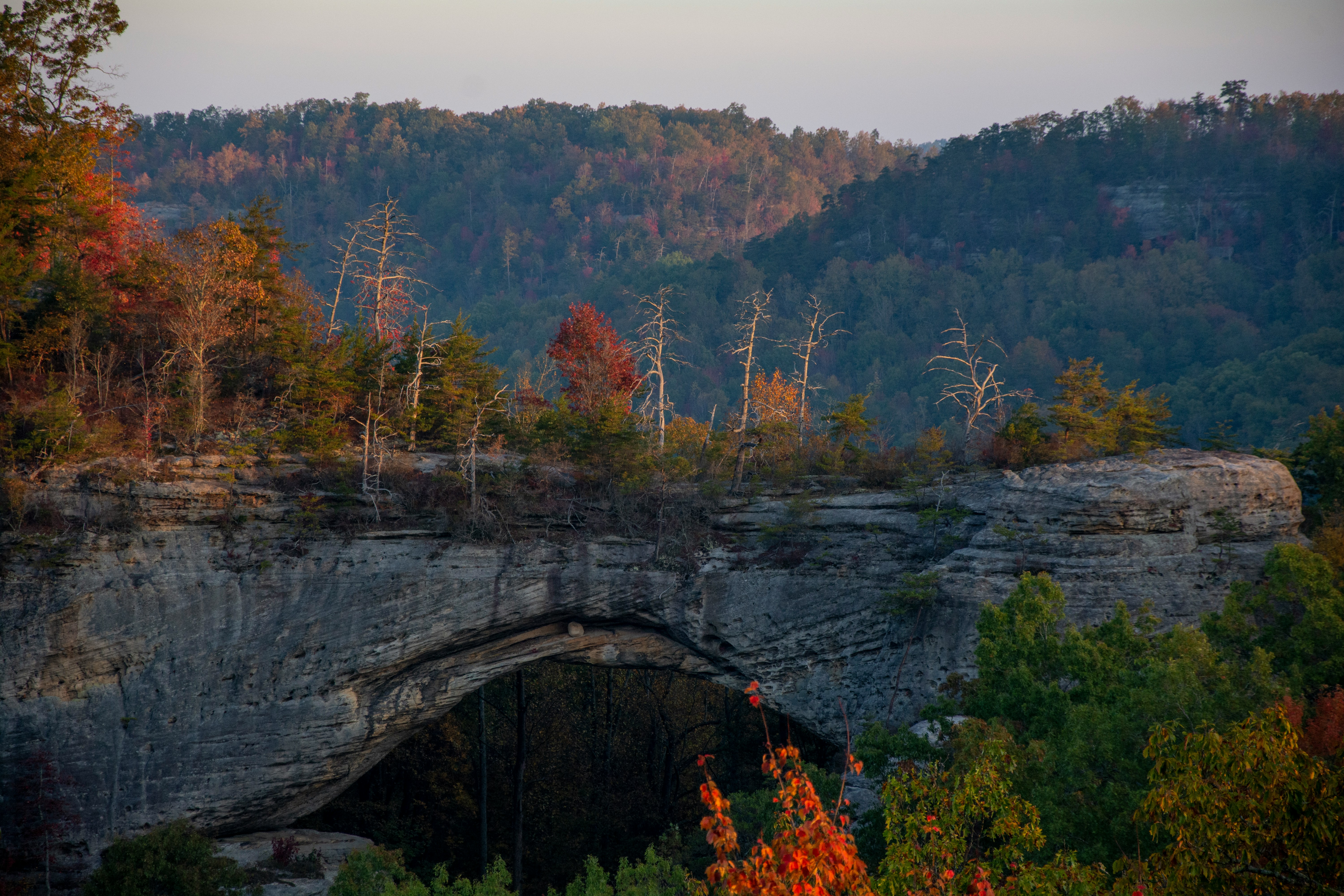
The first thing you need to understand about Mammoth Cave National Park is that the famous part is underground. Four hundred and twenty-six miles of surveyed cave passage — the longest known cave system on earth — run beneath this patch of south-central Kentucky like a dark, dripping mirror of the surface world. Underground rivers named the River Styx and Echo River flow through chambers that early explorers mapped by torchlight in the 1800s. Eyeless cavefish and ghostly white cave shrimp drift through those subterranean channels, navigating by senses that have nothing to do with light. It is, by any measure, one of the most remarkable geological features on the planet.
And directly above all of it, flowing through a limestone gorge that the cave system helped carve, the Green River holds smallmouth bass.
That is the Mammoth Cave fishing story in one sentence: the world's most famous underground river system has a surface river on top of it, and that surface river is a legitimate warmwater fly fishery that almost nobody fishes. The 170,000 people who visit the park each year come for the cave tours. They walk through the Historic Entrance, gawk at the Rotunda, marvel at Frozen Niagara, and drive home. Maybe five percent of them notice the Green River at all. Maybe one percent fish it. And the ones who bring a fly rod and a canoe discover something the cave tourists never will: a slow, green, limestone-bottomed river winding through bluff-lined forest, with smallmouth bass eating crawdads in the riffles and muskellunge — genuine, toothy, state-record-producing muskellunge — lurking in the deepest pools.
No fishing license is required inside Mammoth Cave National Park. That fact alone makes it unique among national park fisheries.
The Green River — What Flows Above the Cave
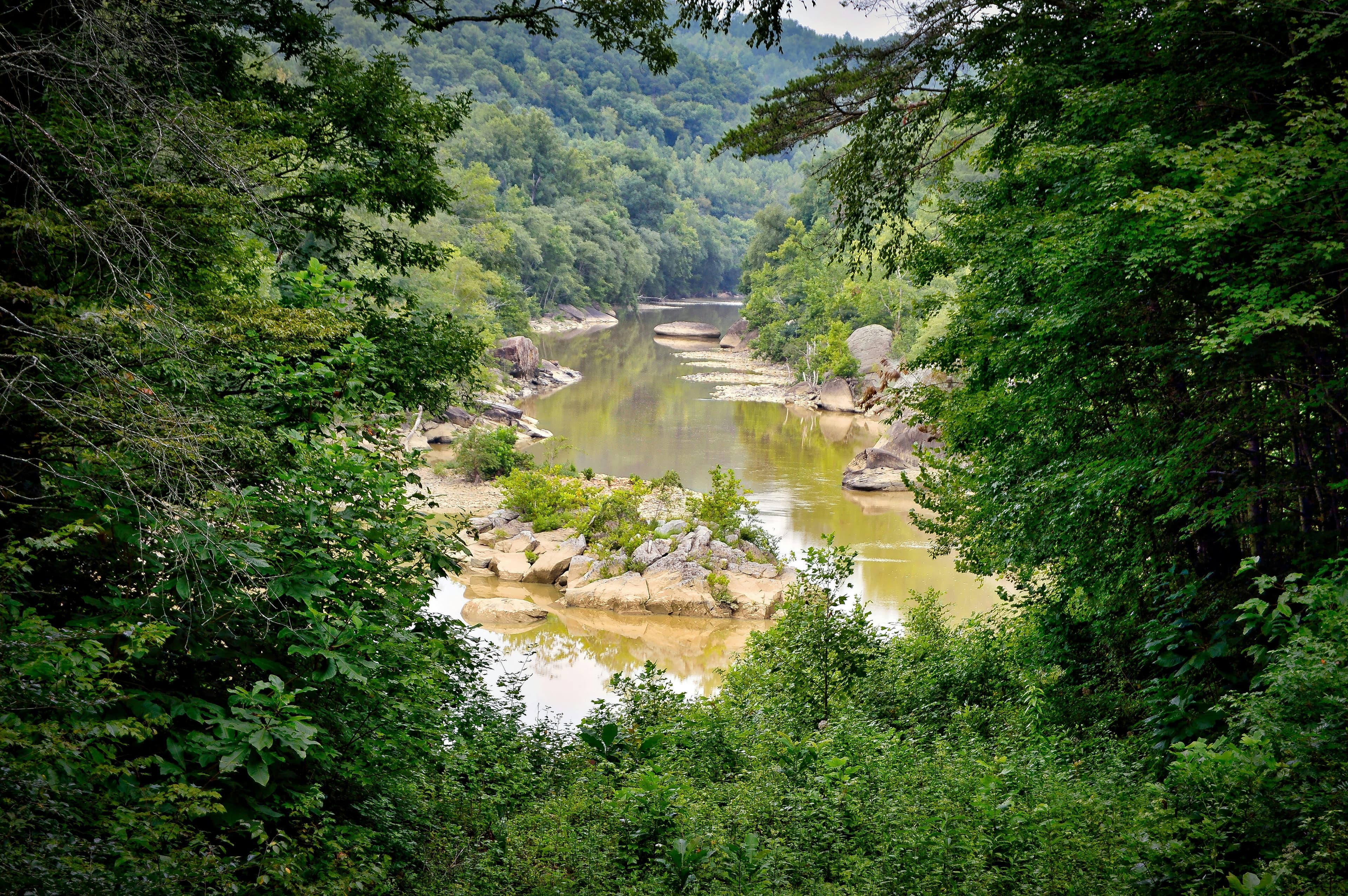
The Green River is not a small stream. At 384 miles, it is one of Kentucky's major waterways, draining a basin that covers much of the south-central part of the state before emptying into the Ohio River near Henderson. The section that flows through Mammoth Cave National Park — roughly 25 miles from the park's eastern boundary near Park City to where the Nolin River enters from the south and the river continues west toward Brownsville — is the stretch that matters for this guide.
This is a canoe river. Not a wade-and-cast trout stream, not a drift-boat-and-guide operation, but a paddle-your-own-canoe river through a gorge that ranges from intimate to imposing. The water is green — genuinely green, colored by the dissolved limestone that defines the entire karst landscape. The current is moderate. Riffles alternate with long, deep pools. Limestone bluffs rise forty, sixty, sometimes a hundred feet from the water on the outside bends, and sycamores lean out over the pools from the inside bends, their white bark bright against the dark water. Springs seep from the bluff faces. Streamside caves open in the rock — small ones you can paddle into for forty feet, larger ones that connect to the Mammoth Cave system itself. You are, quite literally, floating over the cave.
The Green River through the park supports more than eighty species of fish and over seventy species of freshwater mussels — a biodiversity that rivals any river system in the eastern United States. The mussels are protected (seven species are endangered — do not touch, collect, or disturb them), but the fish are fair game for a fly rod, and the cast of characters is impressive.
The Three Access Points
The park maintains three river access points reachable by car, and understanding them is essential to planning a float:
Dennison Ferry is the upstream put-in for the classic park float. Located on Dennison Ferry Road (also called Big Woods Road), it requires a fairly steep carry-down to the water — wooden slides are provided for canoes and kayaks, but you will work for the launch. This is where most fishing floats begin.
Green River Ferry sits in the middle of the park, where the auto ferry crosses the river near the Mammoth Cave Hotel and park headquarters. A gravel canoe and kayak launch ramp and the ferry ramp itself serve as launch and take-out points. The Dennison Ferry to Green River Ferry float is approximately eight miles — a solid half-day or a relaxed full day with fishing stops.
Houchin Ferry is the downstream take-out, located farther west in the park near the Houchin Ferry Campground. The Green River Ferry to Houchin Ferry float is twelve miles and takes five to six hours of steady paddling — longer with fishing. The launch at Houchin Ferry is often muddy; use caution.
The full Dennison Ferry to Houchin Ferry float — twenty miles through the heart of the park — is a legitimate overnight trip. Camp on islands or in the floodplain (backcountry camping is permitted), fish the evening rise, sleep on a gravel bar, and fish the morning bite before paddling out. It is one of the best canoe-camping-fishing combinations in any national park east of the Mississippi.
Liveries
You do not need to own a canoe to float the Green River. Several outfitters near the park rent canoes and kayaks and provide shuttle service:
- Green River Canoeing (270-773-5712)
- Cave Country Canoe (270-773-5552)
- Mammoth Cave Canoe and Kayak (877-59-CANOE)
- Big Buffalo Crossing (270-774-7883)
Call ahead for current river levels. The park service hotline at (270) 758-2166 provides river level information and ferry status. Do not float when the river is at the ten-foot level or higher — dangerous conditions. At twenty feet, the river closes.
The Fish — What Eats Your Fly
Smallmouth Bass — The Star of the Show
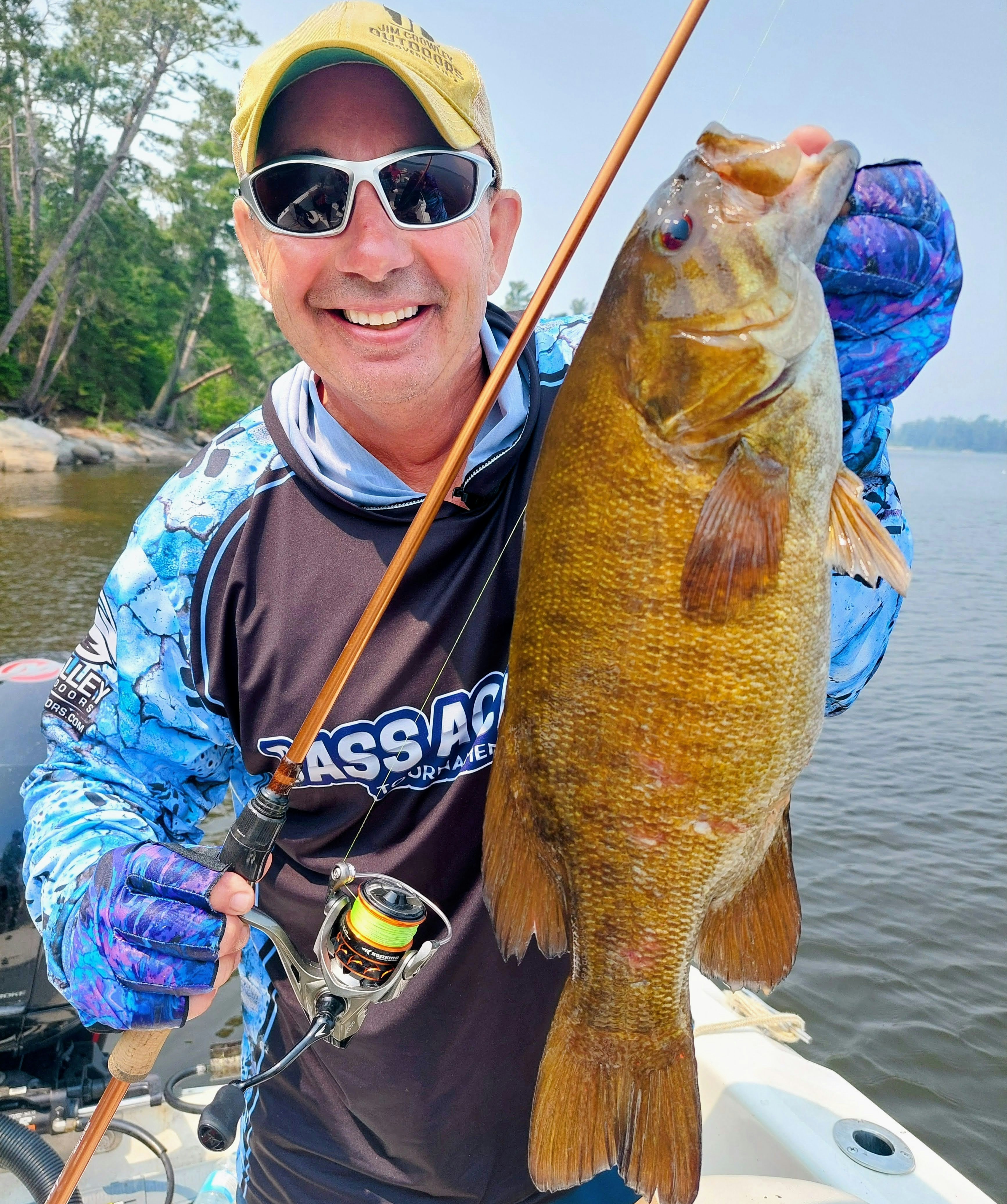
Smallmouth bass are the reason to bring a fly rod to Mammoth Cave. The Green River through the park holds an abundant, healthy, self-sustaining population of smallmouth that have been eating crawdads off the limestone bottom since long before Stephen Bishop led the first cave tours in the 1830s.
These are not giant fish by tournament standards. The average smallmouth in the park stretch runs twelve to fifteen inches, with sixteen- to eighteen-inch fish common enough in the deeper pools to keep you casting into every bluff pocket and current seam. Fish over twenty inches are caught each season — the Green River and its neighboring Barren River have documented twenty-inch-plus smallmouth bass. But size is not the point. A fourteen-inch smallmouth on a 6-weight rod in a limestone gorge, jumping twice and diving for the rocks, with a cave entrance visible in the bluff behind it — that is the point.
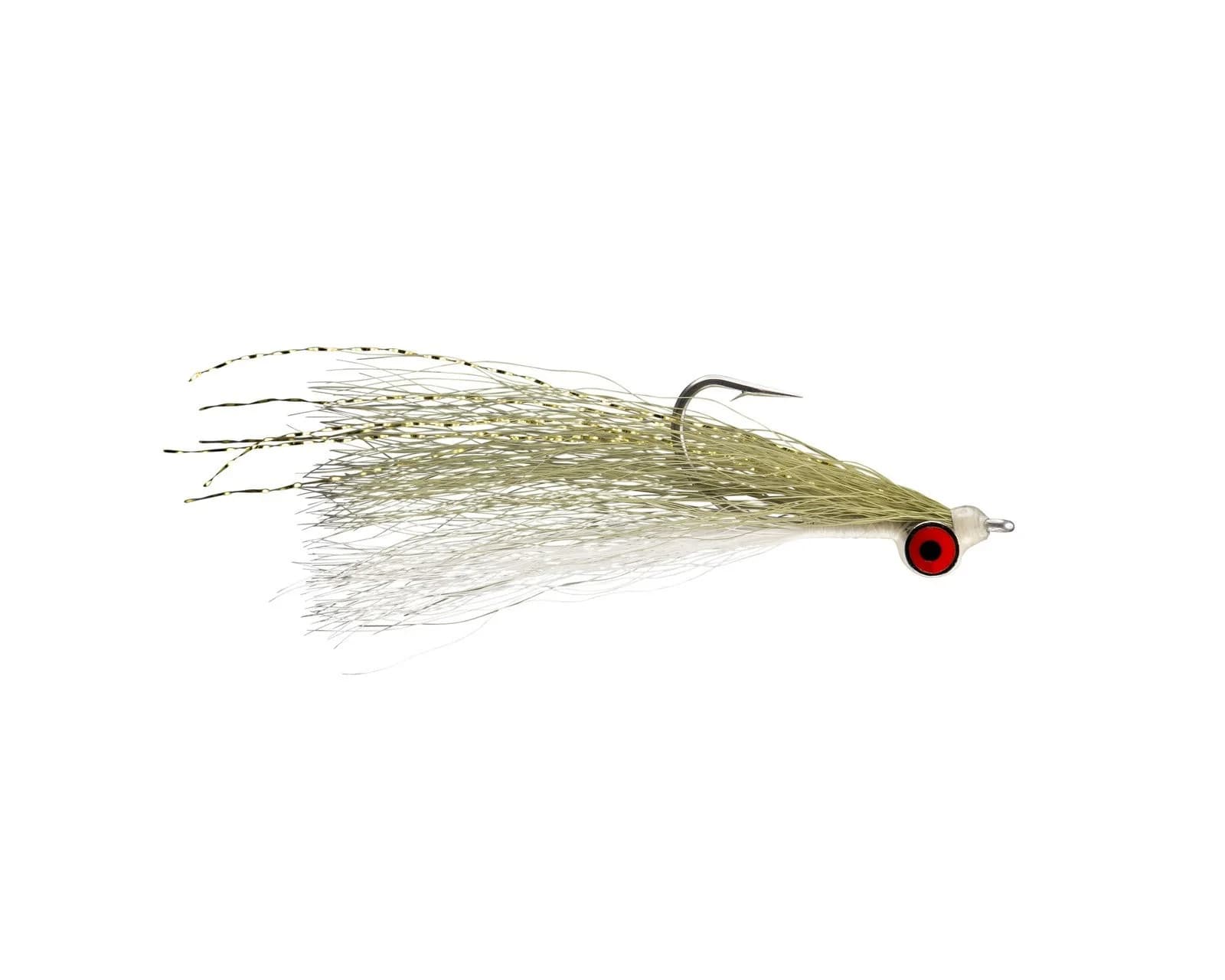
Smallmouth in the Green River eat crawdads. That is the single most important thing to know about this fishery. The limestone substrate produces enormous populations of crayfish, and the bass are keyed into them year-round. A Clouser Minnow in olive/white or brown/white, fished along the bottom with short strips and long pauses, is the most effective pattern on the river. Period. Bob Clouser designed this fly for smallmouth bass on the Susquehanna, and it works on the Green the same way — the lead eyes get it down, the bucktail breathes, and the hook-point-up design lets you bounce it through rock gardens without snagging on every cast.
Crayfish patterns are the next step. Whitlock's Near Nuff Crayfish, Clouser Crayfish, and various articulated craw patterns in brown/orange or olive/tan — sizes 2-6, fished on the bottom, stripped slowly. When a smallmouth eats a crawdad fly, the take often feels like a snag. Then the snag shakes its head.
But here is where it gets fun: topwater. Green River smallmouth eat poppers with the kind of violence that makes you flinch. A #4-6 Sneaky Pete or foam popper in chartreuse, yellow, or black, cast tight to a limestone bluff or an undercut sycamore root and given a sharp strip — the explosion is not subtle. The popper bite is best in the early morning and late afternoon from June through September, when water temperatures are in the 70s and the fish are holding in the shallows. A Dahlberg Diver — the pattern that pops on the strip and dives on the pause — is deadly against bluffs where the water drops off immediately from the bank. Deer hair bass bugs pushed into the shade under overhanging sycamores, stripped once and then left to sit, draw bass out of cover they would not leave for a subsurface fly.
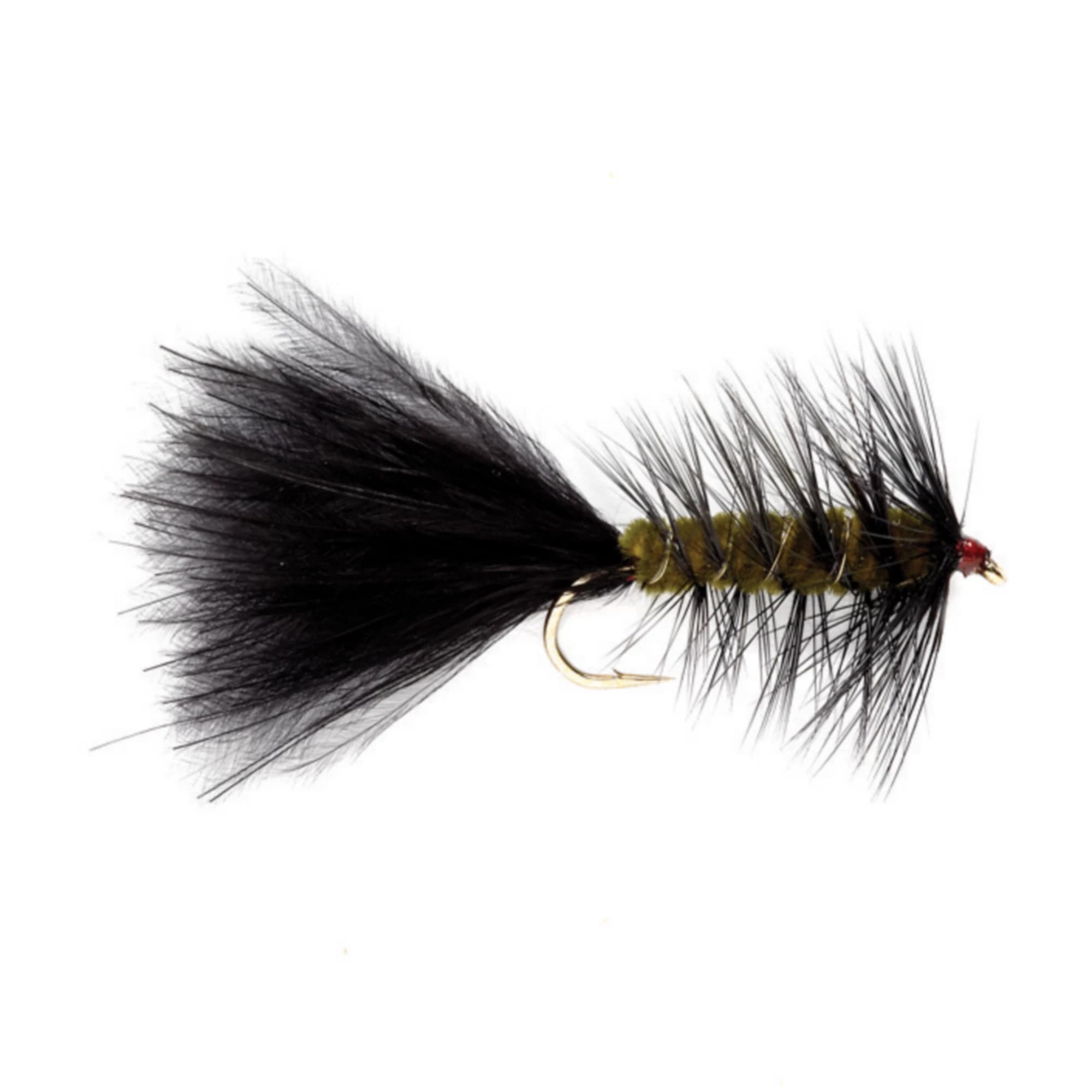
The Woolly Bugger in brown, olive, or black — sizes 4-8 — is the universal backup. It imitates crawdads, hellgrammites, leeches, and sculpins depending on how you fish it. Dead-drifted through a riffle, stripped through a pool, or swung on a tight line across a current seam, the Bugger catches smallmouth when nothing else works and when everything else works too. A Muddler Minnow fished on a floating line — stripped so it dives and pops back — imitates the sculpins that inhabit the rocky bottom of the Green.
Muskellunge — The Trophy Predator
The Green River through Mammoth Cave produced several Kentucky state record muskellunge in the 1950s and 1960s. That is not ancient history — it is evidence of a trophy musky fishery that still exists in the deep pools and slow runs of the park stretch. Muskellunge in the Green are not common, but they are present, and the fish that are here are large.
Fly fishing for musky on the Green is a niche pursuit — the kind of fishing where you cast big flies all day for one or two follows and maybe, if the river gods are in the mood, one eat. The flies are massive: ten- to fourteen-inch articulated streamers, Game Changers, Buford pushers, Double Deceivers in baitfish patterns — white, chartreuse, perch, black. You throw them on a 9- or 10-weight rod with a heavy sinking leader, strip them along the bluff walls and through the deep pools, and you wait. Musky eat when they decide to eat. Your job is to put the fly in front of them when that moment arrives.
The best musky water in the park is the deepest pools — the long, green, slow stretches between riffles where the river narrows against a bluff and the depth drops to ten, twelve, fifteen feet. Work the fly along the bluff face, tight to the rock, with long, slow strips. Musky hold near structure and ambush prey that passes within striking distance. They do not chase. They commit or they don't.
If you hook one, clear your line, get it on the reel, and hold on. A Green River musky on a fly rod is a fight that could take twenty minutes, and the fish will use every submerged log and rock ledge in the pool to try to break you off. Heavy tippet — forty to sixty pounds — is not optional. Wire or heavy fluorocarbon bite tippet prevents the teeth from cutting through.
Spotted Bass and Largemouth Bass
Spotted bass — Kentucky bass, as they are called locally — share the river with smallmouth and often occupy the slower, deeper water that smallmouth avoid. They hold in the slack water behind boulders, in the deeper pools, and along weed edges. Spotted bass eat the same flies as smallmouth but tend to hold deeper and hit subsurface patterns more readily than topwater. A Clouser Minnow in dark olive/white fished deep through the pools is the primary spotted bass fly. A four-inch black finesse-style streamer — a slim Lefty's Deceiver profile in black — stripped slowly through the deeper runs also produces.
Largemouth bass inhabit the slower backwaters, side channels, and flooded timber along the Green River's banks. They are not the primary target but they are a welcome bonus when a Woolly Bugger or popper lands in the right eddy.
The Sunfish Tribe
The Green River's sunfish population is diverse and eager. Longear sunfish — Kentucky's most common stream sunfish — are everywhere, holding in the quieter water behind rocks and along the banks, feeding on insects at the surface. They are beautiful fish, painted in orange and blue, and they eat small poppers and dry flies with abandon. A #10-12 foam popper or bream bug twitched next to a submerged rock will draw strikes all day.
Rock bass — goggle-eye, as the locals call them — hold in the rocky riffles and runs alongside smallmouth. They are scrappy, aggressive, and will eat any Woolly Bugger or small Clouser Minnow that passes their lie. A Hare's Ear Nymph in #10-12, dead-drifted through a riffle, picks up rock bass between smallmouth.
Bluegill and green sunfish round out the panfish roster. Small poppers, foam spiders, rubber-legged nymphs, ant patterns — all produce. A Griffith's Gnat in #16-18 fished in the surface film during the evening brings bluegill after bluegill to the surface in the calm backwaters. A Parachute Adams in #14 works as a general attractor dry fly across all the sunfish species. When mayflies are on the water — sporadic hatches of BWOs and sulphurs happen on the Green in spring and fall — a Comparadun in #14-16 sits flush in the surface film and draws confident takes from longear sunfish holding in the current seams.
Channel Catfish and Flathead Catfish
Both species inhabit the deeper pools and runs. Channel catfish will eat a San Juan Worm drifted along the bottom, particularly after rain. Flatheads — the Green River produces flatheads that can exceed sixty pounds — are ambush predators that occasionally eat a large streamer fished deep and slow, though targeting them on a fly rod is more accident than intention.
The Nolin River — The Tributary That Changes Everything
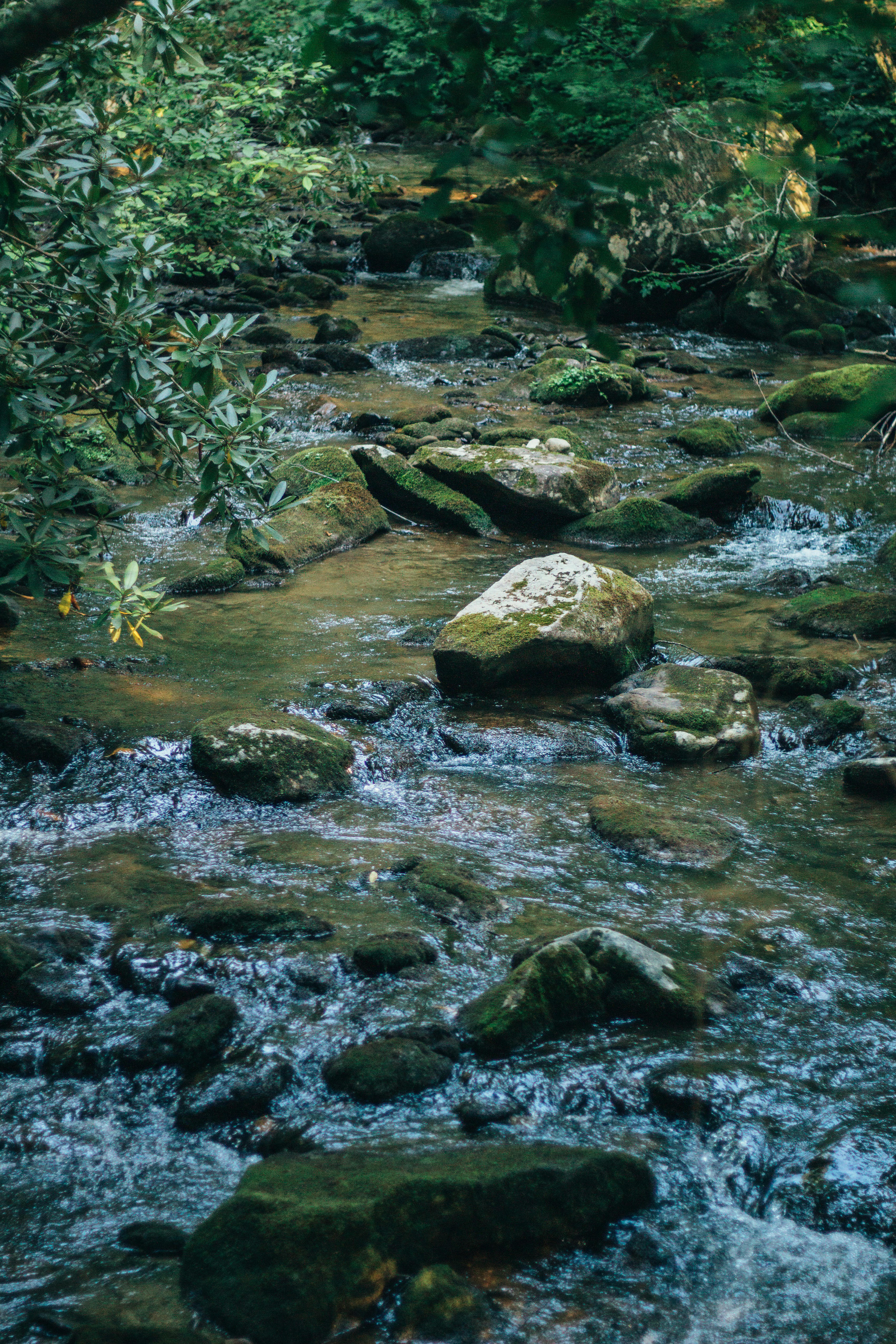
The Nolin River enters the Green River inside the park's western boundary, approximately seven miles downstream from Nolin River Dam and Nolin Lake. This confluence is significant for two reasons.
First, the Nolin River tailwater below the dam is a stocked trout fishery. Rainbow trout are stocked April through November — approximately 9,000 annually — and brown trout have been stocked since 2017, about 300 per year. Trout habitat extends for roughly three and a half miles below the dam, with the first mile and a half being the most productive water. The deep hole lined with riprap immediately below the dam is the most popular spot.
For fly anglers, the Nolin tailwater is a legitimate trout option within striking distance of the park. Pheasant Tail Nymphs in #14-18, Hare's Ear Nymphs, Elk Hair Caddis in #14-16, Zebra Midges in #18-22 for the colder water near the dam, and small Woolly Buggers in olive or black produce in the cold tailwater releases. It is not a world-class tailwater — it is a put-and-take fishery in a state not known for trout — but it adds genuine variety to a Mammoth Cave trip. You can float the Green for smallmouth in the morning and drive fifteen minutes to the Nolin tailwater for trout in the afternoon.
Second, the Nolin River itself — below the tailwater section — adds warmwater species to the lower Green River inside the park. The Nolin tailwater also holds walleye, sauger, musky, smallmouth bass, spotted bass, and freshwater drum that move through. The confluence zone where the Nolin meets the Green concentrates fish and creates a diverse structure break — cold tailwater mixing with warmer Green River flow, different bottom types, varied current — that is worth extra time on any float.
The Fly Box — Limestone River Essentials
The Green River fly box is a warmwater box. Leave the size 22 midges at home.
Topwater — The Evening Reward
Poppers (#4-8, chartreuse, yellow, black, white): Foam or cork-bodied, with rubber legs. The smallmouth popper. Cast tight to bluffs, under sycamores, against boulders. Strip sharply, pause, strip again. The pause is when they hit.
Sneaky Pete sliders (#4-6): Tapered nose, pushes water without the loud pop. For pressured fish or calm conditions. Deadly in the evening when smallmouth are cruising the shallows.
Deer hair bugs and Dahlberg Divers (#2-6): The Dahlberg pops on the strip and dives on the pause — covering surface and subsurface in one fly. Deer hair bugs are the classic warm-evening choice, fished slow under the sycamores.
Chubby Chernobyls and Stimulators (#6-10): Big attractor dries that double as hopper imitations in late summer. Dead-drift them through tailouts or twitch them in the film.
Subsurface — The All-Day Producers
Clouser Minnow (#2-6, olive/white, brown/white, chartreuse/white): THE smallmouth fly. Fish it everywhere — bounced through riffles, stripped through pools, drifted along bluffs. The crayfish imitation that started a revolution.
Crayfish patterns (#2-6, brown/orange, olive/tan): Articulated or standard. The Green River runs on crawdads. Fish them slow on the bottom.
Hellgrammite patterns (#2-6, black, dark brown): The Green River has healthy populations of dobsonfly larvae. Big, ugly nymphs fished along the bottom in the rocky runs.
Woolly Bugger (#4-8, brown, olive, black): The universal subsurface fly. Imitates crawdads, hellgrammites, leeches, and sculpins. Weight with bead heads for the deeper pools.
Muddler Minnow (#4-8): Sculpin imitation. Fish it on a floating line — strip so it dives and pops back to the surface along the rocky banks.
Lefty's Deceiver (#2-4, white, chartreuse/white, black): Baitfish profile for the deeper pools. Effective for spotted bass and musky follows.
Nymphs — When the Bass Are Subtle
Pheasant Tail Nymph (#10-14): Dead-drifted through riffles for rock bass and smallmouth. Also the go-to on the Nolin tailwater for trout.
Copper John (#10-14): Gets down fast in the riffles. Copper or red with rubber legs added for extra movement.
Prince Nymph (#10-14): The attractor nymph that catches everything. White wings flash in the green water.
San Juan Worm (#10-12, red, brown): After rain, worms wash into the river. Catches everything from sunfish to catfish.
Panfish Patterns
Small poppers and bream bugs (#10-12): Foam or cork with rubber legs. The longear sunfish fly. Twitch next to rocks and logs. The eats are sharp.
Foam spiders and beetles (#10-14): Low-riding terrestrials for bluegill and green sunfish. Let them sit, twitch, sit.
Ant patterns (#12-14): Black foam ants dropped against overhanging branches. Natural presentation.
Elk Hair Caddis (#12-16): Works as a general terrestrial/attractor on the Green. Floats high on the limestone water.
The Gear
Rods
Primary: 9-foot 6-weight. This rod does everything on the Green River — casts poppers to smallmouth, throws Clousers through pools, fights bass in current, and handles the wind that funnels through the gorge. A 6-weight is the sweet spot between popper-casting power and smallmouth-fighting fun.
Panfish option: 7.5-foot 3 or 4-weight. If the sunfish are your interest — and they should be, at least for part of the day — a light rod maximizes the fight and improves accuracy when casting bream bugs into tight pockets along the bank.
Musky rod: 9-foot 9 or 10-weight. If you are specifically chasing muskellunge, step up. The flies are massive, the fish are powerful, and a 6-weight will not turn a musky away from a submerged log.
Trout rod: 9-foot 5-weight. For the Nolin tailwater. Standard trout gear.
Lines and Leaders
Line: Weight-forward floating for most fishing. A bass-taper line with a short, heavy front taper turns over poppers and wind-resistant bugs more easily. Add a sinking leader or sink-tip for getting Clousers deep in the pools during high summer.
Leader: Seven to nine feet tapered to 8-12 pound fluorocarbon. The fish are not leader-shy — this is green limestone water, not a spring creek — and you need the strength to pull flies out of rocks and turn bass away from structure. For musky, step up to a forty-pound fluorocarbon or wire bite tippet.
Tippet: Fluorocarbon in 2X-3X for bass. The abrasion resistance matters when your leader rubs limestone all day.
The Cave Connection — What Makes This Place Different
Every national park on this list has a signature feature — Yellowstone has its geothermal drama, Glacier has its mountain grandeur, the Everglades has its saltwater backcountry. Mammoth Cave's signature is the one you cannot see. The world's longest cave system runs directly beneath the river you are fishing, and the connection between the two is not metaphorical — it is hydrological.
The Green River carved the cave. Over millions of years, slightly acidic water dissolved the limestone bedrock, creating the passages that explorers have mapped to over 426 miles (and counting — new passages are discovered regularly). The underground rivers — the River Styx, Echo River, and others — are part of the same watershed as the Green River on the surface. Springs along the river inside the park mark the points where underground water rejoins the surface flow. Turnhole Spring, Echo River Spring, and River Styx Spring all discharge cave water into the Green River. The cave shrimp and eyeless cavefish that inhabit those underground streams are living in the same hydrological system as the smallmouth bass holding in the riffle above.
You cannot fish the underground rivers. The cave's aquatic ecosystem is protected, and human access to the underground waterways was restricted in the early 1990s because boat tours were harming the cave shrimp (a federally endangered species) and cavefish populations. But knowing the cave is there — feeling the cool air breathing out of streamside cave openings as you paddle past, seeing the springs seeping from the bluff faces, understanding that the green water you are casting into is the same water that flows through absolute darkness a hundred feet below — gives the fishing at Mammoth Cave a dimension that no other park can match.
Floating past the Historic Entrance to Mammoth Cave itself — visible from the river — while a smallmouth shakes your popper loose and the limestone bluffs echo the splash, is a moment that belongs only to this place.
The Seasonal Calendar
Spring (March-May) — The Pre-Spawn and Spawn
Water temperatures climb through the 50s and 60s, and smallmouth move from deep winter pools to shallower spawning areas. Pre-spawn bass are aggressive — Clouser Minnows and crayfish patterns fished slow and deep produce the best fish of the year. By late April, bass are on beds in the gravel shallows, and while sight-fishing to bedding bass is possible, catch-and-release is essential — let them spawn. The dogwoods bloom on the gorge walls, the sycamores leaf out, and the river runs green and clean after winter.
Spring is also the best window for musky. The big fish move and feed aggressively in the warming water.
Summer (June-August) — Topwater Season
This is prime time on the Green River. Water temperatures in the 70s and low 80s put smallmouth in peak feeding mode. The topwater bite opens wide — poppers, deer hair bugs, Chubby Chernobyls. Early morning and late afternoon are the surface windows, but Green River smallmouth will hit topwater at midday if you put the fly in the shade. Cicadas drop from the sycamores in late May and June, triggering explosive surface feeding.
The sunfish fishing is excellent all summer. Longear sunfish and bluegill feed actively on surface flies from dawn until dark. Evening float sessions — launching at Green River Ferry and paddling downstream as the shadows lengthen — produce some of the best panfish action in any national park.
Water levels typically drop through summer, exposing more gravel bars and concentrating fish in the pools. Check levels before floating — the river is ideal at moderate flows, and fishing quality drops when the water gets very low and warm in August.
Fall (September-November) — The Second Peak
Fall is the underrated season. Temperatures drop into the 60s, smallmouth feed aggressively to fatten for winter, and the hardwood canopy along the gorge turns. Sycamores go gold, maples go red, the oaks go bronze, and the reflected color on the green water is something a photograph cannot fully capture. October is the single best month for combining comfortable weather, aggressive fish, and beautiful scenery.
The musky bite improves in fall as the big predators feed ahead of winter. Water levels are often ideal after summer's low flows — enough water to float comfortably, low enough to see structure and read the river.
Winter (December-February) — The Quiet Season
Winter fishing on the Green River is possible but limited. Smallmouth slow down in water temperatures below 50 degrees, holding in the deepest pools and feeding in brief windows during warm afternoon sun. A slowly fished Clouser Minnow or Woolly Bugger drifted through the deep pools can produce, but the catch rate drops significantly.
The compensation is solitude. The park is quiet in winter. The bare canopy reveals the architecture of the gorge — the layered limestone, the cave entrances, the scale of the bluffs. A winter paddle through the gorge has a stark beauty that the leafy seasons obscure.
Brownsville, Cave City, and the Gateway Towns
Brownsville, Kentucky sits at the western edge of the park along the Green River. It is small — population under a thousand — but it is the functional staging point for river access. Houchin Ferry Campground and the western float sections are closest to Brownsville.
Cave City and Park City, on the park's eastern side along Interstate 65, are where the motels, restaurants, and canoe liveries cluster. Cave City has the tourist infrastructure — it is the town that has served Mammoth Cave visitors for over a century. The Mammoth Cave Hotel inside the park itself provides on-site lodging, though it fills quickly in summer and fall.
Bowling Green, thirty miles south on I-65, is the nearest city with full amenities — airport, fly shops, hotels, restaurants. If you are driving from Nashville (90 miles south) or Louisville (90 miles north), the park is almost exactly halfway between them on I-65.
How Mammoth Cave Fits
This is not Shenandoah's mountain brook trout water. It is not New River Gorge's whitewater-and-smallmouth adrenaline ride, though the species overlap — both parks hold smallmouth bass as the primary fly-rod target, both are Appalachian warmwater fisheries, and both reward the angler who brings a Clouser Minnow and a topwater box. The Green River is slower, calmer, and more intimate than the New River. You are not running Class III rapids between pools. You are paddling through a quiet limestone gorge, casting under sycamores, watching herons lift from the shallows ahead of your canoe.
It shares the canoe-as-fishing-platform approach with Voyageurs and Congaree — all three parks require a boat to reach the best water. But the ecosystems diverge completely: boreal lakes, bottomland swamp, and karst river gorge. The warmwater DNA connects Mammoth Cave to Big Bend as well — both are parks where the geology steals the show and the fishing is the quiet reward for the angler who looks past the headline attraction.
What makes Mammoth Cave unique in this series is the vertical dimension. You are fishing on top of the cave. The same water that feeds the underground rivers feeds the surface river. The same limestone that created 426 miles of cave passage created the bluffs you are casting against. Every spring that seeps from the rock is a reminder that the world below your canoe is not solid ground — it is hollow, dark, and vast, and the river you are fishing is both the architect of that hidden world and its surface expression.
Bring a canoe. Bring a 6-weight. Bring a box of Clousers and poppers. Float the Green River through the gorge, cast against the bluffs, and catch smallmouth bass on top of the longest cave on earth. Then, if you want, go underground and see what the water built.
Top Fishing Guides Nearby
The Green River through Mammoth Cave holds smallmouth bass that eat Clousers and poppers stripped along limestone bluffs, plus muskellunge that once produced state records. Float by canoe through the gorge and cast against the rock — you are fishing on top of 426 miles of cave passage.
Barren And Beyond Guide Service
Barren River, KY, US
5.0 (15 reviews)
Barren And Beyond Guide Service Led by Jared Sullivan, Barren And Beyond Guide Service brings over 30 years of fishing expertise to Barren River and Barren River Lake in Kentucky. Specializing in white bass, hybrid, and crappie, Jared crafts productive outings tailored to anglers of all skill levels, from newcomers to seasoned fishermen. The service operates a 20-foot bay boat and jet boat, both equipped with modern technology, allowing access to prime fishing grounds and remote spots that other anglers may miss. Beyond the catch, Jared is deeply committed to conservation and fostering a genuine connection between clients and the natural waters they explore—ensuring each trip becomes a lasting memory rather than simply a day on the water.
Tightlines Tennessee
Hendersonville, TN, US
5.0 (4 reviews)
Tightlines Tennessee Tightlines Tennessee brings outdoor education to life through guided fishing and fly fishing experiences for young anglers across Middle Tennessee. Specializing in small-group instruction for upper elementary through high school students, the guide combines practical angling skills with hands-on aquatic science and environmental literacy. Each session emphasizes ethical outdoor practices while building genuine confidence and competency on the water. The program is thoughtfully designed around real-world learning, allowing students to explore local aquatic ecosystems in a safe, supportive setting. Sessions can be documented for homeschool portfolios, making Tightlines Tennessee an ideal educational partner for families seeking meaningful outdoor experiences that extend learning beyond the classroom.

Reel Vibes Charters
Grand Cayman, Cayman Islands, KY
5.0 (226 reviews)
Reel Vibes Charters delivers an exhilarating deep sea fishing experience in the pristine waters surrounding Grand Cayman. Under the leadership of Captain Stephen Ebanks, this charter service welcomes anglers of all skill levels, from curious first-timers to seasoned fishermen. The operation is built on professional guidance, attentive service, and a genuine commitment to creating memorable adventures on the water. Guests pursue premium offshore species including wahoo and yellowfin tuna, with trip planning designed to maximize encounters with these powerful game fish. Reel Vibes Charters has earned recognition as a top-rated choice among fishing enthusiasts, reflecting a track record of customer satisfaction and fishing excellence in one of the Caribbean's most rewarding destinations.
Chill Nashville Fishing Guide
Goodlettsville, TN, US
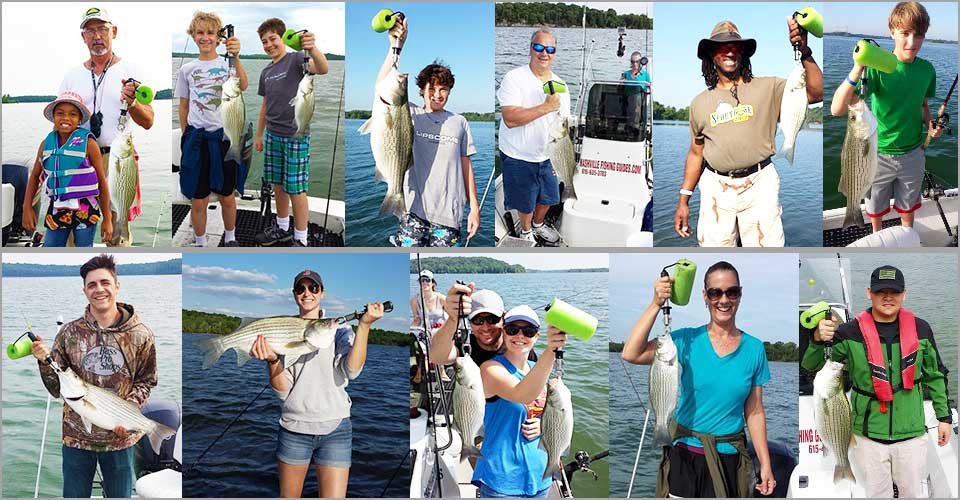
Chill Nashville brings expert fishing guidance to Percy Priest Lake under the leadership of veteran guide Mervin Johnson. Operating from the scenic Fate Sanders Marina, the service specializes in targeting Crappie, Bass, and Stripers—the region's most prized species. With deep knowledge of the lake's prime fishing grounds and well-maintained boats equipped for serious angling, Chill Nashville delivers productive outings that keep clients coming back. Whether you're an experienced angler or casting a line for the first time, Chill Nashville tailors each trip to match your skill level and goals. The guide's commitment to client satisfaction means every outing balances technique and enjoyment, making for memorable days on the water around Nashville.

Y-Knot Charters
Grand Cayman, Cayman Islands, KY
Y-Knot Charters Y-Knot Charters brings three decades of expertise to Grand Cayman's premier fishing and adventure experiences. Their certified local captain crafts customizable trips that blend world-class angling with unforgettable exploration, whether guests pursue deep-sea trophy fish, peaceful reef fishing, or the crystalline waters surrounding iconic destinations like Stingray City and Starfish Point. From seasoned anglers seeking their next challenge to families craving quality time on the water, Y-Knot Charters welcomes all skill levels. Each privately chartered adventure combines luxury accommodations with personalized attention, ensuring every guest discovers exactly what they came for—whether that's the thrill of the catch, vibrant marine life, or simply a perfect day in Caribbean paradise.

Yachts Caymans
Grand Cayman, Cayman Islands, KY
Yachts Caymans delivers luxury fishing experiences across the pristine waters of Grand Cayman and Little Cayman. The operation specializes in targeting yellowtail, snapper, barracuda, and tarpon, welcoming both novice and experienced anglers alike. Each charter combines premium fishing equipment with thoughtful onboard amenities, creating a comfortable and productive day on the water. Whether pursuing reef fishing, venturing into deep sea waters, or competing in local tournaments, guests benefit from customized itineraries tailored to their skill level and objectives. Yachts Caymans brings together professional expertise and island hospitality to ensure memorable fishing adventures in one of the Caribbean's most rewarding destinations.
Frequently Asked Questions
Do you need a fishing license to fish in Mammoth Cave National Park?
No. No fishing license or permit is required to fish within the boundary of Mammoth Cave National Park. However, all Kentucky Department of Fish & Wildlife regulations regarding fish size and possession limits still apply to fish caught inside the park.
What fish species can you catch in Mammoth Cave National Park?
The Green River through the park supports over 80 fish species. Primary fly-rod targets include smallmouth bass (the main attraction, averaging 12-15 inches), muskellunge (trophy fish — the park produced state records in the 1950s-60s), spotted bass, largemouth bass, rock bass, longear sunfish, bluegill, green sunfish, channel catfish, and flathead catfish. The Nolin River tailwater nearby adds stocked rainbow and brown trout.
When is the best time to fly fish at Mammoth Cave National Park?
June through October is prime season. Summer (June-August) offers the best topwater fishing with poppers and deer hair bugs when water temperatures are in the 70s. Fall (September-October) brings aggressive pre-winter feeding and spectacular foliage in the gorge. Spring (March-May) produces the biggest fish on Clousers and crayfish patterns. The topwater bite peaks early morning and late afternoon, but shaded water produces midday strikes.
What flies work best for smallmouth bass in the Green River at Mammoth Cave?
The Clouser Minnow in olive/white or brown/white is the single most effective pattern — the Green River bottom is loaded with crayfish. Topwater poppers (sizes 4-6) in chartreuse or black produce explosive strikes against bluffs and under sycamores. Woolly Buggers in brown or olive, Muddler Minnows, crayfish patterns, and hellgrammite imitations cover the subsurface game. A 6-weight rod with floating line handles most situations.
How do you access the Green River for fishing in Mammoth Cave National Park?
The park has three river access points: Dennison Ferry (upstream put-in), Green River Ferry (mid-park, near park headquarters), and Houchin Ferry (downstream). Most fishing floats go Dennison Ferry to Green River Ferry (8 miles, half-day). Canoe and kayak liveries near the park provide rentals and shuttle service. No motorized boats on the river through the park. Call (270) 758-2166 for current river levels.
Related Articles
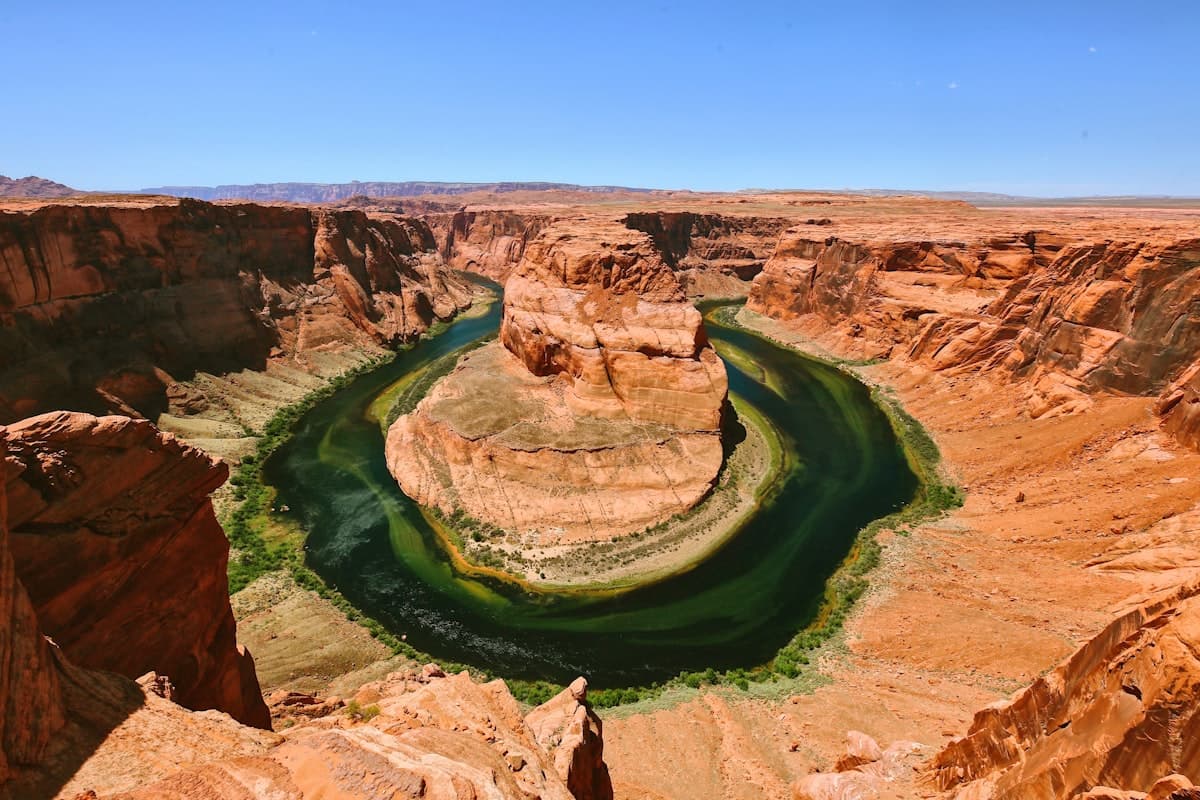
Fly Fishing the Green River: 14,000 Trout Per Mile in a Red-Rock Desert Canyon
Saturday, April 25, 2026
The Clouser Minnow: How to Tie the Fly That Catches Everything With Fins, From Bonefish to Bass to Stripers
Friday, November 28, 2025
The Woolly Bugger: How to Tie the Fly That Catches Everything That Swims
Friday, April 17, 2026
 ™
™