
Fly Fishing Acadia National Park: Brook Trout Ponds, Saltwater Stripers, and the Maine Tradition
Acadia is the only national park on the North Atlantic coast — granite cliffs, crashing surf, and quiet interior ponds full of native brook trout. Cast dry flies for brookies at dawn, then strip Clousers for striped bass off the rocky shore at dusk. Two fisheries, one extraordinary setting.

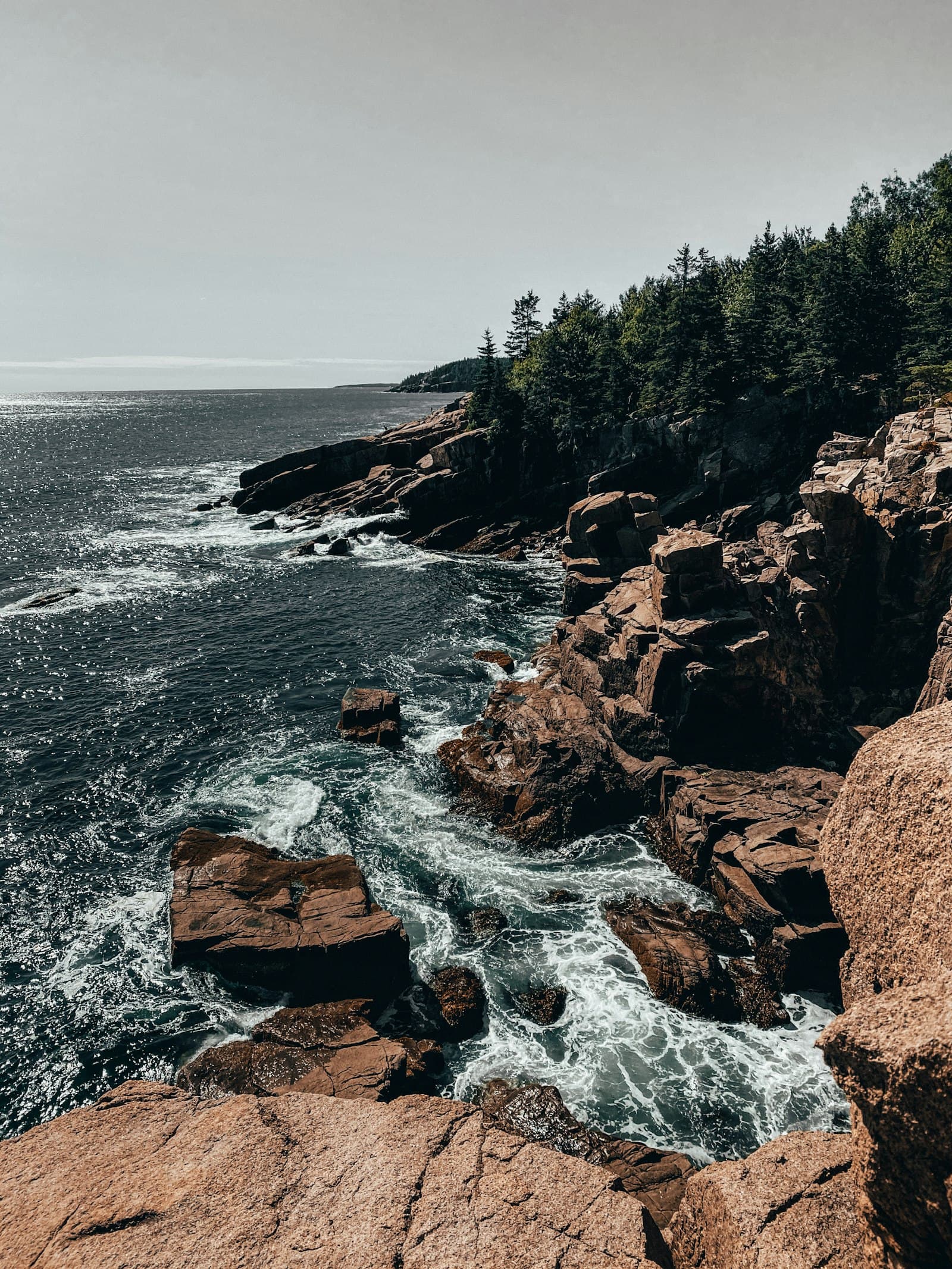
Acadia National Park sits on Mount Desert Island off the coast of Maine, and it is unlike any other national park in the system. This is the only national park on the North Atlantic coast — granite headlands dropping into cold ocean surf, spruce-fir forest growing to the edge of the rock, fog rolling in from the Gulf of Maine on summer mornings, and lobster boats working the waters just offshore. The park covers roughly 49,000 acres of Mount Desert Island plus the Schoodic Peninsula across Frenchman Bay, and within that footprint are two completely different fly-fishing worlds.
The first is freshwater. Acadia's interior holds more than twenty lakes and ponds carved by glaciers into the island's granite bedrock — Eagle Lake, Jordan Pond, Echo Lake, Long Pond, Bubble Pond, the Hadlock Ponds, and a handful of smaller waters connected by short streams and fed by mountain runoff. These ponds hold native brook trout, landlocked salmon, lake trout, and in some of the warmer waters, smallmouth bass. The fishing is quiet. You paddle a canoe across still water at first light, cast a dry fly against a boulder shoreline, and watch a brightly colored brookie rise through dark water to take it. There are no motorboats on most of these ponds, no crowds, and no sound except loons calling from the far shore.
The second is saltwater. Acadia's coastline — miles of pink granite ledge, cobblestone beaches, and rocky points — faces the open Atlantic. Striped bass push north along the Maine coast each summer, arriving in the waters around Mount Desert Island by mid-July and staying through September. You can stand on Acadia's granite ledges with an 8-weight rod, casting Clouser Minnows and Lefty's Deceivers into the surf, stripping line while waves break around your boots. Mackerel, bluefish, and pollock round out the saltwater menu. It is not the tropics — it is better, in its own raw, North Atlantic way.
No other national park in America offers this combination. Biscayne has saltwater but no trout ponds. Shenandoah has Appalachian brook trout but no ocean. Acadia gives you both, separated by a twenty-minute drive on the Park Loop Road, framed by one of the most dramatic landscapes on the eastern seaboard.
The Ponds — Brook Trout, Landlocked Salmon, and Glacial Water
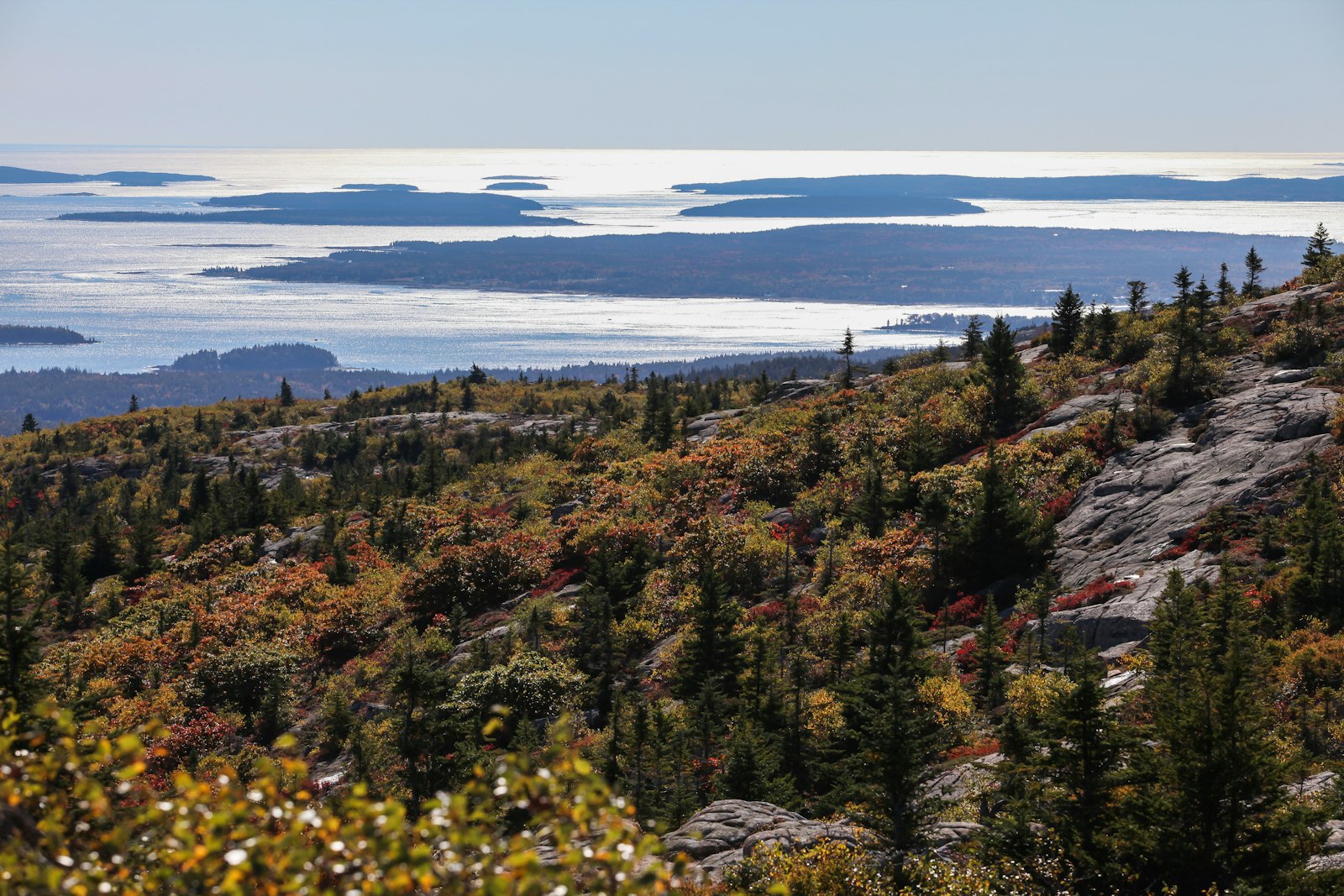
Acadia's ponds are the heart of the freshwater fishing. Carved by the Laurentide Ice Sheet and filled with clear, cold water, these glacial ponds sit in granite basins surrounded by spruce and birch forest. The water is clean enough to drink in most of them — Jordan Pond is one of the clearest lakes in the northeastern United States. The fishing here connects to a tradition that runs deep in Maine, back through generations of guides and camp owners and fly tiers who built something distinctive in these northern woods.
Eagle Lake
At 436 acres, Eagle Lake is Acadia's largest body of water and its most versatile fishery. The lake holds landlocked salmon, brook trout, and lake trout — three species in one pond, each requiring a slightly different approach. Landlocked salmon cruise the upper water column, feeding on smelt and emerging insects, and can be taken on streamers or dry flies depending on the season. Brook trout hold near the shoreline structure and feeder streams. Lake trout inhabit the deeper water, reachable with sinking lines and patience.
Eagle Lake is restricted to motors of 10 horsepower or less, which keeps the water quiet and the fishing pleasant. A canoe or kayak is the ideal craft — you can paddle the three-and-a-half-mile shoreline, working the coves and points where salmon stage in the early morning. The views from the water are pure Acadia: forested ridges rising on all sides, granite showing through the trees, and on clear days, the summit of Cadillac Mountain visible above the treeline.
For the landlocked salmon, the Gray Ghost is the fly to start with. Invented by Carrie Stevens on the Rangeley Lakes in 1924, the Gray Ghost is THE Maine streamer — an elegant smelt imitation with gray feathers that catches light as it swings through the water. Stevens tied the pattern at her home in Upper Dam, Maine, tested it in the Upper Dam pool, and caught a 6-pound, 13-ounce brook trout on the first cast. Maine's Governor later declared a day in her honor — the only fly tier so recognized by the state. To fish Maine's landlocked salmon water without a Gray Ghost in your box is to miss the point of being here.
The Black Ghost, Supervisor, and Nine-Three round out the classic Maine streamer box for salmon. Modern anglers add Woolly Buggers in olive and black, Muddler Minnows, and small Clouser Minnows in white or silver. But the heritage patterns work as well today as they did in Stevens' era — the salmon have not changed, and neither has the water.
Jordan Pond
Jordan Pond is postcard-famous — the Bubbles, two rounded granite domes, rise from its northern shore, and the water is so clear you can see the bottom at twenty feet. The pond holds landlocked salmon and lake trout. Fly fishing here is best from a canoe, working the deeper water with streamers and sinking lines for lake trout, or casting to salmon that rise along the shoreline in the early season. The feeder stream, Jordan Stream, holds small brook trout in its pools and runs — a nice diversion with a light rod.
Motors are limited to 10 horsepower, and the pond maintains a serenity that matches its visual beauty. The Jordan Pond House, just off the shore, has served popovers and tea since the 1890s — a tradition that pairs well with a morning on the water.
Echo Lake
Echo Lake covers 237 acres on the western side of Mount Desert Island and holds brook trout and landlocked salmon. The lake is partially within the park and offers a public beach on its eastern shore (closed to fishing within 200 feet of swim areas during summer months). The western shoreline, accessed by canoe, provides the best fly-fishing water — rocky points, submerged boulders, and shaded coves where brook trout hold in the cooler water near feeder streams.
Long Pond, Bubble Pond, and the Smaller Waters
Long Pond, the largest lake on Mount Desert Island (though only partially within the park), offers brook trout, landlocked salmon, smallmouth bass, and chain pickerel. It is the one Acadia water with no horsepower restriction, so timing matters — fish early before recreational boat traffic picks up.
Bubble Pond is a gem. No internal combustion engines are permitted, and the pond sits in a deep glacial cirque with granite walls and dense spruce forest pressing close. Brook trout and lake trout inhabit its cold, dark water. The feeder streams — Richardson Brook and Hunters Brook — hold wild brook trout in small pools and pocket water, fishable with a short rod and careful wading.
Upper Hadlock Pond is closed year-round to protect native fish spawning habitat. Lower Hadlock Pond holds brook trout, brown trout, sunfish, and white perch. Witch Hole Pond, near the park's main entrance, contains brook trout and landlocked salmon with stocking to supplement the wild population. Half Moon Pond, Upper and Lower Breakneck Ponds — all hold brook trout in quiet, underfished water.
The Freshwater Fly Box
The brook trout in Acadia's ponds are not the hyper-educated spring creek fish of Pennsylvania or the Battenkill. They are willing fish in clean water, and they respond to well-presented classic patterns.
Dry flies: A Parachute Adams in #12-16 is the universal choice. The Royal Wulff in #10-14 — the classic brook trout attractor — is visible, buoyant, and effective on every pond in the park. Elk Hair Caddis in #14-16 (tan and olive) cover the caddis hatches that start in late May and run through summer. Hendricksons (#12-14) bring the first real mayfly activity in May. Blue-Winged Olives (#16-20) hatch on overcast days from spring through fall. March Browns appear in June on the streams. A Griffith's Gnat in #18-22 handles the midge clusters that cover the pond surfaces on calm summer evenings — essential for the flat-water fishing on Bubble Pond and Jordan Pond.
Nymphs: Pheasant Tail in #14-18 and Hare's Ear in #12-16 cover most subsurface feeding. Prince Nymphs in #12-14 and Copper Johns in #14-16 add weight and flash for the deeper pond fishing. A San Juan Worm in #10-12 (red or pink) is reliable in the feeder streams after rain, when real worms wash into the pools and brook trout feed opportunistically near the bottom.
Streamers (the Maine tradition): The Gray Ghost — carry at least three. The Black Ghost, Mickey Finn (red and yellow bucktail, a brook trout magnet), Hornberg, and Muddler Minnow. These are not antique patterns fished for nostalgia. They are effective flies that match the forage base — smelt, minnows, and sculpin — in these ponds. Add Woolly Buggers in #8-10 (olive and black) for the angler who wants one subsurface fly that works everywhere.
The Shore — Striped Bass on the Fly from Granite Ledges
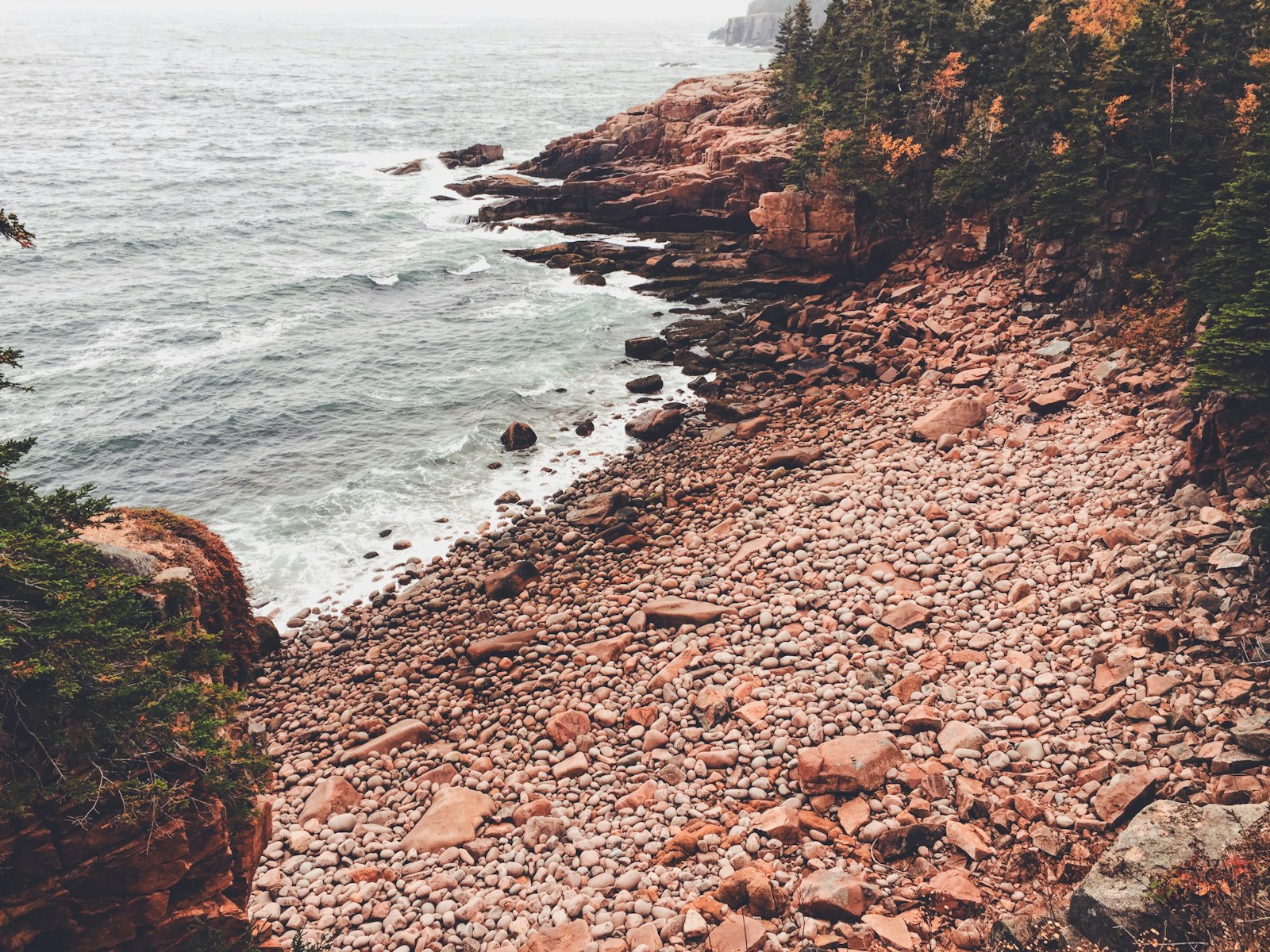
The saltwater side of Acadia is where the fishing becomes something unexpected. Most anglers associate national park fly fishing with mountain streams and trout. Acadia puts you on pink granite ledges with the Atlantic Ocean at your feet, casting for striped bass that have migrated north from the Chesapeake Bay and the Hudson River, following schools of baitfish along the New England coast.
Striped bass arrive in Acadia's waters in mid-July and remain through September, sometimes into early October if water temperatures hold. The fish range from schoolies (18 to 24 inches) to occasional fish over 30 inches, and they feed along the rocky structure that defines Acadia's coastline — points of granite jutting into the current, boulder fields where baitfish get pinned, and the edges of Somes Sound, the only fjord-like inlet on the Atlantic coast of the United States.
Where to Fish
Somes Sound off Sargent Drive is the park's premier saltwater fly-fishing spot. Sargent Drive runs along the eastern shore of Somes Sound, and rocky points along the road provide casting access to water where striped bass, mackerel, and bluefish feed. The sound's narrow geometry concentrates baitfish and creates current seams that stripers use as ambush lanes. Fish the points and headlands where the water is deepest, not the shallow coves. Tidal movement drives the bite — the two hours before and after a tide change produce the most consistent action.
Frazer Point on the Schoodic Peninsula is the other recommended saltwater spot within the park. The Schoodic Peninsula sits across Frenchman Bay from Mount Desert Island, reached by a drive around the bay via Route 186. Frazer Point offers rocky shoreline access to open Atlantic water where mackerel schools move through from mid-July through September, and striped bass follow them. The Schoodic coastline gets less pressure than the Mount Desert Island shore — fewer visitors make the drive — and the fishing can be excellent when conditions align.
The Park Loop Road coastline between Thunder Hole and Otter Cliffs offers dramatic scenery and occasional fishing access, though the exposed granite here faces open ocean swells and demands extreme caution. Fishing from the lower ledges is possible on calm days, but the rock is slippery and rogue waves are a real hazard. Never turn your back on the ocean here.
The Saltwater Fly Box
Saltwater fly fishing at Acadia demands a different box from the pond fishing — different species, different forage, different scale.
Striped bass patterns: Clouser Minnow in #2-6 (olive over white, chartreuse over white) is the starting point for every saltwater outing. The Clouser sinks quickly, rides hook-point up over the rocky bottom, and imitates the sand eels, silversides, and juvenile herring that stripers eat along the Maine coast. Lefty's Deceiver in #1/0-4 (white, olive over white) covers the larger baitfish profile. The Half and Half — a Clouser/Deceiver hybrid — combines the sink rate of the Clouser with the profile of the Deceiver and is a striper favorite. Sand eel patterns in olive or tan, tied sparse on #2-4 hooks, match one of the primary forage species.
For topwater action — and this is the electric moment in Acadia saltwater fishing — a Gurgler or foam popper in white or chartreuse will bring stripers to the surface in the low-light hours of dawn and dusk. A striper eating a surface fly against the backdrop of Acadia's granite coastline, with the sound of surf mixing with the splash of the take, is one of the most memorable experiences in national park fishing anywhere.
Crab patterns in #4-6 (tan, olive) work for stripers feeding tight to structure, particularly around the boulder fields where green crabs and rock crabs are abundant.
Mackerel and pollock: Small Clouser Minnows in #4-8 (white, chartreuse, red) handle both species. Mackerel are aggressive and not selective — they'll eat almost anything that moves and flashes. Pollock hold around the rocky structure and hit Clousers and small Deceivers stripped fast through the wash zone.
Saltwater Gear
Rod: A 9-foot 8-weight is the standard striper rod. It handles the wind (and there is always wind on the Acadia coast), throws weighted Clousers, and has the backbone to fight a strong fish in current and surf. Bring a 6-weight if you want to target mackerel and pollock specifically — they're a blast on lighter tackle.
Line: An intermediate sinking line is the most versatile choice for the rocky shore — it gets the fly down below the surface chop without snagging the bottom as quickly as a full-sink line. A floating line with a fast-sinking leader works for topwater fishing with Gurglers and poppers.
Leader: 9-foot tapered leaders with a 16- to 20-pound fluorocarbon tippet. Stripers are not leader-shy, and the abrasive granite will cut through anything lighter. If bluefish are in the mix, add a short wire bite tippet — bluefish teeth make quick work of fluorocarbon.
Footwear: This is critical. Acadia's granite is treacherous when wet — smooth, algae-covered, and angled toward the ocean. Felt-soled wading boots or studded boots with aggressive grip are essential. Rubber-soled shoes will put you in the water. Korkers or similar interchangeable-sole boots with studded soles are the best option for this kind of shore fishing.
The Seasonal Calendar
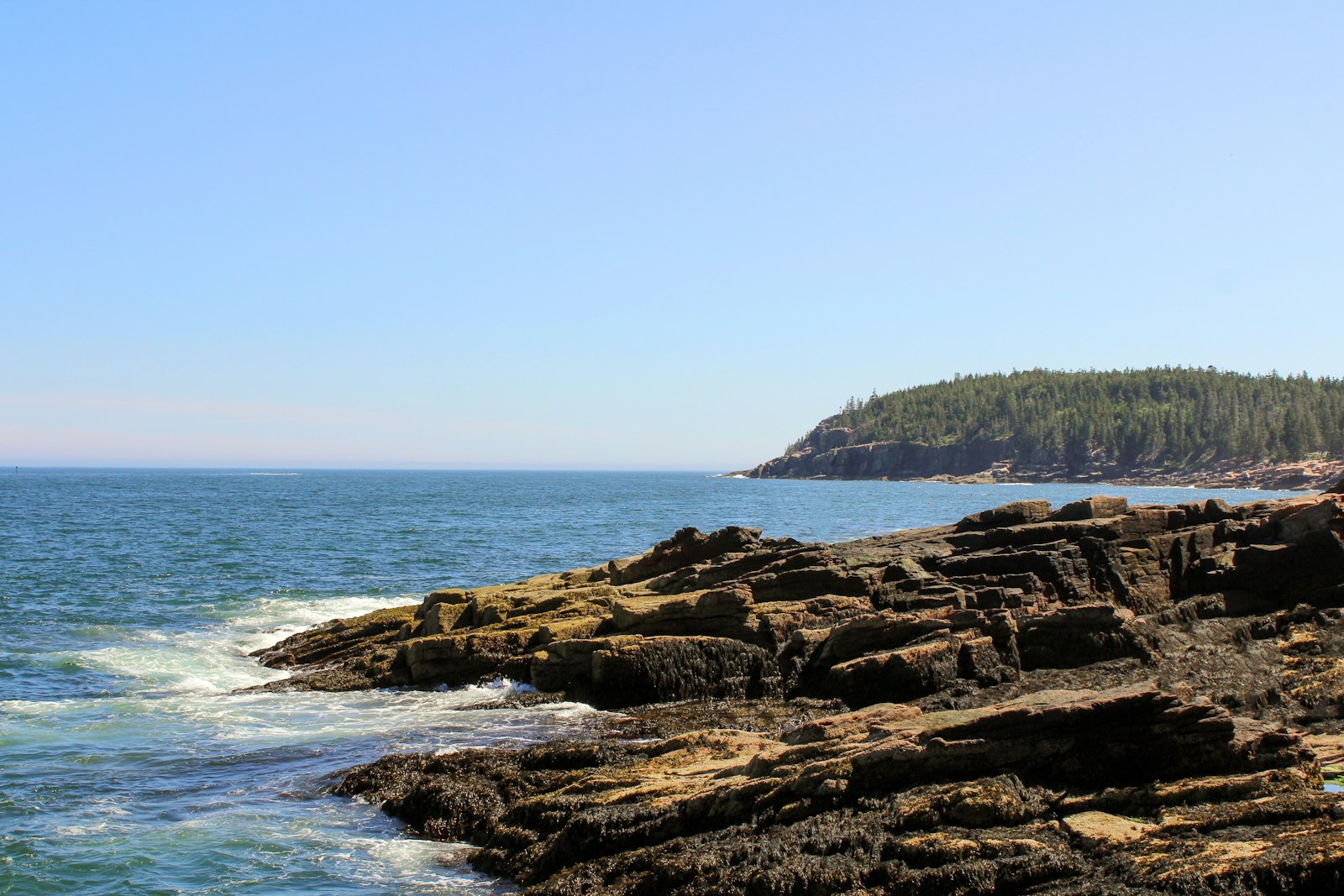
Acadia's fishing season runs from April through October, with the freshwater and saltwater fisheries peaking at different times.
April–May: The freshwater season opens April 1 on the ponds (streams open the same day but close earlier). Ice-out on the ponds usually happens in April, and the first few weeks after ice-out are prime time for landlocked salmon and brook trout. The fish are hungry after a long winter, the water is cold enough to keep them near the surface, and there's almost no one else on the water. Hendrickson mayflies (#12-14) bring the first significant hatches in May. The Gray Ghost and Black Ghost streamers produce well for salmon that are chasing smelt in the shallow post-ice-out water. The saltwater fishery hasn't started yet — stripers won't arrive until mid-July.
June: Brook trout fishing on the ponds hits its stride. Caddis hatches intensify, and Elk Hair Caddis in #14-16 become the go-to dry fly. Blue-Winged Olives hatch on cloudy afternoons. The small streams — Jordan Stream, Richardson Brook, Hunters Brook, Stanley Brook — fish well for wild brookies on Parachute Adams and Pheasant Tails. Bar Harbor fills with summer visitors, but the fishing pressure on most ponds remains light. The ocean is still too cold for stripers.
July–August: The two-fishery window opens. Freshwater fishing remains good, particularly early and late in the day as water temperatures warm. Terrestrials — ants, beetles, small hoppers — supplement the hatch activity on the ponds. Brook trout eat a Stimulator or a foam beetle fished along the shoreline with equal enthusiasm.
Striped bass arrive in mid-July, and the saltwater fishing builds through August. The best striper fishing happens at dawn and dusk, on the tide changes, when baitfish concentrate around the rocky points and the bass move in to feed. Mid-August through mid-September is the peak window — stripers are established, water temperatures are optimal, and mackerel schools offshore drive baitfish toward the shore.
September: The finest month for the complete Acadia fishing experience. Freshwater streams shift to artificial-flies-and-lures-only regulations after August 15, and the brook trout feed aggressively as water temperatures cool. Landlocked salmon become active again on the ponds after the summer doldrums. The Gray Ghost comes back into heavy rotation. Stripers are still in the near-shore waters, and the diminishing baitfish schools concentrate the fish. September fog mornings on a canoe, casting streamers for salmon, followed by an afternoon on the granite ledges stripping Deceivers for stripers — that is the Acadia experience at its best.
October: Freshwater streams close October 31. The ponds remain open, and late-season brook trout fishing can be excellent as the fish feed before winter. Stripers begin their southward migration, but some linger into early October. The crowds are gone. The maples on Cadillac Mountain turn red and orange. Bar Harbor returns to its year-round quietness.
Regulations
Acadia's fishing regulations split between freshwater and saltwater, and the rules are straightforward.
Freshwater (ponds and streams):
- A valid State of Maine fishing license is required for residents 16 and older and non-residents 12 and older.
- All freshwater streams on Mount Desert Island are closed October 31 through March 31.
- Stream fishing: April 1 through August 15 with any legal method; August 16 through September 30, artificial flies and lures only.
- Pond fishing is permitted year-round (including ice fishing January through March).
- Two-fish daily possession limit per angler for most species. Check specific pond regulations — some waters have additional restrictions.
- No live baitfish, minnows, or amphibians as bait (except in designated waters).
- No fishing within 200 feet of swim beaches (Sand Beach, Echo Lake Beach) during their open seasons.
- Motorboat restrictions vary by pond — most are limited to 10 HP or less; Bubble Pond, Witch Hole Pond, and Round Pond prohibit all internal combustion engines.
- Upper Hadlock Brook is closed year-round to protect native fish spawning.
Saltwater (ocean, Somes Sound):
- No fishing license required for ocean fishing in Maine. However, you must register with the free Maine Saltwater Recreational Fishing Registry.
- State of Maine saltwater regulations apply for striped bass, bluefish, and mackerel (size and bag limits change annually — check current MDIFW and DMR regulations before your trip).
- Exercise extreme caution on the coastal rocks — the granite is slippery, waves are unpredictable, and the water is cold enough to be dangerous if you fall in.
Freshwater Gear
Rod: A 9-foot 4-weight or 5-weight handles the pond fishing — brook trout on dries and nymphs, with enough backbone for streamers and landlocked salmon. For the small streams (Jordan Stream, Hunters Brook, the feeders), a 7-foot 3-weight is a better tool — tight quarters, short casts, and small fish that deserve a light rod.
For the lakes (Eagle Lake, Jordan Pond): Step up to a 6-weight if you're primarily targeting landlocked salmon with streamers or lake trout with sinking lines. The bigger water demands longer casts and the ability to turn over larger flies.
Leaders: 9-foot leaders tapered to 4X or 5X for the ponds. The water is clear and calm — fluorocarbon tippet helps in the gin-clear conditions of Jordan Pond and Bubble Pond. For streamer fishing, 3X or 4X with a 7.5-foot leader is sufficient.
Watercraft: Canoes and kayaks are the key to Acadia's freshwater fishing. Most of the best water is accessible only from the water — the shoreline terrain is too rugged for bank fishing on many ponds. Canoe rentals are available at several locations around Mount Desert Island. Electric motors are permitted on the ponds that allow them; paddling is quieter and spooks fewer fish.
Bar Harbor — The Gateway
Bar Harbor is the hub for Acadia — lodging, restaurants, gear shops, and the base for exploring both sides of the park's fishing. The town sits on the northeast shore of Mount Desert Island, facing Frenchman Bay and the Porcupine Islands. It has been a summer destination since the Gilded Age, and it retains a New England charm that the fishing community appreciates — unpretentious, walkable, with good seafood and a working waterfront.
Fly shops and outfitters in the Bar Harbor area can set you up with gear, local knowledge, and in some cases guided trips for both the freshwater ponds and the saltwater shore fishing. A guide is particularly valuable for the saltwater fishing, where local knowledge of tides, baitfish movements, and safe rock access makes the difference between a productive outing and a frustrating one.
The town is also the departure point for whale-watching tours, the Bar Island land bridge walk (accessible at low tide), and the Park Loop Road that connects most of Acadia's major attractions. If you're combining fishing with a family trip — and Acadia is one of the best parks in the country for that — Bar Harbor provides everything you need.
If you're looking for a guide who knows these waters — the pond techniques, the streamer swings for salmon, the saltwater spots and tide charts — find fishing guides based in Bar Harbor, ME who can put you on fish in both worlds.
Why Acadia
Most fly anglers travel to Acadia for the scenery and discover the fishing. The park's reputation is built on Cadillac Mountain sunrises, the Park Loop Road, Jordan Pond House popovers, and the carriage roads — not on hatches and fly boxes. That obscurity is part of what makes the fishing good. The ponds are not pressured the way the famous trout streams of New England are. The Battenkill and the Farmington River draw dedicated fly anglers from across the Northeast. Acadia's ponds draw hikers and sightseers who happen to notice the dimples of rising trout along the far shoreline.
The brook trout here are not large. They are not selective. They will not test your technical skills the way a Shenandoah native brookie in a thin mountain stream or an Isle Royale wilderness fish will test your logistics. What they offer is beauty — the jewel-colored flanks of a wild Maine brook trout against the dark water of a glacial pond, with granite and spruce reflected on the surface and the sound of waves on the Atlantic coast drifting through the trees from a mile away.
The saltwater fishing is the bonus that elevates Acadia above other brook trout parks. Standing on granite that has weathered 500 million years of Atlantic storms, casting a Clouser Minnow into green water while a lobster boat works the channel behind you — that is something no other national park can offer. The striper fishing is legitimate. Fish over 30 inches are caught each season from these rocks. And the setting — fog, granite, spruce, surf — is irreplaceable.
Maine has a fly-fishing heritage as deep as any state's. Carrie Stevens tied the Gray Ghost in the Rangeley Lakes and changed streamer fishing forever. The Great Smoky Mountains have their Appalachian brook trout tradition. Montana has its spring creeks and big rivers. Maine has something older and quieter — cold ponds in granite basins, landlocked salmon on heritage streamers, and wild brook trout that have lived in these waters since the ice retreated. Acadia is where that tradition meets the sea.
Top Fishing Guides in Bar Harbor
Acadia's glacial ponds hold wild brook trout and landlocked salmon that eat heritage streamers like the Gray Ghost, while the granite shoreline delivers striped bass over 30 inches on Clouser Minnows from July through September. No other national park pairs freshwater trout ponds with legitimate saltwater fly fishing.
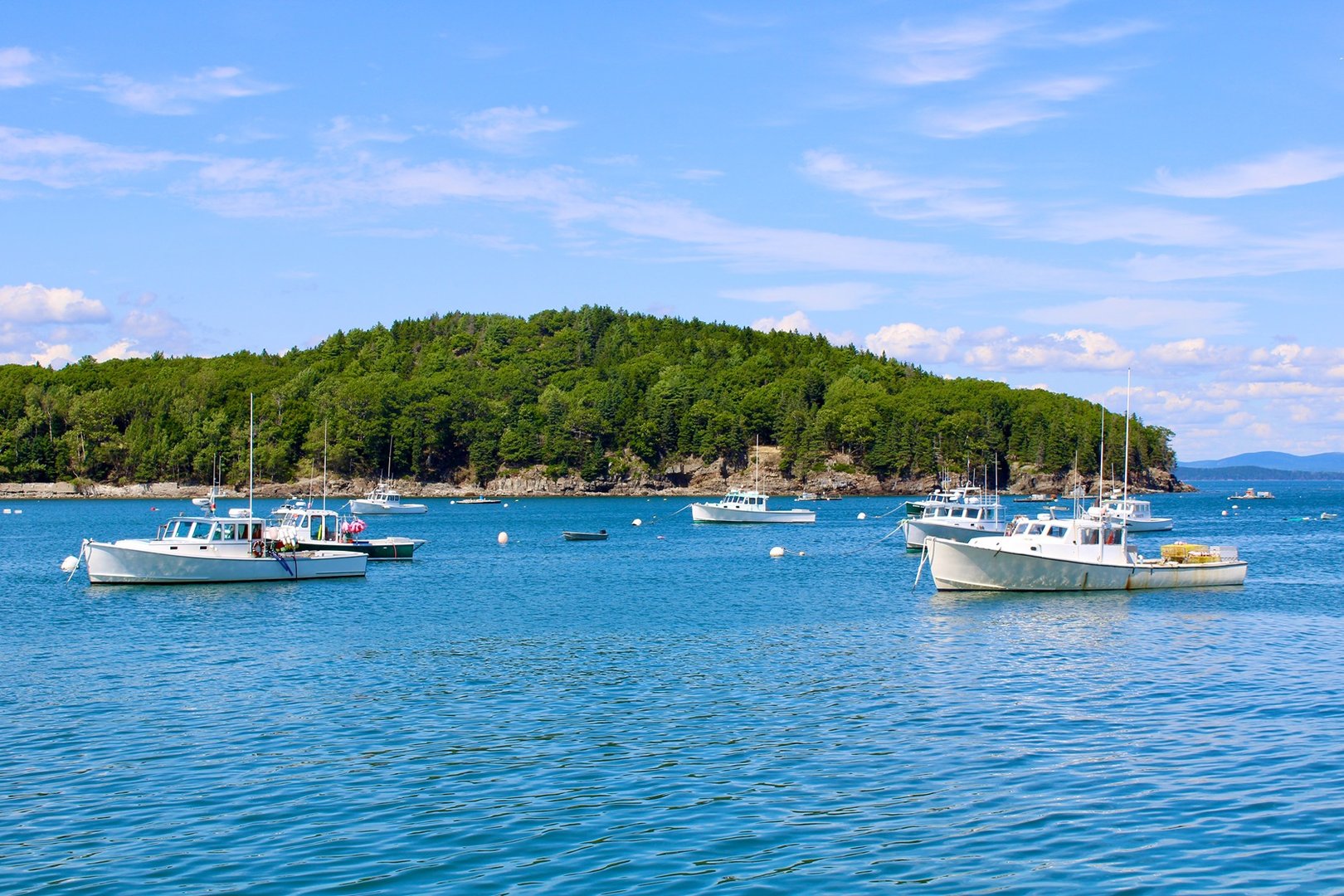
Nook Outdoors
Bar Harbor, ME, US
5.0 (15 reviews)
Nook Outdoors specializes in fishing adventures throughout the Bar Harbor region, offering anglers access to both freshwater and saltwater opportunities in one of Maine's most spectacular settings. Operating in and around Acadia National Park, the team targets a diverse range of species including brook trout, salmon, striped bass, and cod, ensuring rewarding experiences for both beginners and experienced fishermen. Guided by knowledgeable locals, Nook Outdoors combines expert instruction with the natural beauty of coastal Maine. Whether choosing a half-day or full-day charter, anglers benefit from personalized attention and access to prime fishing waters. Each trip is designed to connect visitors with both the fish and the breathtaking landscape that makes this region truly exceptional.
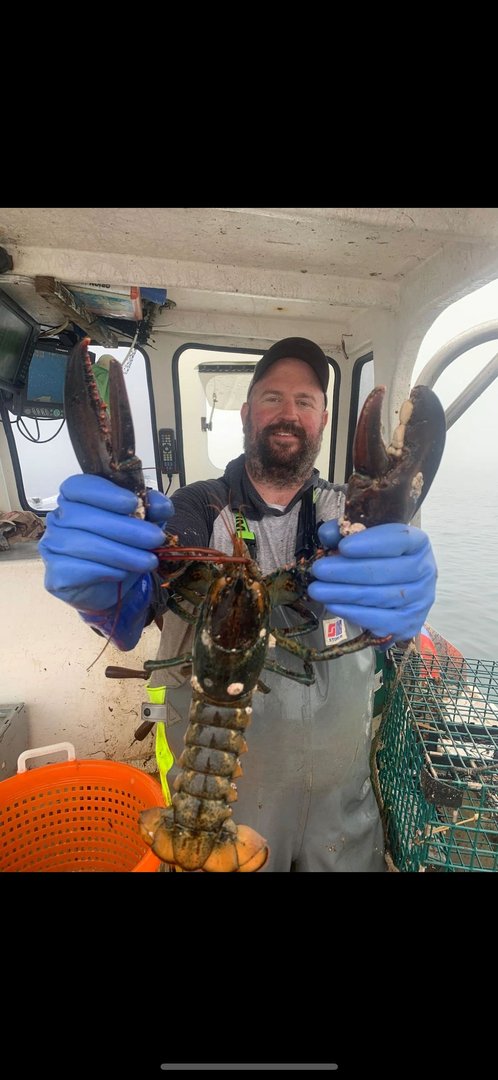
Bar Harbor Fishing Tours
Bar Harbor, ME, US
4.7 (1433 reviews)
Bar Harbor Fishing Tours Bar Harbor Fishing Tours welcomes families and fishing enthusiasts to experience authentic Maine coastal fishing along one of New England's most picturesque shorelines. Led by a third-generation licensed captain with deep roots in the region's fishing heritage, the charter specializes in both traditional lobster fishing and deep-sea opportunities targeting mackerel, pollock, and cod. What sets this operation apart is its commitment to accessibility and education. Children and novices are encouraged to participate hands-on, learning genuine lobstering techniques while enjoying uncrowded waters and stunning coastal scenery. All necessary equipment and fishing licenses are provided, allowing guests to focus simply on the experience of a working Maine fishery.

Eagle Mountain Guide Service
Bar Harbor, ME, US
4.6 (18 reviews)
Master Maine Guide is a full-service operation specializing in freshwater fishing throughout Downeast Maine and the Acadia National Park region. Since 1999, the guide has built a reputation for successfully helping anglers pursue trophy Landlocked Salmon, Lake Trout, Brook Trout, and Smallmouth Bass on pristine, spring-fed lakes and remote waters. Trips are tailored to suit different preferences and group sizes, with access to a well-equipped 24-foot Bentley pontoon boat for larger lake expeditions and canoes for exploring smaller, more intimate waters. Whether you're seeking a family outing or a group adventure, Master Maine Guide emphasizes comfort, enjoyment, and responsible catch-and-release fishing practices that sustain these exceptional fisheries for future generations.
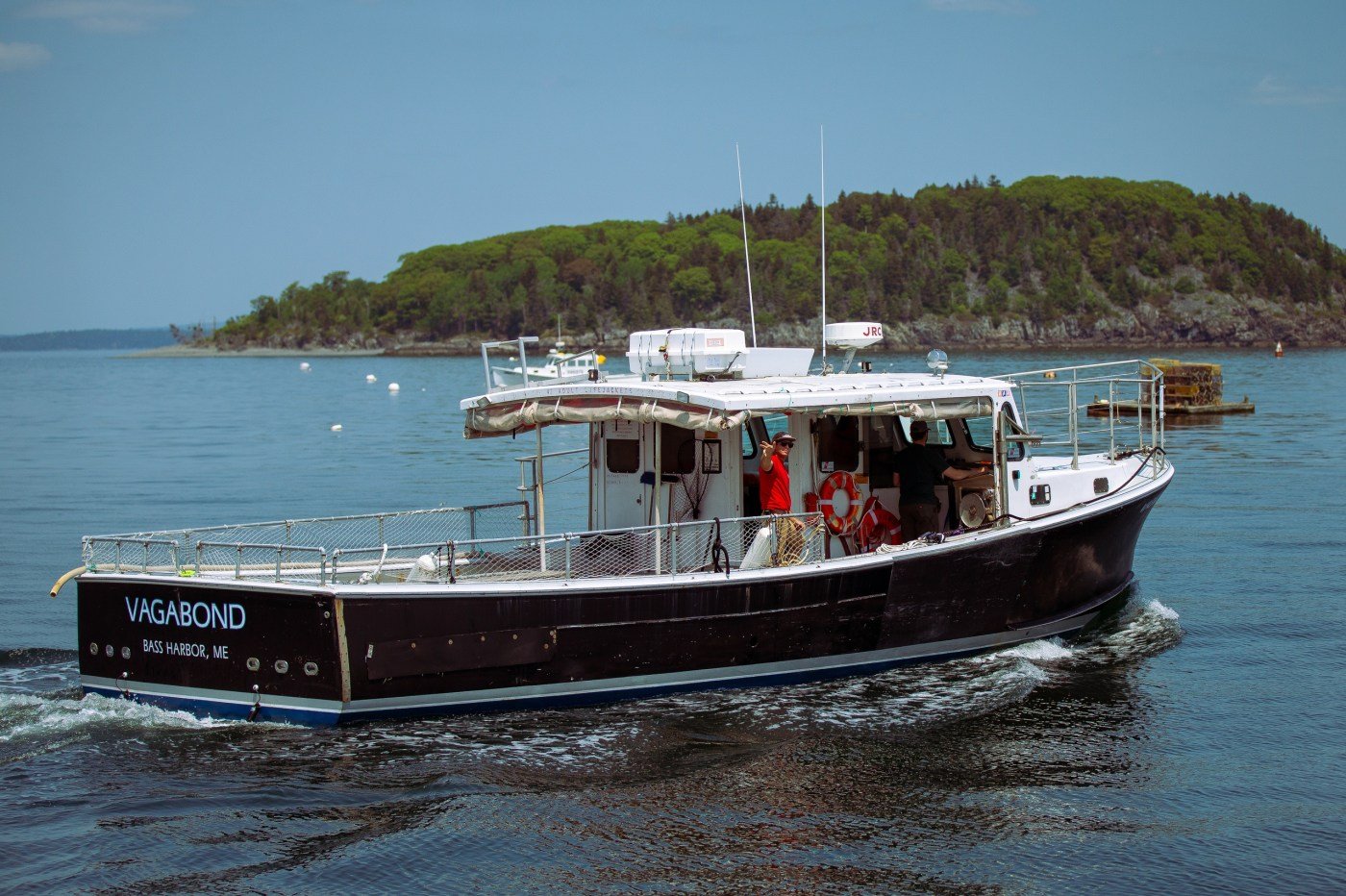
Down East Windjammer
Bar Harbor, ME, US
4.4 (461 reviews)
Down East Windjammer welcomes families and fishing enthusiasts aboard the Vagabond, a Maine-built MDI 45 vessel operating from Bar Harbor. Captain Randy brings decades of local knowledge to every outing, having fished the waters of Frenchman Bay since childhood. The operation specializes in mackerel and pollock, targeting the abundant species that thrive in this scenic coastal region. Guests enjoy personalized, hassle-free fishing experiences with all tackle provided and trips lasting 2.5 to 3 hours. The Vagabond comfortably accommodates up to 30 anglers, making these outings ideal for families, groups, and anyone seeking an authentic Maine fishing adventure with an experienced captain who knows these waters intimately.
Frequently Asked Questions
Can you fly fish in Acadia National Park?
Yes. Acadia offers both freshwater and saltwater fly fishing. The park's glacial ponds hold brook trout, landlocked salmon, and lake trout. The Atlantic coastline provides shore-based fly fishing for striped bass, mackerel, and bluefish from July through September. A Maine fishing license is required for freshwater; saltwater fishing requires only the free Maine Saltwater Recreational Fishing Registry.
What fish species are in Acadia National Park?
Freshwater species include brook trout, landlocked salmon, lake trout, brown trout, smallmouth bass, and chain pickerel across the park's twenty-plus ponds and lakes. Eagle Lake holds salmon, brook trout, and lake trout. Saltwater species include striped bass (mid-July through September), mackerel, bluefish, and pollock along the rocky coastline and in Somes Sound.
Do you need a fishing license for Acadia National Park?
For freshwater fishing, yes — a valid State of Maine fishing license is required for residents 16 and older and non-residents 12 and older. For saltwater fishing in the ocean, no license is needed, but you must register with the free Maine Saltwater Recreational Fishing Registry.
What flies work best for brook trout in Acadia?
Classic patterns work well in Acadia's ponds. Dry flies: Parachute Adams (#12-16), Royal Wulff (#10-14), Elk Hair Caddis (#14-16). Nymphs: Pheasant Tail (#14-18), Hare's Ear (#12-16). Streamers: Gray Ghost (the iconic Maine streamer), Mickey Finn, Black Ghost, Woolly Bugger (#8-10, olive/black), and Muddler Minnow. The Gray Ghost is essential for landlocked salmon.
When is the best time to fly fish Acadia National Park?
For freshwater, May through June offers the best pond fishing with active hatches and post-ice-out feeding. For the full two-fishery experience (brook trout plus stripers), mid-August through September is ideal — freshwater fishing remains strong while striped bass are established along the coast. September is the finest single month, with cool-water brookies, salmon on streamers, and the tail end of the striper run.
Related Articles
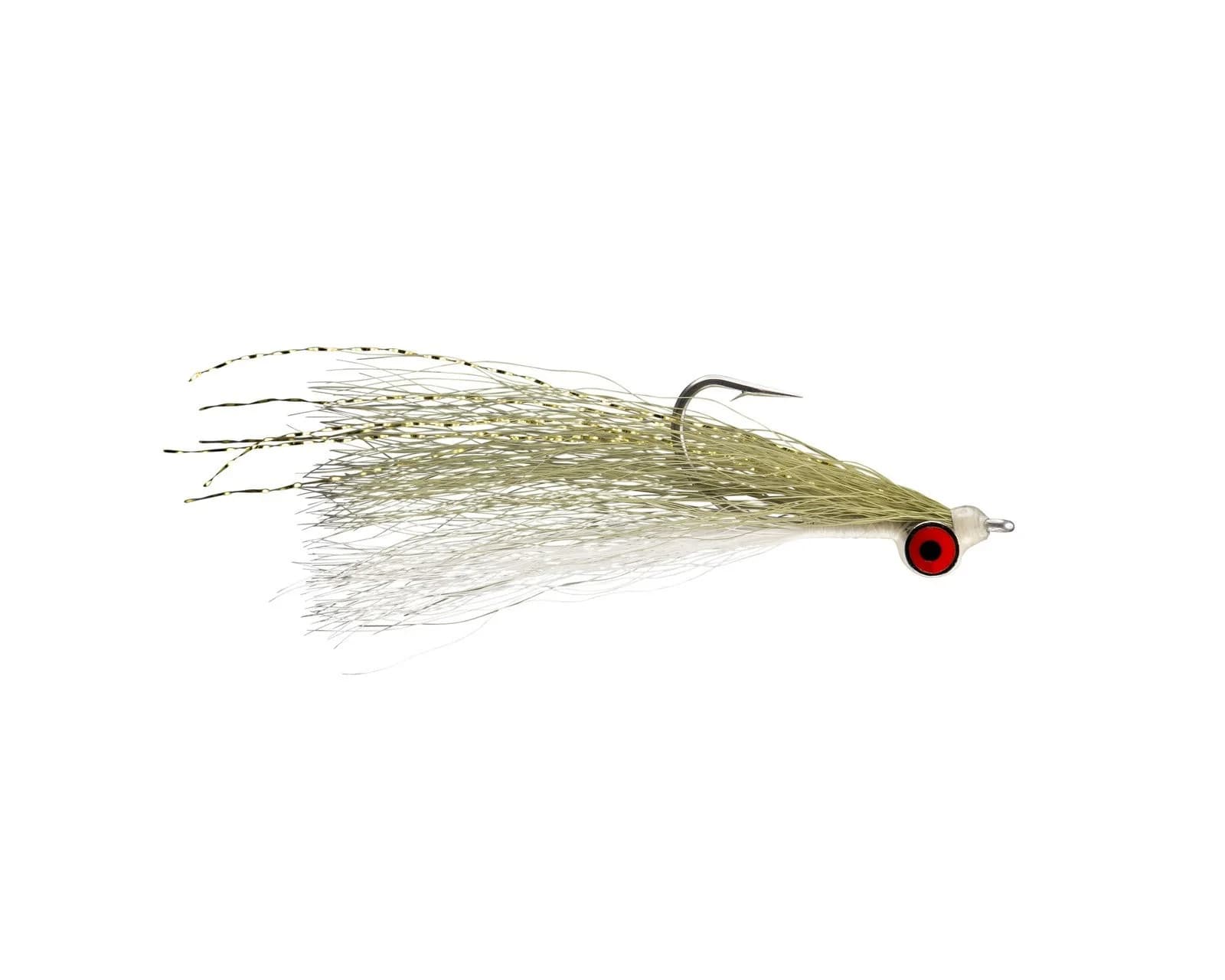
The Clouser Minnow: How to Tie the Fly That Catches Everything With Fins, From Bonefish to Bass to Stripers
Friday, November 28, 2025
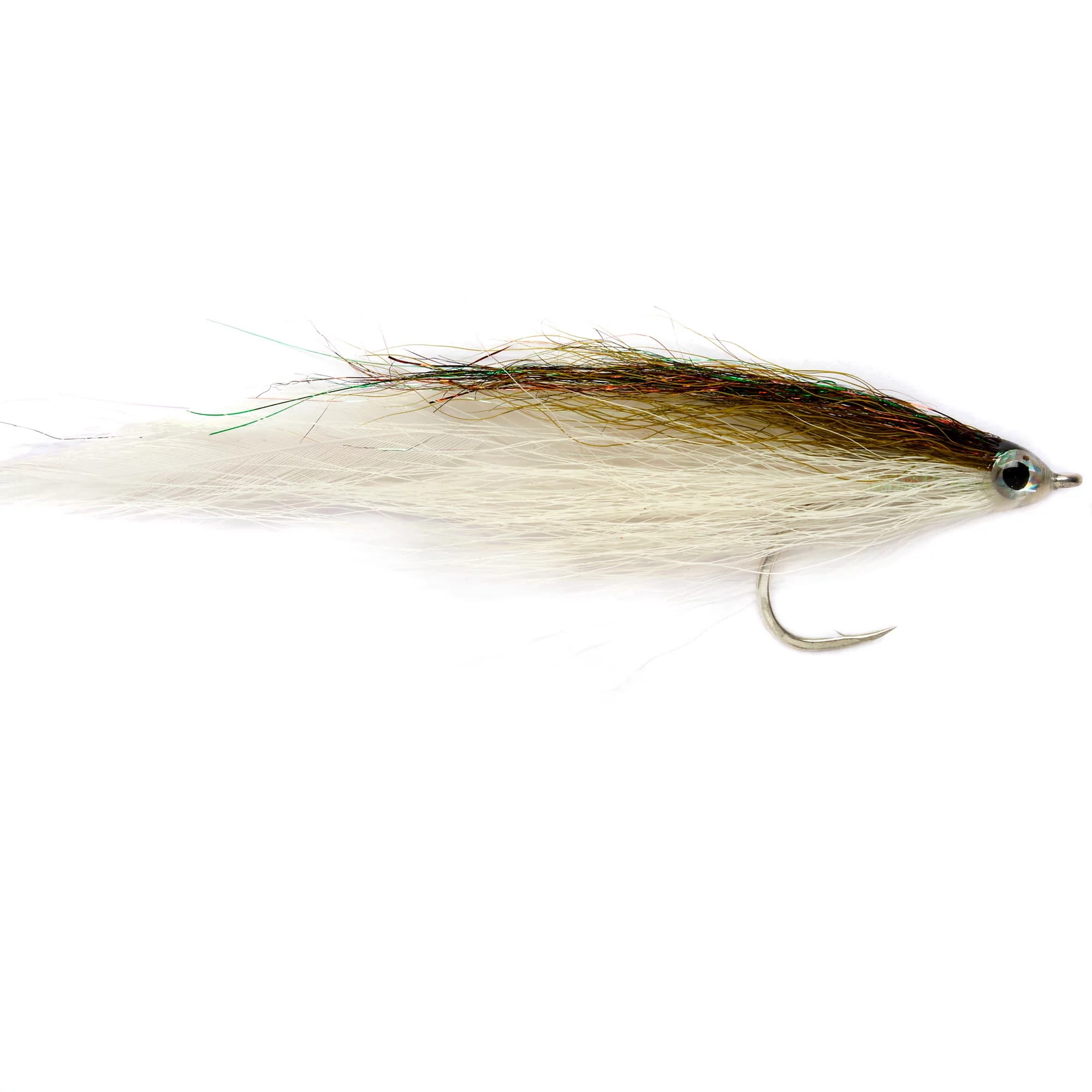
Lefty's Deceiver: How to Tie the Saltwater Streamer That Lefty Kreh Called 'A Way of Tying, Not a Pattern'
Sunday, November 2, 2025
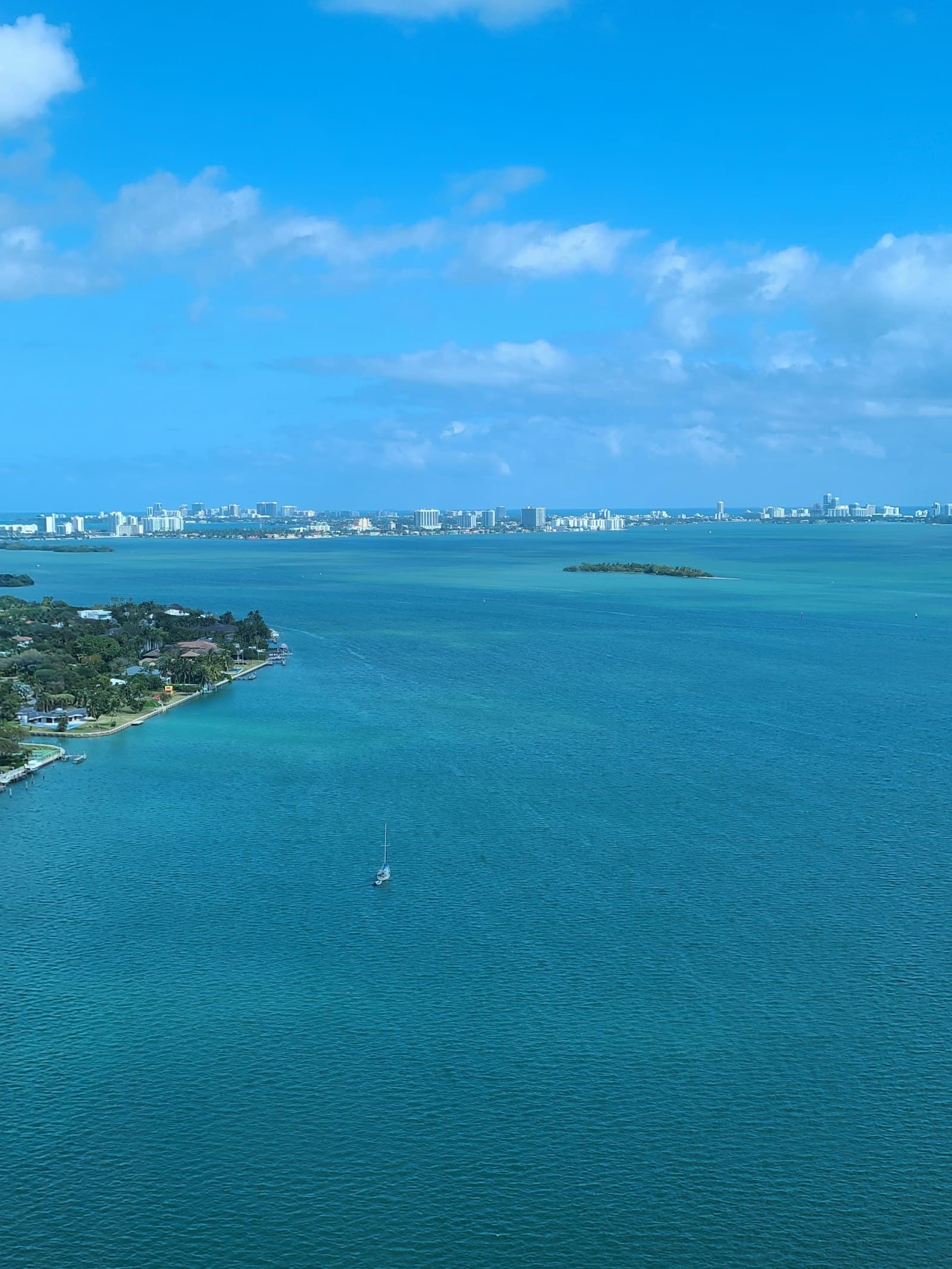
Fly Fishing Biscayne National Park: Bonefish, Permit, Tarpon, and the Best Saltwater Flats You Can Reach by Uber
Saturday, April 19, 2025
 ™
™